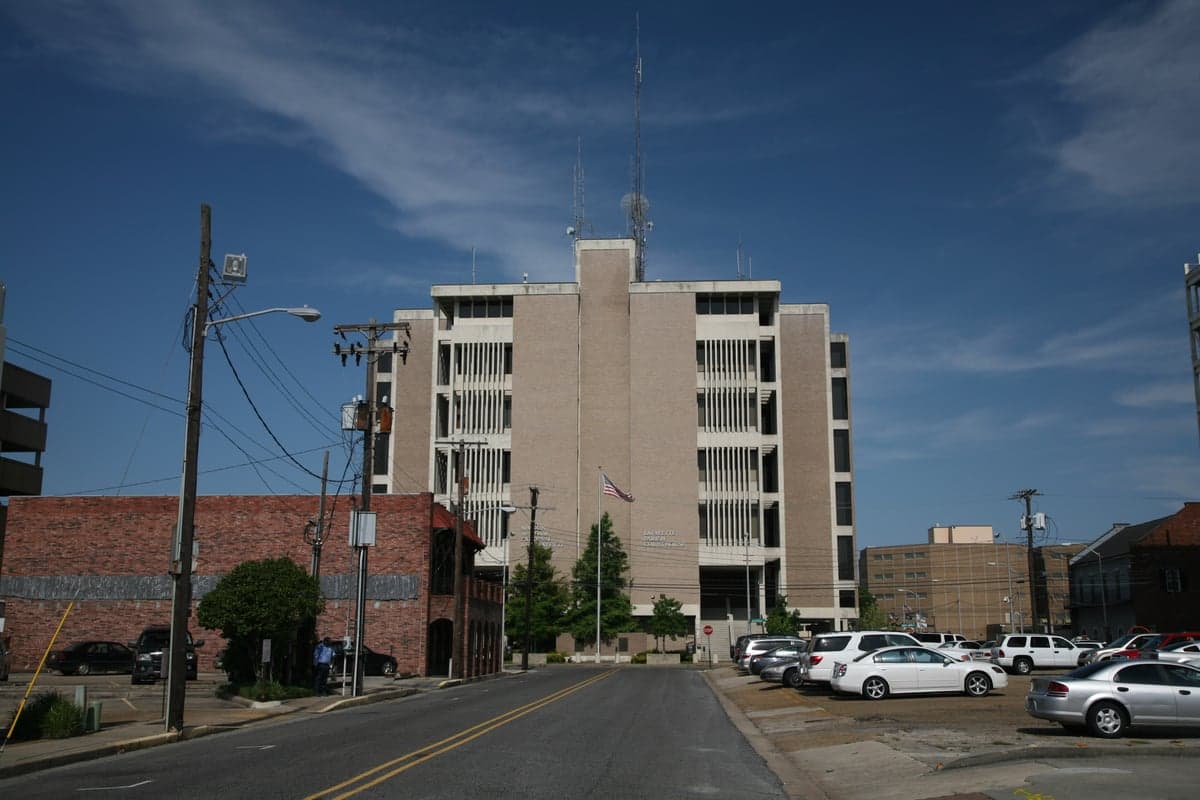
Photo: Wikipedia
Quality of Life in Lafayette County
A livable area that tracks near national norms for affordability, walkability, and neighborhood health.
What does Quality of Life tell us?
Quality of Life measures an area by evaluating factors like cost of living, nearby amenities, country club access, airport proximity, socioeconomic signals and neighborhood character. For large states, this is a general average — quality of life can vary dramatically between metro areas, suburbs, and rural communities within the same state.
What does this tell us?
Quality of Life measures an area by evaluating factors like cost of living, nearby amenities, country club access, airport proximity, socioeconomic signals and neighborhood character. For large states, this is a general average — quality of life can vary dramatically between metro areas, suburbs, and rural communities within the same state.
Cost of Living
14% below national average
101%
The Real Cost of Living in Lafayette County for 2026
| Tier | Individual | Family (4) |
|---|---|---|
| Survival | $16k | $31k |
| Comfortable | $46k | $67k |
| Luxury | $122k+ | $189k+ |
| Elite (Top 5%) | $159k+ | $247k+ |
Quality-of-Life Analysis
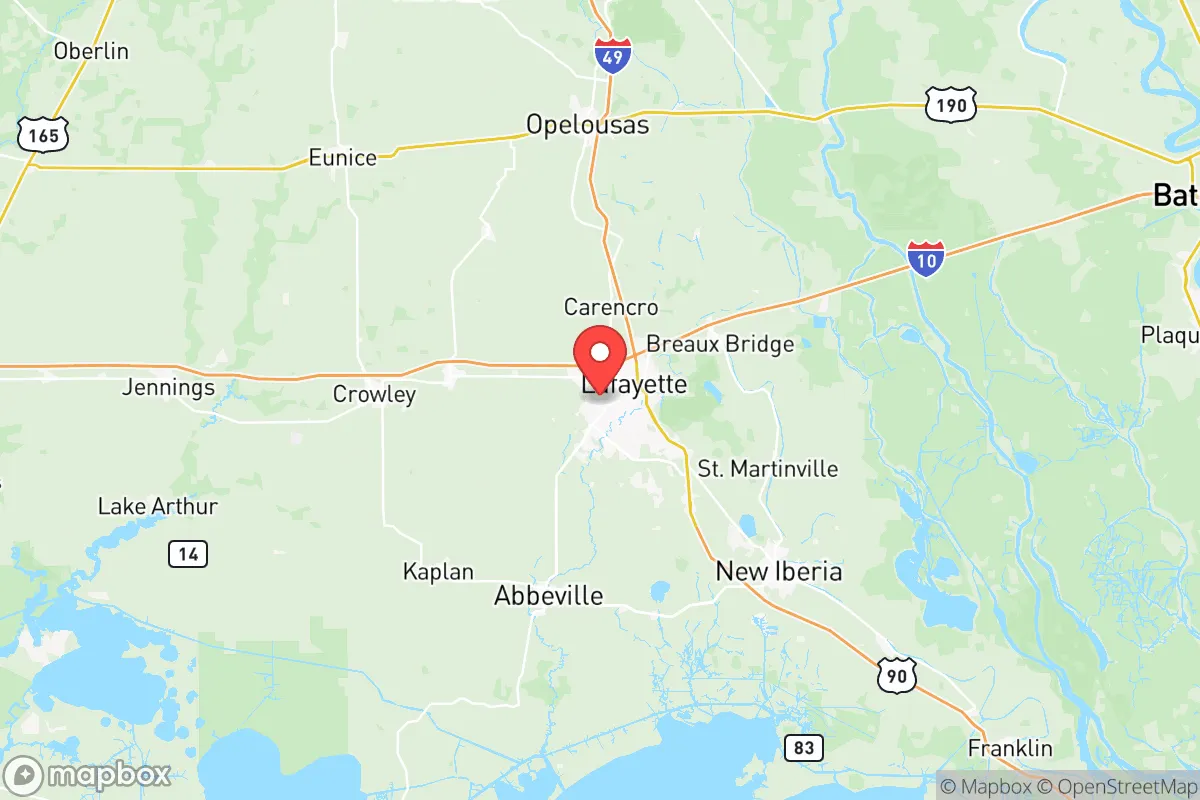
Lafayette Parish (often referred to as Lafayette County) offers a spectrum of living options across its mix of urban, suburban, and rural communities. The parish draws young professionals and students to its dense city core, families to expanding suburbs like Youngsville and Broussard, and those seeking acreage and slower pace to small towns such as Duson and the rural fringes near the Atchafalaya Basin. With a cost-of-living index of 86 (14% below the national average) and an average commute of just 22.8 minutes, the parish balances affordability with accessibility.
Largest town(s) & population centers
The city of Lafayette is the parish’s anchor, home to roughly 121,000 residents and the University of Louisiana at Lafayette. Daily life here centers on a walkable downtown with live music venues, the Cajundome, and a growing food scene. Just west, Scott — known as the “Boudin Capital of the World” — offers a small-town feel with quick access to I-10. To the south, Broussard and Youngsville have boomed into family-friendly suburbs, each with their own school zones and retail corridors. These towns collectively provide most of the parish’s jobs in healthcare, education, and energy, with median home values around $234,200 and median rents of $1,022 — well below national norms.
Smaller towns & rural pockets
Outside the main growth corridor, smaller communities define the parish’s quieter side. Carencro, northeast of Lafayette, retains a historic core and a strong Acadian identity. Duson, straddling the western boundary, is a compact rural town where many residents commute to Lafayette or Scott for work. Unincorporated areas such as Milton, Ossun, and Ridge consist of scattered homes on larger lots, with limited commercial services but closer proximity to hunting and fishing along the Vermilion River. These pockets offer the lowest housing prices in the parish — often below $200,000 for older homes on acreage — and the longest, though still manageable, commutes.
Cost & lifestyle range
The cost-of-living index of 86 means a dollar goes further here than in most of the U.S., but the range within the parish is noticeable. At the higher end, new subdivisions in Youngsville and southern Broussard see home values approaching $350,000–$400,000, paired with top-rated schools and newer amenities like parks and splash pads. At the lower end, older neighborhoods in central Lafayette and smaller towns like Carencro and Duson offer entry-level homes under $200,000 and rents often below $900. Property taxes remain low across the parish, but insurance rates — particularly flood insurance in low-lying areas — can add significant monthly cost. The tradeoff is largely about space and pace: suburban enclaves deliver convenience and community amenities, while rural pockets provide privacy and lower acquisition costs at the expense of longer drives to grocery stores and healthcare.
Lafayette Parish appeals most to those who want a low-stress commute, affordable housing, and access to Cajun culture without sacrificing urban job opportunities. Young families find room to grow in the southern suburbs, retirees appreciate the mild climate and medical infrastructure, and remote workers can stretch a modest income further in the cheaper corners of the parish. Anyone seeking a dense, walkable city experience may find Lafayette proper limited compared to coastal metros, but for a balanced mix of cost, culture, and convenience, the parish delivers across nearly every price point.

Crime in Lafayette County
Crime rates similar to the national median for U.S. locations.
Violent CrimeViolent Crime Analysis
Property CrimeProperty Crime Analysis
Crime Analysis
Lafayette County, anchored by the city of Lafayette, presents a mixed safety picture across its urban core and suburban towns. The parish reports a violent crime rate of 361.2 per 100,000 residents and a property crime rate of 1,445.5 per 100,000, placing it below the Louisiana state average but above some national benchmarks. Residents in suburbs like Youngsville and Broussard typically describe a quieter, lower-crime environment, while those in central Lafayette and parts of Carencro face more frequent property crime and occasional violent incidents. The overall numbers, however, do not capture the significant impact of progressive judicial policies in Lafayette’s city courts, which critics argue reduce accountability for offenders.
Crime in context
Compared to Louisiana’s statewide violent crime rate of roughly 560 per 100,000, Lafayette County’s 361.2 is substantially lower, yet it still exceeds the national average of approximately 380 per 100,000. Property crime in the parish stands at 1,445.5 per 100,000, well below the state average of roughly 2,200 and under the national figure of around 1,950. These comparisons show that while Lafayette County is safer than many other Louisiana parishes, it is not insulated from crime. A key factor is the judiciary: the Lafayette City Court and parts of the 15th Judicial District have adopted progressive diversion programs and sentencing guidelines that emphasize rehabilitation over incarceration, particularly for property and drug offenses. Critics point to these policies as a reason why Lafayette’s violent crime rate—while moderate—has not declined as quickly as in neighboring jurisdictions like Scott, where courts take a stricter line. The U.S. Department of Justice data for 2023-2024 shows the parish’s clearance rates for violent crime lag slightly behind the state average, a trend some law enforcement officials attribute to lenient bond practices in the urban precincts.
What residents experience
* Values derived from national, state, county, city and local statistics and may differ in a specific area. Last updated: 2026-06-01T13:32:38.000Z
Narrative content on this page is AI-generated and may contain mistakes. Verify any details that matter before acting on them.
ReloMaps may earn a commission from affiliate links at no extra cost to you.

