
Photo: Wikipedia
Quality of Life in Louisville, KY
A high quality of life with strong walkability, manageable living costs, healthy neighborhood signals, and solid amenity access.
What does Quality of Life tell us?
Quality of Life blends cost of living, nearby amenities, socioeconomic signals, and neighborhood character. City-level scores represent the whole municipality; individual neighborhoods can differ.
What does this tell us?
Quality of Life blends cost of living, nearby amenities, socioeconomic signals, and neighborhood character. City-level scores represent the whole municipality; individual neighborhoods can differ.
Cost of Living
13% below national average
The Real Cost of Living in Louisville, KY for 2026
| Tier | Individual | Family (4) |
|---|---|---|
| Survival | $17k | $32k |
| Comfortable | $43k | $63k |
| Luxury | $117k+ | $181k+ |
| Elite (Top 5%) | $152k+ | $235k+ |
102%
The Area Signal
A metric tracking the socioeconomic signals of the area.
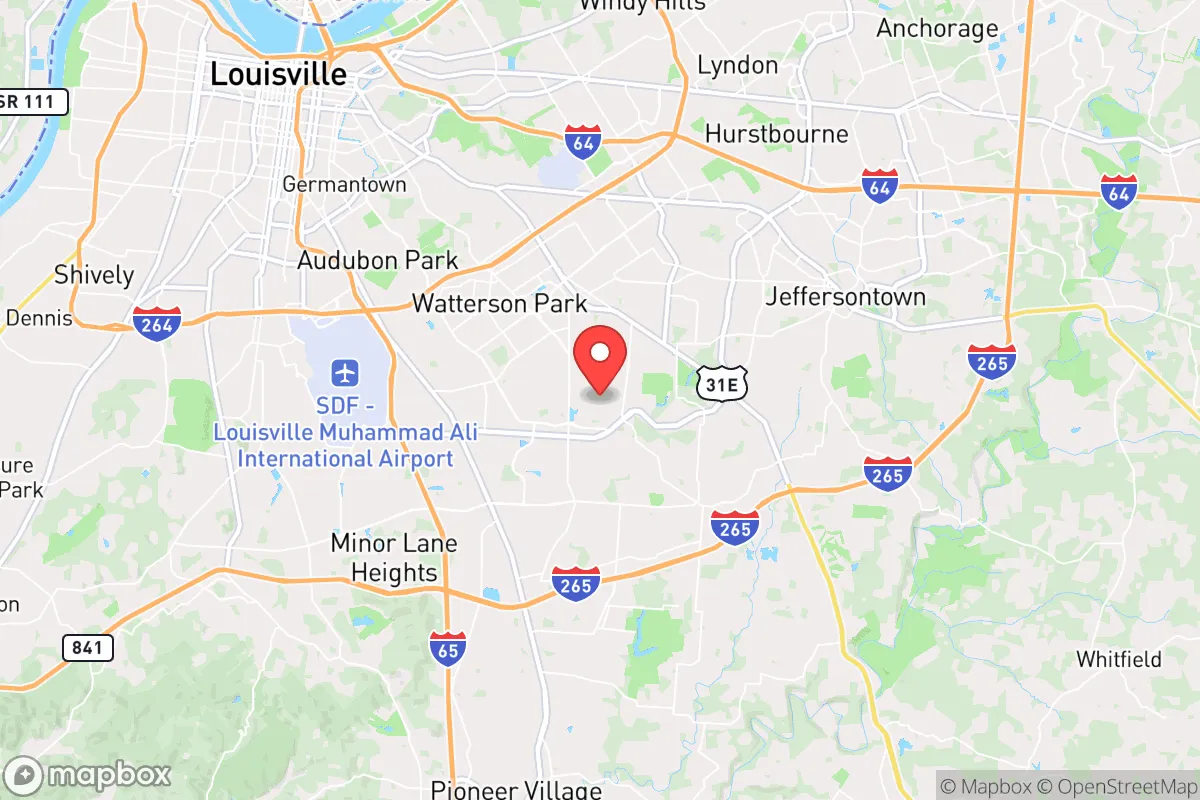
Hobbies
Explore the areaGroceries
6 within 10 miles
Gas
20 within 10 miles
Hospital
20 within 20 miles
Airport
Indianapolis International Airport
Post Office
USPS — Louisville, KY
Critical Amenities
Quality-of-Life Analysis
Louisville, Kentucky, offers a quality of life defined by its blend of urban energy and Midwestern affordability, attracting a diverse population of young professionals, families, and creatives drawn to its revitalized downtown and historic neighborhoods. The city’s cost of living sits well below the national average, making it a practical choice for those seeking economic breathing room without sacrificing cultural amenities. With a cost of living index of 87 (100 = US average), Louisville provides a tangible financial advantage over peer cities like Nashville or Indianapolis, particularly for first-time homebuyers and renters.
Cost of living, housing affordability, and how Louisville compares to nearby cities
Louisville’s housing market remains one of its strongest draws. The median home value of $221,500 is roughly 30% below the national median, allowing many households to achieve homeownership on a single moderate income. Median rent stands at $1,069, which is notably lower than the national median rent of approximately $1,400, making the city accessible for renters saving for a down payment. Compared to Lexington (KY), which has a median home value near $260,000, or Cincinnati (OH) at roughly $200,000, Louisville occupies a middle ground but offers a larger urban job market. The average commute of 22.7 minutes is shorter than the national average of 26 minutes, reducing daily transportation costs and freeing up time for family or leisure. Property taxes in Jefferson County are moderate, and Kentucky’s flat income tax rate of 4.5% (as of 2026) adds to the overall affordability equation.
Neighborhood amenities, school quality, and the daily rhythm of life
Daily life in Louisville revolves around its distinct neighborhoods—from the walkable, Victorian-era streets of the Highlands to the suburban calm of Jeffersontown and the rapid redevelopment of NuLu (East Market District). The city’s park system, designed by Frederick Law Olmsted, offers over 120 parks, including Cherokee Park and the Waterfront Park along the Ohio River, which host farmers markets, concerts, and running clubs. Public schools are managed by Jefferson County Public Schools (JCPS), the largest district in Kentucky, with magnet and traditional programs like duPont Manual High School and Atherton High School drawing families seeking specialized curricula. Private and parochial options, such as St. Xavier High School and Kentucky Country Day, are also prevalent. The dining and arts scene is anchored by the Kentucky Derby Festival, the Muhammad Ali Center, and a growing craft brewery corridor along Main Street. For daily errands, grocery and retail access is strong, with major chains and local co-ops like Rainbow Blossom serving most neighborhoods.
Louisville is best suited for individuals and families who value a lower cost of living and a slower pace than major coastal metros but still want access to professional jobs, cultural events, and outdoor recreation. Young professionals in healthcare, logistics (UPS Worldport is the city’s largest employer), and advanced manufacturing will find a robust job market. Families benefit from the affordable housing and short commutes, while retirees appreciate the mild four-season climate and low property taxes. Those seeking a 24-hour nightlife scene or a hyper-competitive school district may find Louisville lacking, but for most, the trade-off between affordability and urban amenities makes it a compelling place to settle.

Crime in Louisville, KY
Higher crime rates than 67% of comparable U.S. locations.
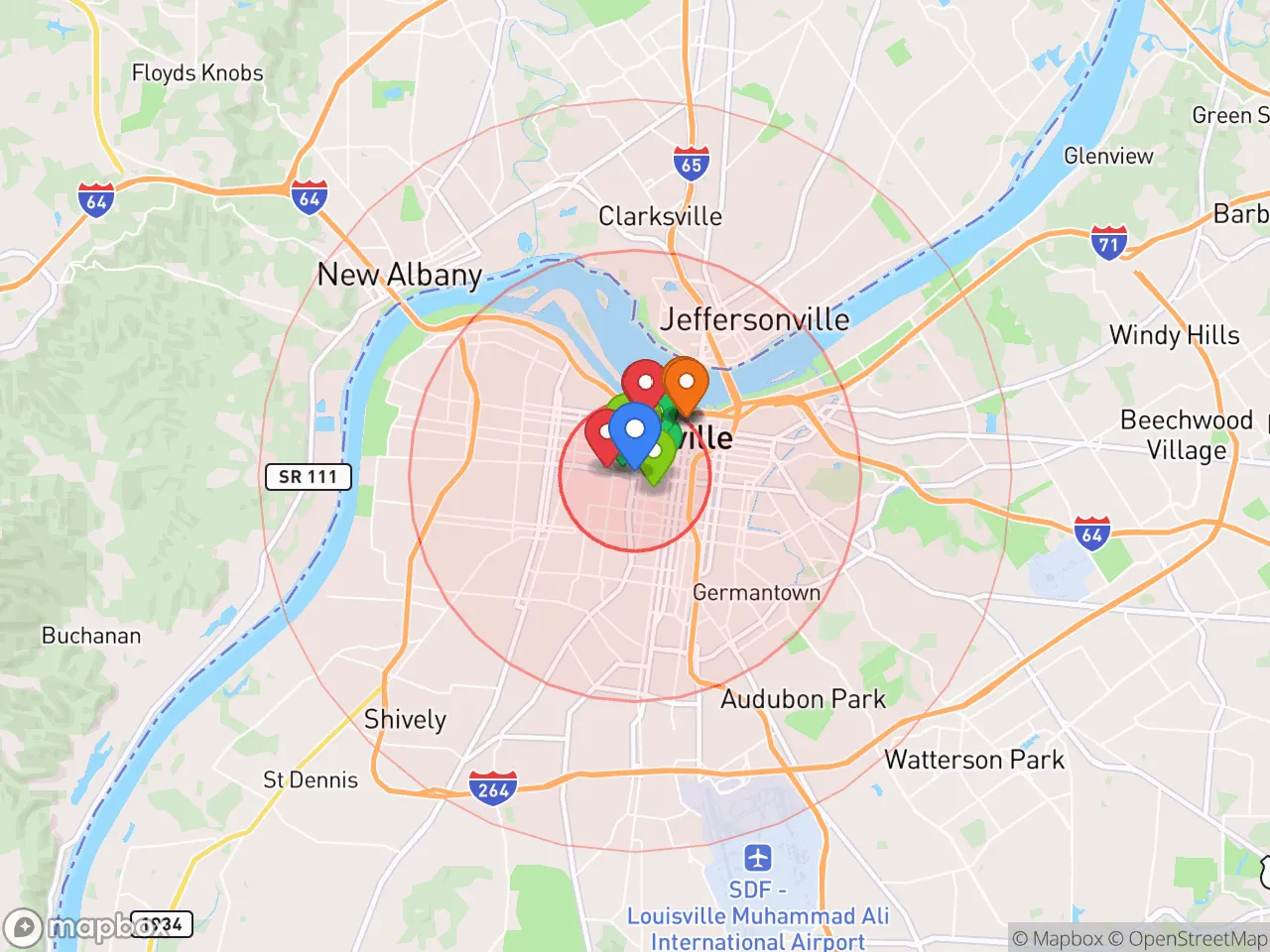
Violent CrimeViolent Crime Analysis
Property CrimeProperty Crime Analysis
Crime Analysis
Louisville, Kentucky, faces a significant public safety challenge, with violent crime rates substantially higher than both state and national averages. The city's overall crime picture is dominated by a property crime rate of 3,046.6 incidents per 100,000 residents and a violent crime rate of 584.3 per 100,000, figures that place it among the more dangerous large metro areas in the region. These statistics reflect a complex environment where residents must remain vigilant, particularly in certain neighborhoods and during late-night hours.
Crime in context
Louisville's violent crime rate of 584.3 per 100,000 is roughly 50% higher than the national average and significantly exceeds the Kentucky state average of approximately 230 per 100,000. Property crime, at 3,046.6 per 100,000, also outpaces the national benchmark of around 1,950 per 100,000. These elevated rates are partly attributable to the city's status as a large, urbanized metro area, but local justice policies play a critical role. Jefferson County, which encompasses Louisville, has seen a trend toward progressive prosecution and judicial philosophies that prioritize diversion and reduced incarceration for non-violent and some violent offenders. While intended to reduce recidivism, these policies have been linked by critics to higher recidivism rates and a perception that the justice system is lenient, potentially emboldening repeat offenders and undermining deterrence.
What residents experience
For daily life, the most tangible impact is the prevalence of property crime, including vehicle break-ins, theft from porches, and residential burglaries. Violent crime, while less common in daily routines, is concentrated in specific areas and often involves interpersonal disputes or drug-related activity. Residents in many central and western neighborhoods report a heightened sense of caution, particularly after dark. The presence of progressive district attorneys and judges in the local system has been a point of contention, with many residents expressing frustration that offenders are quickly returned to the streets, eroding trust in the justice system's ability to protect victims and the public. This dynamic can make routine activities—like walking to a store or parking a car—feel riskier than in comparable cities with more traditional law-and-order approaches.
Neighborhood-level variation
Safety in Louisville varies dramatically by neighborhood. Areas like the Highlands, Crescent Hill, and parts of the East End (e.g., Middletown, Prospect) generally report lower crime rates and are considered safer for families and professionals. In contrast, neighborhoods such as Russell, Shawnee, and parts of the West End experience significantly higher violent crime rates, often exceeding 1,000 per 100,000. The downtown core and areas near the University of Louisville campus see a mix of property crime and occasional violent incidents, particularly around bars and entertainment districts. Prospective residents should research specific neighborhood crime maps and consider that the city's overall statistics mask these sharp disparities, making location the single most important factor in personal safety.
* Values derived from national, state, county, city and local statistics and may differ in a specific area. Last updated: 2026-04-22T01:29:46.000Z
Narrative content on this page is AI-generated and may contain mistakes. Verify any details that matter before acting on them.
ReloMaps may earn a commission from affiliate links at no extra cost to you.

