
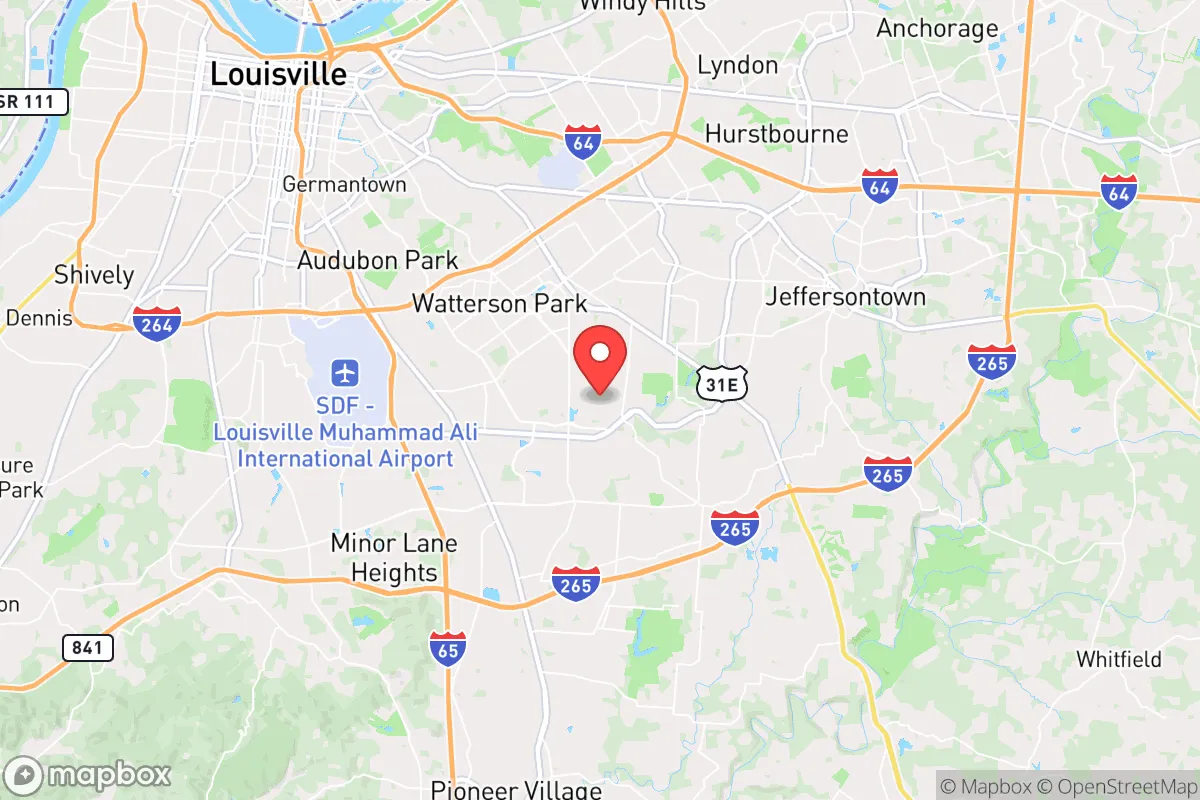
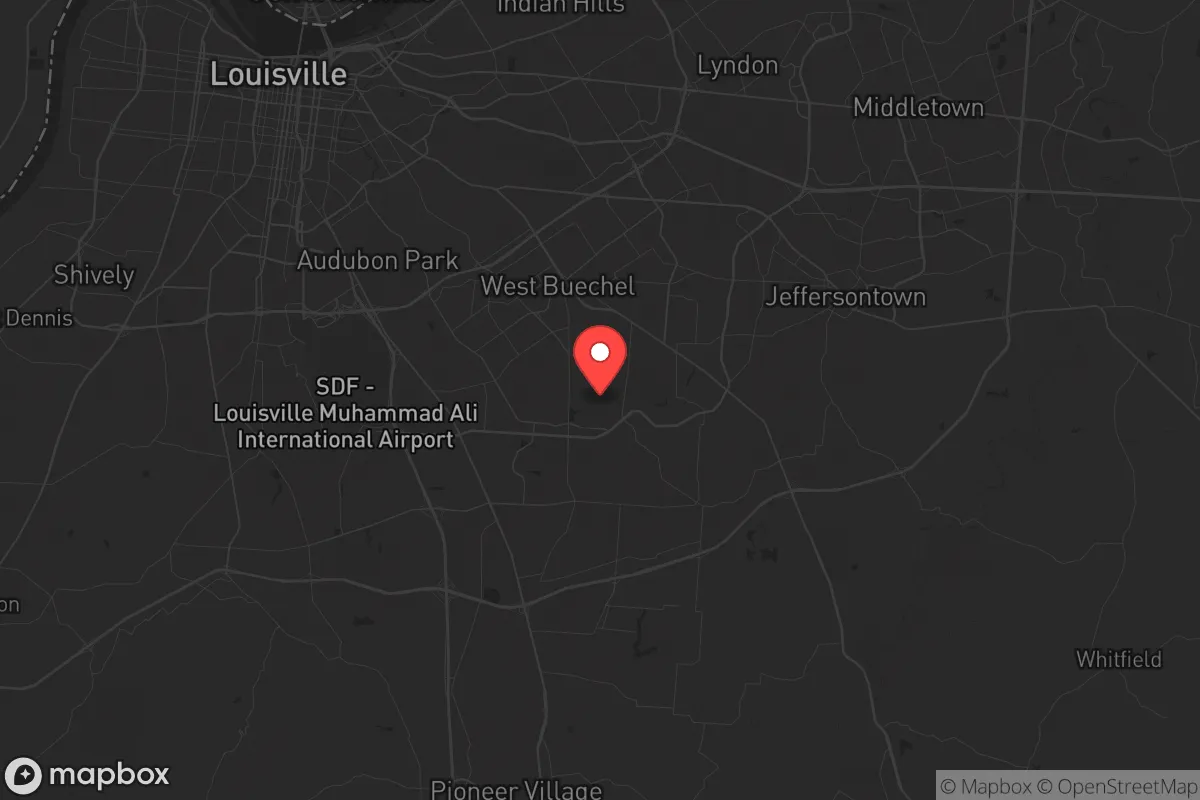
Photo: Wikipedia
Strategic Assessment of Louisville, KY
Multiple tactical vulnerabilities. Population density, target proximity, or disaster risk are likely compounding. A retreat property and exit planning is required.
What does the Strategic Assessment tell us?
Our Strategic Assessment grades tactical survivability of an area. Major population centers, military targets, fallout zones, natural disasters, and border exposure all drive risk — lower exposure means a more defensible position in a crisis.
This is heavily inspired by Joel Skousen's Strategic Relocation book. Highly recommended you checkout the book ($)What does this tell us?
Our Strategic Assessment grades tactical survivability of an area. Major population centers, military targets, fallout zones, natural disasters, and border exposure all drive risk — lower exposure means a more defensible position in a crisis.
This is heavily inspired by Joel Skousen's Strategic Relocation book. Highly recommended you checkout the book ($)Strategic Pillars

Key Distances
Regional Safe Places
Below is our recommended "safe zones" in Kentucky and the surrounding area based on our strategic heuristics. For most people, it's unrealistic to live in a “safe zone” full-time due to work, family or other personal reasons. They tend to be more rural. However, many of these areas are perfect for second homes and retreat properties that double as a vacation home or even a short-term rental.
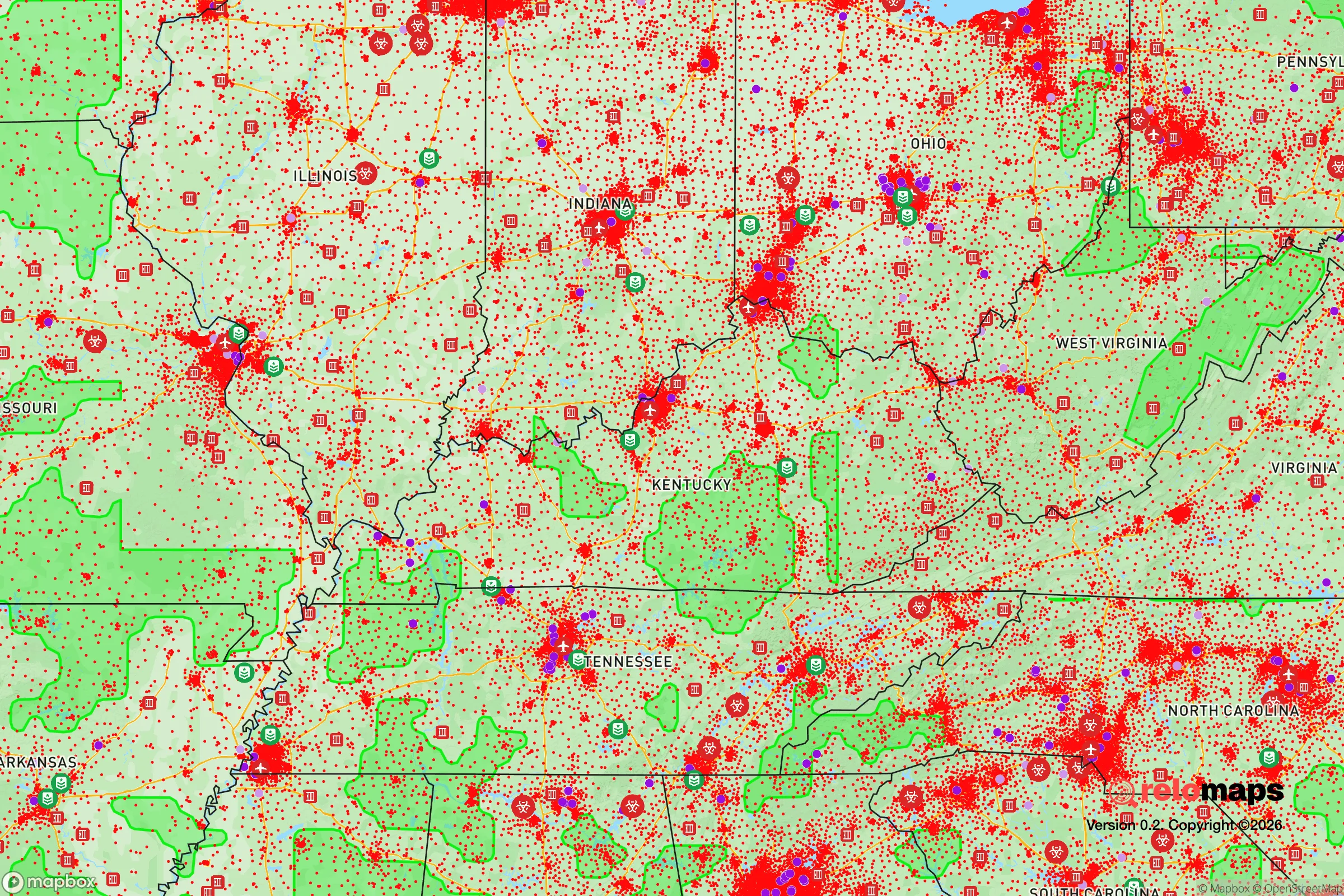
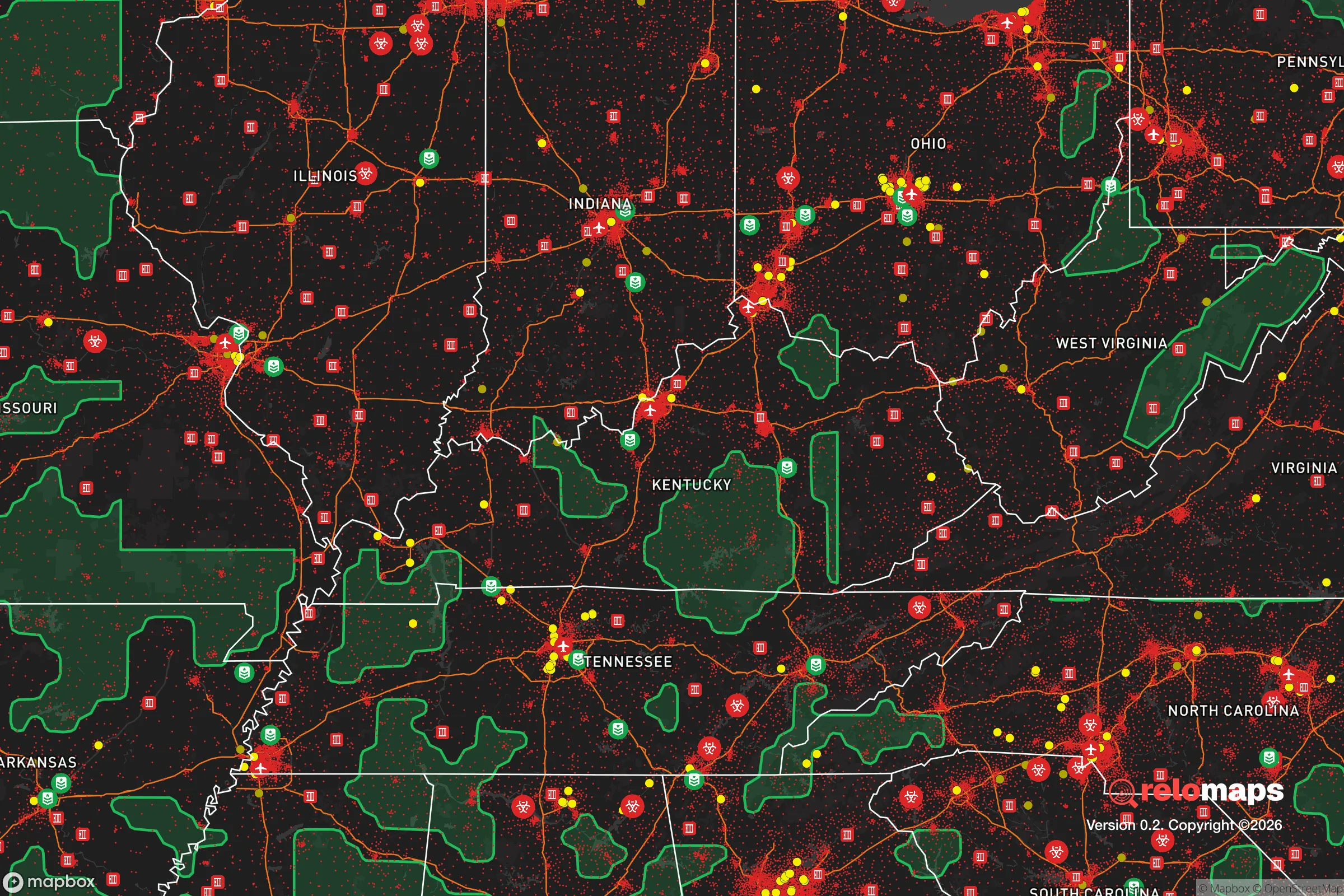


Important Note: For informational purposes only. This does not mean nothing bad ever happens in the green zones. Please use common sense. This is based on public data and modeled with AI. We tried to take a conservative approach but mistakes happen. We update this regularly as new information becomes available.
Solar Generator Recommendations
Backup power matters more here than in safer locations. We've picked three solar generators across budgets and capacity tiers — start with the budget unit if you only need a few essentials, or step up if you want to run a fridge and HVAC for days at a time.

Jackery Portable Power Station Explorer 300
Budget OptionPower on the Go: Weighing only 11 lbs, it's convenient to set up and store with book-sized foldable solar panels

BLUETTI Portable Power Station AC180
Designed for both indoor and outdoor scenarios, AC180 is highly capable as it has a robost capacity and continuous output power.

EF ECOFLOW DELTA Pro Ultra Power Station
Upgraded PickEcoFlow DELTA Pro Ultra is a whole-home energy system designed to grow with your family. Integrated with the Smart Home Panel 2, it scales to meet your evolving energy needs — keeping your home powered, intelligent, and secure through every stage of life.
We earn a commission, at no additional cost to you.
Strategic Assessment Analysis
Louisville, Kentucky, sits at a strategic crossroads that offers a mix of genuine resilience and significant exposure for those thinking long-term about safety and self-reliance. Its position along the Ohio River and at the intersection of Interstates 64, 65, and 71 makes it a logistical hub—useful for supply movement but also a potential chokepoint during unrest. For a relocator with a prepper mindset, Louisville presents a trade-off: it’s far enough from the most volatile coastal zones to avoid immediate fallout from a major event, yet close enough to major population centers like Cincinnati, Nashville, and Indianapolis to feel the ripple effects of any crisis. The city itself is a mid-sized metro of about 630,000, with a regional population over 1.3 million, which means it has critical mass for resources but also carries the risks of urban dependency.
Geographic position and natural advantages for long-term security
Louisville’s geography is a double-edged sword. On the plus side, it sits in the Ohio River Valley, which provides abundant freshwater—a non-negotiable asset for any survival scenario. The river itself is a reliable water source, though it’s also a major industrial waterway that could become contaminated or contested during a breakdown. The surrounding terrain is mostly rolling hills and farmland, with the Knobs region to the south offering some defensible high ground and forest cover. The climate is temperate, with four distinct seasons, meaning you can grow food for about six months of the year, but you’ll need to plan for winter heating and potential ice storms. The area is not prone to earthquakes, hurricanes, or wildfires, which is a solid baseline advantage. However, the Ohio River floodplain is a real concern—parts of Louisville, especially in the West End and along the river, are in flood zones. For a strategic relocation, you’d want to look at properties south of the city, in Bullitt or Spencer counties, where elevation increases and flood risk drops. The proximity to Fort Knox (about 45 minutes southwest) is a notable plus: a major military installation means a federal response presence and a potential safe zone, but it also makes the area a target in a conflict scenario.
Risks, exposures, and proximity to fallout-relevant landmarks
Louisville’s biggest vulnerability for a prepper is its proximity to multiple high-value targets. The city itself hosts the Louisville International Airport (a major UPS Worldport hub), the Ohio River locks and dams, and several chemical plants along the river—including a chlorine facility that, if compromised, could create a toxic plume affecting tens of thousands. Within a 100-mile radius, you’ve got the Fort Knox gold depository (a prime target for any organized threat), the Paducah Gaseous Diffusion Plant (a decommissioned uranium enrichment site with ongoing cleanup), and the Blue Grass Army Depot in Richmond, Kentucky, which stores chemical weapons. Any major event—whether a terrorist attack, EMP, or civil unrest—could cascade from these points. The city’s reliance on the interstate system is another weak link: if I-65 or I-71 are blocked, evacuation or supply routes become severely limited. Louisville also has a history of racial tension and protest activity, most notably the 2020 Breonna Taylor demonstrations, which saw property damage and National Guard deployment. For a conservative-leaning relocator, the city’s political lean is mixed—Jefferson County votes reliably Democratic, while surrounding counties are deeply red—meaning you could face cultural friction if you settle inside the urban core. The risk of civil unrest is moderate but real, especially given the city’s economic disparities and the presence of activist networks.
Practical resilience for a relocator: food, water, energy, and defensibility
For someone serious about self-sufficiency, Louisville offers a mixed bag. Water is abundant but not guaranteed—the Ohio River is a massive resource, but you’ll need filtration and treatment capability, as industrial runoff and agricultural pollution are constant concerns. The Louisville Water Company is reliable for now, but a grid-down scenario would cut municipal supply. Food production is viable in the surrounding counties, with rich soil and a growing season from April to October. The Kentucky Farm Bureau and local extension offices are good resources for learning, and there’s a strong network of small farms and farmers’ markets in places like Shelbyville and La Grange. Energy is a weak point: Louisville relies on the regional grid (LG&E and KU), which has seen strain during extreme weather, like the 2022 winter storm that caused rolling blackouts. Solar is feasible, but the region’s cloud cover and tree canopy reduce efficiency. Natural gas is common for heating, but that infrastructure is also vulnerable. Defensibility is poor within the city—dense neighborhoods, limited sightlines, and multiple entry points make urban property hard to secure. The better play is a rural property in the outer ring counties, where you can have acreage, a well, septic, and a defensible perimeter. The local gun culture is strong and supportive, with numerous ranges and gun shops, and Kentucky is a constitutional carry state. Medical infrastructure is solid—Louisville has several major hospitals, including UofL Health and Norton Healthcare—but in a crisis, those facilities would be overwhelmed. Stockpiling antibiotics and trauma supplies is wise. The Amish and Mennonite communities in central Kentucky are a practical resource for off-grid skills and barter networks, but they’re about an hour or more east of Louisville.
The overall strategic picture for Louisville is one of cautious opportunity. It’s not a bug-out location—it’s too exposed to urban risks and critical infrastructure targets. But for a relocator who wants to stay within a reasonable distance of a major city for work or family, while maintaining a prepared lifestyle, the outer counties offer a viable middle ground. The key is to avoid the floodplains, stay south of the city, and build relationships with the rural communities that have a long tradition of self-reliance. If you’re looking for a place that balances access to resources with a realistic chance of weathering a crisis, Louisville’s region is worth a serious look—just don’t mistake the city itself for a safe haven. The smart money is on the periphery, where you can watch the storm from a distance and act when needed.

* Values derived from national, state, county, city and local statistics and may differ in a specific area. Last updated: 2026-04-22T01:29:46.000Z
Narrative content on this page is AI-generated and may contain mistakes. Verify any details that matter before acting on them.
ReloMaps may earn a commission from affiliate links at no extra cost to you.

