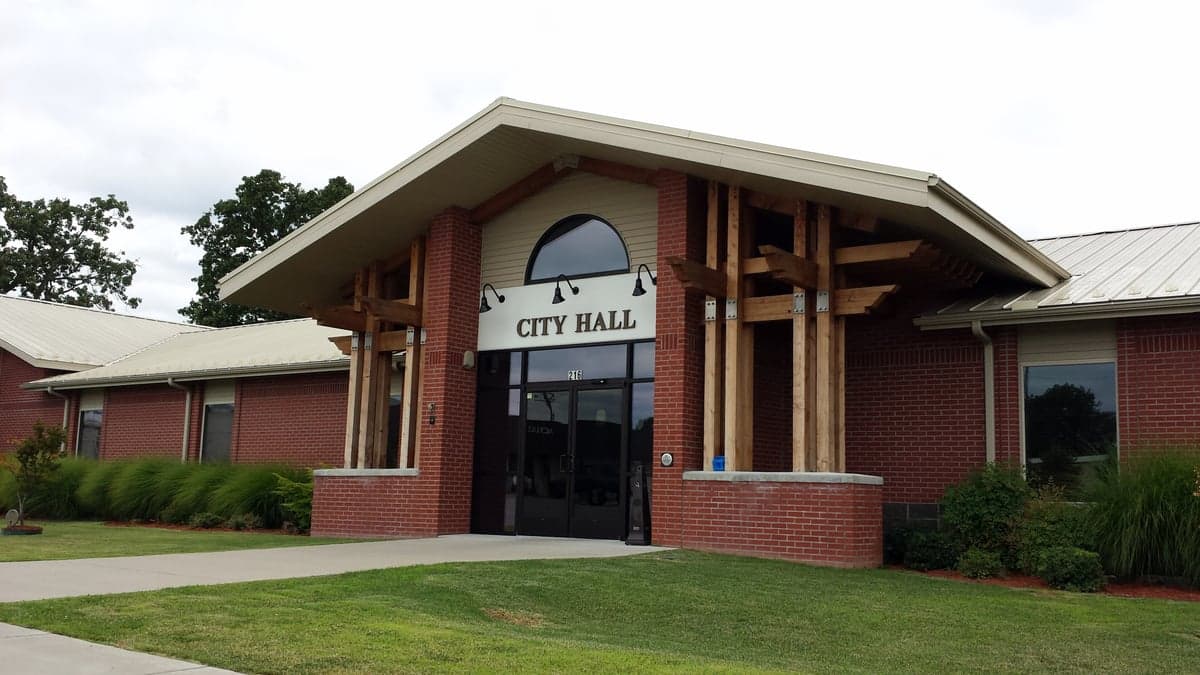
Photo: Wikipedia
Quality of Life in Lowell, AR
A high quality of life with strong walkability, manageable living costs, healthy neighborhood signals, and solid amenity access.
What does Quality of Life tell us?
Quality of Life blends cost of living, nearby amenities, socioeconomic signals, and neighborhood character. City-level scores represent the whole municipality; individual neighborhoods can differ.
What does this tell us?
Quality of Life blends cost of living, nearby amenities, socioeconomic signals, and neighborhood character. City-level scores represent the whole municipality; individual neighborhoods can differ.
Cost of Living
7% below national average
The Real Cost of Living in Lowell, AR for 2026
| Tier | Individual | Family (4) |
|---|---|---|
| Survival | $17k | $32k |
| Comfortable | $51k | $74k |
| Luxury | $130k+ | $201k+ |
| Elite (Top 5%) | $153k+ | $237k+ |
125%
The Area Signal
A metric tracking the socioeconomic signals of the area.
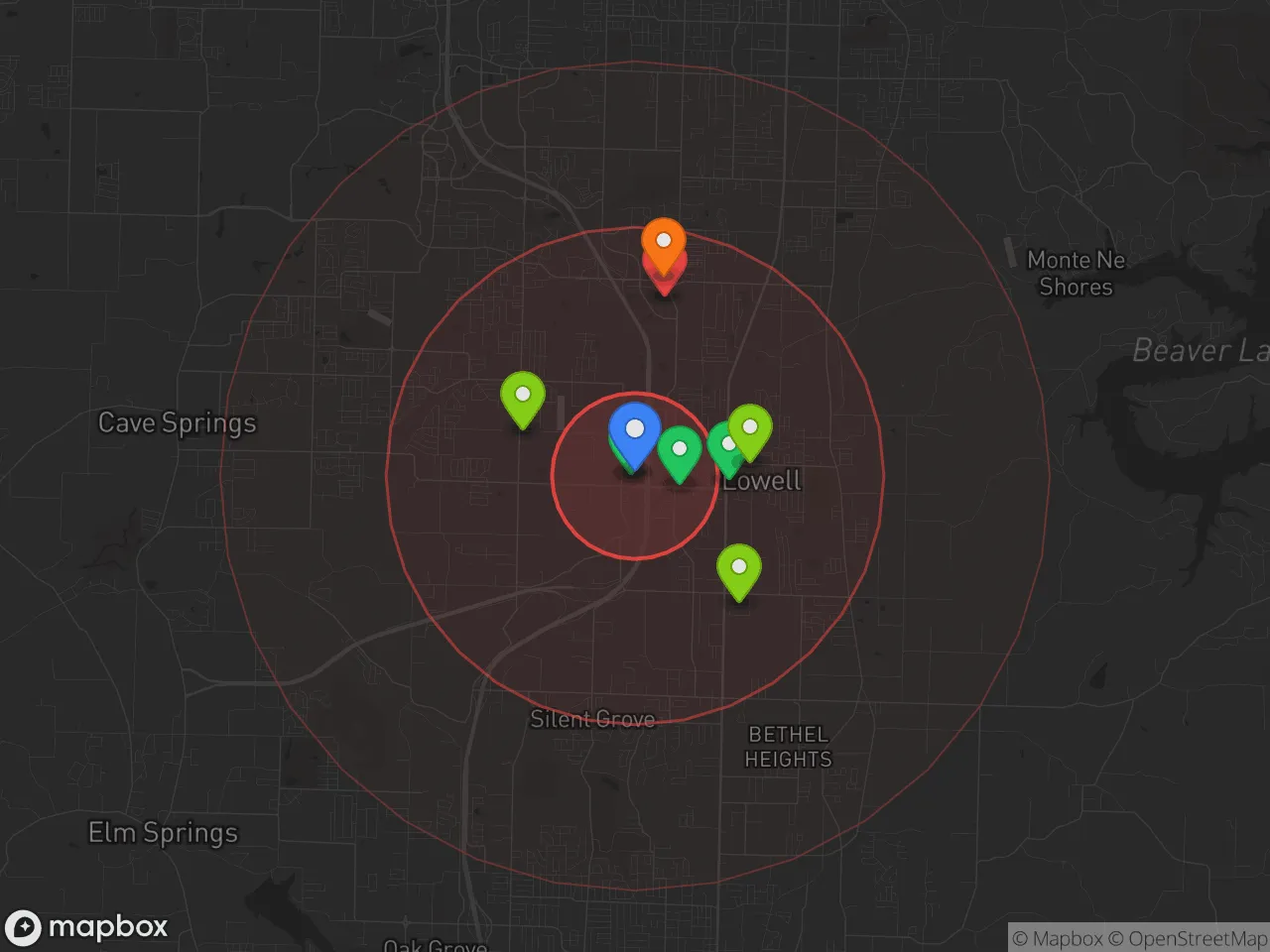
Hobbies
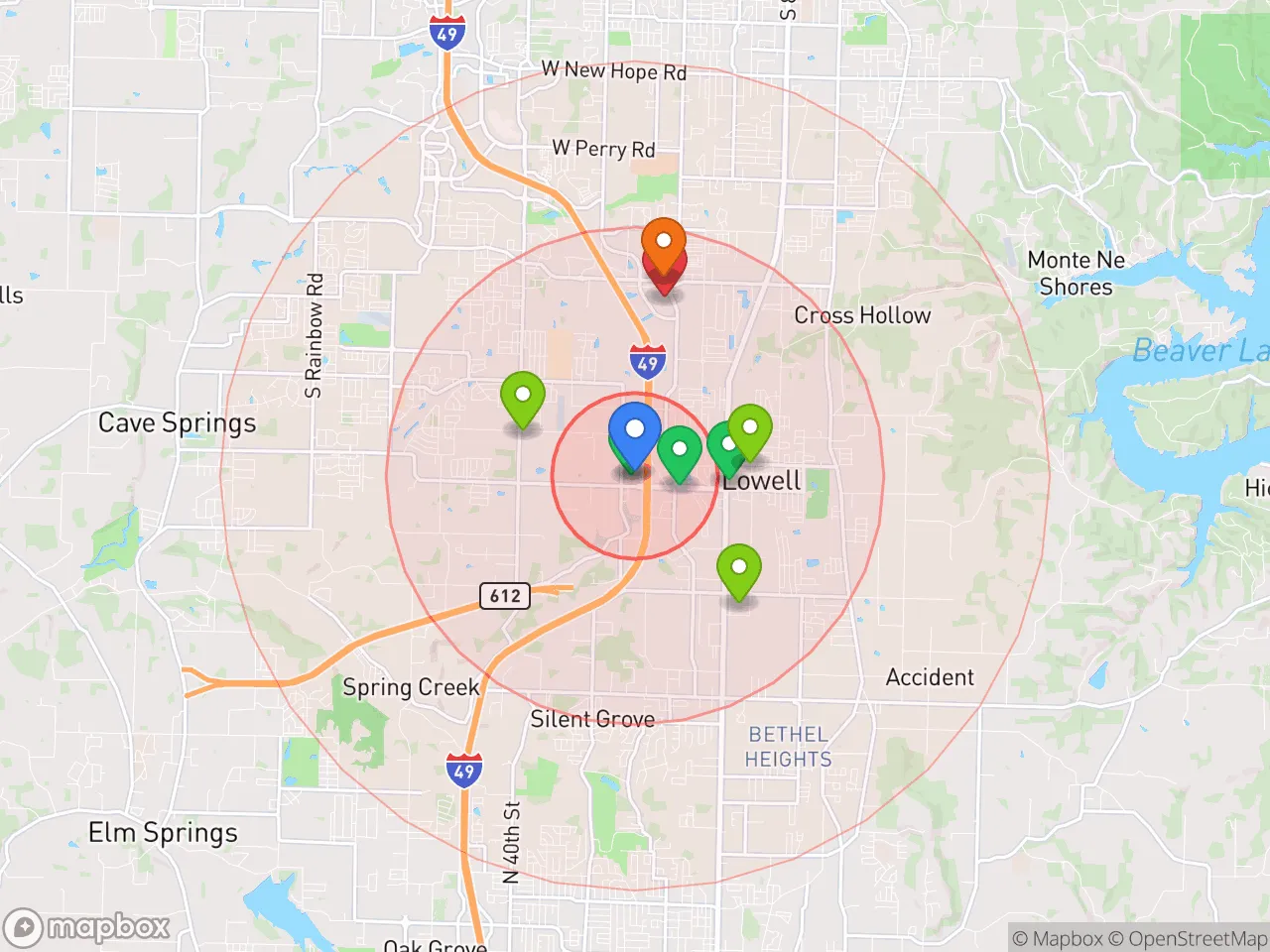
Explore the areaGroceries
5 within 10 miles
Gas
20 within 10 miles
Hospital
15 within 20 miles
Airport
MCI — Kansas City International
Post Office
USPS — Lowell, AR
Critical Amenities
Quality-of-Life Analysis
Lowell, Arkansas, presents a quality of life defined by suburban affluence and rapid growth, attracting a demographic mix of young families, professionals, and retirees drawn to Northwest Arkansas’s economic engine. With a cost of living index of 93 (below the U.S. average of 100), the city offers a tangible financial advantage over pricier regional hubs like Fayetteville and Bentonville, while still providing access to the area’s booming job market and outdoor amenities. The population skews slightly younger and more educated than the state average, reflecting the influence of major employers such as Walmart’s headquarters in nearby Bentonville and the University of Arkansas in Fayetteville.
Cost of living, housing affordability, and how Lowell compares to nearby cities
Lowell’s cost of living is a standout feature, particularly for housing. The median home value sits at $260,100, which is notably lower than Bentonville’s median of roughly $380,000 and Fayetteville’s $320,000, making Lowell a more accessible entry point for homebuyers in the region. Median rent is $1,080, undercutting the $1,300+ averages seen in central Bentonville and downtown Fayetteville. While housing prices have risen sharply since 2020—driven by the broader Northwest Arkansas boom—Lowell remains one of the more affordable options within the corridor. The average commute of 20.6 minutes is slightly longer than Bentonville’s 18-minute average but significantly shorter than the 30+ minute commutes common in outlying towns like Rogers or Springdale, thanks to Lowell’s central position along Interstate 49. Property taxes in Benton County are moderate, around 0.6% of assessed value, which keeps monthly carrying costs manageable compared to neighboring states like Texas or Oklahoma.
What daily life is like: amenities, schools, and the local rhythm
Daily life in Lowell revolves around a blend of small-town convenience and access to regional attractions. The city’s school district, part of the Rogers Public Schools system, includes Lowell Elementary and Kirksey Middle School, both rated above average by the Arkansas Department of Education, with the district overall posting a graduation rate of 89%. For recreation, residents use the nearby Lake Atalanta trail system in Rogers and the Razorback Regional Greenway, a 36-mile paved trail connecting Lowell to Fayetteville, Bentonville, and beyond. The local rhythm is car-dependent but not congested: most errands are a 5-10 minute drive, with grocery stores, chain restaurants, and big-box retail clustered along Highway 264 and I-49. Dining options lean toward fast-casual and family-owned spots like Pizzeria Ruby and Los Arcos Mexican Grill, while nightlife and fine dining require a short drive to Bentonville’s downtown square. The city lacks a major hospital, but Mercy Hospital Northwest Arkansas in Rogers is 10 minutes away. Seasonal events like the Lowell Freedom Festival in July foster community ties, though the area’s rapid growth has introduced some suburban sprawl and traffic during peak hours.
Lowell is best suited for those who prioritize affordability and commute efficiency over urban density or walkability. Young professionals working in Bentonville or Rogers will find the 20-minute drive a fair trade for lower housing costs, while families benefit from solid schools and ample outdoor space. Retirees on fixed incomes may appreciate the below-average cost of living and proximity to medical services. However, those seeking a vibrant nightlife, extensive public transit, or a historic downtown core may find Lowell too quiet or car-centric. For anyone wanting to live in the heart of Northwest Arkansas’s economic growth without paying Bentonville prices, Lowell offers a pragmatic, comfortable balance.

Crime in Lowell, AR
Lower crime rates than 87% of comparable U.S. locations.
Violent CrimeViolent Crime Analysis
Property CrimeProperty Crime Analysis
Crime Analysis
Lowell, Arkansas, reports a violent crime rate of 216.3 incidents per 100,000 residents and a property crime rate of 424.3 per 100,000, placing it below national averages for both categories. These figures suggest a generally safer environment than many comparably sized communities, though the city's proximity to the larger Northwest Arkansas metro area introduces regional crime dynamics that residents should monitor. The overall safety picture is one of moderate risk, with property offenses being the more common concern for most households.
Crime in context
Lowell's violent crime rate is roughly 38% lower than the national average of approximately 380 per 100,000, while its property crime rate sits about 37% below the U.S. figure of roughly 2,500 per 100,000. Compared to the state of Arkansas, which has a violent crime rate near 530 per 100,000, Lowell is significantly safer. However, the city is part of the broader Northwest Arkansas metro area, which includes Fayetteville, Springdale, and Rogers. This region has seen population growth and associated pressures on law enforcement. Progressive judicial policies in larger metro counties can lead to higher recidivism and more offenders on the street, a factor that indirectly affects Lowell as part of the regional justice system. Residents should be aware that lenient sentencing or diversion programs in nearby jurisdictions may increase the pool of criminals active in the area.
What residents experience
Property crime, including theft and burglary, is the most frequent safety issue in Lowell. The rate of 424.3 per 100,000 translates to roughly 1 in 236 residents experiencing a property crime annually, based on the city's population of about 10,000. Violent offenses like assault and robbery are less common but still present. Lowell's police department maintains a visible presence, and community policing initiatives help keep crime numbers manageable. However, the city's location near major highways (Interstate 49 and U.S. 412) makes it a transit point for criminals passing through the region. Residents report feeling safe in most neighborhoods during daylight hours, with concerns rising after dark in areas near commercial corridors or apartment complexes.
Neighborhood-level variation in crime is notable. Areas west of the railroad tracks and closer to the city's historic downtown core tend to have lower crime rates, while newer subdivisions near the Walmart Supercenter and along Pleasant Grove Road see more property crime incidents, likely due to higher traffic and transient populations. The city's annexation of surrounding land in recent years has also brought some rural properties into the municipal police jurisdiction, creating pockets where response times may be longer. For those considering relocation, consulting the Lowell Police Department's annual crime report or speaking with local real estate agents about specific subdivisions is recommended to gauge block-level safety.
* Values derived from national, state, county, city and local statistics and may differ in a specific area. Last updated: 2026-04-30T07:59:41.000Z
Narrative content on this page is AI-generated and may contain mistakes. Verify any details that matter before acting on them.
ReloMaps may earn a commission from affiliate links at no extra cost to you.

