Photo: Wikipedia
Demographics of Maili, HI
Affluence Level in Maili, HI
A middle-class area roughly in line with national averages across income, home values, education, and employment.
People of Maili, HI
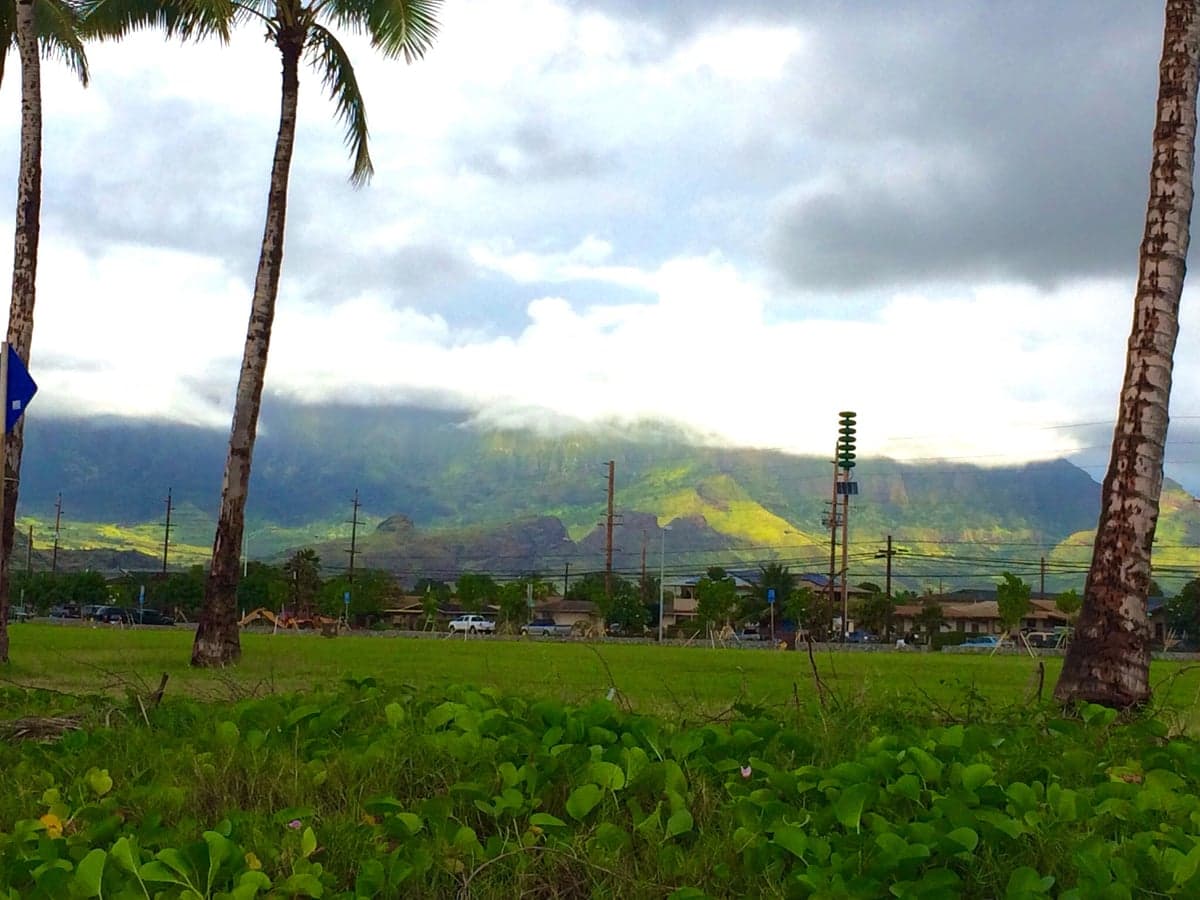
The people of Māʻili, Hawaii, today form a distinctive, working-class community of roughly 12,236 residents on Oʻahu’s leeward coast. The population is notably diverse, with Native Hawaiian and Pacific Islander groups comprising the largest plurality, alongside significant East/Southeast Asian (11.5%) and Hispanic (13.5%) communities, while the White population stands at just 7.9% and the foreign-born share is a low 2.1%. Māʻili retains a strong local identity rooted in plantation-era family networks and a slower pace of life compared to Honolulu, with a relatively low college attainment rate of 20.6% reflecting its blue-collar character. The area feels more like a rural town than a suburb, with a tight-knit, multi-generational feel that newcomers often find either welcoming or insular.
How the city was settled and grew
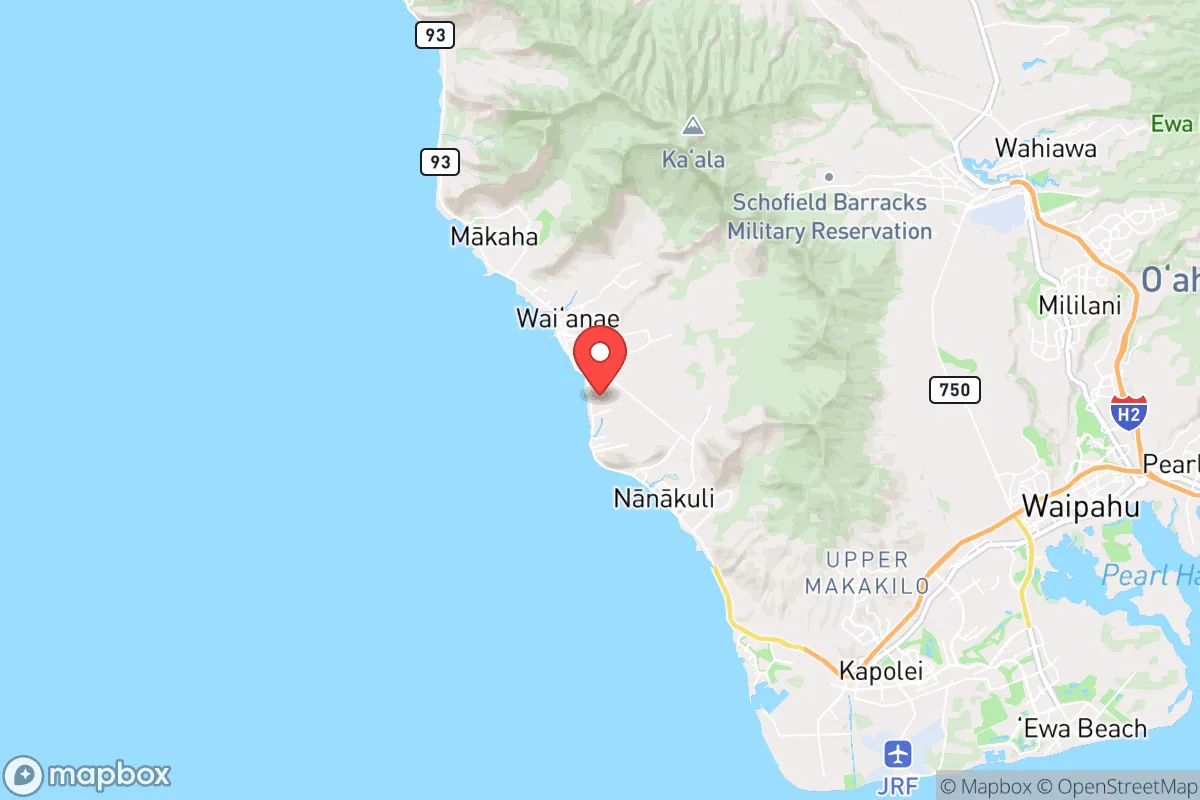
Māʻili’s population history begins not with a city founding but with the ancient Hawaiian ahupuaʻa (land division) system, where native Hawaiians lived in scattered coastal fishing and farming villages. The modern settlement pattern emerged in the late 19th and early 20th centuries when the Oʻahu Railway and Land Company (OR&L) extended rail service to the leeward coast, opening the area to sugarcane plantations. The dominant employer was the Waianae Sugar Company, which drew waves of immigrant laborers: first Portuguese and Japanese workers in the 1900s-1910s, then Filipinos in the 1920s-1930s. These groups established distinct neighborhoods that persist today. Māʻiliʻili, the older coastal core near the beach park, became a mixed Japanese and Filipino settlement, while Māʻili Kai, a newer subdivision inland, was developed in the 1950s-1960s for plantation workers transitioning to other jobs. The plantation era ended by the 1960s, but the ethnic enclaves it created—Japanese in the flats near Farrington Highway, Filipinos in the mauka (mountain) side—remain visible in family surnames and community organizations.
Modern era (post-1965)
The post-1965 period saw dramatic demographic change as the plantation economy collapsed and Māʻili became a bedroom community for military and service workers. The 1965 Immigration Act brought a new wave of Filipino and Samoan immigrants, who settled heavily in Māʻili Uka, the upper inland area where larger lots and lower land prices attracted families seeking space. Native Hawaiian families, displaced from other parts of Oʻahu by rising costs, also moved into Māʻili in large numbers during the 1970s-1980s, concentrating in Māʻili Point and the older beachfront homes. The Hispanic population, now 13.5%, grew primarily from Puerto Rican and Mexican families arriving in the 1990s-2000s for construction and hospitality jobs, settling in the newer subdivisions like Māʻili Valley. The White population, at just 7.9%, is largely composed of military retirees and mainland transplants who bought into the lower-priced leeward market. The East/Southeast Asian share (11.5%) is predominantly Filipino and Japanese, with the Filipino community now the largest Asian subgroup, concentrated in Māʻili Uka and the older plantation-era homes. The Black population (5.4%) is mostly military-affiliated families stationed at nearby Schofield Barracks or Pearl Harbor, living in rental units scattered across the area. The foreign-born share of 2.1% is remarkably low for Hawaii, indicating that most residents are multi-generational locals rather than recent immigrants.
The future
The population of Māʻili is likely to continue its slow, organic growth, but the character is shifting from plantation-era stability toward a more transient, military-influenced mix. The Native Hawaiian and Pacific Islander plurality is expected to remain dominant, as these families have deep roots and lower out-migration rates. The Hispanic share is growing steadily, driven by natural increase and continued migration from the mainland and Puerto Rico, and is likely to reach 15-17% by 2035. The East/Southeast Asian population is plateauing, as younger Filipino and Japanese locals increasingly move to the Honolulu suburbs or the mainland for education and jobs. The White share is stable but aging, with few young families arriving. The most notable trend is the gradual homogenization of the leeward coast: as housing prices in Honolulu push more working-class families west, Māʻili is absorbing a mix of Native Hawaiian, Samoan, and Hispanic households, creating a more pan-Pacific identity rather than distinct ethnic enclaves. The low college attainment rate (20.6%) suggests limited economic mobility, which may keep the area affordable but also limit new in-migration from higher-income groups.
For someone moving in now, Māʻili offers a genuine local Hawaiian community with strong family networks and a slower pace, but it is not a melting pot of newcomers—it is a place where multi-generational roots run deep. The population is becoming more Hispanic and more Pacific Islander, while the Asian and White shares hold steady or decline. New residents should expect to be outsiders for some time, but those who engage with the community through local schools, churches, and beach cleanups will find a welcoming, if reserved, population. The area’s future is one of modest growth and cultural continuity, not rapid change or gentrification.

* Values derived from national, state, county, city and local statistics and may differ in a specific area. Last updated: 2026-04-29T20:10:46.000Z
Narrative content on this page is AI-generated and may contain mistakes. Verify any details that matter before acting on them.
ReloMaps may earn a commission from affiliate links at no extra cost to you.

