Photo: Wikipedia
Find The Best Places To Live
in Maili
PRO TIP! You can paste a Zillow or Redfin link to get info on that property.
What It's Like Living in Maili, HI
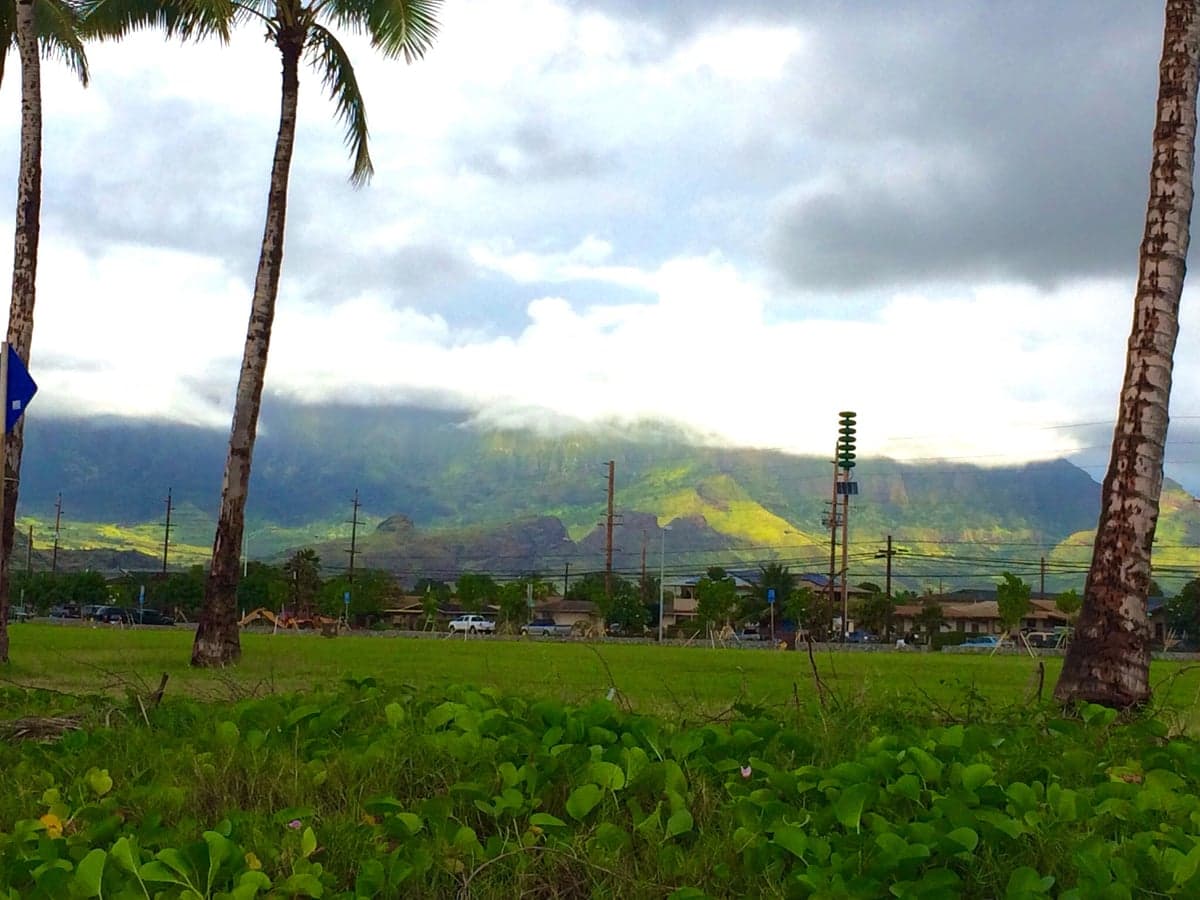
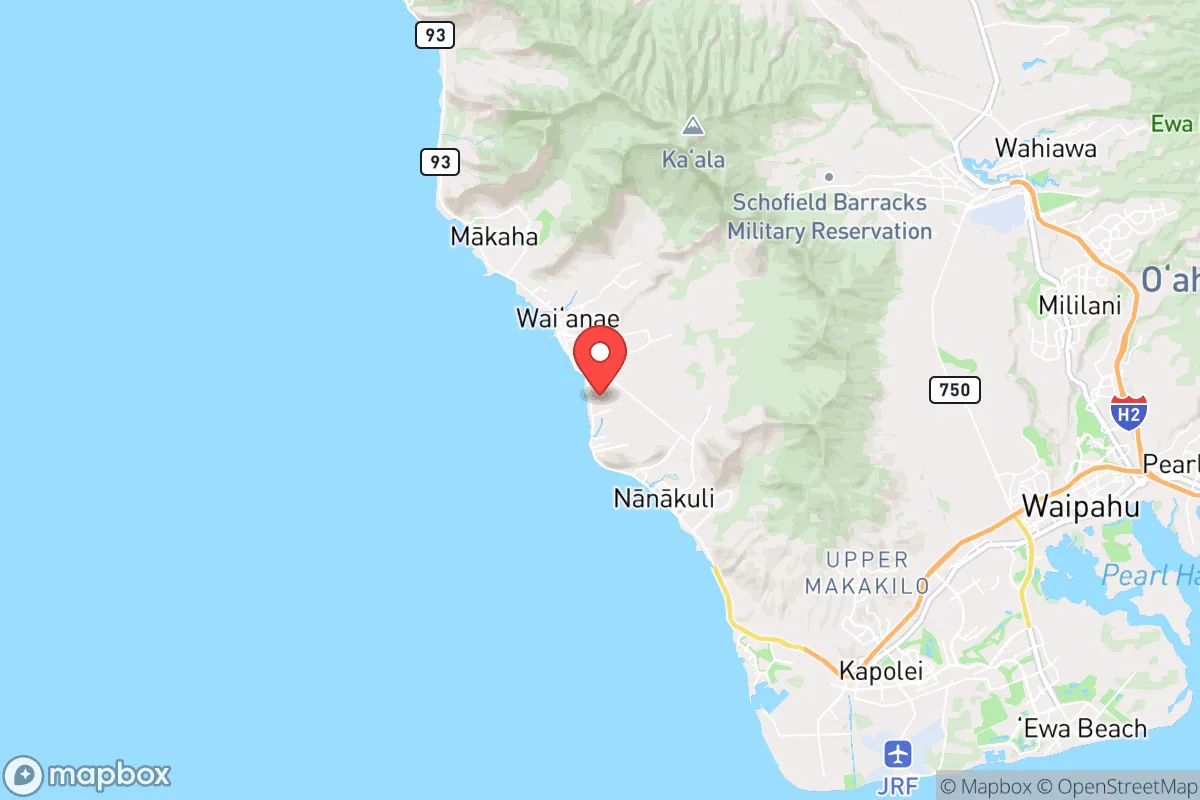
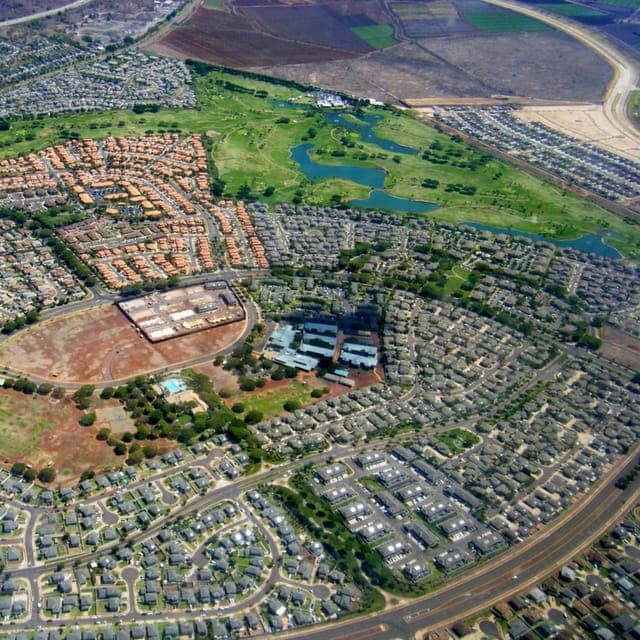
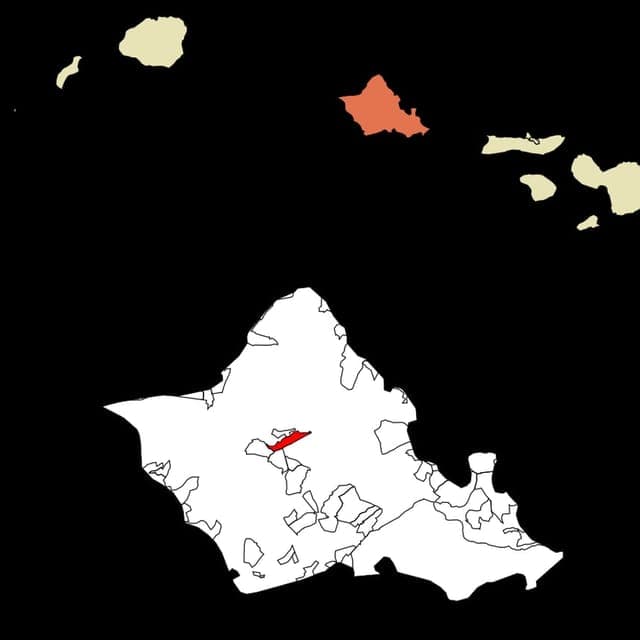
Maili, Hawaii, feels like a place that time forgot in the best possible way—a quiet, working-class beach community on Oahu’s leeward coast where life moves at a slower, more deliberate pace. Unlike the tourist-heavy bustle of Waikiki or the suburban sprawl of Kapolei, Maili is a neighborhood where neighbors know each other by name, kids still play in the street, and the ocean is less a postcard backdrop and more a daily part of life. It’s a community built on family, local pride, and a deep connection to the land and sea, but it also comes with real trade-offs that matter for anyone considering a move here.
Daily Rhythm: What Life Actually Looks Like
Most mornings in Maili start early, often with the sound of waves from Maili Beach Park or the distant hum of traffic on Farrington Highway. The median age here is just 29.9, which means the population skews young—many residents are either starting families or working multiple jobs to make ends meet in one of the most expensive places in the country. The median household income is a surprisingly robust $104,375, but that figure is deceptive: with a cost of living index of 216 (more than double the national average), that six-figure salary doesn’t stretch nearly as far as it would on the mainland. A typical commute to jobs in Kapolei or Honolulu averages 45 minutes each way, so many residents spend a solid hour and a half of their day just getting to and from work.
Weekends are for the beach, plain and simple. Maili Beach Park is the unofficial town square—families set up tents, kids bodyboard in the shore break, and locals fish off the rocks. There are no fancy restaurants or trendy bars here; the social scene is more about pupus (appetizers) at someone’s house, a plate lunch from a local spot like Maili Shrimp Truck or Keneke’s in nearby Waianae, and late-night bonfires. The kind of person who fits in here is someone who values community over convenience, who doesn’t need a nightlife scene, and who is comfortable with a slower, more rural pace of life. It’s not a place for young professionals seeking career advancement or luxury amenities—it’s for people who prioritize family, ocean access, and a tight-knit social fabric over polish and prestige.
Sports, Community, and Local Identity
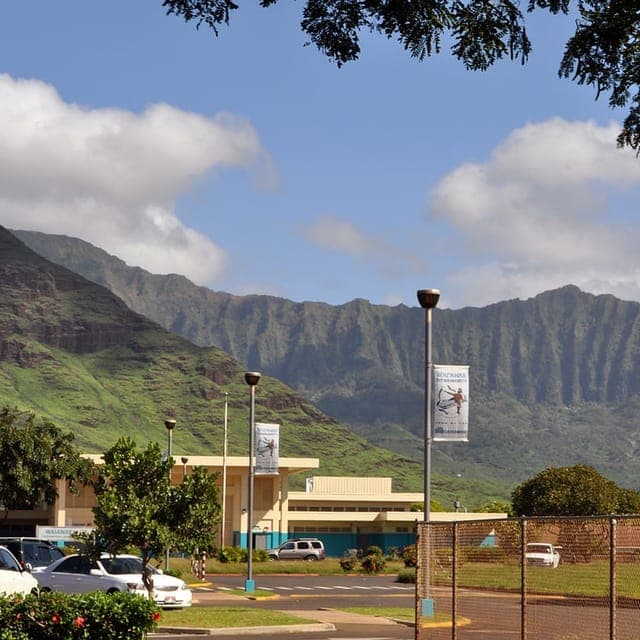
High school sports are the main event in Maili. Waianae High School, just a few miles down the road, is the local powerhouse, and football games on Friday nights draw crowds that rival some mainland college games. The Seariders (Waianae’s team) have a fierce rivalry with Kapolei and Nanakuli, and the energy at those games is electric—it’s one of the few times the whole community comes together in one place. There are no professional sports teams on the leeward coast, and most residents root for the University of Hawaii Warriors or the local high school teams rather than any mainland pro franchise. The community’s identity is deeply rooted in its Hawaiian and Pacific Islander heritage; you’ll see ‘ohana (family) values in everything from how people greet each other to how they share food at community gatherings. The annual Waianae Coast Christmas Parade and the Makaha Sons of Ni‘ihau performances at local events are touchstones that reinforce local pride.
Culturally, Maili is a place where the concept of malama ‘aina (care for the land) is lived, not just talked about. Many families have been here for generations, and there’s a strong sense of stewardship over the coastline and the mountains. That said, it’s also a place with real challenges: the violent crime rate of 200.2 per 100,000 is higher than the national average, and property crime can be an issue, especially car break-ins at beach parks. Longtime residents will tell you that the biggest frustration is the lack of economic opportunity—good jobs are scarce, and many people commute long distances for work that still doesn’t pay enough to keep up with the cost of living.
What’s There to Do—and What’s Not
Outdoor activities are the main draw. Maili Beach Park is the go-to for swimming and sunbathing, but the real gems are a short drive away: Makaha Beach for big-wave surfing in winter, Ka‘ena Point State Park for hiking along the rugged coastline, and Pokai Bay for calm, protected waters perfect for kids. There are no movie theaters, bowling alleys, or shopping malls in Maili itself—for that, you drive 20 minutes to Kapolei, which has a Walmart, Target, and a handful of chain restaurants. Entertainment is DIY: fishing, surfing, hiking, or just hanging out with friends. The only real “nightlife” is the occasional live music at Chun’s Reef in Waialua or a local bar like Poke Stop in Waianae, but it’s low-key and family-friendly rather than clubby.
For families, the local schools—Maili Elementary and Waianae Intermediate—are community anchors, but they face the same challenges as many rural schools: limited resources, high teacher turnover, and a student body where many kids come from low-income homes. The schools are safe and caring, but parents who prioritize academics often look into charter schools or private options in Kapolei or Honolulu. The upside is that kids here grow up with a sense of independence and resilience that’s hard to find in more sheltered suburban environments.
Pros and Cons of Living in Maili
- Pros: Unbeatable ocean access and outdoor lifestyle; strong sense of community and local culture; relatively affordable housing for Oahu (median home value $633,100, compared to $1M+ in Honolulu); slower pace of life away from tourist crowds.
- Cons: Brutal commute (average 45 minutes each way); limited job opportunities and economic mobility; higher crime rates than many mainland suburbs; lack of entertainment, dining, and shopping options; cost of living index of 216 means everyday expenses are steep.
Maili is not for everyone. It’s a place where you trade convenience and career opportunity for a deep connection to the ocean and a community that looks out for its own. If you’re a single person who thrives on nightlife and professional growth, or a parent who wants top-tier schools and after-school activities, this probably isn’t the right fit. But if you’re willing to accept a longer commute, a simpler social life, and a home that costs less than half of what you’d pay in Honolulu, Maili offers something rare: a genuine sense of belonging in a place that still feels like old Hawaii.

Similar towns to Maili
* Values derived from national, state, county, city and local statistics and may differ in a specific area. Last updated: 2026-04-29T20:10:46.000Z
Narrative content on this page is AI-generated and may contain mistakes. Verify any details that matter before acting on them.
ReloMaps may earn a commission from affiliate links at no extra cost to you.

