Photo: Wikipedia
Personal Sovereignty in Maili, HI
Moderate friction. Expect trade-offs in some aspect of personal liberty and independence.
What does Personal Sovereignty tell us?
Personal Sovereignty measures your capacity for self-reliance and independence with minimal government friction. Higher scores mean fewer barriers between you and the way you want to live... but it assumes you have the space you need and good neighbors.
What does this tell us?
Personal Sovereignty measures your capacity for self-reliance and independence with minimal government friction. Higher scores mean fewer barriers between you and the way you want to live... but it assumes you have the space you need and good neighbors.
State Policy
Energy independence: Importer (2% of energy produced in-state)
Personal Liberty
Homesteading

Personal Liberty Analysis
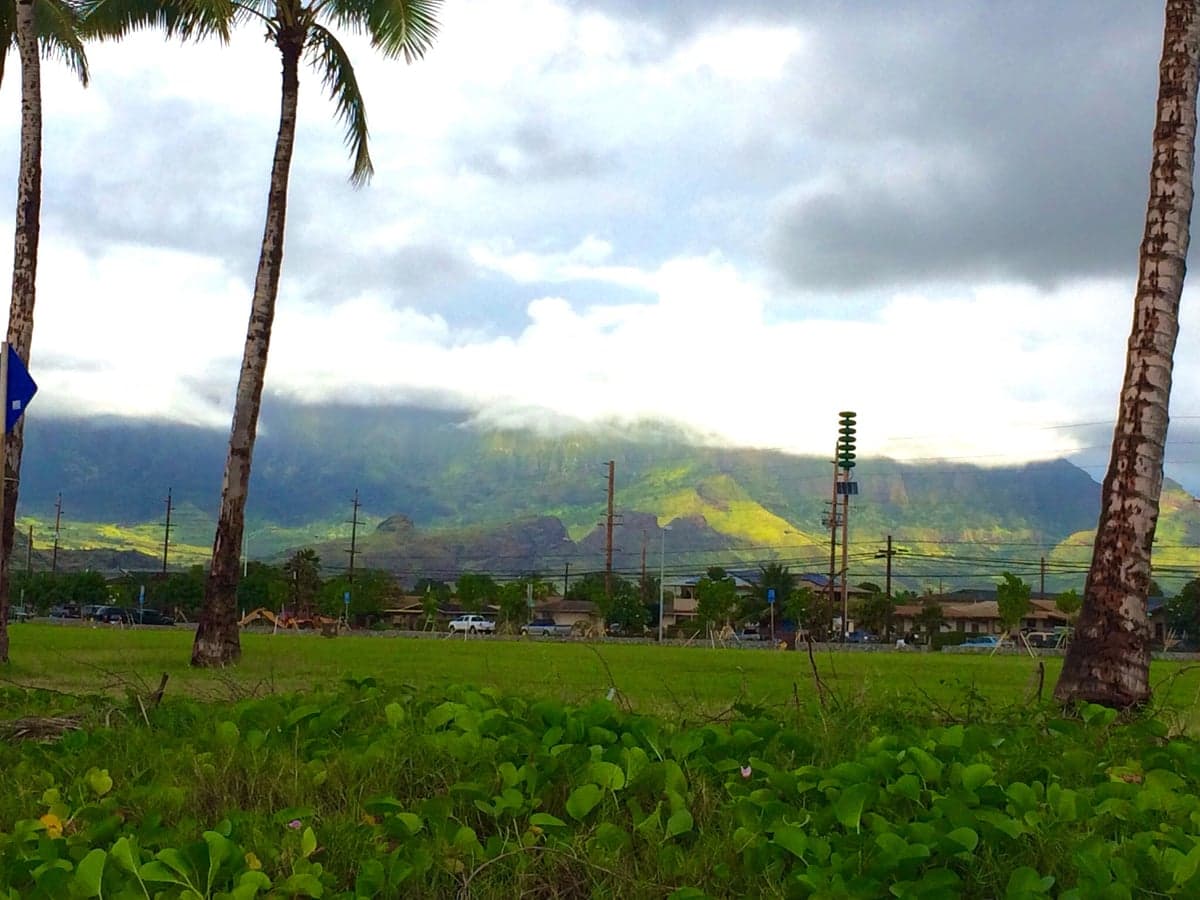
For the liberty-minded individual or family evaluating Maili, Hawaii, the personal sovereignty picture is a study in stark trade-offs. The natural beauty and relative isolation of this Leeward Oahu community offer a genuine escape from the mainland's density and pace, but the state's heavy-handed regulatory apparatus and deep-blue political culture impose significant constraints on self-determination. A prepper or survivalist will find the climate and remoteness appealing, but must navigate a legal landscape that actively discourages self-reliance, from restrictive gun laws to prohibitive building codes and a tax burden that funds expansive government programs. In short, Maili provides a beautiful cage—one where personal autonomy is constantly negotiated against state power.
Tax burden and regulatory posture: How Hawaii's fiscal and legal climate affects your freedom
Hawaii's tax posture is among the most aggressive in the nation, and Maili residents feel it directly. The state levies a general excise tax (GET) of 4% on nearly all goods and services, including groceries and rent, which effectively functions as a hidden sales tax that compounds at every transaction level. There is no local income tax, but the state's progressive income tax tops out at 11% on income over $200,000, and property taxes, while relatively low at roughly 0.3% of assessed value, are paired with some of the highest homeowners insurance costs in the country due to hurricane risk. For a prepper focused on financial sovereignty, this means every dollar earned and spent is heavily taxed, reducing the capital available for land, supplies, and self-sufficiency projects. The regulatory environment is equally burdensome: Hawaii's land use commission and county zoning boards exert near-total control over property, making it extremely difficult to build new structures, add accessory dwelling units, or change land use without years of permitting and public hearings. This top-down control directly undermines the ability to develop a self-reliant homestead, as even minor improvements can trigger costly compliance battles.
Self-defense and gun law specifics: What you need to know about carrying and owning firearms in Maili
For the survivalist, Hawaii's gun laws are among the most restrictive in the United States, and Maili offers no refuge from state mandates. The state requires a permit to acquire any firearm, a process that includes a background check, fingerprinting, and a 14-day waiting period. Open carry is effectively banned, and concealed carry permits are issued only on a "may-issue" basis, meaning local police chiefs have broad discretion to deny applications—and in practice, very few permits are granted outside of security professionals. Magazine capacity is limited to 10 rounds, and assault pistols are banned by name. For a prepper, this means the ability to defend your home or property with standard-capacity firearms is legally curtailed. Ammunition purchases also require a permit, and online sales are prohibited, forcing residents to rely on local dealers with limited stock. The state's stance on self-defense is further constrained by a "duty to retreat" law in most circumstances, meaning you cannot use deadly force unless you are in your home and facing imminent threat of death or great bodily harm. In a survival scenario, these legal restrictions could prove fatal, as the state's legal framework prioritizes government control over individual readiness.
Self-reliance and homesteading viability: Lot sizes, zoning, and off-grid feasibility in Maili
Maili's semi-rural character on Oahu's west side offers more land than typical Honolulu neighborhoods, but homesteading remains a legal and logistical challenge. Typical residential lots range from 5,000 to 10,000 square feet, with some larger agricultural parcels available in the nearby Waianae Valley. However, county zoning codes strictly limit the types of structures and activities allowed. Raising livestock like chickens or goats is permitted on lots over 5,000 square feet, but requires permits and adherence to setback and noise ordinances. Off-grid living is legally difficult: Hawaii requires all new homes to be connected to the electrical grid, and rainwater catchment systems, while common in rural areas, must meet strict health department standards for potable water. Solar panels are allowed, but net metering policies have been revised to reduce payouts, making energy independence less economically viable. Composting toilets and greywater systems are permitted only with expensive engineered designs and inspections. For a prepper seeking true self-reliance, the regulatory gauntlet means that even basic homesteading activities—like keeping bees, building a root cellar, or installing a backup generator—require navigating a thicket of permits, fees, and inspections that erode the very autonomy you're trying to build.
Personal liberties: Parental rights, medical autonomy, speech, and property in Maili
Hawaii's progressive governance extends deeply into personal liberties, and Maili residents must contend with a state that actively limits parental and medical autonomy. Hawaii mandates comprehensive sex education in public schools, including LGBTQ+ content, with no parental opt-out for specific lessons. Vaccine mandates for school attendance are strict, and during the COVID-19 pandemic, the state imposed some of the nation's longest-lasting travel restrictions and quarantine orders, including for inter-island travel. Medical autonomy is further constrained by the state's single-payer healthcare push and strict scope-of-practice laws that limit who can prescribe or compound medications—a concern for preppers who rely on stockpiling or alternative treatments. Free speech is constitutionally protected, but the state's anti-discrimination laws and hate speech statutes create a legal environment where expressing certain political or religious views can lead to civil liability or professional consequences. Property rights are heavily circumscribed by the state's land use commission, which can designate land for conservation or agricultural use without compensation, and by strict shoreline setback laws that prevent building near the coast. For the liberty-minded individual, these constraints mean that even basic decisions about your children's education, your own medical care, and the use of your land are subject to government approval and oversight.
Overall, Maili offers a unique but compromised sovereignty environment. The island's isolation and natural resources provide a genuine buffer from mainland chaos, and the tight-knit community can foster mutual aid networks that are essential for preppers. However, the state's tax burden, gun restrictions, and regulatory chokehold on land use and personal decisions make it a poor choice for those seeking maximum autonomy. Compared to a place like rural Texas or Idaho, where property rights, gun laws, and tax policies are far more aligned with self-reliance, Maili represents a trade-off: you gain a beautiful, remote location but lose significant control over your own life. For a survivalist willing to work within the system and build relationships with like-minded locals, it's possible to carve out a degree of freedom, but the state's heavy hand is always present. If your priority is maximum personal sovereignty, look elsewhere; if you value the unique environment and are prepared to navigate constant legal friction, Maili can work—but only with eyes wide open.

* Values derived from national, state, county, city and local statistics and may differ in a specific area. Last updated: 2026-04-29T20:10:46.000Z
Narrative content on this page is AI-generated and may contain mistakes. Verify any details that matter before acting on them.
ReloMaps may earn a commission from affiliate links at no extra cost to you.

