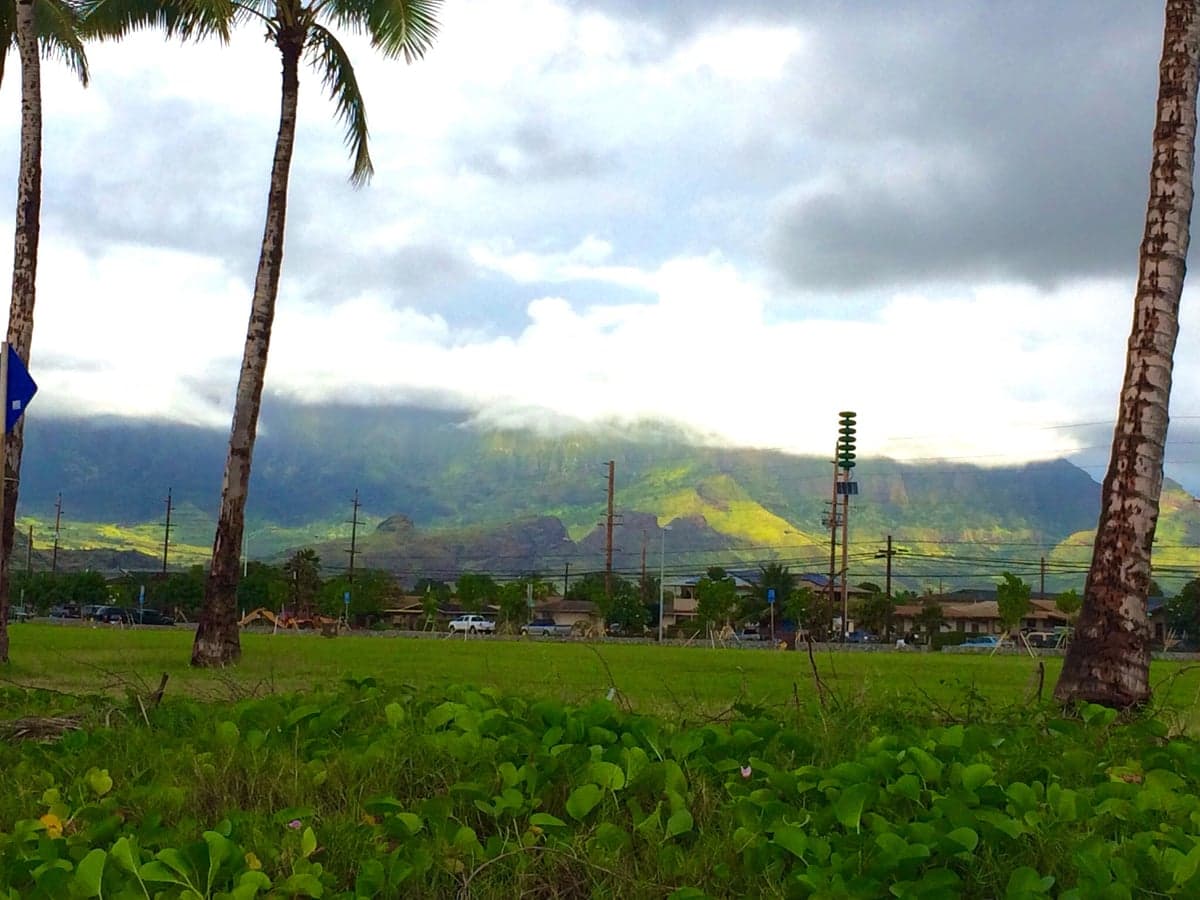
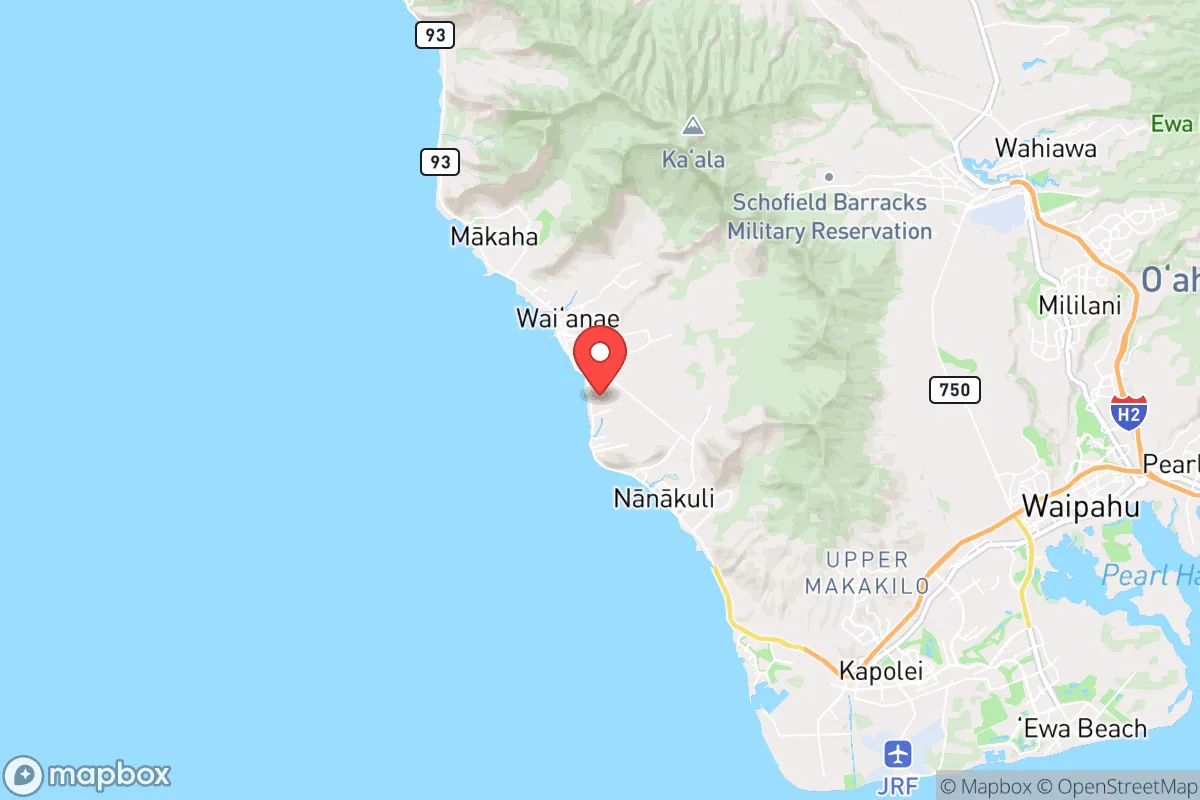
Photo: Wikipedia
Quality of Life in Maili, HI
A high quality of life with strong walkability, manageable living costs, healthy neighborhood signals, and solid amenity access.
What does Quality of Life tell us?
Quality of Life blends cost of living, nearby amenities, socioeconomic signals, and neighborhood character. City-level scores represent the whole municipality; individual neighborhoods can differ.
What does this tell us?
Quality of Life blends cost of living, nearby amenities, socioeconomic signals, and neighborhood character. City-level scores represent the whole municipality; individual neighborhoods can differ.
Cost of Living
116% above national average
The Real Cost of Living in Maili, HI for 2026
| Tier | Individual | Family (4) |
|---|---|---|
| Survival | $28k | $52k |
| Comfortable | $78k | $115k |
| Luxury | $114k+ | $177k+ |
| Elite (Top 5%) | $134k+ | $208k+ |
91%
The Area Signal
A metric tracking the socioeconomic signals of the area.
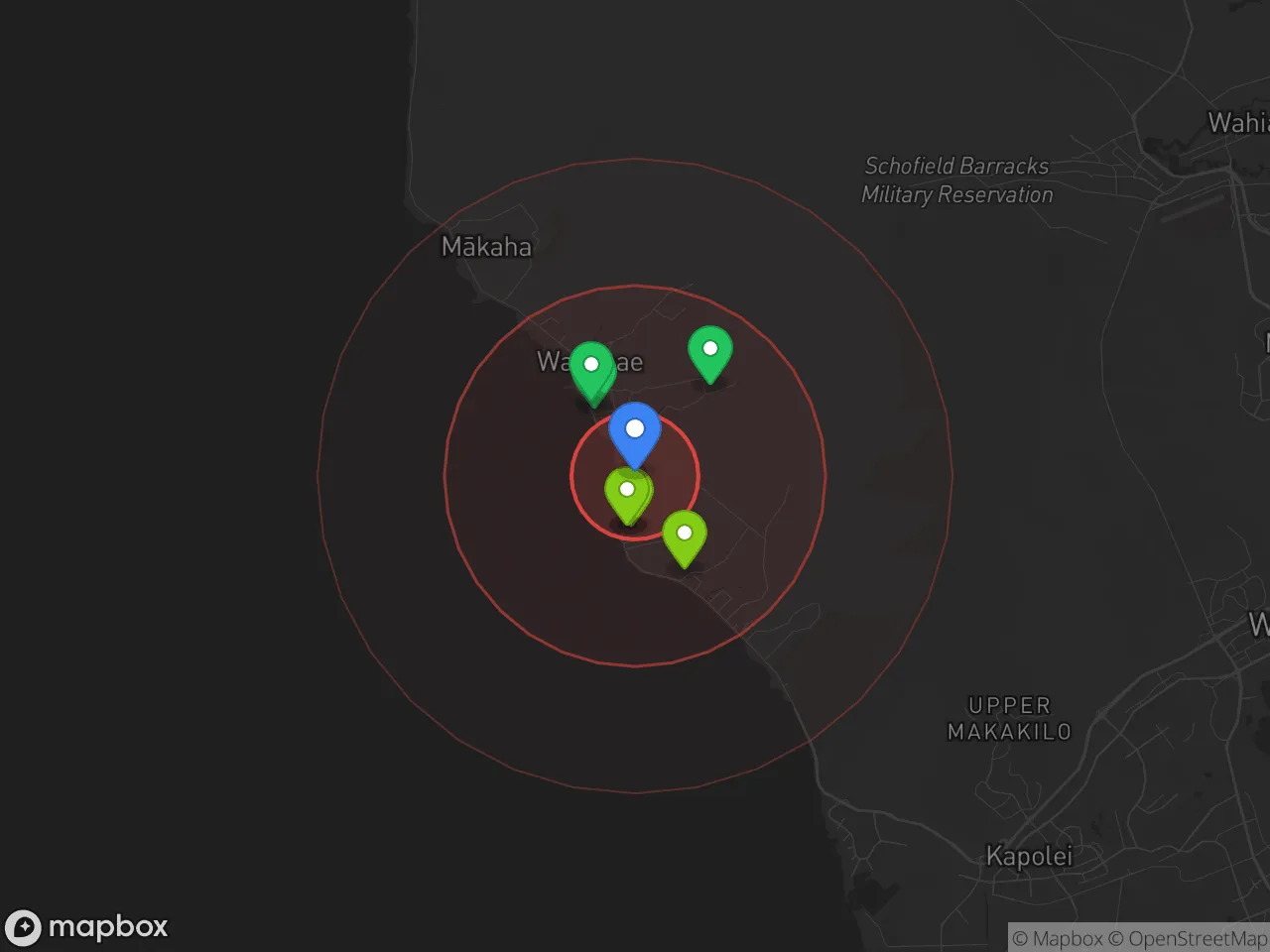
Hobbies
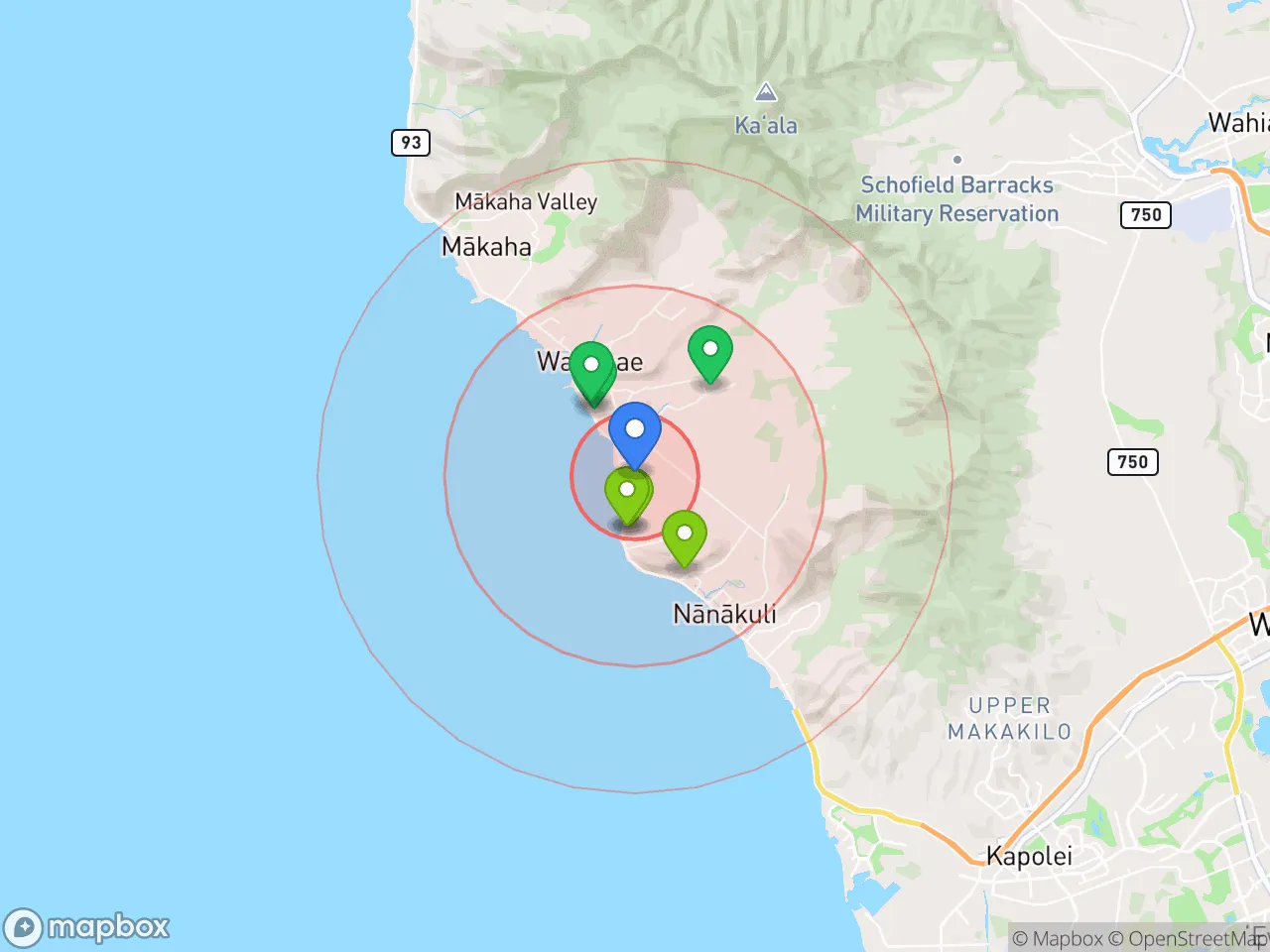
Explore the areaGroceries
3 within 10 miles
Gas
18 within 10 miles
Hospital
7 within 20 miles
Airport
Daniel K. Inouye International Airport
Post Office
USPS — Mililani, HI
Critical Amenities
Quality-of-Life Analysis
Maili, a census-designated place on Oahu's leeward coast, presents a quality of life defined by its rural character and high cost of living, attracting a mix of multi-generational Hawaiian families and commuters who trade urban amenities for more space and a slower pace. With a cost of living index of 216—more than double the national average—the area is not affluent in the sense of luxury, but rather reflects the premium placed on living in a less dense, agricultural-residential zone within the Honolulu metro region. Residents here tend to be long-established locals, many working in trades, education, or county government, who prioritize community ties and ocean proximity over the nightlife and job density of downtown Honolulu.
Cost of living, housing affordability, and how Maili compares to nearby areas
Maili’s cost of living is driven almost entirely by housing, with a median home value of $633,100 and a median rent of $2,442—figures that are roughly 10-15% lower than comparable neighborhoods in Kapolei or Ewa Beach, but still far above the national median. For context, a household earning the area’s median income of about $85,000 would spend roughly 35% of gross income on a mortgage at current rates, a ratio that is manageable for dual-income families but tight for single earners. Renters face even steeper pressure: the $2,442 median rent consumes over 50% of the typical renter’s pre-tax income, pushing many into shared housing or multi-generational arrangements. Compared to Waianae, the next community west, Maili is slightly pricier due to newer subdivisions and better access to the H-1 freeway, but it remains one of the more affordable coastal options within a 45-minute commute of downtown Honolulu.
Local amenities, schools, and what daily life is like in Maili
Daily life in Maili revolves around a handful of local anchors: Maili Beach Park, the Maili Community Center, and the small commercial strip along Farrington Highway that includes a grocery store, pharmacy, and local eateries. The area lacks a full-service hospital (the nearest is Wahiawa General, 20 minutes away) and has no major shopping mall, so most errands require a drive to Kapolei’s Ka Makana Alii complex or Waipahu. Public schools are zoned to Maili Elementary (rated 4/10 on GreatSchools) and Waianae High School (rated 3/10), which leads many families to consider charter or private options like Kamaile Academy or St. Joseph’s in Waipahu. The average commute of 45 minutes is a defining feature of life here—most residents travel east on the H-1 to jobs in Honolulu, Pearl Harbor, or the airport, meaning early departures and a car-dependent lifestyle are non-negotiable. On weekends, the pace slows dramatically, with families filling the beach parks for fishing, paddling, and community potlucks.
Maili is best suited for families and individuals who value a tight-knit, rural community atmosphere and are willing to accept a long commute and limited retail options in exchange for lower housing costs relative to central Honolulu. It is less ideal for young professionals seeking walkable nightlife or for retirees who need frequent medical access, as the area’s healthcare and transit infrastructure remain thin. For those who prioritize ocean access, extended family living, and a slower daily rhythm, Maili offers a grounded, affordable foothold on Oahu’s west side—provided the commute and cost realities are fully understood upfront.

Crime in Maili, HI
Generally safer than 64% of comparable U.S. locations.
Violent CrimeViolent Crime Analysis
Property CrimeProperty Crime Analysis
Crime Analysis
Maili, a small community on Oahu's Waianae Coast, reports a violent crime rate of 200.2 incidents per 100,000 residents and a property crime rate of 1,586.9 per 100,000. These figures place Maili in a challenging safety position relative to both state and national averages, with property crime being a particular concern. The area's proximity to Honolulu and its status as part of a large metro region means it is subject to the same systemic pressures that affect many urban-adjacent communities in Hawaii.
Crime in context
Maili's violent crime rate of 200.2 per 100,000 is notably higher than Hawaii's statewide average of roughly 150 per 100,000 and sits well above the national average of approximately 380 per 100,000. However, the property crime rate of 1,586.9 per 100,000 is significantly elevated compared to both the state average (around 2,200 per 100,000) and the national average (about 1,950 per 100,000). This means residents face a disproportionately high risk of burglary, theft, and vehicle break-ins. The data suggests that while violent incidents are less frequent than in many mainland cities, property crime is a persistent and above-average problem for the community.
What residents experience
Daily life in Maili is shaped by the tangible reality of property crime. Residents commonly report securing vehicles, avoiding leaving packages on porches, and relying on neighborhood watch networks. The high property crime rate is a direct consequence of broader systemic issues. Hawaii's justice system, particularly in Honolulu County, has been influenced by progressive prosecutorial policies and judicial leniency that prioritize rehabilitation and diversion programs over incarceration. While intended to reduce recidivism, these policies often result in repeat property offenders cycling through the system without meaningful consequences. This creates a perception—and a statistical reality—that property crimes carry low risk for perpetrators, directly contributing to the elevated rates seen in Maili. For victims, the experience is one of frustration, as stolen property is rarely recovered and offenders face minimal accountability.
Neighborhood-level variation within Maili is significant. Areas closer to the coast and along Farrington Highway, the main arterial, tend to experience higher rates of vehicle break-ins and theft from yards. In contrast, the more residential pockets inland, particularly near Mailiilii Road, see lower incident rates but still face the same systemic challenges. Proximity to the Waianae Mall and the Maili Beach Park area correlates with higher reported property crime, likely due to increased foot traffic and transient populations. Residents in these zones often invest in security cameras and reinforced locks as a matter of routine, reflecting a community that has adapted to a persistent, policy-driven crime environment.
* Values derived from national, state, county, city and local statistics and may differ in a specific area. Last updated: 2026-04-29T20:10:46.000Z
Narrative content on this page is AI-generated and may contain mistakes. Verify any details that matter before acting on them.
ReloMaps may earn a commission from affiliate links at no extra cost to you.

