
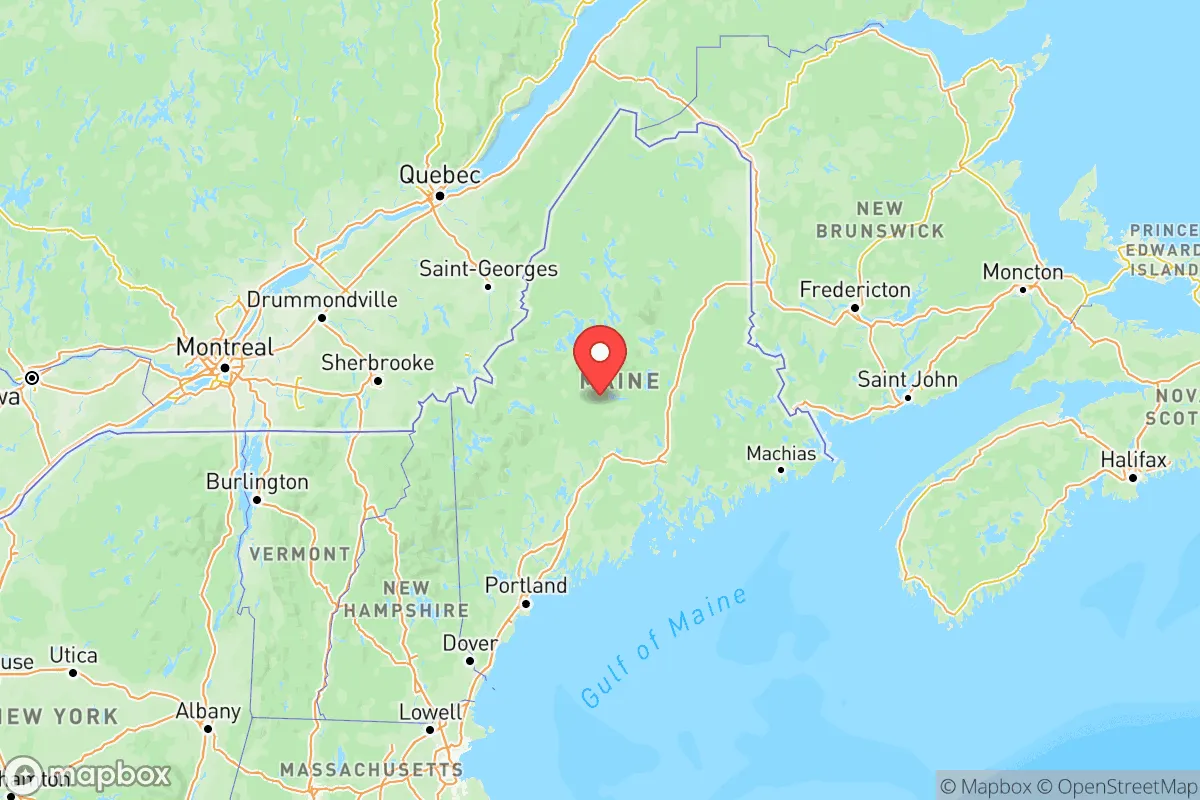
Quality of Life in Maine
A livable area that tracks near national norms for affordability, walkability, and neighborhood health.
What does Quality of Life tell us?
Quality of Life measures an area by evaluating factors like cost of living, nearby amenities, country club access, airport proximity, socioeconomic signals and neighborhood character. For large states, this is a general average — quality of life can vary dramatically between metro areas, suburbs, and rural communities within the same state.
What does this tell us?
Quality of Life measures an area by evaluating factors like cost of living, nearby amenities, country club access, airport proximity, socioeconomic signals and neighborhood character. For large states, this is a general average — quality of life can vary dramatically between metro areas, suburbs, and rural communities within the same state.
Cost of Living
6% below national average
94%
The Real Cost of Living in Maine for 2026
| Tier | Individual | Family (4) |
|---|---|---|
| Survival | $17k | $33k |
| Comfortable | $52k | $76k |
| Luxury | $130k+ | $201k+ |
| Elite (Top 5%) | $153k+ | $238k+ |
Quality-of-Life Analysis
Maine offers a remarkably broad spectrum of quality-of-life options, from dense urban centers to remote coastal villages and deep-forest homesteads, each attracting a distinct type of resident. The state’s overall cost of living index of 94 (100 is the U.S. average) and median home value of $266,400 mask a wide spread: Portland’s housing market is among the most expensive in New England, while rural Aroostook County offers some of the cheapest real estate in the Northeast. The average commute of 24.4 minutes is manageable statewide, but daily life varies dramatically depending on whether you choose a walkable city neighborhood, a college town, or a lakeside cabin.
Major metros
If you are looking for urban living, Maine has one true major metro: Portland, the state’s economic and cultural hub. Portland is a compact, walkable city of roughly 68,000 residents (metro area ~550,000) with a nationally recognized food scene, a working waterfront, and a growing tech and creative-services sector. Its median home value is well above the state average, often exceeding $500,000, and rents are correspondingly high. The vibe is progressive, bike-friendly, and dense by Maine standards, attracting young professionals, remote workers, and empty-nesters who want city amenities without a Boston price tag. The only other city approaching metro scale is Lewiston-Auburn, a twin-city area with a more industrial, working-class character, a growing immigrant community, and significantly lower housing costs than Portland. Lewiston-Auburn appeals to those seeking urban services—hospitals, colleges, retail—at a more affordable entry point.
Mid-size cities & college towns
Maine’s mid-size cities and college towns offer a balance of amenities, culture, and affordability that many residents find ideal. Bangor, the largest city east of Portland, serves as the commercial and medical hub for northern and eastern Maine, with a median home value around $200,000 and a laid-back, family-oriented atmosphere. Augusta, the state capital, is smaller and quieter, with state government as the primary employer and a cost of living below the state average. Brunswick, home to Bowdoin College, offers a walkable downtown, a strong arts scene, and a commuter rail connection to Portland, making it popular with academics and professionals. Orono, adjacent to Bangor and home to the University of Maine, is a classic college town with a young, transient population, affordable rentals, and a lively calendar of cultural and sporting events. Waterville, anchored by Colby College, has seen a downtown revitalization in recent years, attracting visitors and new residents with its renovated opera house and riverfront park.
Small towns & rural areas
Small towns and rural areas define much of Maine’s character, offering a slower pace, lower costs, and direct access to the outdoors. Camden and Rockland on the midcoast are picturesque harbor towns with a strong tourism economy, art galleries, and sailing culture; they are relatively expensive but offer a quality of life centered on the ocean. Belfast, further up the coast, has become a magnet for organic farmers, artists, and retirees seeking a progressive community in a rural setting. Inland, Rangeley and Greenville are gateway towns to the Moosehead Lake region, popular with hunters, anglers, and snowmobilers who value solitude and wilderness. Fort Kent and Caribou in Aroostook County are among the most affordable places in the state, with median home values often below $150,000, but they endure long, harsh winters and are far from major employment centers. These areas attract self-sufficient individuals, outdoor enthusiasts, and those willing to trade convenience for space and quiet.
Luxury vs. affordable living
The luxury tier in Maine is concentrated along the southern coast and around certain lakes. Kennebunkport, Camden, and Northeast Harbor on Mount Desert Island are wealthy enclaves where waterfront properties routinely exceed $1 million, and seasonal residents include high-profile business leaders and celebrities. Falmouth and Cape Elizabeth, suburbs of Portland, offer top-rated schools, large lots, and median home values above $600,000, attracting affluent families and executives. At the other end of the spectrum, Sanford and Biddeford in York County offer median home values around $250,000 and are seeing reinvestment as former mill towns. Dover-Foxcroft and Lincoln in the central interior have median home values under $180,000 and very low rents, appealing to first-time buyers and those on fixed incomes. The median rent statewide is $1,084, but in Portland it can exceed $1,800 for a one-bedroom, while in rural Piscataquis County a similar unit might rent for $700.
The practical reality is that Maine offers a genuine choice of lifestyles, but each comes with trade-offs. Portland and its suburbs provide urban amenities, cultural density, and strong job markets at a high housing cost. Mid-size cities and college towns offer a middle ground of walkability, community, and affordability. Small towns and rural areas deliver space, nature, and low costs but require self-reliance, a tolerance for long drives, and acceptance of limited services. The cost-of-living spread across the state is extreme: a home in Northeast Harbor can cost ten times what a comparable home in Fort Kent costs, and the same dollar goes much further in Aroostook County than on the coast. The key is matching your priorities—career, climate tolerance, social scene, outdoor access—to the specific region that fits, rather than expecting any single place to offer everything.

Crime in Maine
Lower crime rates than 81% of comparable U.S. locations.
Violent CrimeViolent Crime Analysis
Property CrimeProperty Crime Analysis
Crime Analysis
Maine is consistently ranked among the safest states in the U.S., with a violent crime rate of 93.7 per 100,000 residents and a property crime rate of 948.4 per 100,000 — both well below national averages. However, safety varies significantly across the state, with rural and coastal communities generally experiencing lower crime than the state's small urban centers. The state's overall safety profile is bolstered by low population density and strong community policing, but recent trends in certain cities warrant attention from prospective residents.
Crime in context
Maine's violent crime rate of 93.7 per 100,000 is roughly one-third the national average, placing it among the five safest states in the country for violent offenses. Property crime, at 948.4 per 100,000, is also significantly below the U.S. rate of approximately 1,954 per 100,000. These figures reflect a state where serious crime remains relatively rare, though property offenses like theft and burglary are more common in population centers. Portland, the state's largest city, reports violent crime rates around 300 per 100,000 — still below many comparably sized cities nationally but notably higher than the state average. Lewiston and Auburn, the twin cities in Androscoggin County, have seen property crime rates exceed 2,000 per 100,000 in recent years, driven largely by theft and vehicle break-ins. In contrast, communities like Falmouth, Cumberland, and Yarmouth consistently report violent crime rates below 50 per 100,000, making them among the safest suburbs in New England.
What residents experience
For most Mainers, crime is not a daily concern. The state's rural character means many residents leave doors unlocked and enjoy a high degree of personal security. However, property crime — particularly theft from vehicles and sheds — is the most common offense residents encounter, especially in tourist-heavy areas like Bar Harbor, Kennebunkport, and Old Orchard Beach, where seasonal population surges create opportunities for theft. Bangor, the third-largest city, has struggled with drug-related property crime, though its violent crime rate remains moderate. A growing concern among residents is the impact of progressive criminal justice policies in Cumberland County, which includes Portland and its suburbs. The county's district attorney has emphasized diversion programs and reduced incarceration for nonviolent offenders, a philosophy that critics argue has contributed to a rise in repeat property offenses and a perception that consequences are minimal. In contrast, more conservative counties like Oxford and Washington maintain stricter sentencing practices, and residents there report feeling that the justice system is more responsive to victims. The disparity in judicial philosophy between urban and rural districts is a key factor in how safe residents feel day-to-day.
Neighborhood-level variation is pronounced in Maine's small cities. In Portland, the Parkside and Bayside neighborhoods see higher rates of theft and drug activity, while the West End and Munjoy Hill remain very safe. Lewiston's downtown and Lisbon Street corridor have higher crime concentrations, while the city's residential outskirts are quiet. Augusta, the state capital, experiences moderate property crime but very low violent crime, making it a generally safe option for families. For those prioritizing maximum safety, the coastal towns of Camden, Rockport, and Boothbay Harbor offer extremely low crime rates, though at a higher cost of living. Prospective residents should research specific neighborhoods and consider the local district attorney's track record, as progressive prosecution policies in some jurisdictions have led to increased recidivism and a diminished sense of public safety.
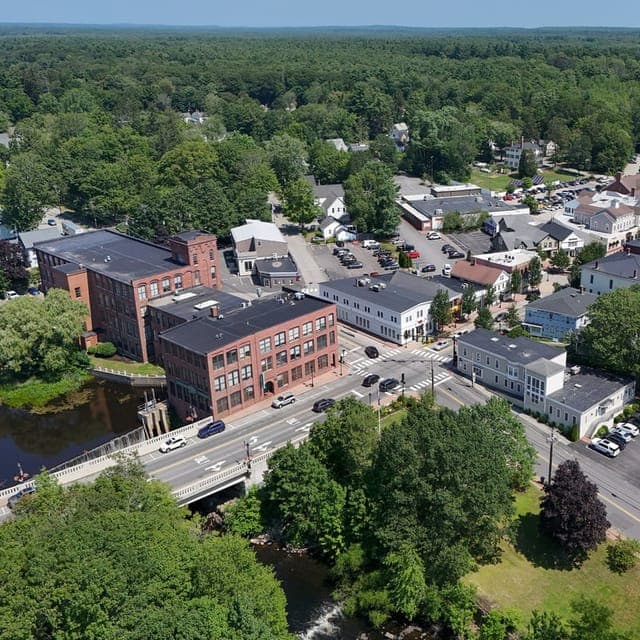
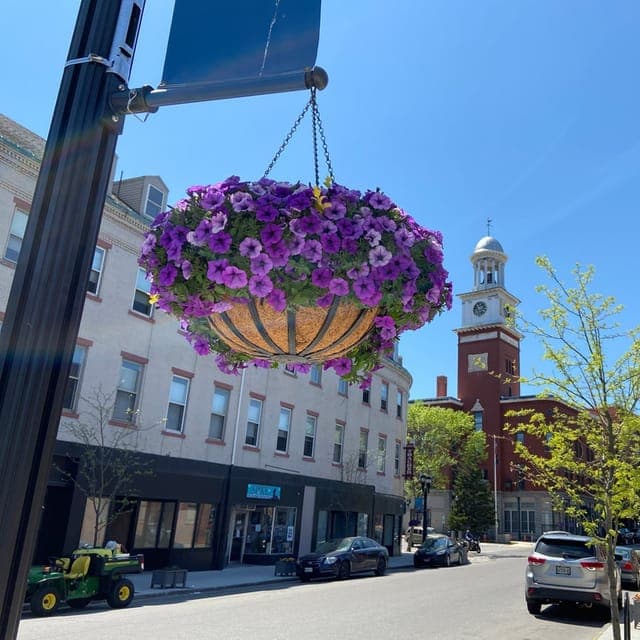
Top Cities for Quality of Life in Maine


* Values derived from national, state, county, city and local statistics and may differ in a specific area. Last updated: 2026-10-11T02:46:04.000Z
Narrative content on this page is AI-generated and may contain mistakes. Verify any details that matter before acting on them.
ReloMaps may earn a commission from affiliate links at no extra cost to you.

