Political ClimatePolitical Climate in Maine
Political Environment in the State
Maine has long been known as a politically independent state, but its overall lean has shifted noticeably leftward over the past two decades. While it voted for Bill Clinton in 1992 and 1996, it backed George W. Bush in 2000, then swung hard for Democrats in every presidential election since 2004, with Joe Biden winning by over 9 points in 2020. The state’s two congressional districts tell a split story: the 1st District (coastal and southern) is reliably blue, while the 2nd District (northern and inland) is a competitive swing seat that backed Donald Trump in 2016 and 2020. For a conservative relocator, the key takeaway is that Maine is not a red state, but it’s also not a monolithic blue one — it’s a place where local control and independent voting still matter a great deal.
Urban vs. rural divide
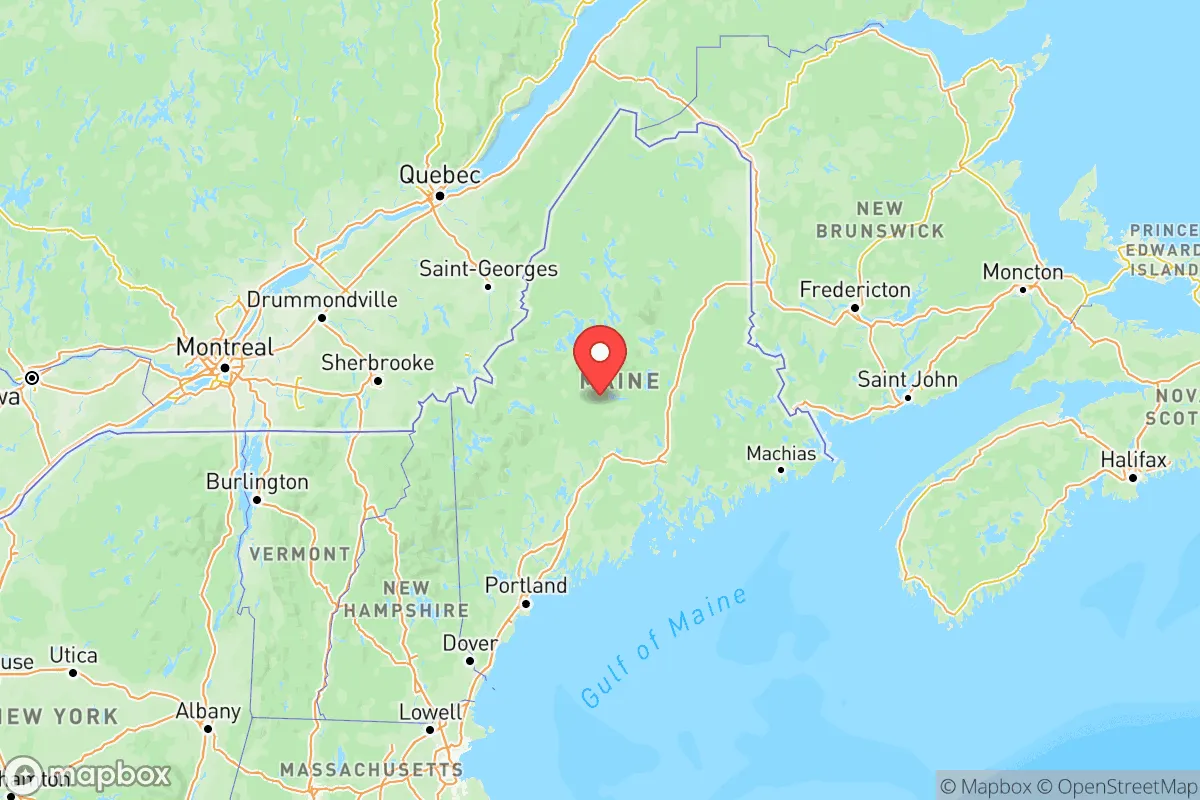
The political map of Maine is defined by a sharp urban-rural split. The Portland metro area, including South Portland, Scarborough, and Falmouth, drives the state’s Democratic vote — these communities are dense, educated, and increasingly progressive. Bangor and Augusta lean Democratic but are more moderate, while Lewiston and Auburn are working-class towns that have trended rightward in recent cycles. The vast rural interior — places like Presque Isle, Caribou, and Fort Kent in Aroostook County — is deeply conservative, with many precincts voting 65-70% Republican. The 2nd Congressional District is the key battleground: it covers 80% of the state’s landmass but only 40% of its population, and it flipped from Obama to Trump in 2016. The coastal midcoast region, including Camden and Rockland, is a mix of wealthy liberals and libertarian-leaning independents, making it one of the more politically unpredictable areas in the state.
Policy environment
Maine’s state-level policy environment is moderately progressive but tempered by a strong tradition of local control. The state has a graduated income tax with rates from 5.8% to 7.15%, and a sales tax of 5.5% that exempts groceries and prescription drugs. Property taxes are high — among the top 10 in the nation — which is a major concern for homeowners. The state expanded Medicaid under the Affordable Care Act via a 2017 ballot initiative, and it has a robust public health infrastructure. On election law, Maine is a national leader in access: it has same-day voter registration, no-excuse absentee voting, and was the first state to adopt ranked-choice voting for federal elections. Gun laws are moderate — no permit required for open carry, but a permit is needed for concealed carry, and the state has a “yellow flag” law (not a red flag law) that requires a medical evaluation before a firearm can be temporarily seized. There is no state-level right-to-work law, and union membership remains relatively high, especially in the paper and timber industries.
Recent policy direction
Over the past five years, Maine has moved left on several fronts. In 2021, the legislature passed a law banning the sale of flavored tobacco products, and in 2023 it enacted a paid family and medical leave program funded by a payroll tax. On gun policy, a 2023 law expanded background checks to private sales, though it exempts transfers between family members. On education, the state has maintained local school board control, but a 2022 law requires schools to adopt policies on transgender student participation in sports, following a national trend. On property rights, Maine has a strong “right to farm” law that protects agricultural operations from nuisance lawsuits, which matters for anyone buying rural land. On privacy, the state passed a broad data privacy law in 2023 that gives residents more control over how companies collect and sell their personal information. On voting, ranked-choice voting remains controversial among conservatives, but it has survived multiple repeal attempts and is now used in all federal and state primary elections, as well as presidential general elections.
Civil unrest & political movements
Maine has a relatively low level of visible civil unrest compared to larger states, but there are active political movements on both sides. The most prominent conservative organization is the Maine Republican Party, which has been split between establishment and Trump-aligned factions, with the latter gaining ground in rural counties. The Maine Gun Owners Association is a vocal lobbying group that has successfully blocked several gun control bills. On the left, the Maine People’s Alliance and the Maine Women’s Lobby are active on healthcare, housing, and reproductive rights. Immigration politics are less heated than in border states, but there have been flashpoints in Lewiston, where a 2023 mass shooting by a gunman with a history of mental illness reignited debates about gun laws and mental health funding. The state has no sanctuary city policies, but Portland has a “welcoming city” ordinance that limits cooperation with federal immigration enforcement. Election integrity has been a minor issue — Maine uses paper ballots and has strong audit procedures, and there have been no major controversies, though some conservative groups have raised concerns about ranked-choice voting’s complexity.
Projection
Over the next 5-10 years, Maine is likely to continue its slow leftward drift, driven by in-migration from Massachusetts and other northeastern states. The Portland metro area is growing faster than the rest of the state, and new residents tend to be younger, more educated, and more liberal. However, the 2nd Congressional District will remain competitive, and if national trends favor Republicans, it could flip back. The state’s aging population — Maine has the oldest median age in the nation — means that healthcare and property tax relief will remain dominant political issues. For conservatives, the best opportunities are in rural areas and small towns, where local control and low population density still allow for a more traditional way of life. The ranked-choice voting system is unlikely to be repealed, but it may be modified to address concerns about ballot confusion. Overall, someone moving to Maine in 2026 should expect a state that is politically mixed but trending blue, with a strong independent streak that can still produce surprises.
For a conservative relocator, the bottom line is that Maine offers a high quality of life in its rural and small-town areas, with low crime, good schools, and a strong sense of community. The state’s tax burden is high, but the natural beauty and outdoor recreation opportunities are unmatched. Politically, you’ll find like-minded neighbors in places like Aroostook County, Washington County, and the western mountains, but you’ll also need to accept that state-level policy will lean left. If you value local control and are willing to engage in town-level politics, you can have a real impact. If you’re looking for a deep red state, Maine isn’t it — but if you want a place where your vote actually matters and where independent thinking is still respected, it’s worth a serious look.

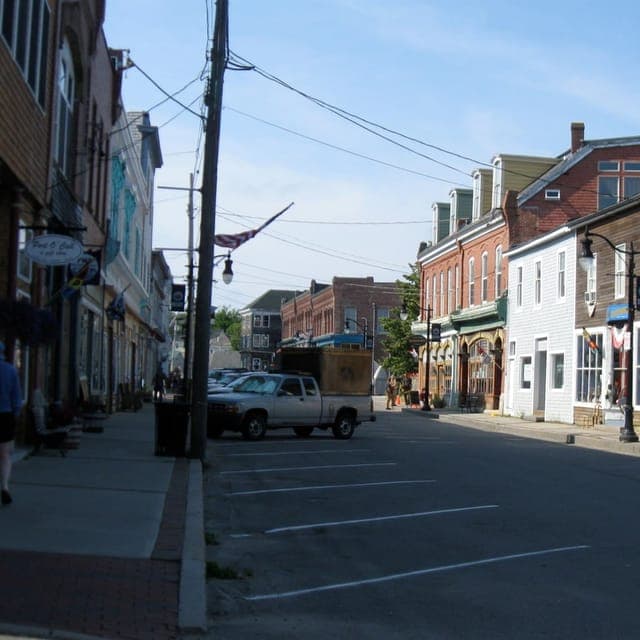
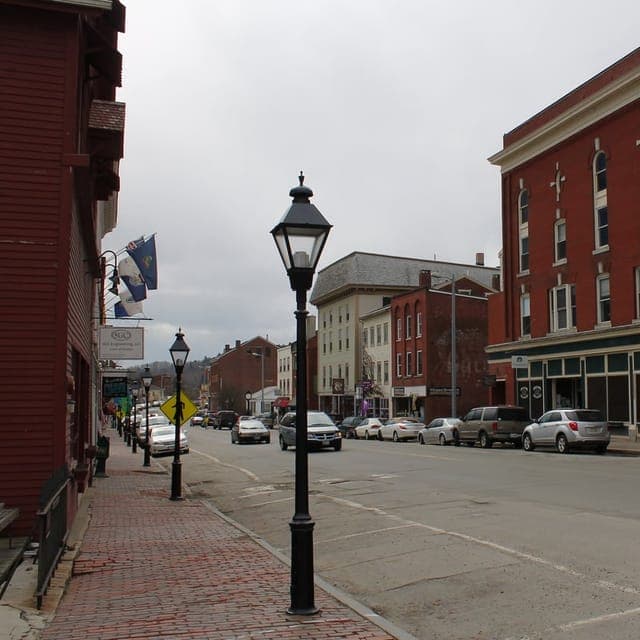
Most Conservative Cities in Maine
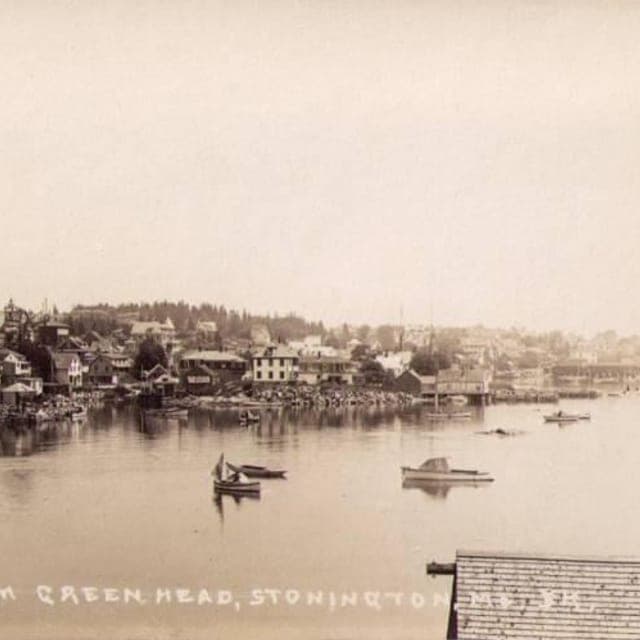
Most Liberal Cities in Maine

* Values derived from national, state, county, city and local statistics and may differ in a specific area. Last updated: 2026-10-11T02:46:04.000Z
Narrative content on this page is AI-generated and may contain mistakes. Verify any details that matter before acting on them.
ReloMaps may earn a commission from affiliate links at no extra cost to you.

