Demographics of Maine
Affluence Level in Maine
A middle-class area roughly in line with national averages across income, home values, education, and employment.
People of Maine
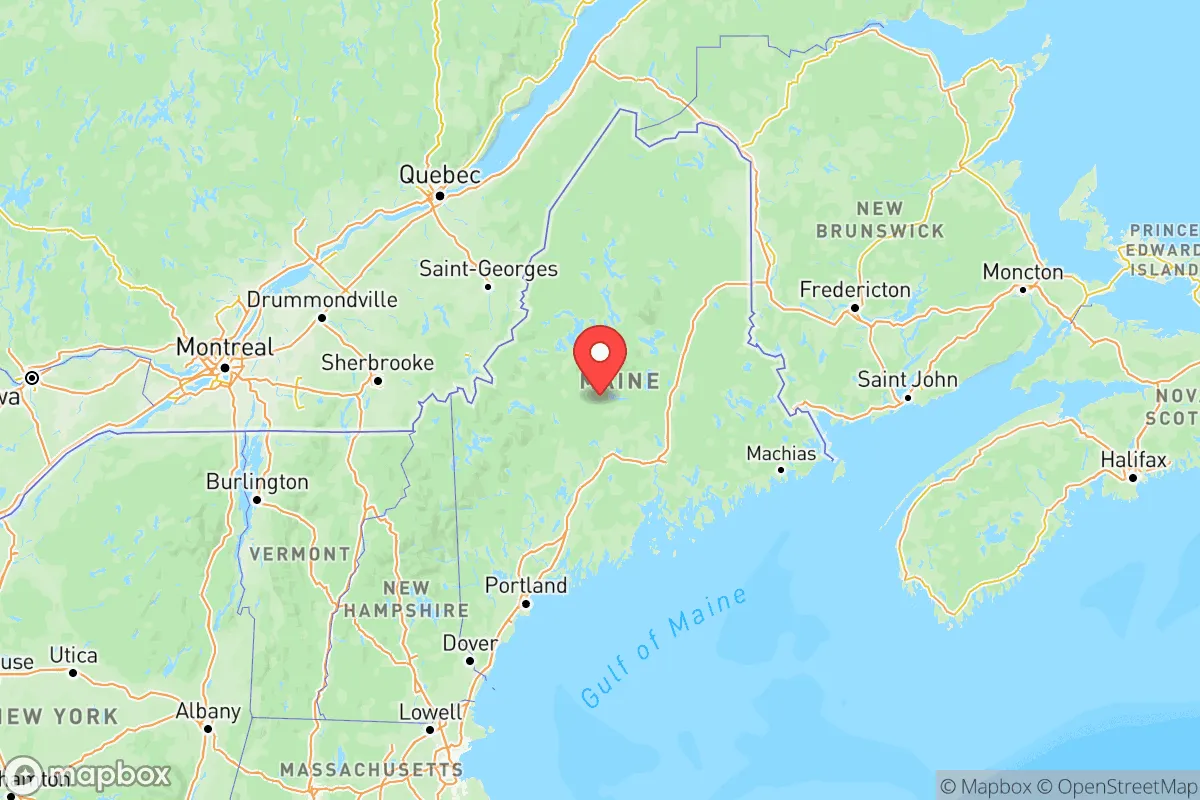
The people of Maine today number roughly 1.38 million, making it the most rural state in the nation by population density at just 43 people per square mile. The state is overwhelmingly white (90.6%), with a foreign-born population of only 1.8% — the lowest of any state — and a distinctive cultural identity rooted in Yankee independence, Franco-American heritage, and a deep connection to the working landscapes of fishing, forestry, and shipbuilding. Maine’s population is also the oldest in the country by median age, a demographic reality that shapes everything from housing markets to healthcare demand for those considering a move here.
Settlement & growth (pre-1960)
Long before European arrival, Maine was home to the Wabanaki Confederacy — the Abenaki, Penobscot, Passamaquoddy, and Maliseet peoples — who lived along the coast and river valleys for thousands of years, relying on the Atlantic fisheries and inland forests. The Penobscot Nation’s main village at Indian Island (near present-day Old Town) remains a sovereign tribal community today, one of the oldest continuously occupied sites in the state.
European colonization began in earnest with the French, who established a settlement at Saint Croix Island (near Calais) in 1604, a year before Jamestown. The English followed, founding the Popham Colony at the mouth of the Kennebec River in 1607, though both early efforts failed. Permanent English settlement took hold along the southern coast in the 1630s, with towns like Kittery (1647) and York (1652) becoming the first chartered English municipalities in Maine. These early settlers were primarily English Puritans and yeoman farmers from Massachusetts, who pushed inland along the Saco and Androscoggin rivers.
The 18th and early 19th centuries brought a wave of Scots-Irish immigrants, who were drawn by cheap land grants and religious tolerance. They settled heavily in the mid-coast region, founding Belfast (1770) and Warren, and their Presbyterian traditions left a lasting imprint on Maine’s civic culture. After the American Revolution, Maine’s population grew rapidly as veterans received land bounties in the interior, opening up towns like Augusta and Bangor. By 1820, when Maine achieved statehood as part of the Missouri Compromise, the population had reached 298,000.
The 19th century’s defining demographic event was the arrival of French Canadians from Quebec, beginning in the 1840s and accelerating through the 1880s. They came to work in the textile mills of Lewiston, Biddeford, and Waterville, and in the lumber camps of the Penobscot River valley. By 1900, Franco-Americans made up roughly 30% of Maine’s population, concentrated in mill cities where they built tight-knit parishes and French-language schools. Lewiston remains the heart of Franco-American Maine, with over 20% of residents claiming French ancestry today.
Irish immigrants arrived in large numbers during the Great Famine (1845–1852), settling in Portland and Bangor as laborers on railroads and in the waterfront industries. Smaller waves of Germans, Swedes, and Finns came in the late 1800s, drawn to farming in Aroostook County and the potato-growing region around Presque Isle. The 20th century saw little new immigration; Maine’s foreign-born share peaked at 14% in 1910 and then declined steadily as the state’s industrial base stagnated. The Great Depression and World War II prompted out-migration of young Mainers to Boston and southern New England, a pattern that continued for decades.
Modern era (post-1965)
The 1965 Hart-Cellar Act had a minimal direct effect on Maine compared to the rest of the country. The state’s foreign-born population actually fell to 2.9% by 1990 and has continued declining to its current 1.8%. Unlike the Sun Belt states that saw explosive immigrant-driven growth, Maine’s modern demographic story is one of domestic migration — specifically, the arrival of retirees and remote workers from Massachusetts, New York, and Connecticut, drawn by lower housing costs and a slower pace of life.
Since the 1990s, the most visible new immigrant group has been Somali refugees, resettled through federal programs in Lewiston and Portland. The Somali community in Lewiston numbers roughly 5,000, making it one of the largest Somali enclaves in the United States relative to city size. This influx has reshaped Lewiston’s schools and economy, though it has also generated cultural friction that has been widely covered in national media. Smaller refugee communities from Sudan, Iraq, and the Democratic Republic of Congo have also settled in Portland, which remains Maine’s most diverse city with a non-white population of about 30%.
East and Southeast Asian communities in Maine are small but established, concentrated in Portland and Augusta where Vietnamese and Cambodian families arrived as refugees in the 1980s. The Indian subcontinent population is negligible at 0.1%, with a tiny professional presence in Portland and Orono near the University of Maine. Hispanic residents, at 2.1% of the state population, are a growing but still small group, with the largest concentrations in Portland and the southern York County towns like Sanford and Biddeford, where they work in agriculture and food processing.
Domestically, the most significant migration trend since 2000 has been the arrival of out-of-state retirees and second-home buyers to the coastal counties of York, Cumberland, and Lincoln. This has driven up housing prices in towns like Kennebunkport and Camden, pricing out many native-born Mainers and accelerating the state’s aging demographic. At the same time, young Mainers continue to leave for better job opportunities in Boston, Portland (Oregon), and the Southeast, a brain drain that has kept Maine’s population growth among the slowest in the nation.
The future
Maine’s population is projected to grow only modestly through 2040, reaching roughly 1.4 million, but the composition will shift. The state is becoming slightly more diverse, driven by refugee resettlement and the gradual aging of existing minority populations. The non-white share is expected to rise from 9.4% to roughly 15% by 2040, with the largest gains among Hispanic and Black residents, the latter concentrated in Lewiston and Portland. The East/Southeast Asian and Indian populations will remain very small, likely below 2% combined.
The biggest demographic challenge is aging. Maine already has the highest median age in the nation at 45.1 years, and that figure is expected to climb past 48 by 2040. This means a shrinking workforce, rising demand for healthcare and elder services, and continued pressure on rural schools as young families leave. The remote-work boom since 2020 has brought a new wave of younger professionals to Portland and the mid-coast, but it remains to be seen whether they will stay long-term or move on when their jobs require return-to-office.
Culturally, Maine is likely to remain a predominantly white, rural state with a strong Yankee and Franco-American identity, but with growing enclaves of diversity in its small cities. The tension between long-time residents and newcomers — whether Somali refugees in Lewiston or wealthy retirees on the coast — will continue to shape local politics and community life. For those moving in now, Maine offers a place where community ties are deep, the natural environment is pristine, and the pace is slow — but where economic opportunity is limited and the population is grayer than almost anywhere else in America.

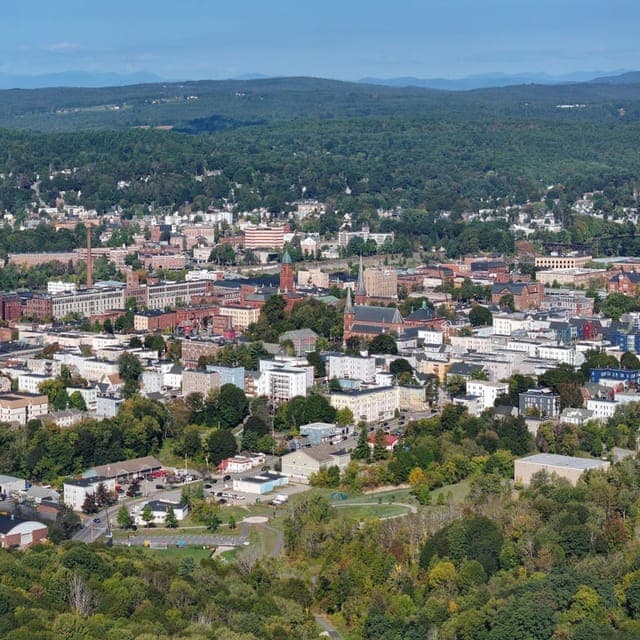
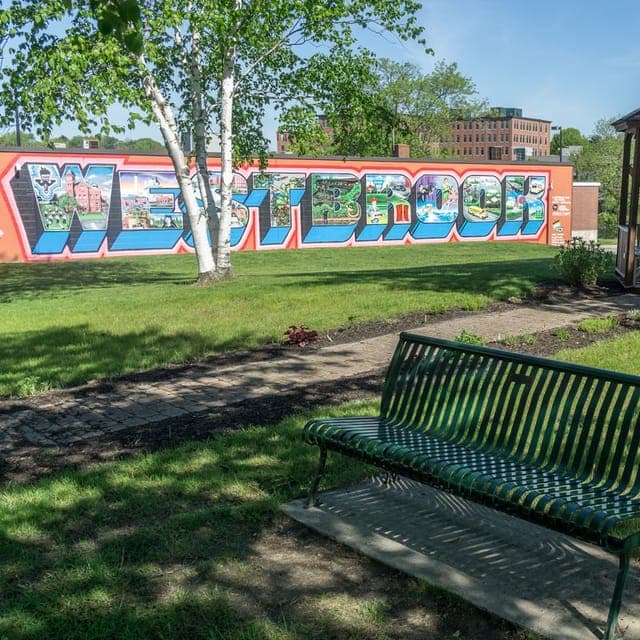
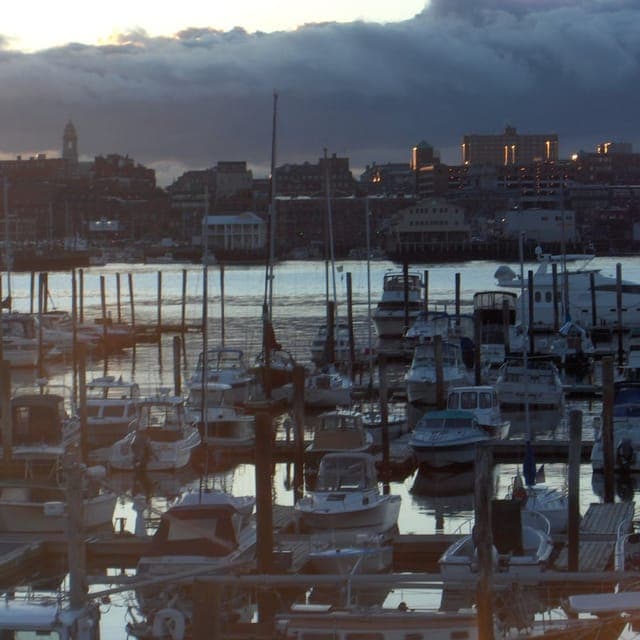
Most Diverse Cities in Maine

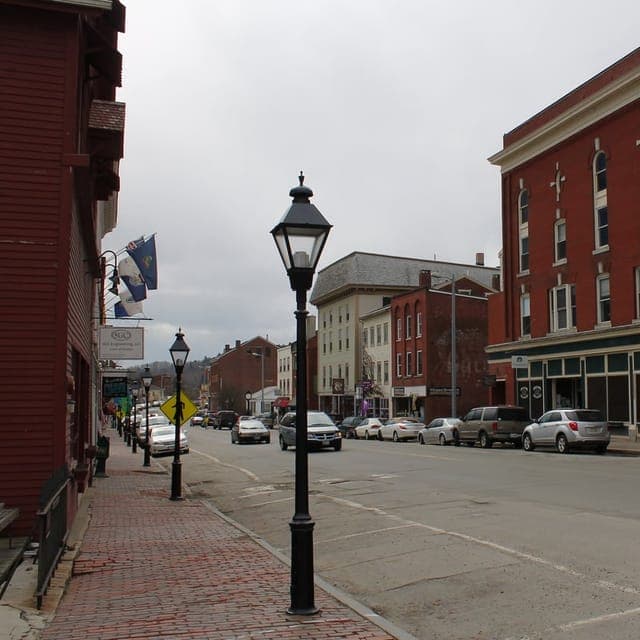
Most Homogenous Cities in Maine

* Values derived from national, state, county, city and local statistics and may differ in a specific area. Last updated: 2026-10-11T02:46:04.000Z
Narrative content on this page is AI-generated and may contain mistakes. Verify any details that matter before acting on them.
ReloMaps may earn a commission from affiliate links at no extra cost to you.

