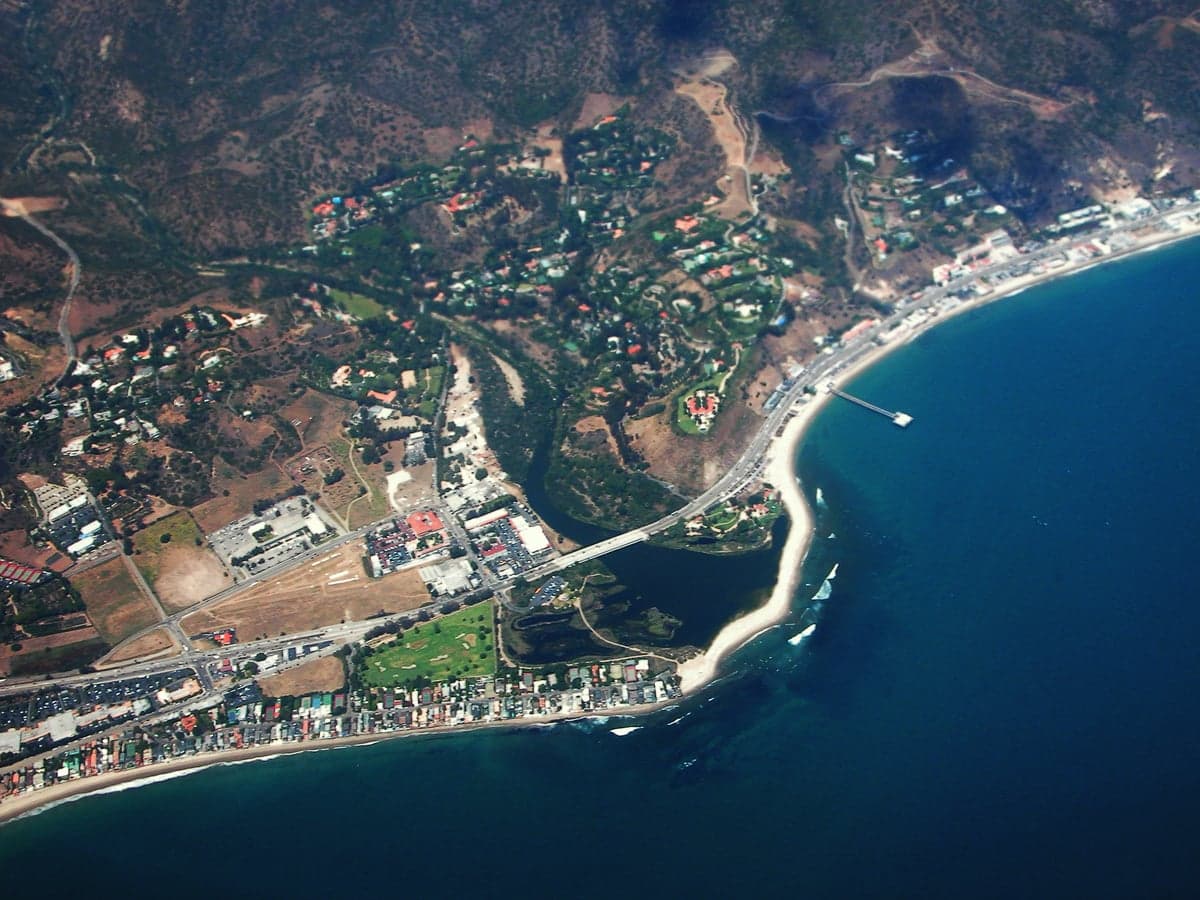
Photo: Wikipedia
Quality of Life in Malibu, CA
A high quality of life with strong walkability, manageable living costs, healthy neighborhood signals, and solid amenity access.
What does Quality of Life tell us?
Quality of Life blends cost of living, nearby amenities, socioeconomic signals, and neighborhood character. City-level scores represent the whole municipality; individual neighborhoods can differ.
What does this tell us?
Quality of Life blends cost of living, nearby amenities, socioeconomic signals, and neighborhood character. City-level scores represent the whole municipality; individual neighborhoods can differ.
Cost of Living
364% above national average
The Real Cost of Living in Malibu, CA for 2026
| Tier | Individual | Family (4) |
|---|---|---|
| Survival | $56k | $105k |
| Comfortable | $347k | $511k |
| Luxury | $359k+ | $557k+ |
| Elite (Top 5%) | $599k+ | $928k+ |
38%
The Area Signal
A metric tracking the socioeconomic signals of the area.
Hobbies
Explore the areaGroceries
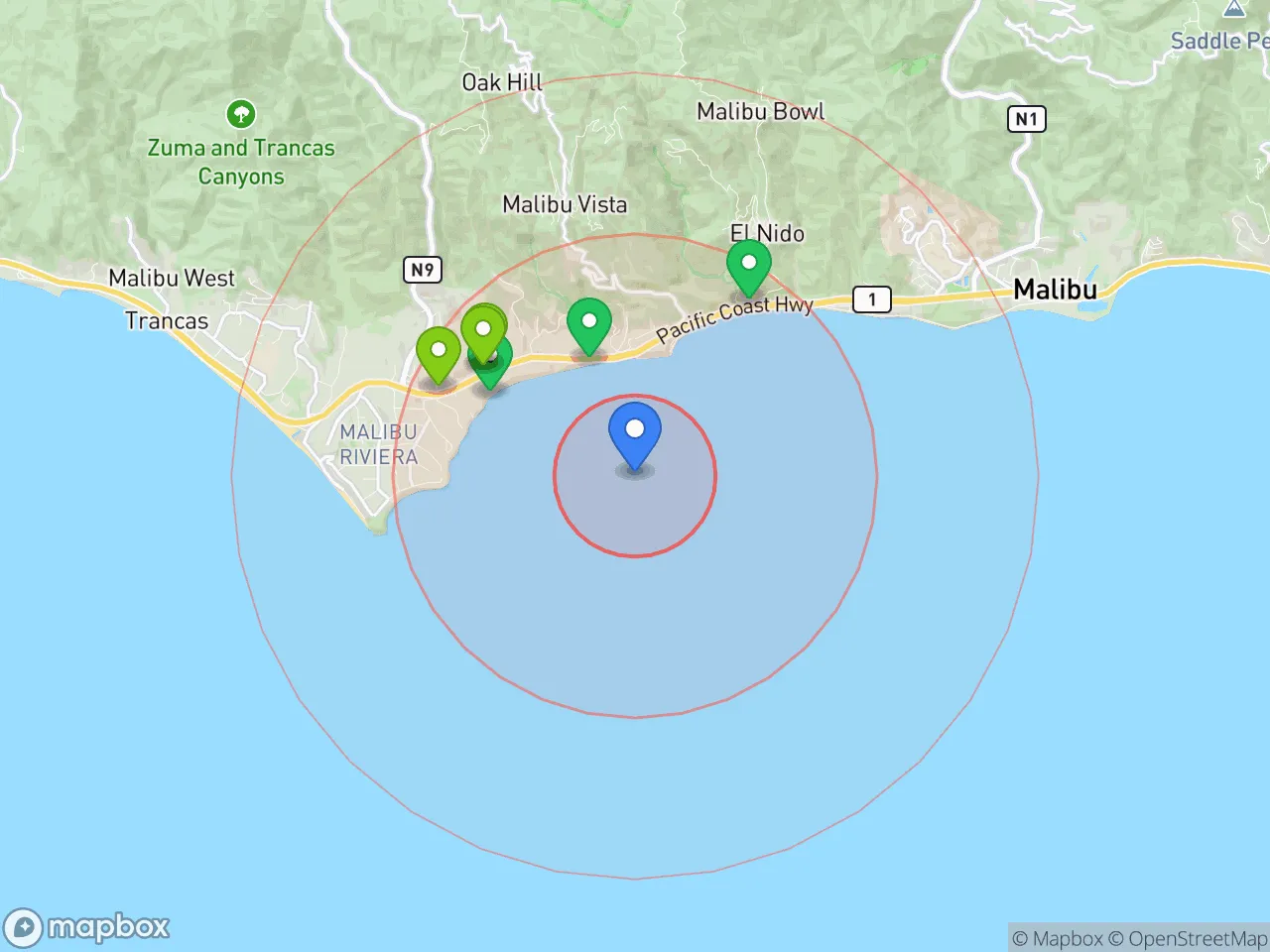
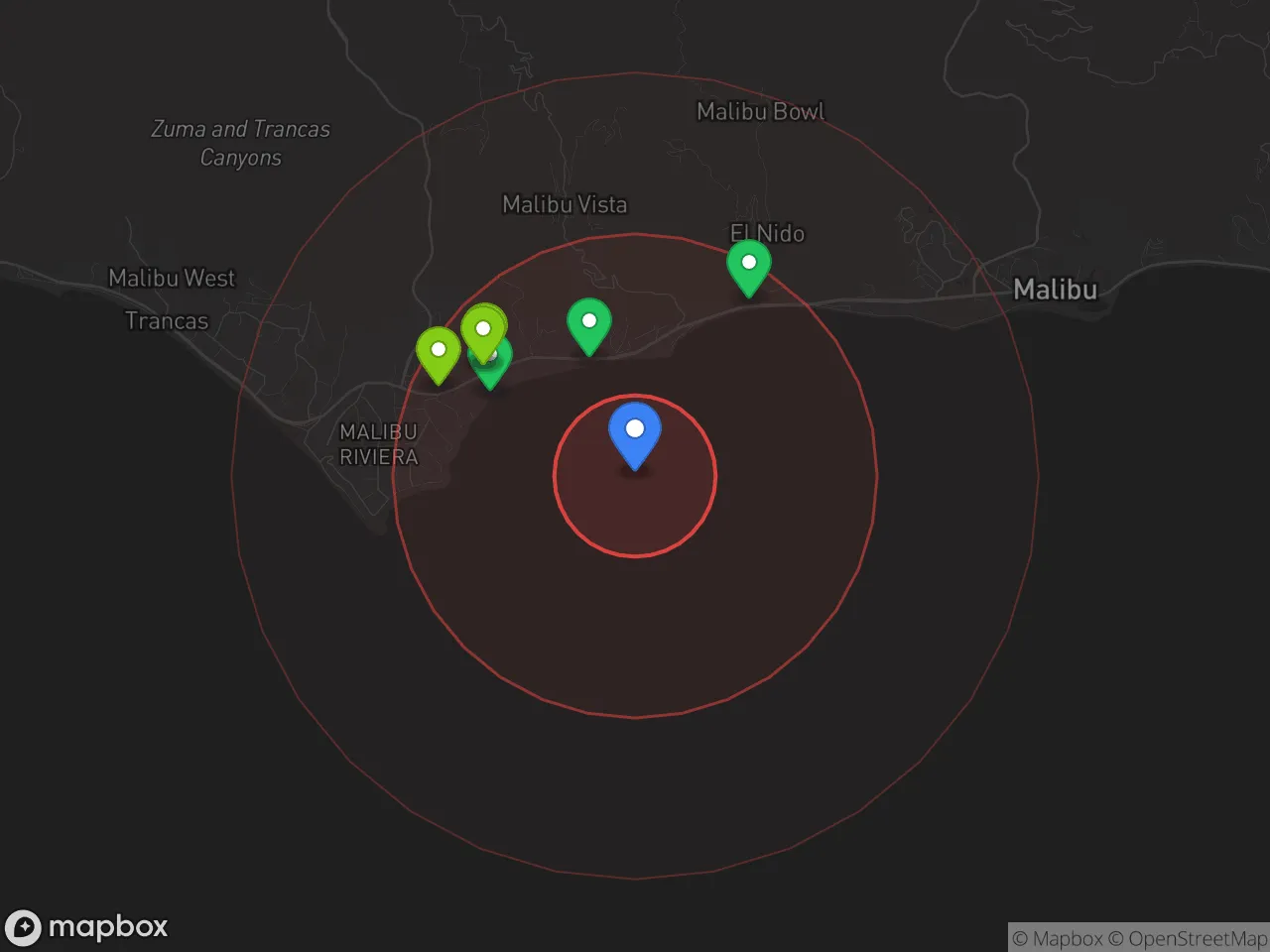
6 within 10 miles
Gas
16 within 10 miles
Hospital
20 within 20 miles
Airport
LAX — Los Angeles International
Post Office
USPS — Topanga, CA
Critical Amenities
Quality-of-Life Analysis
Malibu, California, is an affluent coastal enclave defined by its dramatic oceanfront setting, celebrity residents, and a lifestyle that prioritizes privacy and natural beauty over urban convenience. With a cost of living index of 464—more than four times the national average—the city attracts high-net-worth individuals, entertainment industry professionals, and entrepreneurs who can afford its premium real estate. The median home value sits at $2,000,001, and the median rent is $3,501, placing it among the most expensive communities in the United States.
Cost of living, housing costs, and how Malibu compares to nearby areas
Malibu’s cost of living is significantly higher than neighboring cities like Santa Monica (index ~300) and Los Angeles (index ~170), driven almost entirely by housing. The median home value of $2,000,001 is roughly double that of Santa Monica and triple that of the broader Los Angeles metro area. Renters face a median monthly payment of $3,501, which is about 40% higher than in Santa Monica and more than double the California state median. For context, a household earning the national median income of roughly $75,000 would need to spend nearly 56% of gross income on rent alone to afford Malibu’s median rent—a figure that underscores the city’s exclusivity. Property taxes, while capped by Proposition 13, still run high on these valuations, and homeowners insurance is notably expensive due to wildfire risk. Compared to other coastal luxury markets like Montecito or Newport Beach, Malibu’s housing costs are broadly comparable, though its wildfire insurance premiums are among the highest in the state.
What daily life is like for families: amenities, schools, and commute realities
Daily life in Malibu revolves around outdoor recreation, with residents enjoying world-class beaches (Zuma, Surfrider, and Point Dume), hiking trails in the Santa Monica Mountains, and a small-town commercial core along Pacific Coast Highway. The Santa Monica-Malibu Unified School District serves the area, with Malibu High School consistently ranking among California’s top public high schools, though class sizes are small and extracurricular options are limited compared to larger districts. Private schools like Pepperdine University’s affiliated programs and nearby Viewpoint School in Calabasas are popular alternatives. The average commute time of 32.9 minutes is slightly above the national average of 26 minutes, reflecting the reality that most jobs are in Los Angeles or the San Fernando Valley. Traffic on Pacific Coast Highway and the 101 Freeway can add 15–20 minutes during peak hours, making remote work a common arrangement. Groceries and dining are expensive—a gallon of milk often costs $5–6—and basic services like plumbers or electricians command premium rates due to travel time. The city has no major hospital; residents rely on UCLA Medical Center, Santa Monica or Providence Cedars-Sinai Tarzana Medical Center for serious care, which can be a 30–45 minute drive.
Malibu is best suited for wealthy professionals, retirees, and families who prioritize oceanfront living, privacy, and outdoor recreation over urban amenities or short commutes. The city’s high cost of housing, elevated wildfire risk, and limited commercial infrastructure mean it is not a practical choice for most middle-income households or those needing frequent access to specialized services. For those who can afford it, Malibu offers a unique blend of natural splendor and seclusion that few other U.S. coastal communities can match.

Crime in Malibu, CA
Crime rates similar to the national median for U.S. locations.
Violent CrimeViolent Crime Analysis
Property CrimeProperty Crime Analysis
Crime Analysis
Malibu, California, presents a complex safety picture where its reputation as an affluent coastal enclave is undercut by crime rates that significantly exceed both state and national averages. With a violent crime rate of 567.6 incidents per 100,000 residents and a property crime rate of 2,006.3 per 100,000, the city faces challenges that prospective residents should weigh carefully. These figures place Malibu in a higher-risk category than many of its neighboring communities in Los Angeles County.
Crime in context
Malibu's violent crime rate is roughly 50% higher than the national average and notably above the California state average. The property crime rate, while less extreme in its deviation, still surpasses national benchmarks by a significant margin. These statistics are particularly concerning given the city's small year-round population of roughly 10,000 to 13,000 residents, which can amplify the per-capita impact of even a modest number of incidents. The data reflects a broader trend seen across the Los Angeles metropolitan area, where progressive prosecutorial policies—including reduced sentencing for property crimes and bail reform—have been linked to increased recidivism and a higher volume of offenses. In Los Angeles County, district attorneys and judges operating under a progressive ideology have prioritized diversion programs and reduced incarceration, a philosophy that, while sympathetic to offenders, has directly contributed to more criminals remaining on the streets and a diminished sense of justice for victims and the public.
What residents experience
For those living in Malibu, the most tangible safety concerns revolve around property crime. Burglaries, vehicle break-ins, and thefts from homes and businesses are common, particularly in areas with easy highway access via Pacific Coast Highway. The city's geography—narrow beachfront properties and secluded canyon homes—creates opportunities for criminals who target unoccupied residences. Violent crime, while less frequent than property crime, includes incidents of assault and robbery that often occur in commercial districts or near popular beaches. Residents frequently report feeling safe during daylight hours in well-trafficked areas but express heightened caution at night or in more isolated neighborhoods. The presence of the Los Angeles County Sheriff's Department's Malibu/Lost Hills station provides a law enforcement response, but the sheer size of the patrol area and limited staffing can lead to slower response times in remote canyon locations.
Neighborhood-level variation is notable. Areas closer to the Malibu Civic Center and along the main commercial corridor tend to have higher visible police presence and lower incident rates, while more remote stretches like Point Dume, Carbon Beach, and the Santa Monica Mountains can experience higher rates of burglary and trespassing due to their seclusion. Gated communities and private security patrols offer an additional layer of protection for some residents, but these measures are not universal. For anyone considering a move to Malibu, a thorough review of crime maps for specific blocks and a conversation with local property managers about recent incidents is strongly advised.
* Values derived from national, state, county, city and local statistics and may differ in a specific area. Last updated: 2026-06-08T04:57:00.000Z
Narrative content on this page is AI-generated and may contain mistakes. Verify any details that matter before acting on them.
ReloMaps may earn a commission from affiliate links at no extra cost to you.

