Photo: Wikipedia
Find The Best Places To Live
in Malibu
PRO TIP! You can paste a Zillow or Redfin link to get info on that property.
What It's Like Living in Malibu, CA
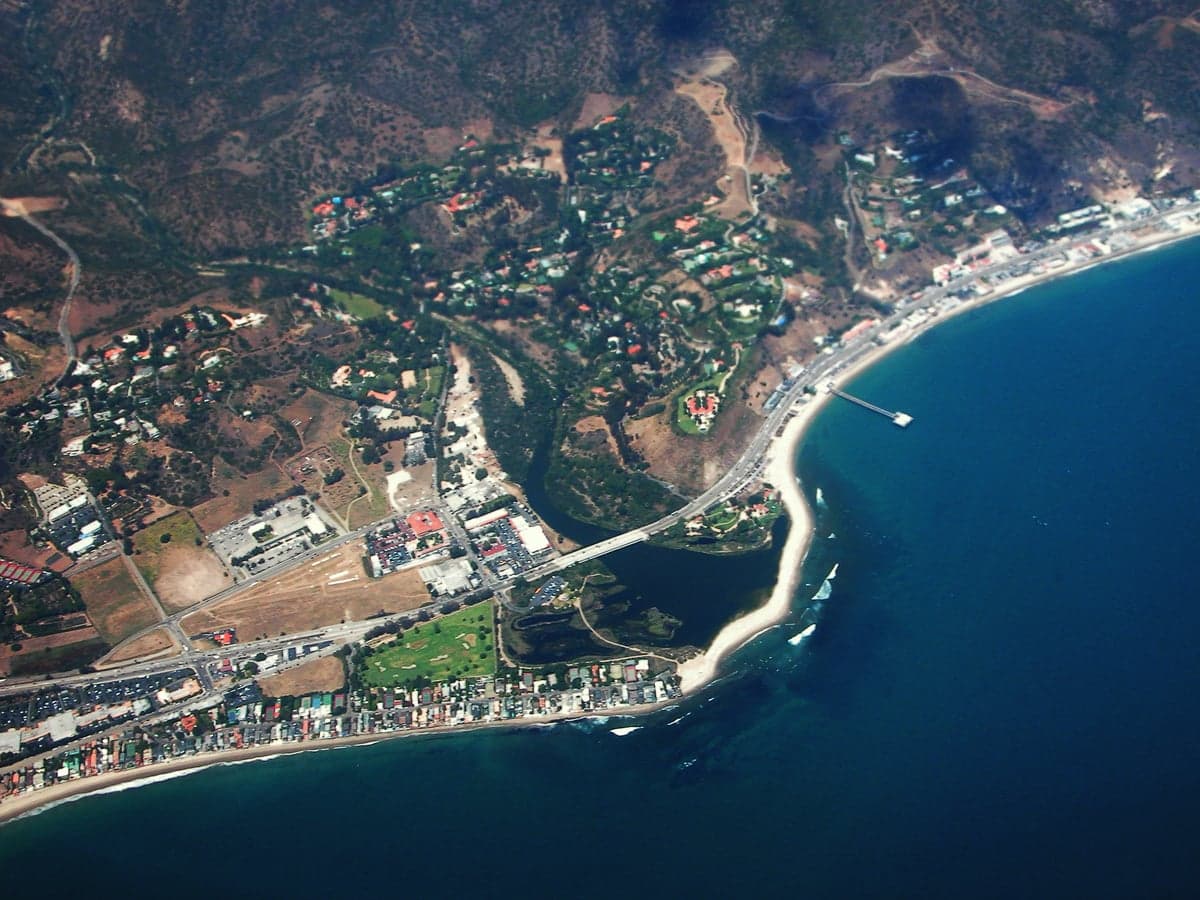
Living in Malibu feels less like a typical Southern California suburb and more like a permanent vacation that comes with a steep price tag and a few real-world headaches. With a population hovering just over 10,500 and a median age of 50.7, this is a place where established professionals, empty nesters, and entertainment industry veterans trade the hustle for ocean views and a slower, more private pace of life. The median household income of $192,159 and a median home value of $2,000,001 make it clear: this is not a starter-home town, but a destination for those who have already made their mark.
The Daily Rhythm: Sun, Surf, and the 32-Minute Commute
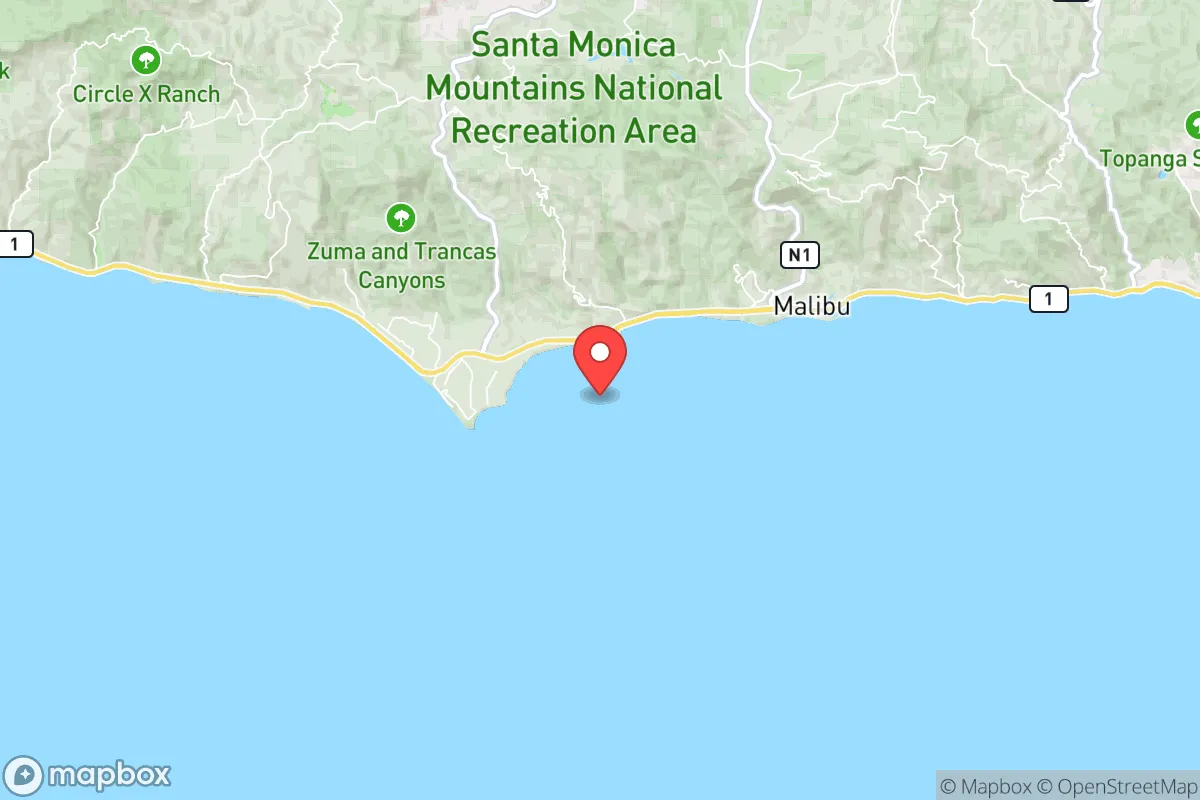
Daily life in Malibu revolves around the Pacific Coast Highway (PCH) and the ocean. Mornings often start with a walk on Zuma Beach or a coffee at the Malibu Country Mart, where you'll see surfers in wetsuits alongside retirees in linen. The average commute clocks in at about 33 minutes, but that number can feel optimistic when a crash or landslide shuts down PCH. Most residents work locally in entertainment, real estate, or remote tech roles, or they commute to Santa Monica or Los Angeles. Shopping is limited to a few high-end markets like Gelson’s and the Malibu Farmers Market on Sundays; for a Target or a Home Depot, you’re driving to Calabasas or Santa Monica. Weekends are for hiking in Topanga State Park, kayaking at Point Dume, or grabbing fish tacos at The Reel Inn. The pace is deliberately unhurried, and the vibe is decidedly “leave me alone” compared to the social energy of LA proper.
Who Fits In — and Who Doesn’t
Malibu attracts a specific type: financially secure, privacy-minded, and deeply connected to the outdoors. You’ll find a mix of second-home owners, retired executives, and working actors who value seclusion over nightlife. Families are present but not dominant — the median age of 50.7 reflects an older skew, and the local schools, while well-funded, serve a relatively small student body. If you’re a young professional looking for a vibrant social scene or a family seeking a tight-knit suburban community with lots of kids your age, Malibu can feel isolating. The cost of living index of 464 (more than four times the national average) means that even high earners feel the pinch. Rentals are scarce, and buying a fixer-upper condo often runs over $1 million. The people who thrive here are those who don’t need a lot of amenities — they have the beach, the trails, and a small circle of neighbors who value the same quiet life.
What’s There to Do: Outdoor Obsession and Low-Key Culture
Entertainment in Malibu is almost entirely outdoors and low-frills. The big draw is the coastline: Zuma Beach, Surfrider Beach, and El Matador State Beach are the mainstays. Hiking in the Santa Monica Mountains — especially the Solstice Canyon loop and the Backbone Trail — is a weekend ritual. The Malibu Film Festival and the annual Malibu Chili Cook-Off are the two biggest community events, drawing locals and a few tourists, but they’re more about casual fun than spectacle. There’s no major music venue or sports arena; for a Lakers or Dodgers game, you’re driving 45 minutes into LA. High school sports at Malibu High School (the Sharks) are a genuine community rallying point — Friday night football games in the fall are well-attended by parents and alumni, but it’s a far cry from the Friday Night Lights intensity of Texas or the Midwest. The local bar scene is thin: the Malibu Beach Inn’s bar and the divey Old Place are the main spots, and both close early. For a real night out, residents head to Santa Monica or Venice.
Pros and Cons of Living Here
- Pro: Unmatched natural beauty. You wake up to ocean views, hike in mountains, and breathe air that feels cleaner than anywhere else in LA County. The beach is never crowded if you know where to go.
- Con: The violent crime rate is 567.6 per 100,000 — significantly higher than the national average. Property crime and occasional burglaries are a real concern, especially in more isolated canyon homes. Many residents invest in security systems and neighborhood watch groups.
- Pro: Privacy and space. Unlike Santa Monica or Venice, Malibu feels spread out. You can go days without running into anyone you know, which is exactly what many residents want.
- Con: PCH is a lifeline and a liability. Traffic is unpredictable, accidents are common, and the road closes during mudslides or wildfires. That 33-minute average commute can easily become 90 minutes during fire season or a major crash.
- Pro: A strong sense of local identity. Malibu has its own rules — no streetlights on PCH in certain stretches, strict building height limits, and a fierce resistance to chain stores. It feels like a small town that happens to sit next to a global metropolis.
- Con: It’s expensive and insular. With 71.6% of adults holding a college degree and a median income near $200K, the social circle can feel homogeneous. If you don’t have a connection to the entertainment industry or a second home, breaking in socially can be slow.
The seasonal rhythm is mild but distinct: summer brings crowds and tourists, fall is the sweet spot with clear skies and warm water, winter can bring rain and the ever-present threat of wildfire, and spring is wildflower season in the canyons. Fire season (typically October through December) is a genuine stressor — residents keep go-bags ready, and the Woolsey Fire in 2018 is still a fresh memory. Schools like Malibu High and Webster Elementary are small and well-regarded, but they serve a relatively affluent, low-diversity student body. For families, the schools are a community anchor, but they lack the scale and extracurricular breadth of larger districts. Ultimately, living in Malibu is a trade-off: you trade convenience, affordability, and social variety for beauty, privacy, and a pace of life that feels increasingly rare in Southern California. It’s a wonderful place to live if you can afford it and you value solitude over stimulation.

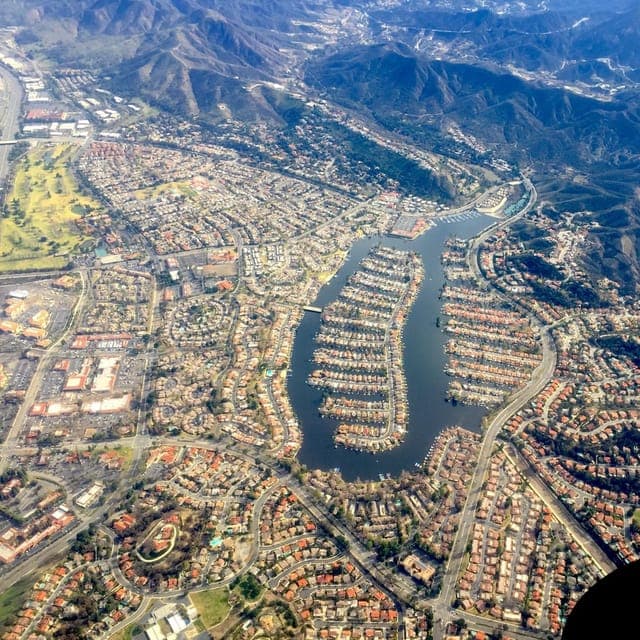
Similar towns to Malibu
* Values derived from national, state, county, city and local statistics and may differ in a specific area. Last updated: 2026-06-08T04:57:00.000Z
Narrative content on this page is AI-generated and may contain mistakes. Verify any details that matter before acting on them.
ReloMaps may earn a commission from affiliate links at no extra cost to you.

