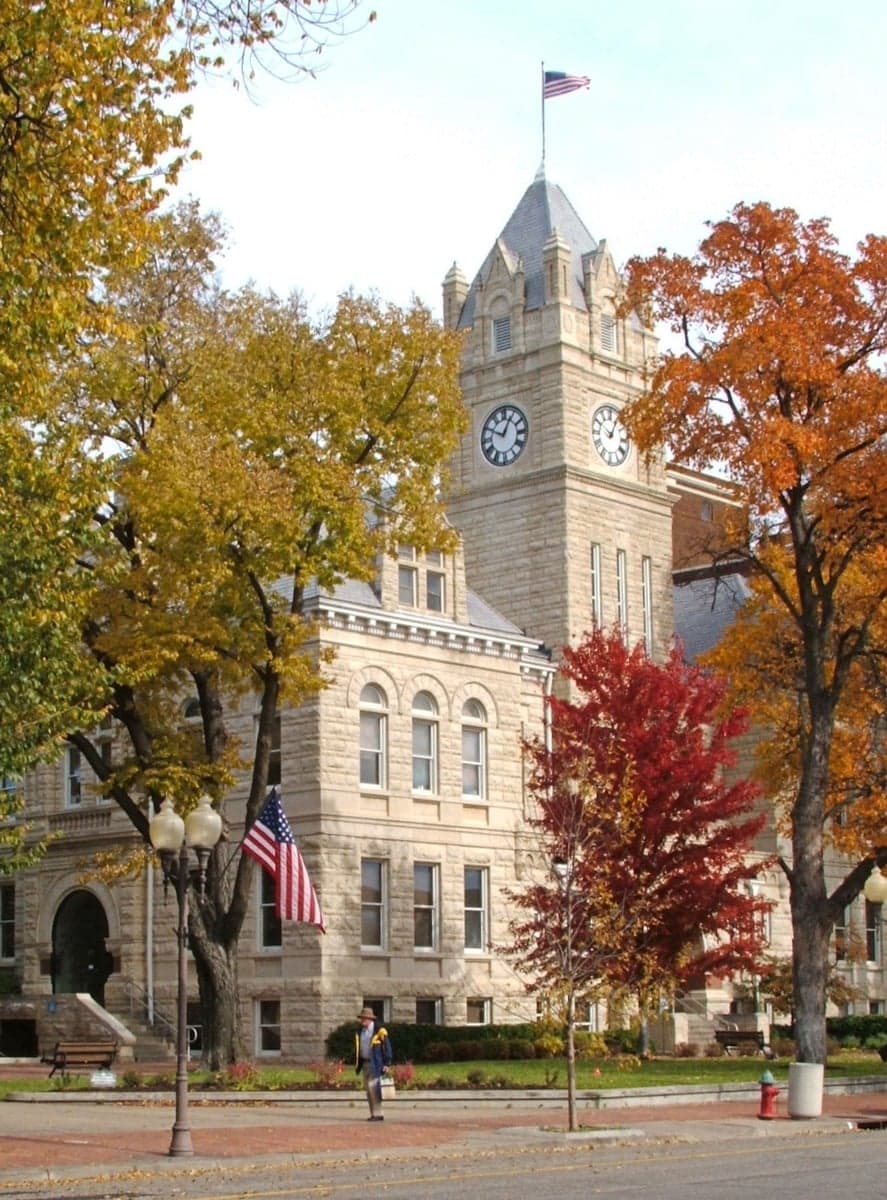
Photo: Wikipedia
Quality of Life in Manhattan, KS
Above-average quality of iife. The area offers a reasonable cost of living, decent mobility, and a mix of neighborhood amenities.
What does Quality of Life tell us?
Quality of Life blends cost of living, nearby amenities, socioeconomic signals, and neighborhood character. City-level scores represent the whole municipality; individual neighborhoods can differ.
What does this tell us?
Quality of Life blends cost of living, nearby amenities, socioeconomic signals, and neighborhood character. City-level scores represent the whole municipality; individual neighborhoods can differ.
Cost of Living
13% below national average
The Real Cost of Living in Manhattan, KS for 2026
| Tier | Individual | Family (4) |
|---|---|---|
| Survival | $16k | $31k |
| Comfortable | $47k | $70k |
| Luxury | $106k+ | $164k+ |
| Elite (Top 5%) | $140k+ | $216k+ |
84%
The Area Signal
A metric tracking the socioeconomic signals of the area.
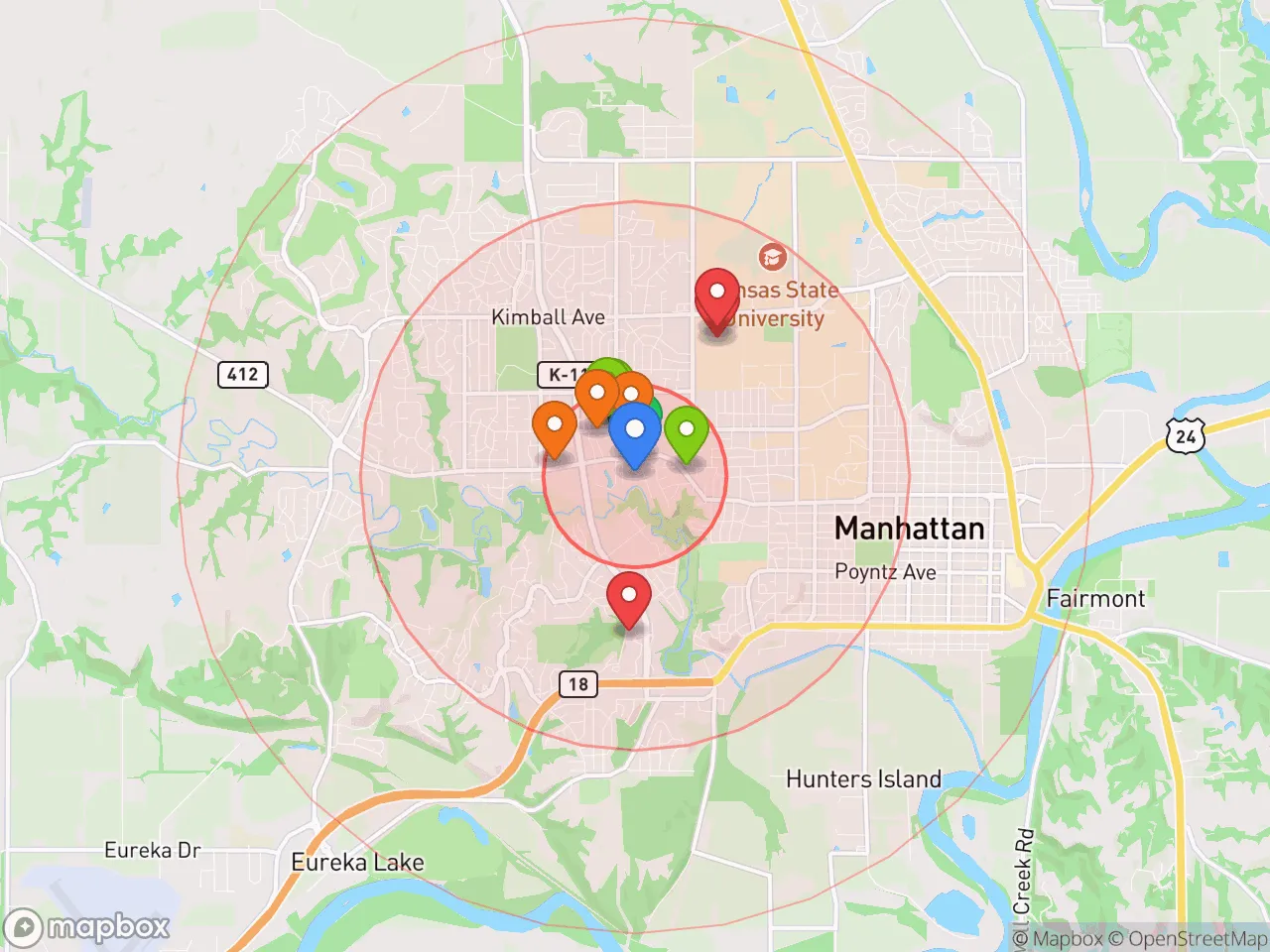
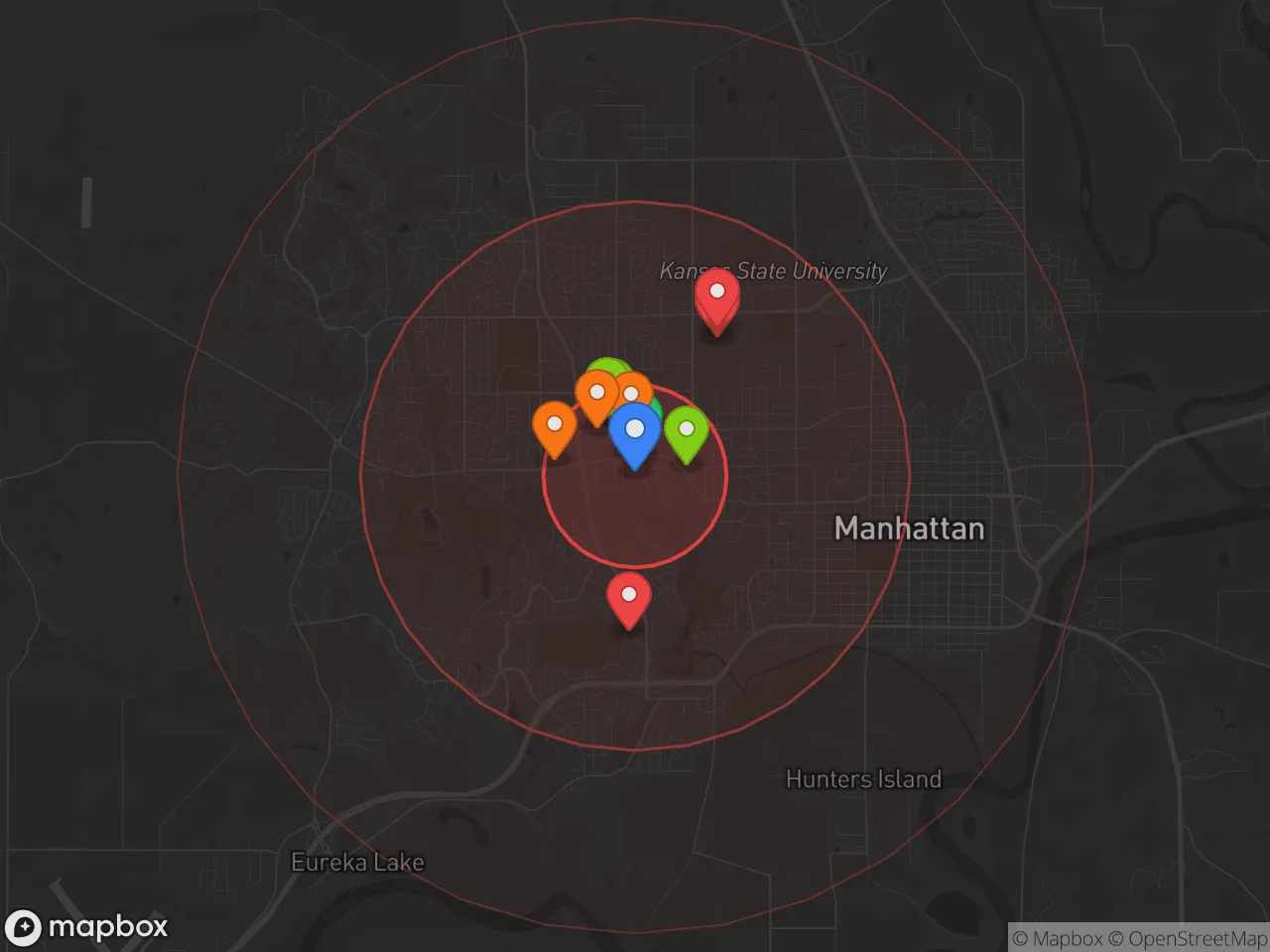
Hobbies
Explore the areaGroceries
5 within 10 miles
Gas
20 within 10 miles
Hospital
5 within 20 miles
Airport
MCI — Kansas City International
Post Office
USPS — Manhattan, KS
Critical Amenities
Quality-of-Life Analysis
Manhattan, Kansas, presents a quality of life defined by a blend of academic vibrancy and Midwestern affordability, with a cost of living index of 87 (13 percent below the U.S. average) that attracts a mix of Kansas State University faculty, students, and young families. The city’s population of roughly 55,000 is notably educated and transient, with a median age near 27, reflecting the dominant influence of the university. This creates a community that is simultaneously stable—anchored by the military presence at nearby Fort Riley—and dynamic, with a steady influx of new residents drawn to the area’s economic resilience and relatively low housing costs.
Cost of living and housing affordability compared to nearby cities
Housing in Manhattan is a clear financial advantage, with a median home value of $243,700 and a median rent of $1,019, both well below national benchmarks. For context, the median home value in nearby Junction City is roughly $170,000, while in the Kansas City metro it exceeds $300,000, positioning Manhattan as a middle-ground option that balances affordability with access to urban amenities. The average commute of 16.9 minutes is notably short, reducing transportation costs and freeing up time for family or recreation—a significant quality-of-life factor compared to the 25+ minute averages in larger Kansas metros. Renters face a tight market near campus, but overall inventory is sufficient to keep prices stable, and property taxes in Riley County remain moderate at roughly 1.1 percent of assessed value.
What daily life is like for families and professionals
Daily life in Manhattan revolves around the Kansas State University campus, which anchors a surprisingly robust array of amenities for a city its size. The Manhattan Town Center mall, Aggieville’s restaurant and bar district, and the Flint Hills Discovery Center provide entertainment and cultural options, while the nearby Konza Prairie offers 8.6 miles of hiking trails for outdoor recreation. Public schools in the Manhattan-Ogden USD 383 district are well-regarded, with Manhattan High School offering an International Baccalaureate program and a graduation rate above 90 percent. The city’s rhythm is distinctly tied to the academic calendar—football Saturdays in the fall transform the town, while summers are quieter and more affordable for long-term residents. Healthcare access is solid, anchored by the Via Christi Hospital and the Kansas State University Veterinary Health Center, though specialized care may require a 90-minute drive to Topeka or Kansas City.
Manhattan is best suited for those who value a tight-knit, educated community with a clear economic anchor—whether that’s a student seeking a low-cost college town, a young professional in agribusiness or engineering, or a military family stationed at Fort Riley. The low commute times and affordable housing make it particularly attractive for remote workers or early-career couples, while retirees may find the university-centric culture less appealing. For anyone prioritizing a low-stress, walkable environment with strong schools and a predictable cost structure, Manhattan offers a quality of life that punches above its size.

Crime in Manhattan, KS
Crime rates similar to the national median for U.S. locations.
Violent CrimeViolent Crime Analysis
Property CrimeProperty Crime Analysis
Crime Analysis
Manhattan, Kansas, presents a mixed safety profile for prospective residents. The city's violent crime rate of 389.4 incidents per 100,000 people is notably higher than the national average, while its property crime rate of 1,587.4 per 100,000 also exceeds typical benchmarks. These figures place Manhattan in a category where caution is warranted, particularly given the broader context of crime trends in Kansas and the influence of local judicial philosophies on public safety outcomes.
Crime in context
Manhattan's violent crime rate is significantly elevated compared to both the state of Kansas (which reported roughly 395 per 100,000 in recent years) and the national average of approximately 380 per 100,000. The property crime rate, while below the Kansas state average of around 2,200 per 100,000, still exceeds the national property crime rate of about 1,950 per 100,000. These numbers suggest that Manhattan is not an outlier in a negative sense for the state, but it does not offer the safety buffer many expect from a smaller college town. A critical factor for readers to consider is the judicial environment in Riley County and surrounding jurisdictions. Progressive prosecutorial policies and lenient sentencing practices, often associated with liberal district attorneys, can lead to higher recidivism and more offenders on the street. This directly undermines public safety by reducing the deterrent effect of the justice system and failing to adequately protect victims.
What residents experience
For daily life, the elevated violent crime rate means residents should be aware of risks including aggravated assault, robbery, and, less frequently, homicide. The property crime rate, while not extreme, translates to a tangible risk of burglary, theft, and vehicle break-ins, particularly in areas with high foot traffic or student populations. The presence of Kansas State University adds a transient population that can be a target for theft. The underlying concern remains that a justice system prioritizing offender rehabilitation over public safety can create an environment where criminals face minimal consequences, emboldening repeat offenses. This is not a hypothetical risk; it is a documented pattern in jurisdictions with progressive district attorneys, where plea deals and reduced charges are common, leaving the public more vulnerable.
Neighborhood-level variation
Safety is not uniform across Manhattan. Areas closer to the Kansas State University campus, such as Aggieville and the surrounding student housing districts, experience higher rates of property crime, including bicycle theft and vehicle break-ins. The downtown core and older residential neighborhoods near City Park tend to have moderate crime rates. In contrast, the more suburban developments on the western and southern edges of town, including the areas around the Manhattan Town Center and along Tuttle Creek Boulevard, generally report lower crime incidents. However, even in these safer pockets, the citywide violent crime rate remains a concern. Prospective residents should research specific blocks and apartment complexes, as proximity to high-traffic commercial zones and student housing can significantly increase personal risk, regardless of the overall judicial climate.
* Values derived from national, state, county, city and local statistics and may differ in a specific area. Last updated: 2026-04-30T21:39:08.000Z
Narrative content on this page is AI-generated and may contain mistakes. Verify any details that matter before acting on them.
ReloMaps may earn a commission from affiliate links at no extra cost to you.

