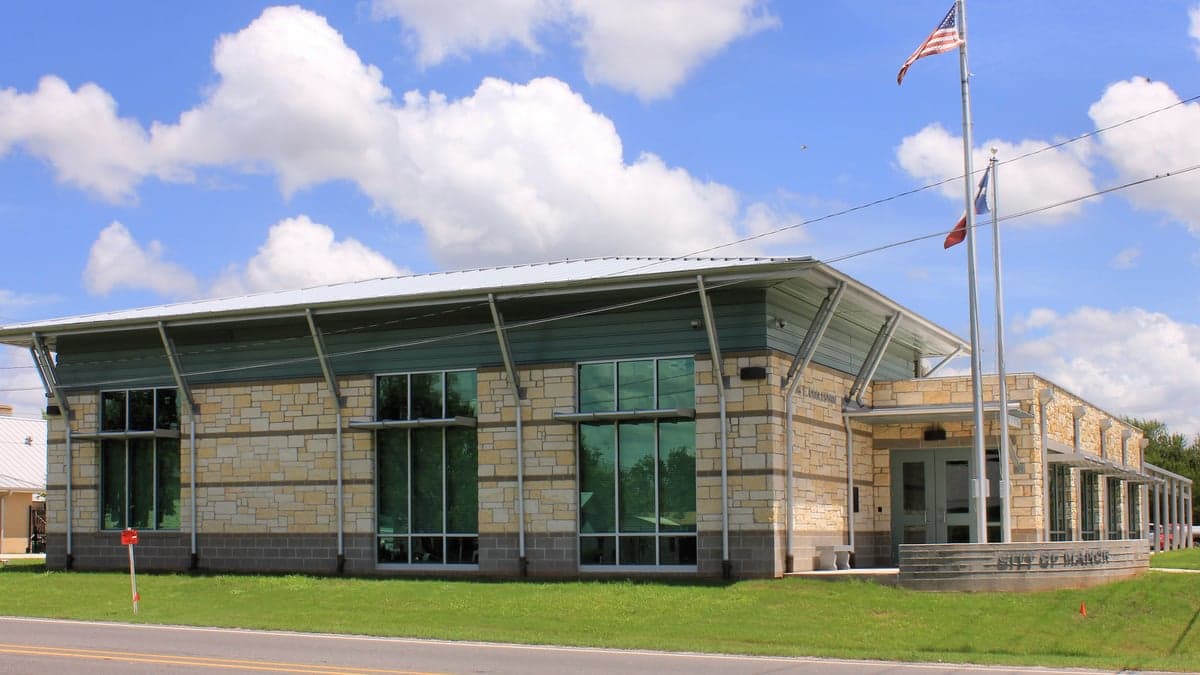
Photo: Wikipedia
Strategic Assessment of Manor, TX
Multiple tactical vulnerabilities. Population density, target proximity, or disaster risk are likely compounding. A retreat property and exit planning is required.
What does the Strategic Assessment tell us?
Our Strategic Assessment grades tactical survivability of an area. Major population centers, military targets, fallout zones, natural disasters, and border exposure all drive risk — lower exposure means a more defensible position in a crisis.
This is heavily inspired by Joel Skousen's Strategic Relocation book. Highly recommended you checkout the book ($)What does this tell us?
Our Strategic Assessment grades tactical survivability of an area. Major population centers, military targets, fallout zones, natural disasters, and border exposure all drive risk — lower exposure means a more defensible position in a crisis.
This is heavily inspired by Joel Skousen's Strategic Relocation book. Highly recommended you checkout the book ($)Strategic Pillars

Key Distances
Regional Safe Places
Below is our recommended "safe zones" in Texas and the surrounding area based on our strategic heuristics. For most people, it's unrealistic to live in a “safe zone” full-time due to work, family or other personal reasons. They tend to be more rural. However, many of these areas are perfect for second homes and retreat properties that double as a vacation home or even a short-term rental.

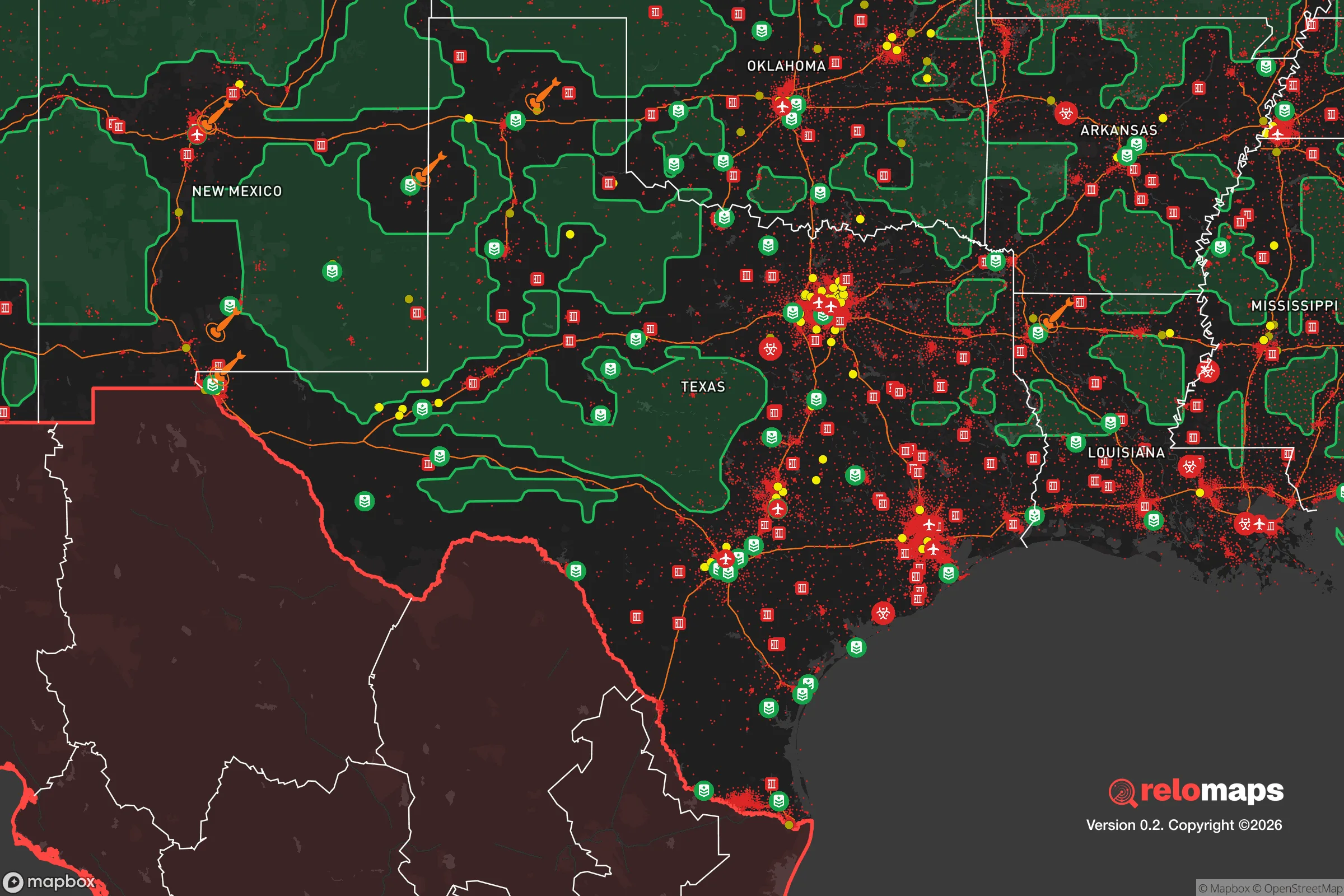


Important Note: For informational purposes only. This does not mean nothing bad ever happens in the green zones. Please use common sense. This is based on public data and modeled with AI. We tried to take a conservative approach but mistakes happen. We update this regularly as new information becomes available.
Solar Generator Recommendations
Backup power matters more here than in safer locations. We've picked three solar generators across budgets and capacity tiers — start with the budget unit if you only need a few essentials, or step up if you want to run a fridge and HVAC for days at a time.

Jackery Portable Power Station Explorer 300
Budget OptionPower on the Go: Weighing only 11 lbs, it's convenient to set up and store with book-sized foldable solar panels

BLUETTI Portable Power Station AC180
Designed for both indoor and outdoor scenarios, AC180 is highly capable as it has a robost capacity and continuous output power.

EF ECOFLOW DELTA Pro Ultra Power Station
Upgraded PickEcoFlow DELTA Pro Ultra is a whole-home energy system designed to grow with your family. Integrated with the Smart Home Panel 2, it scales to meet your evolving energy needs — keeping your home powered, intelligent, and secure through every stage of life.
We earn a commission, at no additional cost to you.
Strategic Assessment Analysis
Manor, Texas, sits in a tricky spot for anyone serious about long-term resilience. It's a fast-growing small town just east of Austin, which means you get some rural buffer but remain uncomfortably close to a major urban center and its associated risks. For a relocator with a prepper mindset, Manor offers a few strategic advantages—affordable land, decent access to water, and a still-agricultural base—but those come with serious exposure to fallout from civic unrest, infrastructure failure, and proximity to high-value targets. The hard truth is that Manor is a compromise location: close enough to benefit from Austin's resources in normal times, but close enough to be swept up in its chaos when things go sideways.
Geographic position and natural advantages for a self-reliant setup
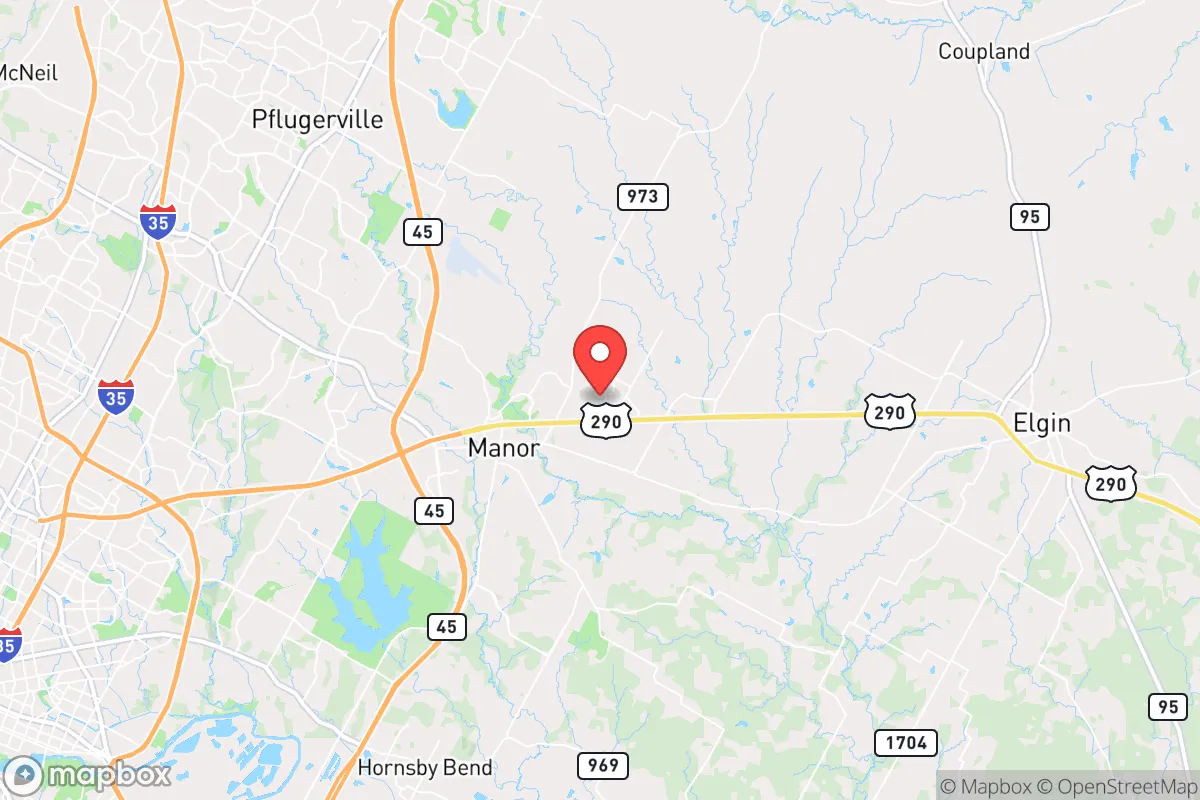
Manor sits on the eastern edge of Travis County, roughly 15 miles from downtown Austin, at the transition between the Blackland Prairie and the Post Oak Savannah. The terrain is mostly flat to gently rolling, with decent soil for small-scale agriculture—historically cotton and corn, now shifting to hay and livestock. The area gets about 34 inches of rain annually, enough for rain catchment if you plan for it, though droughts are common and the region is under constant threat of wildfire during dry spells. The Colorado River runs about 10 miles south, near Bastrop, and while Manor itself isn't riverfront, the underlying Carrizo-Wilcox Aquifer provides decent groundwater in some spots. Well drilling is possible but not guaranteed—you'll need to check specific lot records and depth requirements. The climate is hot and humid in summer, mild in winter, which makes solar power viable year-round but also means you'll need serious cooling capacity off-grid. Natural advantages are modest: flat land for solar arrays, decent growing seasons, and enough space between properties in the older rural sections to give you some privacy. But the area is suburbanizing fast—new subdivisions are eating up farmland, and that reduces both your buffer and your ability to live unnoticed.
Risks, exposures, and proximity to fallout-relevant landmarks
This is where Manor gets concerning. You're within 20 miles of downtown Austin, which is a concentration of state government, the University of Texas, major tech campuses (Tesla's Gigafactory, Samsung's expansion), and Austin-Bergstrom International Airport. In a scenario involving civil unrest, mass casualty events, or a coordinated attack, those are prime targets. Manor sits directly under the flight path of ABIA and is bisected by US 290, a major evacuation route that would become a parking lot in a crisis. The proximity to I-35, just west, adds another chokepoint. If Austin experiences a grid-down event, a pandemic, or social breakdown, the spillover into Manor will be rapid—people fleeing the city will pour east along 290, and Manor's own growing population (now over 15,000) will compete for the same limited local resources. There's also the risk of industrial accidents: the nearby Tesla plant and the Samsung semiconductor facility involve hazardous materials, and a fire or explosion could contaminate air and water. Manor is not within the immediate blast radius of a nuclear strike on Austin, but fallout patterns depend on wind; prevailing winds from the south-southeast would carry contamination toward Manor. Additionally, the area's flat terrain offers little natural cover or defensible positions—you can see and be seen for miles.
Practical resilience: food, water, energy, and defensibility for a relocator
Let's break down what you can actually do here. Food: Manor still has active farms and ranches, and the local farmers' market is decent, but you can't rely on that in a crisis. You'll need to establish your own garden and possibly small livestock—chickens, goats, rabbits—which is feasible on a half-acre or more. The soil is workable but requires amendment; raised beds with compost are a good bet. Water: Municipal water comes from the Colorado River via the Lower Colorado River Authority, which is vulnerable to drought, infrastructure failure, and contamination. A well is your best bet, but permits and drilling costs vary. Rainwater catchment is legal and encouraged in Texas; a 2,000-gallon tank system can supplement household use. Energy: The ERCOT grid is notoriously fragile—winter storms and summer heat waves have caused blackouts. Solar panels with battery storage are a wise investment; Manor gets about 220 sunny days per year, enough for a solid off-grid setup. Natural gas generators are common but require fuel storage. Defensibility: This is the weak point. Manor's layout is a mix of older rural homes on large lots and newer subdivisions on small lots. The older sections offer more standoff distance, but the terrain is open. There are no natural barriers like hills or rivers to slow an approaching threat. You'll need to harden your property with fencing, lighting, and perhaps a safe room. Community resilience is low—Manor is a bedroom community, not a tight-knit rural town. Most residents commute to Austin and have little interest in mutual aid or preparedness. You'll largely be on your own.
Overall, Manor presents a strategic picture that demands honest assessment. It's not a retreat location—it's a compromise for someone who needs to stay within commuting distance of Austin but wants a little more space and a slightly lower risk profile than living inside the city. The proximity to high-value targets, the flat and open terrain, and the rapid suburbanization all work against long-term resilience. If you're serious about prepping, you'd be better off looking further east toward Elgin or Bastrop, where you get more land, better water access, and more distance from urban fallout. But if Manor is your only option due to work or family, you can make it work with aggressive investment in self-sufficiency—well water, solar, food production, and a hardened perimeter. Just don't mistake its small-town feel for safety. The risks are real, and they're getting closer every year.

* Values derived from national, state, county, city and local statistics and may differ in a specific area. Last updated: 2026-05-14T18:37:00.000Z
Narrative content on this page is AI-generated and may contain mistakes. Verify any details that matter before acting on them.
ReloMaps may earn a commission from affiliate links at no extra cost to you.

