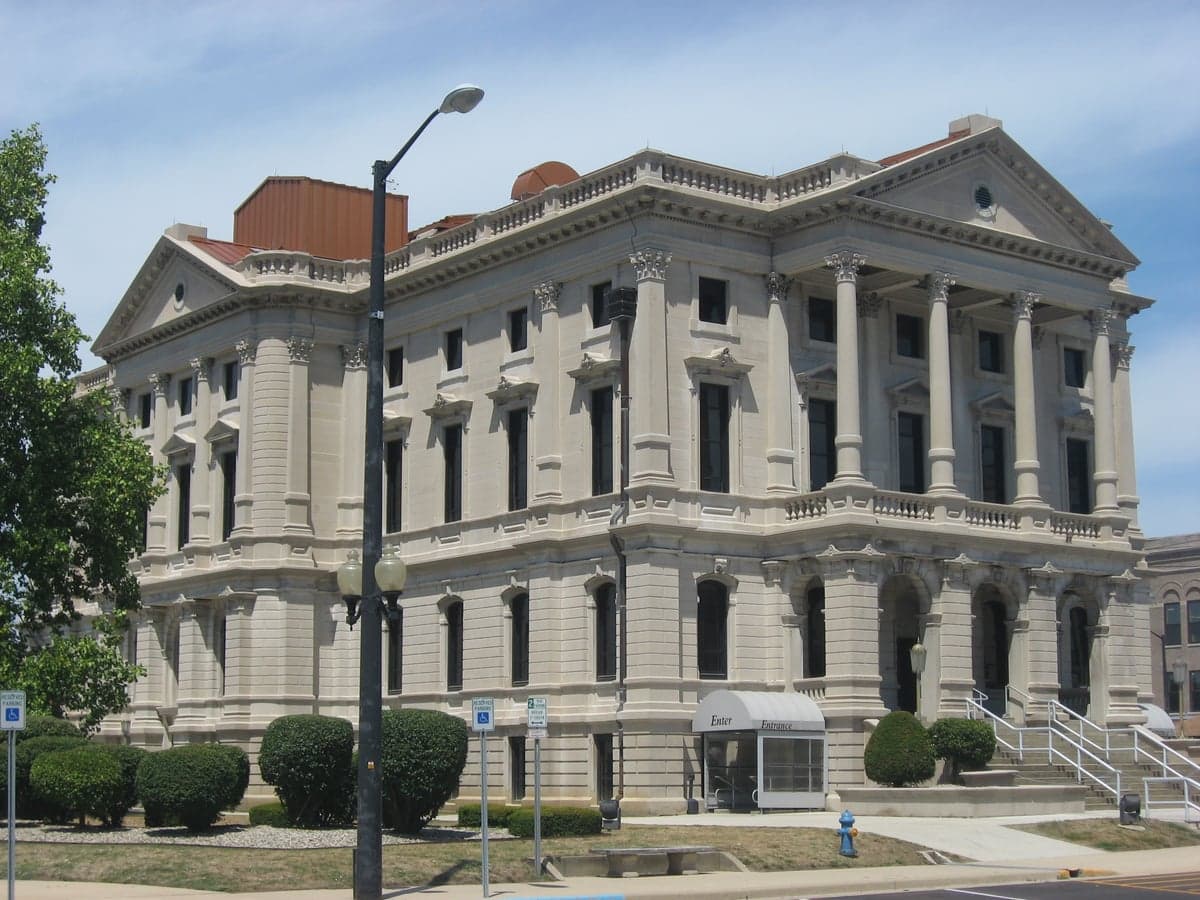
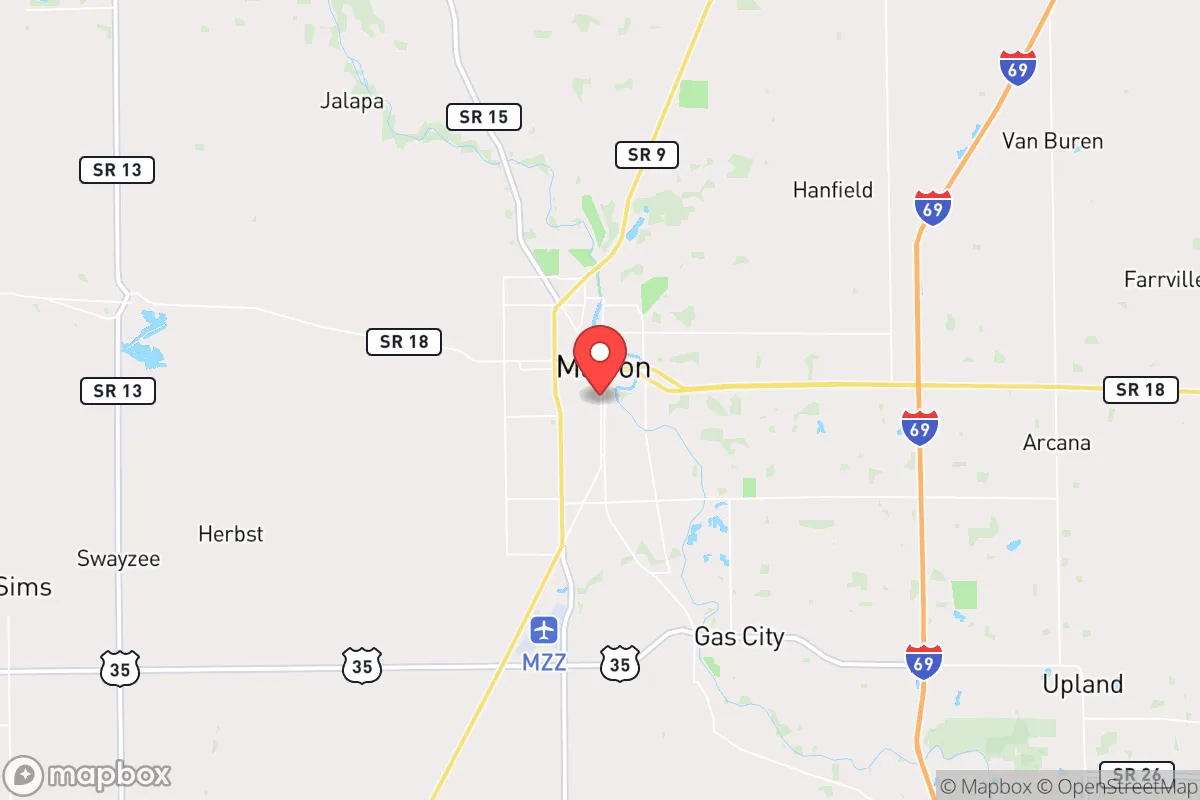
Photo: Wikipedia
Quality of Life in Marion, IN
A high quality of life with strong walkability, manageable living costs, healthy neighborhood signals, and solid amenity access.
What does Quality of Life tell us?
Quality of Life blends cost of living, nearby amenities, socioeconomic signals, and neighborhood character. City-level scores represent the whole municipality; individual neighborhoods can differ.
What does this tell us?
Quality of Life blends cost of living, nearby amenities, socioeconomic signals, and neighborhood character. City-level scores represent the whole municipality; individual neighborhoods can differ.
Cost of Living
49% below national average
The Real Cost of Living in Marion, IN for 2026
| Tier | Individual | Family (4) |
|---|---|---|
| Survival | $12k | $23k |
| Comfortable | $20k | $30k |
| Luxury | $75k+ | $115k+ |
| Elite (Top 5%) | $88k+ | $136k+ |
146%
The Area Signal
A metric tracking the socioeconomic signals of the area.
Hobbies
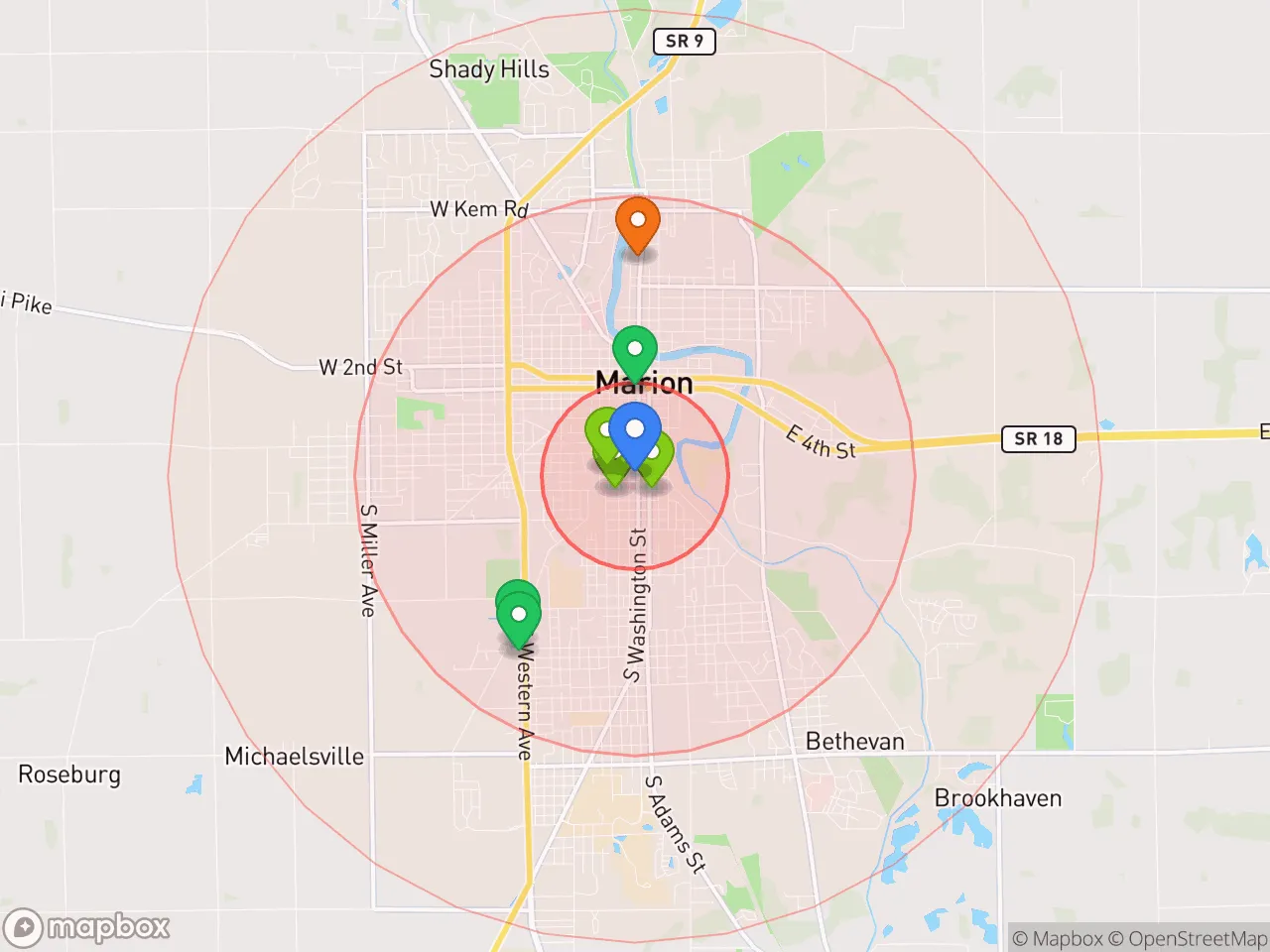
Explore the areaGroceries
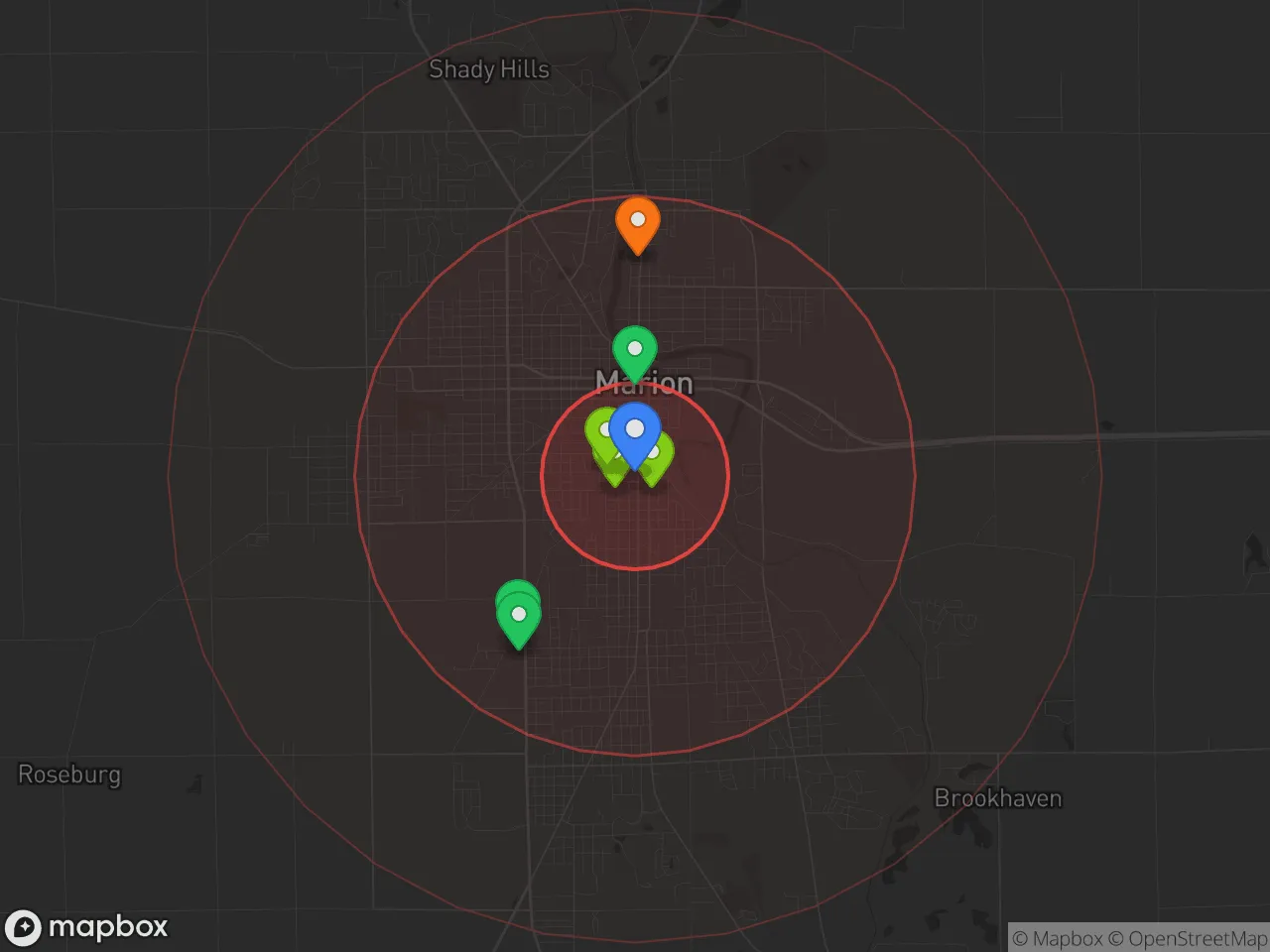
3 within 10 miles
Gas
18 within 10 miles
Hospital
3 within 20 miles
Airport
Indianapolis International Airport
Post Office
USPS — Gas City, IN
Critical Amenities
Quality-of-Life Analysis
Marion, Indiana, offers a distinctly low-cost quality of life that attracts a mix of working-class families, retirees on fixed incomes, and first-time homebuyers seeking affordability over urban amenities. With a cost of living index of 51—roughly half the national average—the city provides a financial cushion that is increasingly rare in the Midwest. The population skews older and more economically stable than the national median, with many residents employed in manufacturing, healthcare, and education sectors that anchor the local economy.
How housing costs and everyday expenses compare to nearby cities
Marion’s housing market is among the most affordable in Indiana, with a median home value of $83,200 and a median rent of $760 per month. For context, a comparable home in Muncie (about 30 miles east) would cost roughly 20% more, while in Indianapolis (70 miles south) the same property would be two to three times as expensive. The average commute of just 17.6 minutes is significantly shorter than the national average of 26 minutes, meaning residents spend less on gas and vehicle maintenance. Utility costs are also below the U.S. norm, and property taxes in Grant County remain moderate. However, the trade-off is a limited rental market—most units are older single-family homes or small apartment complexes, and newer luxury apartments are scarce. For buyers, the low home prices mean a mortgage payment on a median-priced home can be under $600 per month with a conventional loan, making homeownership accessible even for households earning near the area’s median income of roughly $45,000.
What daily life is like for families, retirees, and workers
Daily life in Marion revolves around a compact downtown core, a handful of regional employers, and a network of parks and community centers. The Marion Community Schools district serves most families, with a graduation rate around 85% and several elementary schools rated above state averages. Indiana Wesleyan University, a private Christian university with over 3,000 students, brings a modest college-town energy and cultural events like theater productions and guest lectures. For recreation, residents use Matter Park for walking trails and the Marion YMCA for fitness and youth programs. Grocery shopping is concentrated around a few major chains (Walmart, Kroger), and dining options lean toward chain restaurants and local diners rather than a diverse food scene. Healthcare is accessible via Marion Health, a 150-bed hospital that also operates several outpatient clinics. The pace is unhurried—most errands can be completed in under 15 minutes—and traffic is rarely a concern. The biggest daily friction for some is the limited public transit; owning a car is essential for most errands and commuting to jobs in nearby towns like Gas City or Jonesboro.
Marion is best suited for those who prioritize financial breathing room over urban excitement. Retirees on fixed incomes will find the low housing costs and short commutes especially appealing, as will remote workers who can earn a national salary while spending half the national average on living expenses. Families seeking a safe, slow-paced environment with decent schools and low crime relative to larger Indiana cities will also fit well here. However, professionals seeking a vibrant nightlife, diverse dining, or a robust job market outside of manufacturing and healthcare may find Marion too quiet. For the right resident—one who values affordability, community, and a manageable daily routine—Marion delivers a stable, low-stress quality of life that is increasingly hard to find elsewhere.

Crime in Marion, IN
Lower crime rates than 83% of comparable U.S. locations.
Violent CrimeViolent Crime Analysis
Property CrimeProperty Crime Analysis
Crime Analysis
Marion, Indiana, presents a mixed safety profile that diverges sharply from national averages. While the city’s violent crime rate of 109.9 per 100,000 residents is notably low, its property crime rate of 1,187.6 per 100,000 is significantly elevated, placing property-related incidents as the primary concern for residents and newcomers. This combination creates a community where the risk of a violent encounter is relatively rare, but the likelihood of experiencing theft, burglary, or vandalism is well above typical benchmarks.
Crime in context
To understand Marion’s safety landscape, it is essential to compare its figures to broader state and national data. The city’s violent crime rate is roughly 62% lower than the national average of approximately 290 per 100,000, and also well below Indiana’s state average. This suggests that serious offenses like homicide, rape, and aggravated assault are uncommon events. However, the property crime rate is a stark contrast. At 1,187.6 per 100,000, it is nearly double the national average of around 600 per 100,000 and significantly higher than the Indiana state average. This disparity indicates that while personal safety from violent acts is relatively strong, securing personal property requires vigilance. The high property crime rate is a factor that should be weighed carefully, particularly for those moving from areas with lower baseline theft rates.
What residents experience
Daily life in Marion is shaped more by the threat of property crime than by fear of violence. Residents commonly report issues with vehicle break-ins, theft from porches, and burglaries of unsecured sheds or garages. The city’s police department actively encourages community reporting and participation in neighborhood watch programs to combat these trends. While the low violent crime rate is a positive, it is important to note that the broader criminal justice environment in Indiana, including in Grant County, can influence outcomes. Progressive prosecutorial policies, which prioritize rehabilitation over incarceration, can lead to higher recidivism and more offenders cycling back onto the streets, potentially exacerbating property crime problems. This ideological approach, while sympathetic to offenders, can negatively impact public safety by reducing the deterrent effect of swift and certain consequences.
Neighborhood-level variation
Safety is not uniform across Marion. The downtown core and areas near major commercial corridors, such as along South Washington Street, tend to see higher concentrations of property crime, including shoplifting and vehicle larceny. In contrast, established residential neighborhoods on the city’s north and west sides, particularly those with active homeowners’ associations, often report lower crime rates. Prospective residents should examine block-level crime maps and consider visiting neighborhoods at different times of day. Areas with higher homeownership rates and visible community engagement consistently show better safety outcomes, while rental-heavy districts near the city’s industrial zones may experience more transient-related issues. Local real estate agents and the Marion Police Department’s crime mapping tool are valuable resources for identifying safer pockets within the city.
* Values derived from national, state, county, city and local statistics and may differ in a specific area. Last updated: 2026-04-22T10:36:51.000Z
Narrative content on this page is AI-generated and may contain mistakes. Verify any details that matter before acting on them.
ReloMaps may earn a commission from affiliate links at no extra cost to you.

