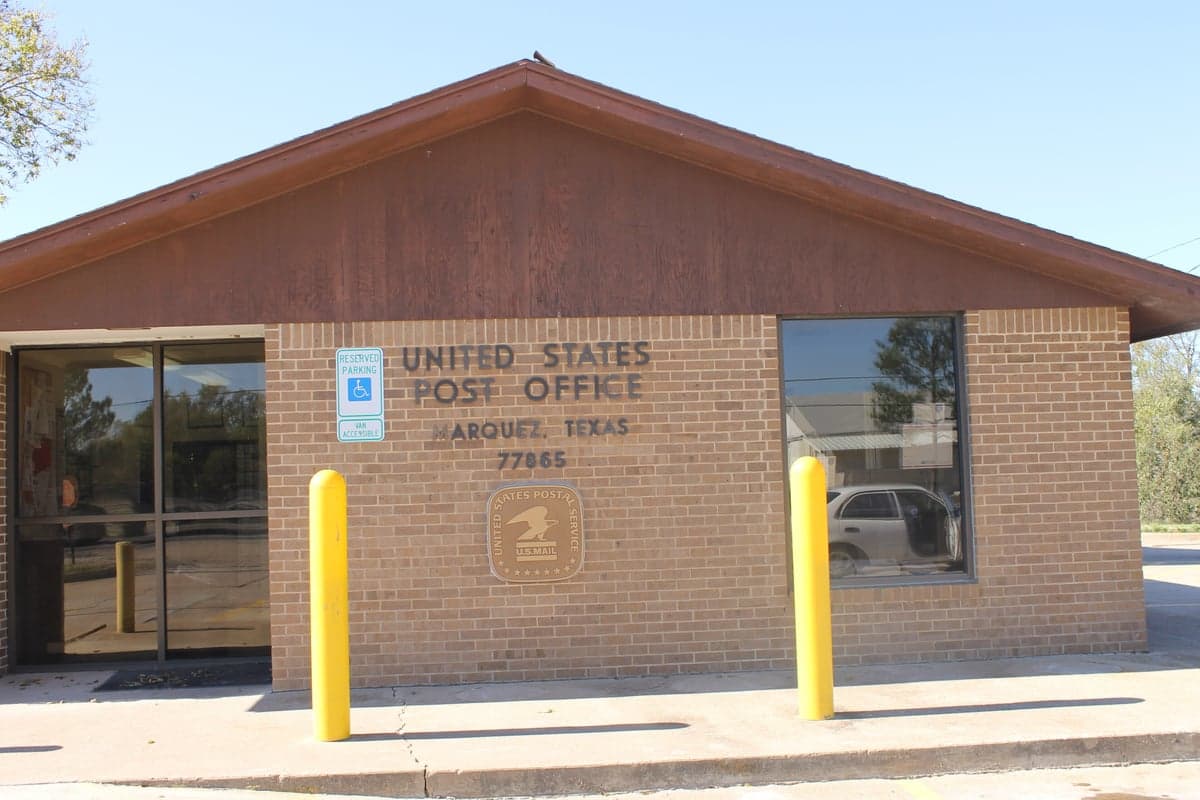
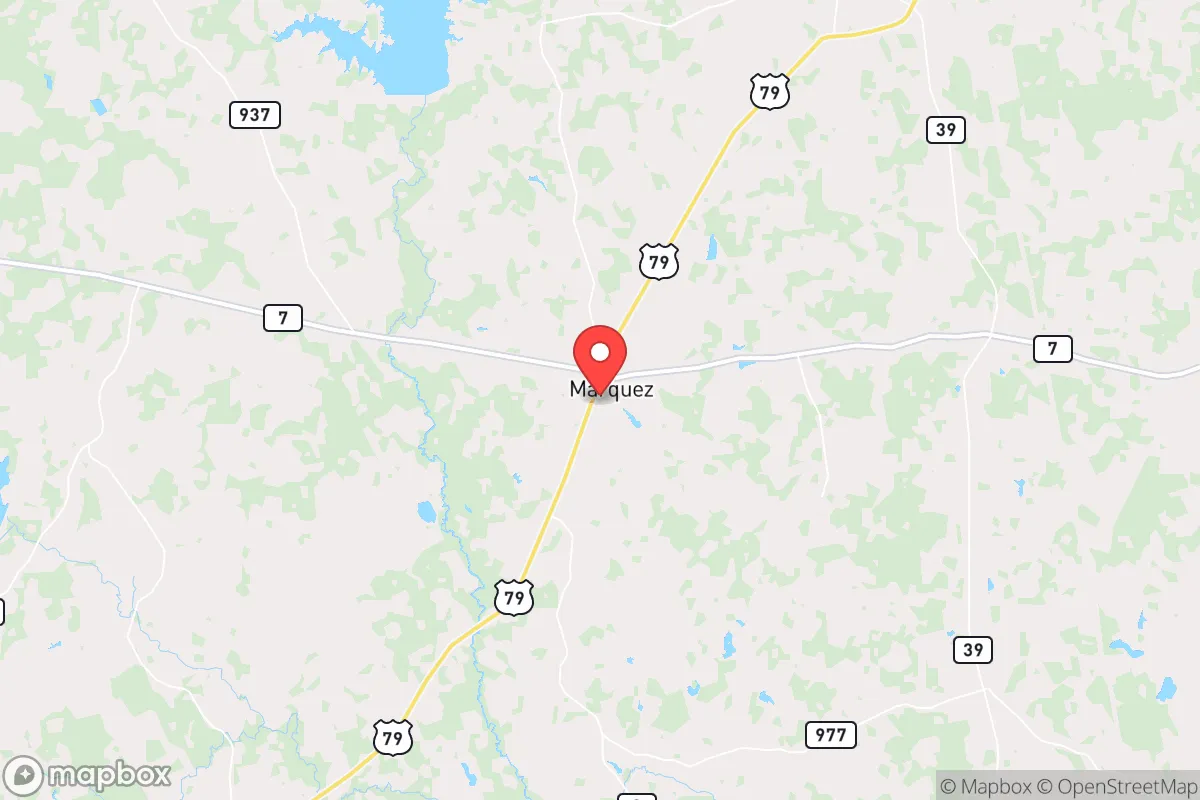
Photo: Wikipedia
Quality of Life in Marquez, TX
A livable area that tracks near national norms for affordability, walkability, and neighborhood health.
What does Quality of Life tell us?
Quality of Life blends cost of living, nearby amenities, socioeconomic signals, and neighborhood character. City-level scores represent the whole municipality; individual neighborhoods can differ.
What does this tell us?
Quality of Life blends cost of living, nearby amenities, socioeconomic signals, and neighborhood character. City-level scores represent the whole municipality; individual neighborhoods can differ.
Cost of Living
6% above national average
The Real Cost of Living in Marquez, TX for 2026
| Tier | Individual | Family (4) |
|---|---|---|
| Survival | $21k | $40k |
| Comfortable | $51k | $74k |
| Luxury | $150k+ | $232k+ |
| Elite (Top 5%) | $176k+ | $273k+ |
117%
* median home value, median rent, and top-5% income substituted from state-level data — local Census figures unavailable for small populations
The Area Signal
A metric tracking the socioeconomic signals of the area.
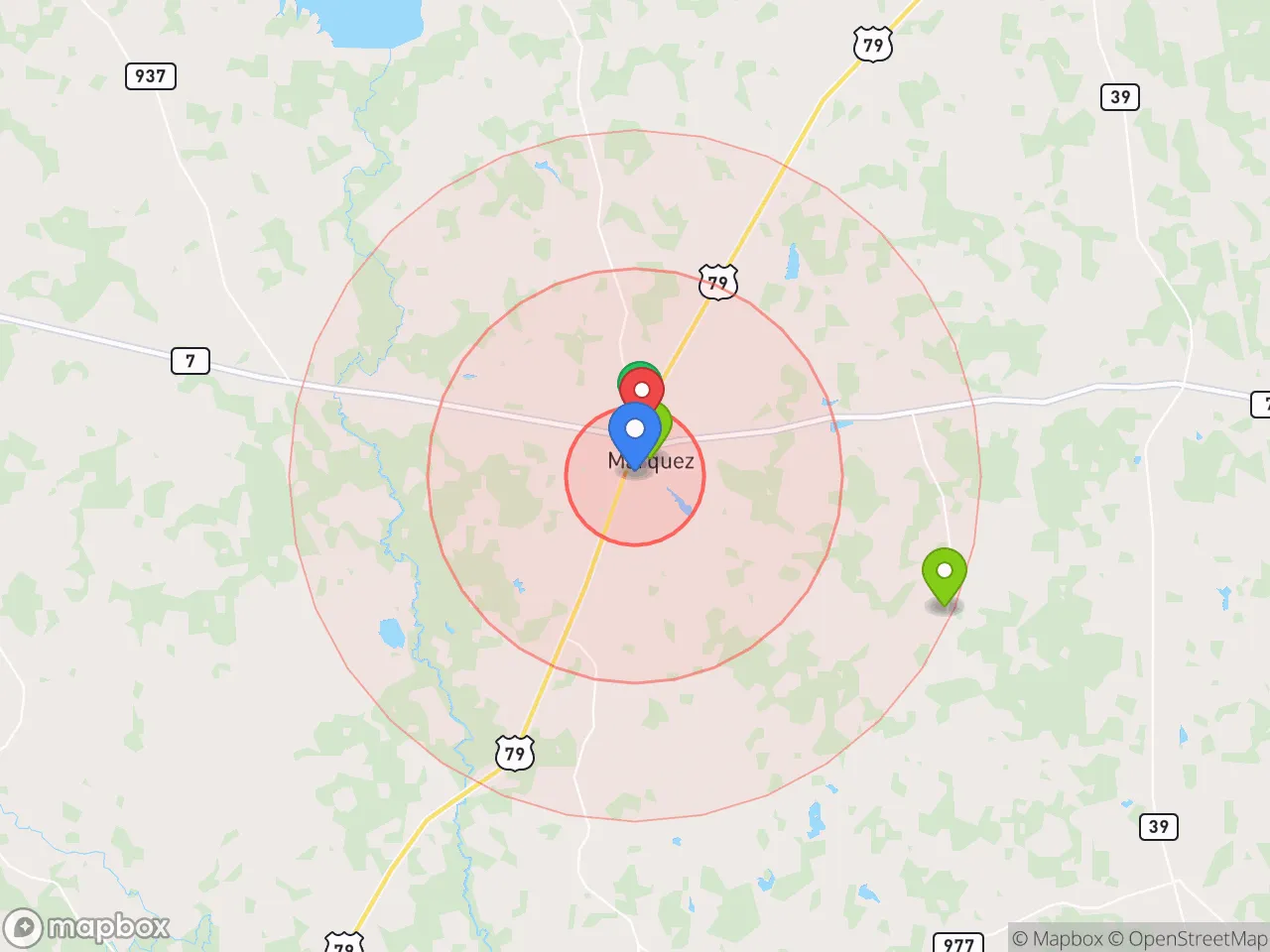
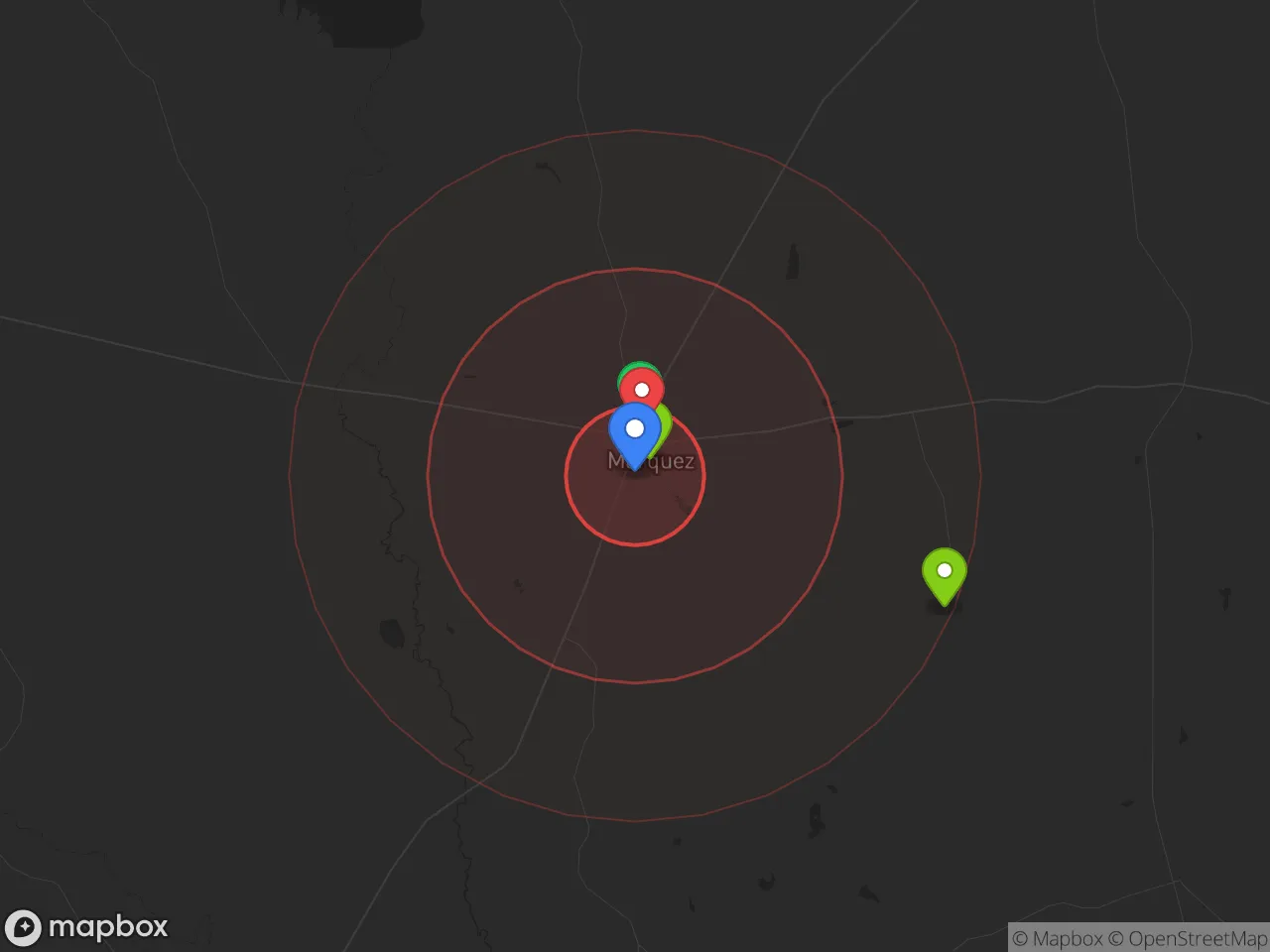
Limited data for this area
Limited data for this area
Hobbies
Explore the areaGroceries
0 within 10 miles
Gas
2 within 10 miles
Hospital
0 within 20 miles
Airport
IAH — George Bush Intercontinental
Post Office
USPS — Centerville, TX
Critical Amenities
Quality-of-Life Analysis
Marquez, Texas, presents a quality of life defined by small-town affordability and a predominantly working-class demographic, with a cost of living index of 106—six percent above the national average—reflecting its position as a more economical alternative to the booming Austin metro area. The town’s population of roughly 200 residents is largely composed of families, retirees, and commuters who value quiet, rural living over urban amenities. Median household incomes here lag behind state averages, aligning with the area’s role as a bedroom community for workers employed in nearby cities like Bryan-College Station and Crockett.
Cost of living, housing affordability, and how Marquez compares to nearby towns
Housing in Marquez remains notably affordable compared to the broader Texas market, with a median home value of $260,400 and a median rent of $1,339—figures that undercut the Austin-Round Rock metro area by roughly 30% and are competitive with smaller Leon County communities like Centerville. The cost of living index of 106 is driven primarily by higher-than-average transportation and utility expenses, as residents often travel significant distances for work and shopping. For context, a comparable home in nearby Bryan (population ~85,000) would cost about 15% more, while the same property in Austin would exceed $450,000. This pricing makes Marquez attractive to first-time homebuyers and those seeking acreage, though the trade-off is limited rental inventory and a housing stock dominated by older, single-family homes on large lots.
Local amenities, schools, and what daily life is really like in Marquez
Daily life in Marquez revolves around a handful of local businesses—a gas station, a Dollar General, and a small café—with most residents driving 15–20 minutes to Centerville or 30 minutes to Bryan for groceries, healthcare, and dining. The average commute of 26.7 minutes is manageable by rural Texas standards but underscores the town’s reliance on personal vehicles; public transit is nonexistent. Schools are served by the Leon Independent School District, where Marquez Elementary and Marquez High School enroll fewer than 200 students total, offering small class sizes but limited advanced placement or extracurricular options compared to larger districts. The community’s rhythm is shaped by seasonal events like the Marquez Volunteer Fire Department BBQ and the annual Leon County Fair, with outdoor recreation centered on Lake Marquez and the nearby Trinity River for fishing and kayaking.
Marquez is best suited for those who prioritize low housing costs and a slow pace of life over urban convenience—particularly remote workers, retirees on fixed incomes, and families who don’t mind a 25-minute drive for a full-service grocery store. The town’s affordability and tight-knit social fabric appeal to people seeking to escape rising rents in Texas’s major metros, though the lack of job diversity, healthcare facilities, and entertainment options will frustrate those accustomed to city amenities. For the right resident—someone comfortable with self-reliance and a 30-minute commute to Bryan-College Station’s employment base—Marquez offers a stable, low-stress foundation for rural living.

Crime in Marquez, TX
Crime rates similar to the national median for U.S. locations.
Violent CrimeViolent Crime Analysis
Property CrimeProperty Crime Analysis
Crime Analysis
Marquez, Texas, reports a violent crime rate of 342.3 per 100,000 residents and a property crime rate of 1,780.9 per 100,000, placing it above the national average for both categories. These figures indicate that while Marquez is not a high-crime city by Texas standards, it presents a safety profile that warrants careful consideration, particularly for families and retirees seeking a quiet rural environment. The town’s small population—roughly 200 residents—means that even a few incidents can significantly skew annual statistics, making year-to-year comparisons less reliable than in larger jurisdictions.
Crime in context
Marquez’s violent crime rate of 342.3 per 100,000 is roughly 1.5 times the national average of about 230 per 100,000, while its property crime rate of 1,780.9 per 100,000 is approximately 1.2 times the national average of 1,500 per 100,000. Compared to the state of Texas, which recorded a violent crime rate of 447 per 100,000 and a property crime rate of 2,350 per 100,000 in 2023, Marquez fares slightly better on property crime but remains elevated on violent offenses. The town is located in Leon County, a rural area with limited law enforcement resources; the Leon County Sheriff’s Office provides primary coverage, with the Marquez Police Department handling local calls. The county’s overall crime rate is lower than the state average, but Marquez itself sees a disproportionate share of incidents, likely due to its location along State Highway 7, a corridor that can attract transient crime.
What residents experience
Residents of Marquez report that property crimes—particularly theft from vehicles and burglaries of unoccupied homes—are the most common safety concerns. The town’s remote character means that many homes sit vacant during the workday, creating opportunities for opportunistic theft. Violent crime is less frequent but includes aggravated assault and, in rare cases, robbery. The local justice system operates under Leon County’s judicial leadership; while the county is not a large metro area with progressive prosecutors, readers should be aware that any jurisdiction with lenient sentencing policies can contribute to recidivism. In Marquez, the proximity to larger cities like College Station (45 miles east) and Waco (60 miles west) means that offenders from those areas sometimes pass through, and the local court’s approach to repeat offenders directly impacts public safety. Residents often emphasize the importance of securing property and maintaining neighborhood watch networks to mitigate risk.
Neighborhood-level variation in Marquez is limited due to the town’s small size, but safety tends to improve on streets farther from the highway. Areas near the downtown core, where the Marquez Volunteer Fire Department and a few businesses are clustered, see more foot traffic and slightly higher property crime. The outlying residential streets, particularly those off Farm-to-Market Road 39, experience fewer incidents. Prospective residents should consider that rural isolation can both reduce and increase risk: fewer people mean fewer potential criminals, but also slower emergency response times. The Leon County Sheriff’s Office typically responds within 15–20 minutes, while the nearest Texas Department of Public Safety troopers are based in Centerville, about 20 minutes north. For those prioritizing safety, a home with good visibility from the road and a reliable alarm system is recommended.
* Values derived from national, state, county, city and local statistics and may differ in a specific area. Last updated: 2026-10-10T16:28:14.000Z
Narrative content on this page is AI-generated and may contain mistakes. Verify any details that matter before acting on them.
ReloMaps may earn a commission from affiliate links at no extra cost to you.

