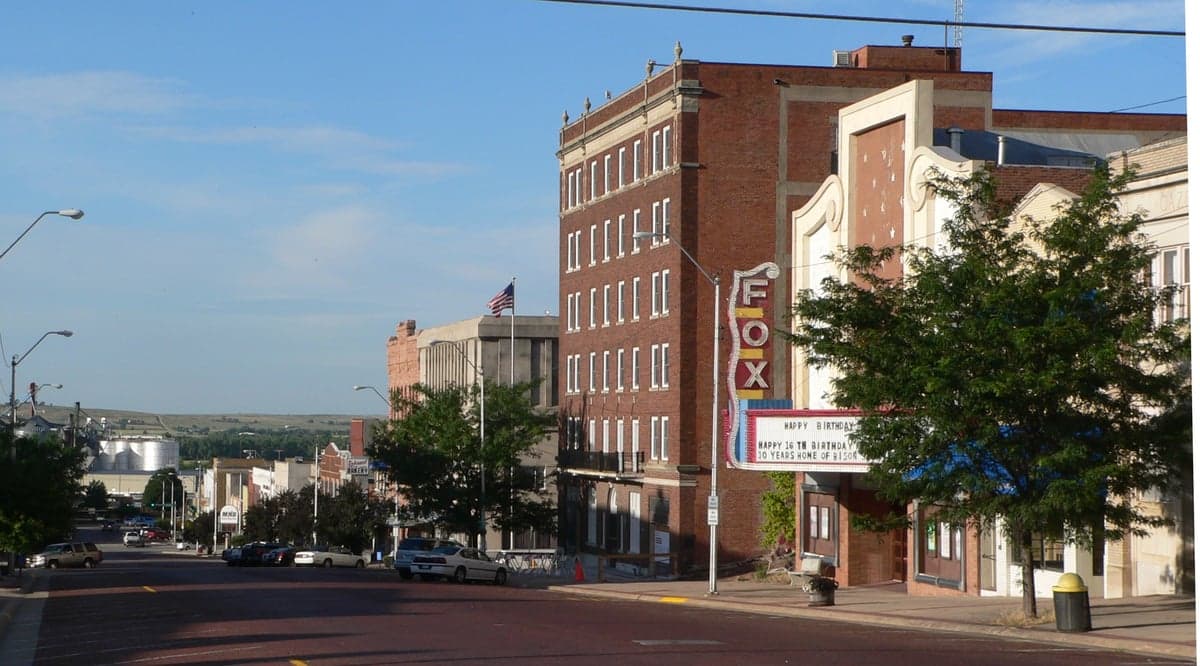
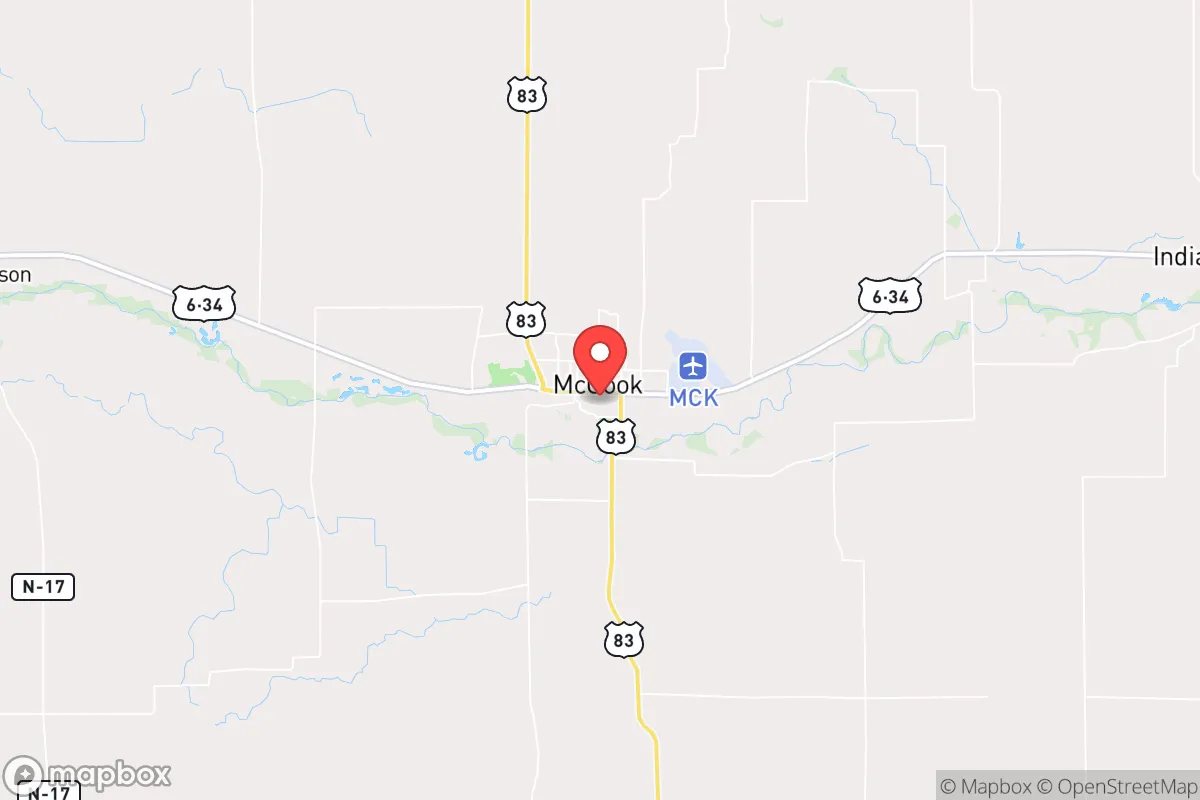
Photo: Wikipedia
Quality of Life in Mccook, NE
A high quality of life with strong walkability, manageable living costs, healthy neighborhood signals, and solid amenity access.
What does Quality of Life tell us?
Quality of Life blends cost of living, nearby amenities, socioeconomic signals, and neighborhood character. City-level scores represent the whole municipality; individual neighborhoods can differ.
What does this tell us?
Quality of Life blends cost of living, nearby amenities, socioeconomic signals, and neighborhood character. City-level scores represent the whole municipality; individual neighborhoods can differ.
Cost of Living
40% below national average
The Real Cost of Living in Mccook, NE for 2026
| Tier | Individual | Family (4) |
|---|---|---|
| Survival | $12k | $23k |
| Comfortable | $27k | $39k |
| Luxury | $94k+ | $145k+ |
| Elite (Top 5%) | $136k+ | $211k+ |
132%
The Area Signal
A metric tracking the socioeconomic signals of the area.


Hobbies
Explore the areaGroceries
5 within 10 miles
Gas
0 within 10 miles
Hospital
2 within 20 miles
Airport
DEN — Denver International
Post Office
USPS — McCook, NE
Critical Amenities
Quality-of-Life Analysis
McCook, Nebraska, offers a notably affordable quality of life that attracts families, retirees, and professionals seeking a low-stress, community-oriented lifestyle. With a cost of living index of 60 (40% below the U.S. average) and a median home value of $137,400, the area provides significant financial breathing room compared to national norms. The population skews toward older, established residents and young families, creating a stable, neighborly atmosphere where people know each other by name.
Cost of living, housing, and affordability compared to nearby areas
McCook’s cost of living is among the lowest in Nebraska, making it a standout for budget-conscious movers. The median home value of $137,400 is roughly half the national median and well below the state average of around $200,000. Renters also benefit, with a median monthly rent of $783—far cheaper than in larger Nebraska cities like Lincoln ($1,100+) or Omaha ($1,200+). The average commute time of just 9.9 minutes is a major quality-of-life advantage, slashing transportation costs and freeing up time for family, hobbies, or side projects. Compared to nearby towns like North Platte (median home value ~$150,000) or Ogallala (~$160,000), McCook remains the most affordable option in the region, especially for first-time homebuyers. Property taxes in Red Willow County are moderate, and utility costs track below the national average, further stretching household budgets.
Local amenities, schools, and what daily life feels like
Daily life in McCook centers on a compact, walkable downtown with local shops, a historic theater, and family-owned restaurants. The McCook Public Schools system serves around 1,200 students and maintains above-average graduation rates, while the nearby McCook Community College offers associate degrees and vocational training. For outdoor recreation, residents have access to Heritage Hills Golf Course, the Red Willow Reservoir (a 20-minute drive for fishing and boating), and several city parks with walking trails. Healthcare is anchored by the Community Hospital of McCook, a critical-access facility with a Level IV trauma center. The pace is unhurried—most errands can be done in under 15 minutes, and traffic is virtually nonexistent. Entertainment leans toward community events like the Buffalo Commons Storytelling Festival and high school sports, which draw strong crowds. For major shopping or specialized medical care, residents drive 90 minutes to North Platte or 2.5 hours to Denver.
McCook is best suited for people who value financial predictability, short commutes, and a tight-knit social fabric. Retirees on fixed incomes will find their dollars stretch far here, while remote workers can enjoy a home office with no commute stress. Families with young children benefit from safe neighborhoods and responsive schools, though teens may find limited after-hours entertainment. Professionals in agriculture, healthcare, or education will find the strongest local job market. Those seeking urban nightlife, diverse dining, or rapid career growth should look elsewhere, but for anyone prioritizing affordability, safety, and community connection, McCook delivers a high quality of life at a fraction of the national cost.

Crime in Mccook, NE
Lower crime rates than 91% of comparable U.S. locations.
Violent CrimeViolent Crime Analysis
Property CrimeProperty Crime Analysis
Crime Analysis
McCook, Nebraska, reports a violent crime rate of 27.9 incidents per 100,000 residents, which is significantly lower than both the Nebraska state average and the national median, making it one of the safer communities in the state. However, the property crime rate of 628.3 per 100,000 is elevated relative to the state average, indicating that while violent confrontations are rare, theft and property-related offenses are a more common concern for residents. This combination of low violent crime and above-average property crime places McCook in a category where personal safety is generally high, but vigilance regarding home and vehicle security is warranted.
Crime in context
McCook’s violent crime rate of 27.9 per 100,000 is roughly one-fifth the national average and well below Nebraska’s statewide rate of approximately 280 per 100,000. This places McCook among the safest small cities in the region for violent offenses, including homicide, rape, robbery, and aggravated assault. In contrast, the property crime rate of 628.3 per 100,000 is about 20% higher than the Nebraska average of roughly 520 per 100,000, though still below the national median. The most common property crimes in McCook are larceny-theft and burglary, with motor vehicle theft being relatively uncommon. These figures suggest that while residents are unlikely to experience a violent crime, they face a moderate risk of having property stolen or a home broken into.
What residents experience
For daily life in McCook, the low violent crime rate means that walking alone at night or leaving doors unlocked during the day carries minimal risk of personal harm. The police department maintains a visible presence, and community policing efforts are active. However, the elevated property crime rate means that residents should secure bicycles, tools, and outdoor equipment, and consider home security systems or neighborhood watch participation. Car break-ins and theft from unlocked vehicles are the most frequently reported property offenses. The city’s small size and tight-knit community often help in identifying suspects, but property crimes can still be a nuisance. McCook does not have the systemic issues seen in larger metro areas with progressive prosecutors, as local law enforcement and the judicial system in Red Willow County generally follow traditional sentencing guidelines, which can be a positive factor for residents concerned about recidivism.
Neighborhood-level variation in McCook is modest but noticeable. The central and older residential areas near the downtown core tend to have slightly higher property crime rates, while newer subdivisions on the city’s east and south sides report fewer incidents. The area around the McCook Community College campus and the industrial zones near Highway 6 and 83 see occasional thefts from vehicles. Overall, the city’s safety profile is strong for violent crime, but property crime requires routine precautions. For those moving from larger metro areas, the contrast in personal safety is substantial, and McCook’s low violent crime rate is a clear advantage.
* Values derived from national, state, county, city and local statistics and may differ in a specific area. Last updated: 2026-04-19T10:08:43.000Z
Narrative content on this page is AI-generated and may contain mistakes. Verify any details that matter before acting on them.
ReloMaps may earn a commission from affiliate links at no extra cost to you.

