Photo: Wikipedia
Demographics of Menlo Park, CA
Affluence Level in Menlo Park, CA
An elite concentration of wealth — high incomes, strong home values, advanced degrees, and minimal poverty signal a top-tier socioeconomic profile.
People of Menlo Park, CA
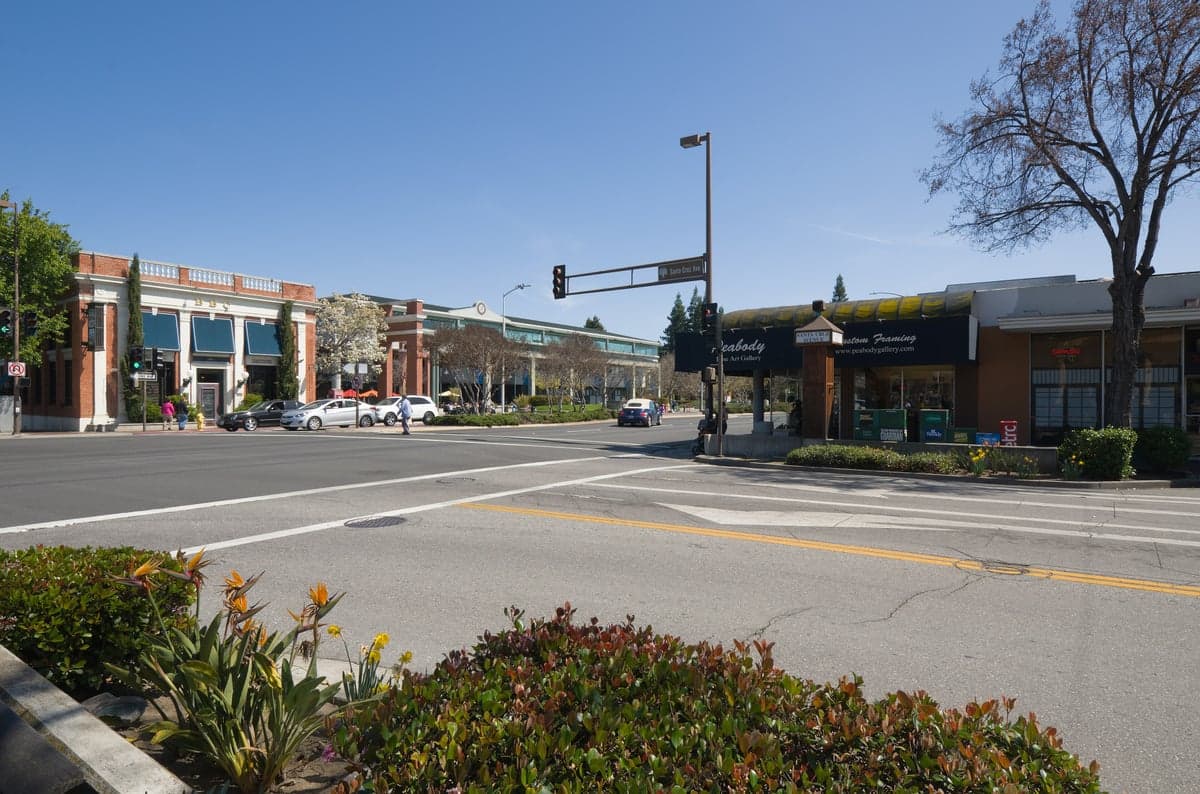
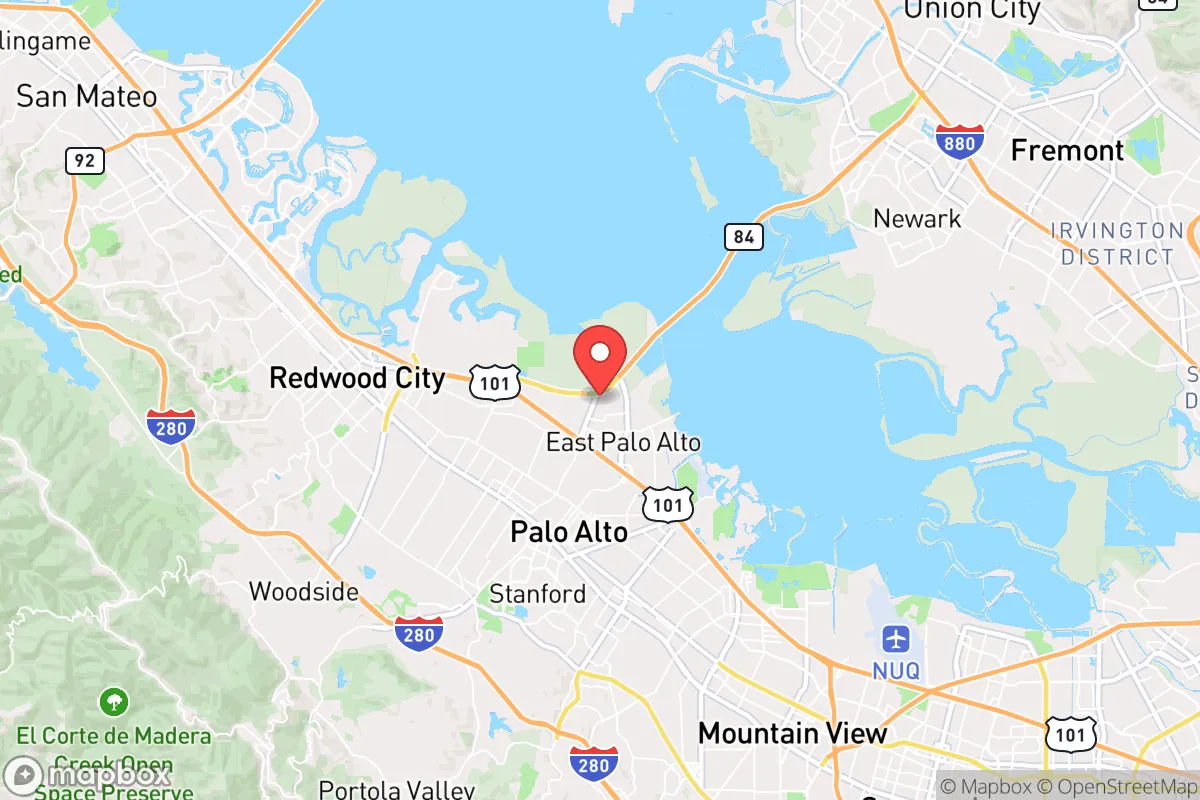
Today, Menlo Park, California is a city of 32,775 residents defined by its deep concentration of technology wealth, elite educational attainment, and a distinctly suburban character that belies its proximity to urban centers. With 72.7% of adults holding a college degree and a foreign-born population of 15.7%, the city is predominantly white (52.4%) but has significant Hispanic (19.8%) and East/Southeast Asian (15.2%) communities, alongside a smaller Indian-subcontinent population (2.9%) and a Black population of 3.4%. The city’s identity is split between the leafy, tech-executive estates of the western hills and the more modest, historically working-class neighborhoods east of El Camino Real, creating a demographic and economic fault line that shapes daily life.
How the city was settled and grew
Menlo Park’s population history begins not with Spanish missions but with the 1850s arrival of American settlers drawn by the promise of fertile land and the new railroad. The city was named after the Menlo Park Hotel, built in 1854 at the junction of the San Francisco-San Jose stagecoach line, and the first permanent residents were Anglo-American farmers and merchants who established large estates along the Alameda de las Pulgas. The original population clustered around the Downtown Menlo Park area, where the train depot (completed 1863) turned the village into a commuter stop for San Francisco businessmen. By the early 1900s, the city had become a haven for wealthy families building country estates, particularly in the West Menlo Park and Sharon Heights neighborhoods, where large lots and oak-studded hillsides attracted the city’s first elite wave. A smaller but distinct working-class population of Portuguese and Italian immigrants settled near the railroad tracks and along Willow Road, working as gardeners, dairymen, and domestic servants for the estate owners. The post-World War II boom brought a second wave of white, middle-class families into the Belle Haven neighborhood, which was developed with modest single-family homes for returning veterans and defense workers from nearby Moffett Field and the emerging Stanford Industrial Park. By 1960, Menlo Park was overwhelmingly white (over 95%) and solidly upper-middle-class, with a small but established Hispanic community concentrated in Belle Haven and along the eastern edge of the city.
Modern era (post-1965)
The 1965 Hart-Cellar Immigration Act and the simultaneous explosion of Silicon Valley technology companies transformed Menlo Park’s population. The city became a primary landing spot for East and Southeast Asian professionals—Chinese, Taiwanese, Japanese, and Korean engineers and scientists—who moved directly into the Sharon Heights and Central Menlo Park neighborhoods, drawn by top-ranked schools like Hillview and Encinal Elementary. By 2020, East/Southeast Asian residents made up 15.2% of the population, concentrated in the western half of the city where home prices exceed $3 million. The Indian-subcontinent population (2.9%) arrived later, primarily in the 1990s and 2000s, and settled in similar high-end neighborhoods, though in smaller numbers than in neighboring Cupertino or Fremont. The Hispanic population, which grew from roughly 8% in 1980 to 19.8% today, expanded almost entirely within the Belle Haven and Willow Road corridor, where older, smaller homes and rental apartments remain relatively affordable. This east-west divide has hardened: Belle Haven’s Hispanic community is largely Mexican and Central American, many working in construction, landscaping, and service jobs, while the western neighborhoods are dominated by white and Asian tech executives. The Black population (3.4%) has remained small and stable, concentrated in Belle Haven and the Downtown area, with no significant new migration from other regions.
The future
Menlo Park’s population is heading toward greater economic stratification and ethnic consolidation rather than broad integration. The Hispanic share is projected to grow slowly, reaching roughly 22-24% by 2040, driven by higher birth rates and continued service-sector immigration, but this growth will remain almost entirely within Belle Haven and the Willow Road corridor. The East/Southeast Asian population is likely to plateau or decline slightly as second-generation professionals move to newer, more affordable suburbs like Dublin or Pleasanton, while the white population will continue to age in place in the western hills, with younger white families priced out by $4 million median home prices. The Indian-subcontinent population may grow modestly as tech companies expand, but Menlo Park’s extreme housing costs will limit this growth compared to nearby San Jose or Fremont. The city is not homogenizing; it is tribalizing into distinct, geographically separate enclaves—wealthy, white and Asian west of El Camino Real; working-class, Hispanic east of it—with little demographic mixing between them.
For a conservative-leaning individual or family considering relocation, Menlo Park offers exceptional safety, schools, and property values, but the city’s demographic trajectory means you are choosing a specific neighborhood as much as a city. The western neighborhoods (Sharon Heights, West Menlo Park) are among the most affluent, educated, and politically liberal enclaves in America, while Belle Haven remains a more diverse, working-class area with lower home prices but also lower test scores and higher crime. The city is not becoming more integrated; it is becoming more sorted by income and ethnicity, and that sorting will accelerate over the next decade.

* Values derived from national, state, county, city and local statistics and may differ in a specific area. Last updated: 2026-05-02T04:55:45.000Z
Narrative content on this page is AI-generated and may contain mistakes. Verify any details that matter before acting on them.
ReloMaps may earn a commission from affiliate links at no extra cost to you.

