Photo: Wikipedia
Find The Best Places To Live
in Menlo Park
PRO TIP! You can paste a Zillow or Redfin link to get info on that property.
What It's Like Living in Menlo Park, CA
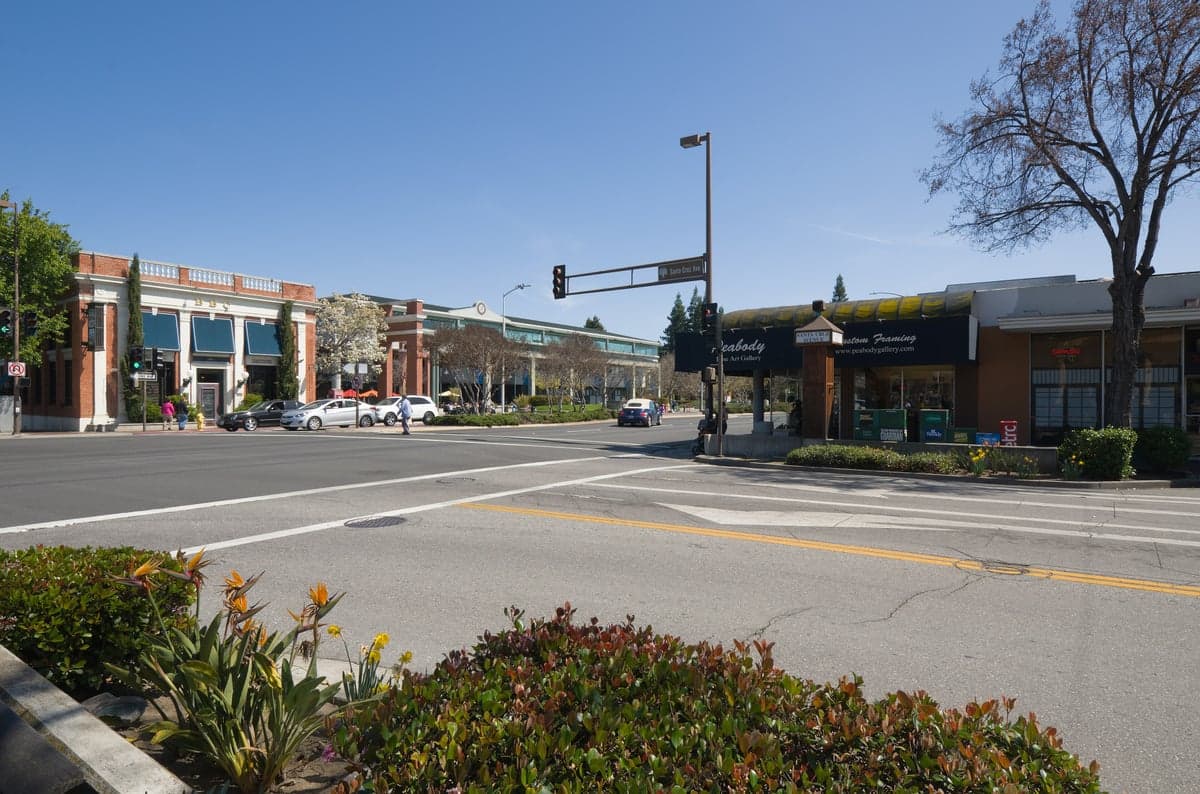
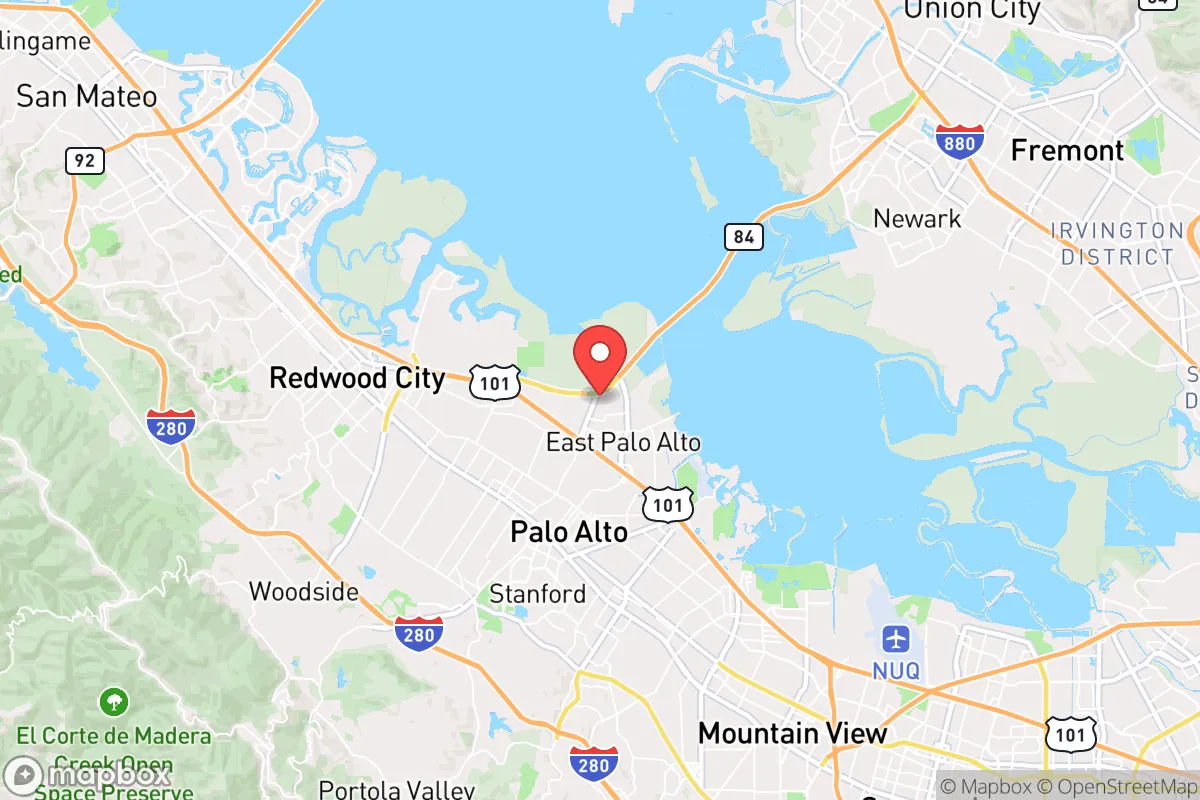
Menlo Park has a quiet, moneyed, and surprisingly suburban feel for a place that sits on the edge of one of the world’s most dynamic economic regions. It’s not a rowdy tech hub like San Francisco or a sprawling bedroom community; it’s a leafy, low-slung town where the dominant sound is a lawnmower, not a siren, and where the median home value just ticked past $2 million. For the conservative-leaning professional or parent who values excellent schools, safety, and a predictable daily rhythm, Menlo Park offers a very specific trade-off: you pay a staggering premium for a life that is, by design, fairly uneventful.
The Daily Rhythm: Affluent, Educated, and Surprisingly Low-Key
Life here revolves around the school calendar and the work commute. With a median age of 38.5 and over 72% of adults holding a college degree, the population skews heavily toward established professionals and families. The median household income sits at $206,588, which sounds impressive until you realize it’s barely enough to afford a fixer-upper. The typical day involves a short, 24-minute average commute—often to a venture capital firm on Sand Hill Road or a campus in Palo Alto—followed by a predictable evening: picking up kids from after-school sports, grabbing dinner at a spot like Village Pub (a local institution for a $40 steak) or the more casual Dutch Goose for a burger and beer. Weekends are for errands at the downtown Menlo Park farmers’ market, a hike at Bedwell Bayfront Park, or a bike ride through the tree-lined streets of the Allied Arts neighborhood. There’s no nightlife to speak of—the bars close early, and the biggest social event might be a school fundraiser or a Little League game.
Sports, Schools, and the Community Hub
Sports here are a school-centric affair, not a pro-sports town. The local high school, Menlo-Atherton High School, draws the community together for Friday night football games in the fall, and the Menlo School (a private powerhouse) has a fierce cross-town rivalry. You won’t find a major league team within the city limits—the closest pro action is the San Francisco Giants or 49ers, a 45-minute drive north. Instead, the real “sports” are the youth leagues: soccer, lacrosse, and swimming dominate the weekends. The Burgess Park complex is the de facto community center, with its pool, tennis courts, and open fields hosting everything from summer camps to adult softball leagues. For a town of 32,775 people, the emphasis on youth sports is intense—it’s a primary social currency for parents.
What’s There to Do: Parks, Festivals, and the Quiet Life
Entertainment is low-key and outdoorsy. The biggest annual event is the Menlo Park Festival of the Arts in August, which shuts down Santa Cruz Avenue for a weekend of craft booths, live music, and food trucks. The Guild Theatre downtown is a restored 1920s venue that hosts concerts and comedy shows, but it’s small—think 200 seats. For serious music or nightlife, you drive to San Francisco or San Jose. Outdoor life is the real draw: Sharon Park offers 40 acres of trails and a lake, and the Baylands provide miles of flat, windy paths for running and birdwatching. The weather is the real star—Mediterranean climate with 300 days of sunshine, mild summers, and winters that rarely dip below 40°F. The seasonal rhythm is subtle: a “rainy season” from November to March that’s mostly drizzle, and a dry summer that can feel monotonous in its perfection.
Pros and Cons of Living in Menlo Park
Longtime residents love the safety and the schools. The violent crime rate is 182.4 per 100,000—well below the national average—and the public schools (Las Lomitas Elementary, Hillview Middle, Menlo-Atherton High) are consistently top-ranked in the state. The town feels insulated from the chaos of bigger cities, and the local government is responsive and well-funded. But the frustrations are real and expensive. The cost of living index is 447—more than four times the national average—meaning a modest three-bedroom home costs over $2 million, and a plumber’s visit can run $500. Traffic on El Camino Real and Alameda de las Pulgas is a daily grind, especially during school drop-off and pickup. There’s also a cultural homogeneity that some find stifling: it’s overwhelmingly wealthy, educated, and politically liberal (though a quiet conservative minority exists, often in the older neighborhoods). The biggest complaint? “There’s nothing to do after 9 PM,” and the nearest affordable grocery store is a 15-minute drive.
Cultural Quirks and Local Identity
Menlo Park has a distinct identity that’s neither Silicon Valley startup hustle nor sleepy farm town. It’s the home of SRI International (where the computer mouse was invented) and Sun Microsystems, but the town itself feels allergic to flashiness. The unofficial uniform is Patagonia vests and Allbirds sneakers. A notable quirk: the city has no sales tax on groceries and a fiercely independent streak—it voted to keep its own police force rather than contract with the county. The local tradition of “The Big Lift” (a massive community garage sale in May) and the annual Fourth of July parade on Santa Cruz Avenue are genuine, non-corporate events. For the conservative-leaning resident, the appeal is clear: you get top-tier public services, low crime, and a family-focused environment, but you pay for it in both dollars and a certain lack of cultural diversity. It’s a place where you trade excitement for stability, and for the right person, that’s exactly the point.

Similar towns to Menlo Park
* Values derived from national, state, county, city and local statistics and may differ in a specific area. Last updated: 2026-05-02T04:55:45.000Z
Narrative content on this page is AI-generated and may contain mistakes. Verify any details that matter before acting on them.
ReloMaps may earn a commission from affiliate links at no extra cost to you.

