Photo: Wikipedia
Quality of Life in Menlo Park, CA
A high quality of life with strong walkability, manageable living costs, healthy neighborhood signals, and solid amenity access.
What does Quality of Life tell us?
Quality of Life blends cost of living, nearby amenities, socioeconomic signals, and neighborhood character. City-level scores represent the whole municipality; individual neighborhoods can differ.
What does this tell us?
Quality of Life blends cost of living, nearby amenities, socioeconomic signals, and neighborhood character. City-level scores represent the whole municipality; individual neighborhoods can differ.
Cost of Living
347% above national average
The Real Cost of Living in Menlo Park, CA for 2026
| Tier | Individual | Family (4) |
|---|---|---|
| Survival | $50k | $95k |
| Comfortable | $353k | $519k |
| Luxury | $373k+ | $578k+ |
| Elite (Top 5%) | $608k+ | $943k+ |
40%
The Area Signal
A metric tracking the socioeconomic signals of the area.
Hobbies
Explore the areaGroceries
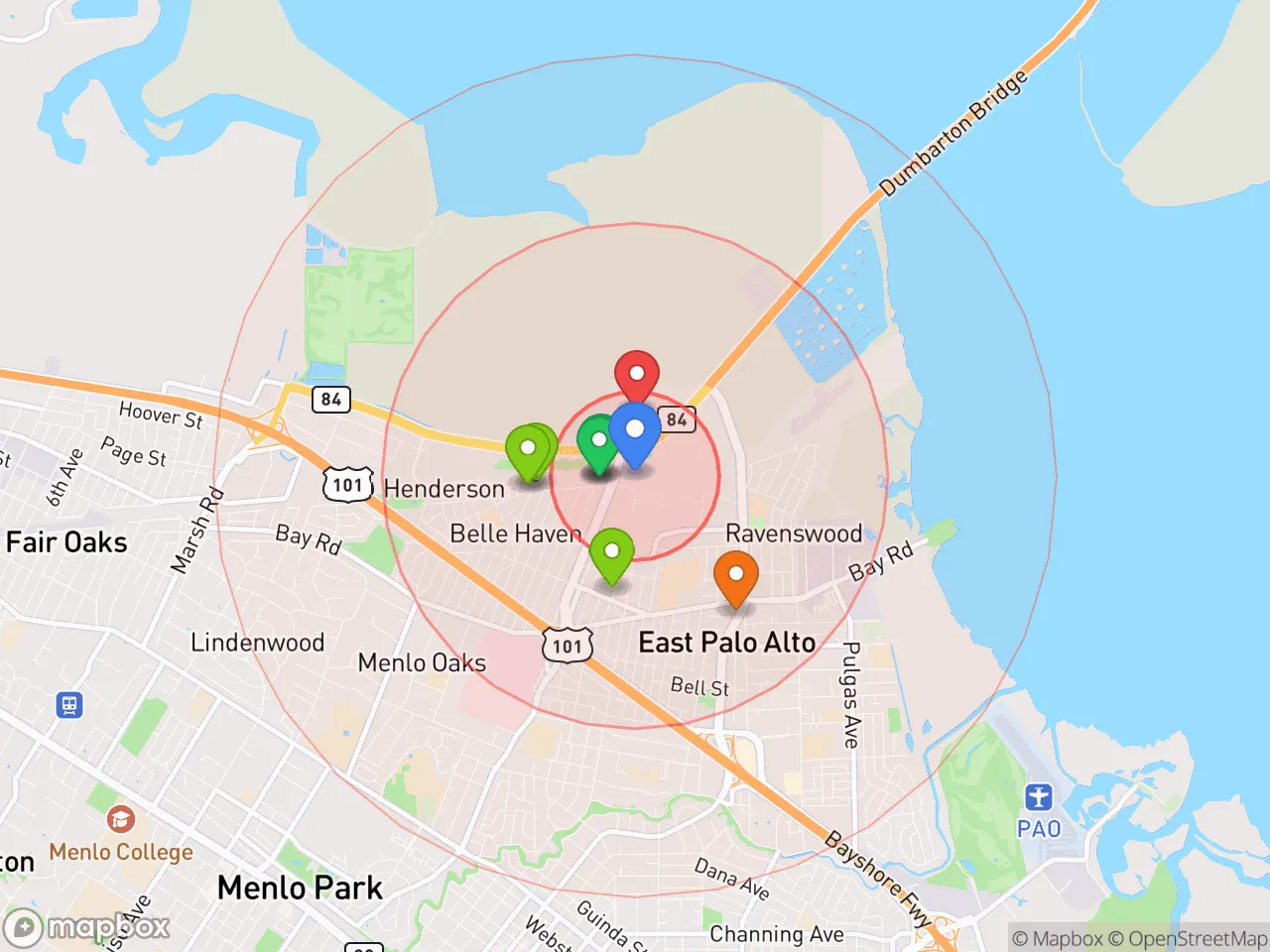
6 within 10 miles
Gas
20 within 10 miles
Hospital
20 within 20 miles
Airport
SAN — San Carlos
Post Office
USPS — Menlo Park, CA
Critical Amenities
Quality-of-Life Analysis
Menlo Park, California, is one of the most affluent communities in the San Francisco Bay Area, defined by its dual identity as both a quiet suburban enclave and the corporate home of Facebook (Meta). With a cost of living index of 447—more than four times the national average—the city attracts a concentrated population of tech executives, venture capitalists, and high-income professionals who prioritize proximity to Silicon Valley’s innovation hubs over affordability. The median home value sits at $2,000,001, placing it among the priciest zip codes in the country, while the median rent of $3,156 reflects a market where even rental housing is reserved for households earning well above six figures.
Cost of living, housing affordability, and how Menlo Park compares to Palo Alto and Atherton
Menlo Park’s housing market is a direct reflection of its geography and economic base. The median home value of $2 million is roughly on par with neighboring Palo Alto but significantly lower than the ultra-exclusive Atherton, where median values exceed $7 million. Renters face a median monthly cost of $3,156, which is about 15% higher than the national average for comparable units but notably less than the $3,500+ median rents seen in downtown Palo Alto. The city’s average commute time of 24.2 minutes is remarkably short for the region, largely because many residents work at Meta’s headquarters or at nearby tech campuses in Redwood City and Mountain View. However, this convenience comes at a steep price: a household earning the Bay Area’s median income of roughly $140,000 would still spend over 50% of gross income on housing alone, making homeownership nearly impossible without significant equity or dual high incomes. Property taxes, while capped at 1% of assessed value under Proposition 13, still translate to annual bills of $20,000 or more on a typical home purchase.
What daily life is like for families: schools, parks, and local amenities
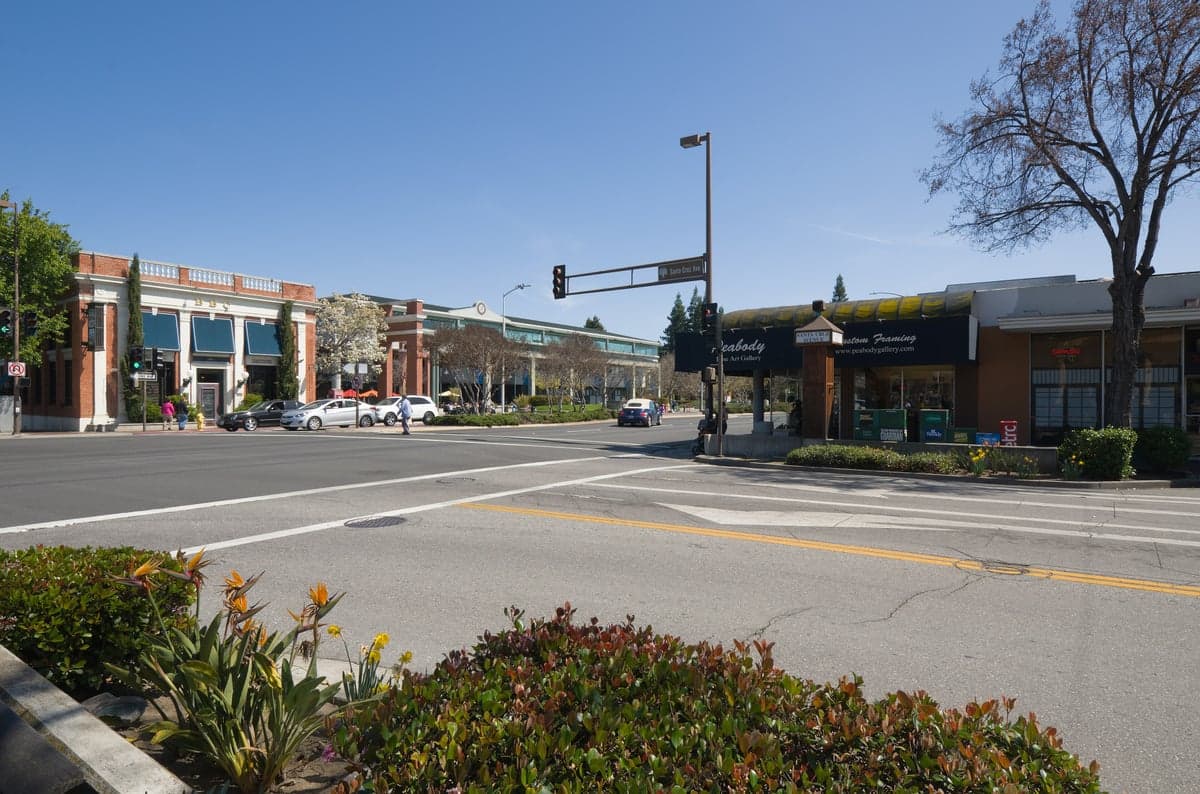
Daily life in Menlo Park revolves around its highly rated public schools, extensive park system, and walkable downtown core. The Menlo Park City School District consistently ranks among the top in California, with elementary schools like Encinal and Laurel feeding into Hillview Middle School, while high school students attend Menlo-Atherton High School in the Sequoia Union High School District. The city maintains over 20 parks, including the 42-acre Bedwell Bayfront Park with its tidal marshes and hiking trails, and the popular Burgess Park, which features a pool, tennis courts, and a community center. Downtown Santa Cruz Avenue offers a mix of upscale dining, boutique shopping, and the historic Guild Theatre, creating a pedestrian-friendly hub that contrasts with the car-dependent suburban sprawl of much of the Peninsula. The presence of Meta’s Willow Road campus means that lunchtime foot traffic and coffee shop queues are dominated by employees in branded hoodies, giving the area a distinctly tech-centric rhythm. For families, the trade-off is clear: exceptional schools and low crime rates (violent crime is roughly 60% below the national average) offset the lack of affordable housing options for middle-income earners.
Menlo Park is best suited for high-earning professionals, particularly those employed in tech or venture capital, who can absorb the extreme housing costs in exchange for a short commute and top-tier public education. Families with children will find the school system and safe neighborhoods compelling, while empty-nesters and retirees may prefer the quieter, tree-lined streets of the Willows or Sharon Heights neighborhoods. Those on a typical Bay Area salary—or anyone without a household income exceeding $300,000—will likely find the city financially out of reach, making nearby Redwood City or San Mateo more realistic alternatives for a similar suburban lifestyle at roughly half the home price.

Crime in Menlo Park, CA
Generally safer than 72% of comparable U.S. locations.
Violent CrimeViolent Crime Analysis
Property CrimeProperty Crime Analysis
Crime Analysis
Menlo Park, California, reports a violent crime rate of 182.4 incidents per 100,000 residents and a property crime rate of 1,529.5 per 100,000, placing it in a complex safety position for a Silicon Valley suburb. While these figures are lower than those of nearby San Francisco or Oakland, the city’s location within a large, liberal-leaning metropolitan area means residents contend with crime dynamics shaped by regional policies. Progressive district attorneys and judges in the broader Bay Area often prioritize diversion and reduced sentencing, a philosophy that, while sympathetic to offenders, can result in more repeat offenders on the street and diminished accountability for victims. For prospective residents, this context is critical: Menlo Park is not a high-crime city by national standards, but its safety profile is directly influenced by the surrounding justice system’s leniency.
Crime in context
Menlo Park’s violent crime rate of 182.4 per 100,000 is roughly half the national average of about 380 per 100,000, and its property crime rate of 1,529.5 per 100,000 is slightly below the U.S. median of approximately 1,950. Compared to California’s statewide averages—which hover around 440 for violent crime and 2,200 for property crime—Menlo Park appears safer. However, these comparisons can be misleading. The city benefits from affluent neighborhoods and significant private security presence, but it is not insulated from regional trends. San Mateo County, which includes Menlo Park, has seen property crime rise in recent years, partly attributed to policies like Proposition 47, which reclassified many theft and drug offenses as misdemeanors. This statewide measure, championed by progressive lawmakers, has been linked to increased retail theft and auto burglaries across the Bay Area, directly affecting Menlo Park residents.
What residents experience
Daily life in Menlo Park involves a sharp contrast between low violent crime and persistent property crime. Vehicle break-ins and package thefts are the most common complaints, particularly near downtown, the Caltrain station, and shopping centers like Stanford Shopping Center. Residential burglaries, while less frequent, occur in neighborhoods adjacent to major roads. The Menlo Park Police Department maintains a visible presence, but response times can lag due to staffing constraints common in the region. Residents often rely on neighborhood watch groups and private security patrols, especially in areas like the Willows and Sharon Heights. The city’s proximity to East Palo Alto—which has historically higher crime rates—also means that some incidents spill over, particularly along the Bayfront Expressway corridor. For families and professionals, the practical takeaway is that while violent crime is rare, property crime requires proactive measures like security cameras and comprehensive insurance.
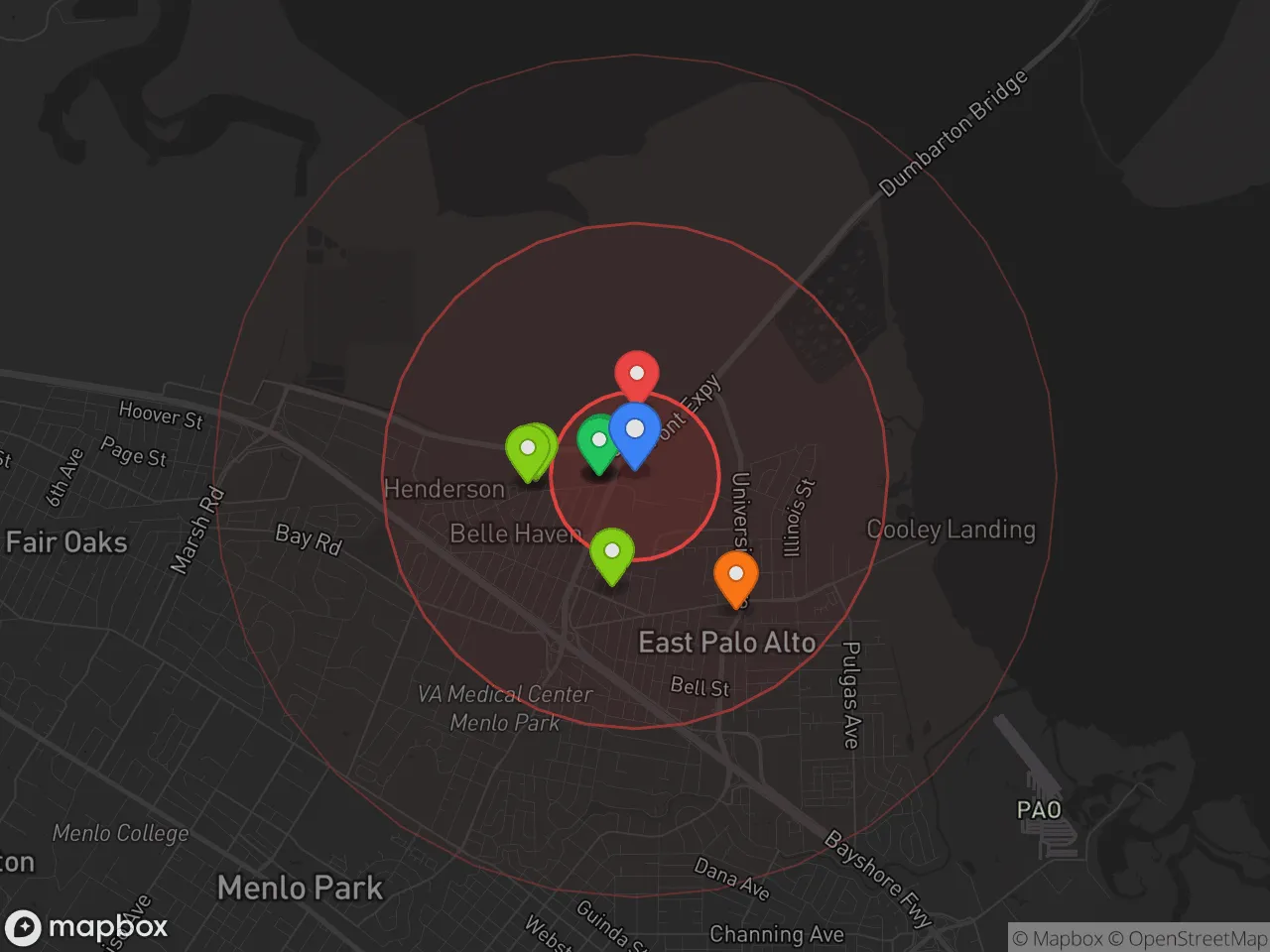
Neighborhood-level variation is significant. West Menlo Park and the Atherton border areas experience the lowest crime rates, thanks to higher property values and gated communities. In contrast, the Belle Haven neighborhood, near the Dumbarton Bridge, reports higher rates of theft and occasional violent incidents, reflecting its lower median income and proximity to regional transit corridors. The downtown area, while generally safe during the day, sees a spike in petty crime after dark. For those considering a move, consulting the Menlo Park Police Department’s crime map is essential, as block-by-block differences can be stark. Ultimately, Menlo Park offers a relatively safe environment compared to many U.S. cities, but the regional progressive justice framework means residents must remain vigilant against property crime and advocate for policies that prioritize public safety over offender rehabilitation.
* Values derived from national, state, county, city and local statistics and may differ in a specific area. Last updated: 2026-05-02T04:55:45.000Z
Narrative content on this page is AI-generated and may contain mistakes. Verify any details that matter before acting on them.
ReloMaps may earn a commission from affiliate links at no extra cost to you.

