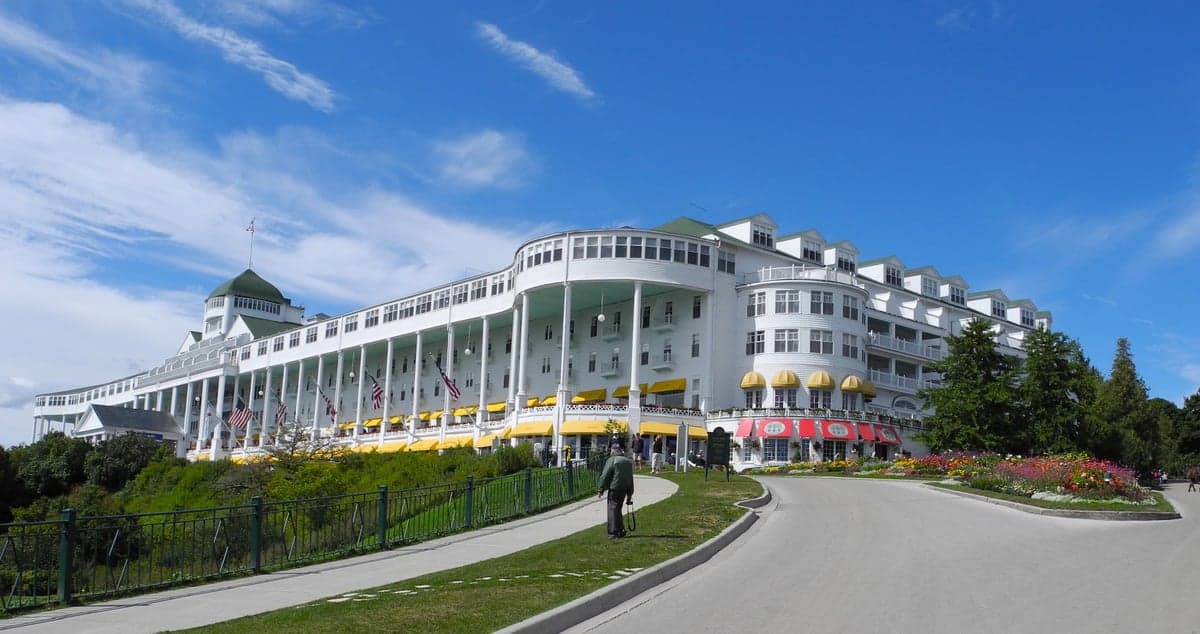
Photo: Wikipedia
Quality of Life in Mackinac County
A livable area that tracks near national norms for affordability, walkability, and neighborhood health.
What does Quality of Life tell us?
Quality of Life measures an area by evaluating factors like cost of living, nearby amenities, country club access, airport proximity, socioeconomic signals and neighborhood character. For large states, this is a general average — quality of life can vary dramatically between metro areas, suburbs, and rural communities within the same state.
What does this tell us?
Quality of Life measures an area by evaluating factors like cost of living, nearby amenities, country club access, airport proximity, socioeconomic signals and neighborhood character. For large states, this is a general average — quality of life can vary dramatically between metro areas, suburbs, and rural communities within the same state.
Cost of Living
37% below national average
124%
The Real Cost of Living in Mackinac County for 2026
| Tier | Individual | Family (4) |
|---|---|---|
| Survival | $12k | $23k |
| Comfortable | $32k | $47k |
| Luxury | $97k+ | $151k+ |
| Elite (Top 5%) | $115k+ | $178k+ |
Quality-of-Life Analysis
Mackinac County offers a spectrum of quality-of-life options that range from the tourist-driven, amenity-rich hub of St. Ignace to deeply rural, off-grid homesteads in the county’s interior. The county’s character shifts dramatically depending on location, drawing retirees and second-home owners to the Lake Huron shoreline, seasonal workers to the Straits of Mackinac corridor, and self-sufficient families seeking privacy and land in the Hiawatha National Forest region. With a cost-of-living index of 63 — well below the national average of 100 — and a median home value of $165,600, the county provides affordable entry points for both full-time residents and vacation-property buyers, though the trade-off is limited employment diversity and long distances to major services.
Largest town(s) & population centers
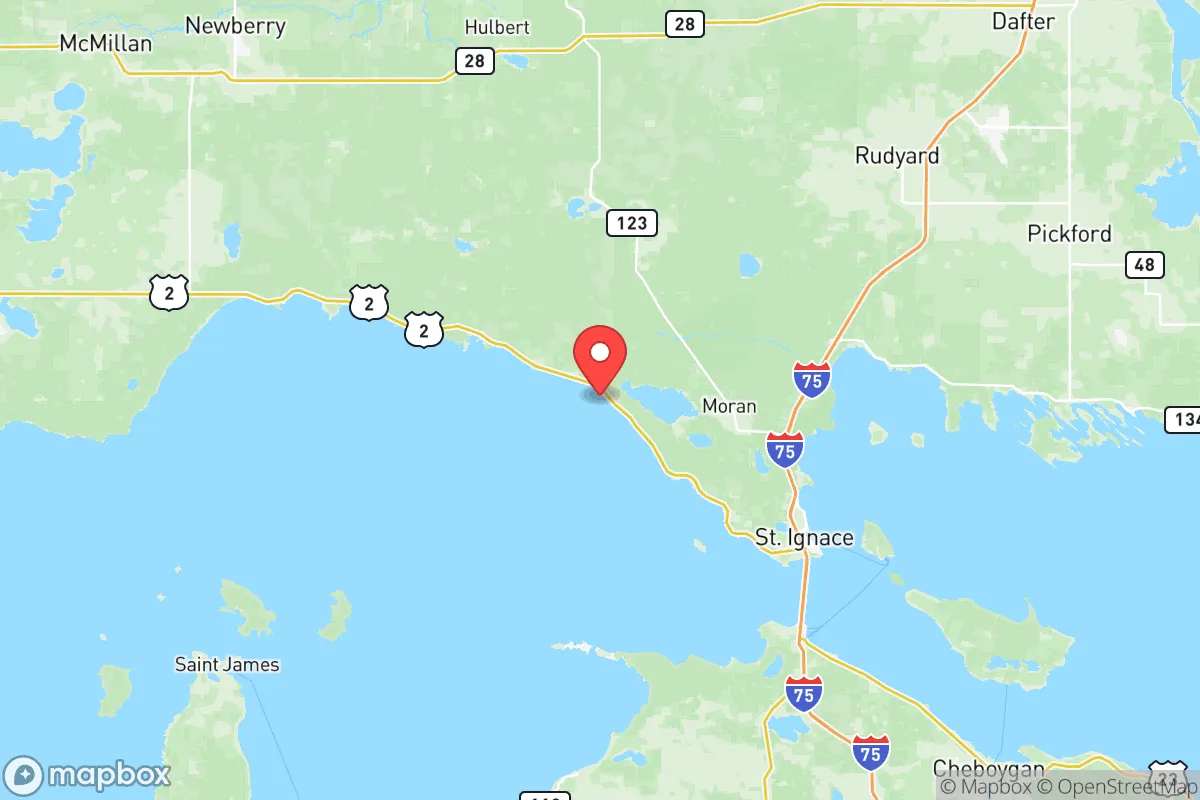
St. Ignace, the county seat and only incorporated city, is the commercial and transportation anchor of Mackinac County. With roughly 2,300 year-round residents, daily life here revolves around tourism, government services, and the Mackinac Bridge corridor. The downtown waterfront features restaurants, fudge shops, and ferry access to Mackinac Island, while the St. Ignace Area Schools serve as the county’s largest K-12 system. Housing options include historic homes near the harbor and newer subdivisions on the outskirts, with median rents at $761 making it one of the more affordable waterfront communities in northern Michigan. The average commute of 22.6 minutes reflects the compact nature of the town, though many residents drive to jobs in Mackinaw City (across the bridge) or Cheboygan County. Moran Township, which surrounds St. Ignace, functions as a bedroom community with more rural lots and lakefront properties, particularly along US-2 west of town.
Smaller towns & rural pockets
Engadine, roughly 30 miles northwest of St. Ignace along US-2, is a small unincorporated community of about 400 residents that serves as the commercial hub for the western part of the county. It has a grocery store, a gas station, a post office, and Engadine Consolidated Schools, making it a practical base for those working in the Tahquamenon Falls tourism area or commuting to Newberry in Luce County. Cedarville, on the Les Cheneaux Islands chain along Lake Huron, is a seasonal boating and fishing community where summer populations swell dramatically; year-round life here is quiet, with limited winter services and a strong reliance on the Les Cheneaux Community Schools. Naubinway, on the Lake Michigan shoreline, is a small fishing village with a handful of restaurants and a marina, popular with sport anglers and those seeking affordable lakefront property. The interior of the county, including areas around Gould City and Garland Ranch, consists of state forest land, seasonal cabins, and scattered year-round homes on dirt roads — these are places where residents haul water, use septic systems, and drive 30+ minutes to the nearest grocery store.
Cost & lifestyle range
The cost-of-living spread across Mackinac County is narrower than in urban areas but still meaningful. At the high end, lakefront properties in the Les Cheneaux Islands area and along the St. Ignace shoreline can exceed $400,000, while inland homes on acreage in the Engadine and Gould City areas frequently sell for under $120,000. The median home value of $165,600 places the county well below Michigan’s statewide median of roughly $230,000, and the median rent of $761 is about 30% lower than the national average. Property taxes vary by township but generally run 1.2% to 1.8% of assessed value, with no countywide millage for public transportation. Amenities follow a clear gradient: St. Ignace has a hospital (Mackinac Straits Health System), a full-service grocery, and multiple dining options, while residents of Naubinway or Gould City drive 25–40 minutes for those services. Internet access is another dividing line — St. Ignace and Moran Township have cable and fiber options, while much of the rural interior relies on satellite or fixed wireless with variable reliability.
Mackinac County best suits people who value natural recreation, low property costs, and a slower pace of life over career density and urban convenience. Retirees and remote workers with reliable income tend to settle in St. Ignace or the Les Cheneaux corridor, while those seeking maximum affordability and privacy gravitate toward the inland townships and forest-edge properties. The county’s low cost of living and 22-minute average commute make it viable for service workers and tradespeople, but the limited job market and harsh winters mean it is not a fit for everyone.

Crime in Mackinac County
Crime rates similar to the national median for U.S. locations.
Violent CrimeViolent Crime Analysis
Property CrimeProperty Crime Analysis
Crime Analysis
Mackinac County, located in Michigan's Upper Peninsula, reports a violent crime rate of 417.5 per 100,000 residents and a property crime rate of 1,259 per 100,000, figures that place it above both state and national averages for violent offenses. While the county is known for its scenic beauty and tourism-driven economy around St. Ignace and Mackinac Island, the crime data suggests that safety concerns are more pronounced than in many other rural Michigan counties. Understanding where these incidents cluster and how local law enforcement and judicial systems respond is critical for anyone evaluating relocation to this area.
Crime in context
Mackinac County's violent crime rate of 417.5 per 100,000 is significantly higher than the Michigan state average of roughly 460 per 100,000 and the national average of about 380 per 100,000, though it remains below the rates seen in larger urban centers like Detroit or Flint. Property crime, at 1,259 per 100,000, sits near the Michigan average of approximately 1,200 per 100,000 but is elevated compared to many other rural Upper Peninsula counties such as Chippewa or Luce. The county's reliance on seasonal tourism in St. Ignace and Mackinac Island introduces transient populations that can contribute to spikes in theft and alcohol-related incidents during summer months. The 11th Circuit Court, which serves Mackinac County along with Chippewa and Luce counties, has faced criticism for a perceived leniency in sentencing for repeat property offenders, a factor that may embolden criminal activity in the region.
What residents experience
Residents of Mackinac County most frequently encounter property crimes such as burglary, larceny, and motor vehicle theft, with the highest incident rates reported in the more populated areas of St. Ignace and Cedarville. St. Ignace, as the county seat and primary transportation hub for Mackinac Island ferries, sees a disproportionate share of thefts from vehicles and vacation rentals during the tourist season. Violent crimes, including aggravated assault and robbery, are less common but tend to concentrate in the same population centers, with Moran Township and Brevort Township reporting occasional incidents tied to drug-related activity. The presence of progressive-leaning judicial policies in the 11th Circuit Court has raised concerns among residents, as offenders convicted of nonviolent property crimes often receive probation or short sentences, leading to a revolving-door effect that frustrates local law enforcement and victims alike. In contrast, the unincorporated communities of Engadine and Naubinway report far fewer incidents, largely due to their smaller populations and limited commercial activity.
Neighborhood-level variation
Safety in Mackinac County varies considerably by location, with the most significant risks concentrated in areas with high tourist traffic and transient populations. St. Ignace and the ferry-adjacent neighborhoods experience the highest crime rates, particularly during the summer months when seasonal workers and visitors increase the population density. Mackinac Island itself, while heavily patrolled by the Mackinac Island Police Department, still sees elevated rates of alcohol-related assaults and bicycle thefts, though violent crime remains relatively low due to the island's unique no-vehicle environment. The more rural townships of Hudson Township and Garfield Township offer significantly lower crime rates, with residents reporting a strong sense of community and effective neighborhood watch programs. For those considering relocation, the safest options within the county are the smaller inland communities away from the Lake Huron and Lake Michigan shorelines, where property crime rates drop to near-zero in many census tracts.
* Values derived from national, state, county, city and local statistics and may differ in a specific area. Last updated: 2026-10-20T16:00:49.000Z
Narrative content on this page is AI-generated and may contain mistakes. Verify any details that matter before acting on them.
ReloMaps may earn a commission from affiliate links at no extra cost to you.

