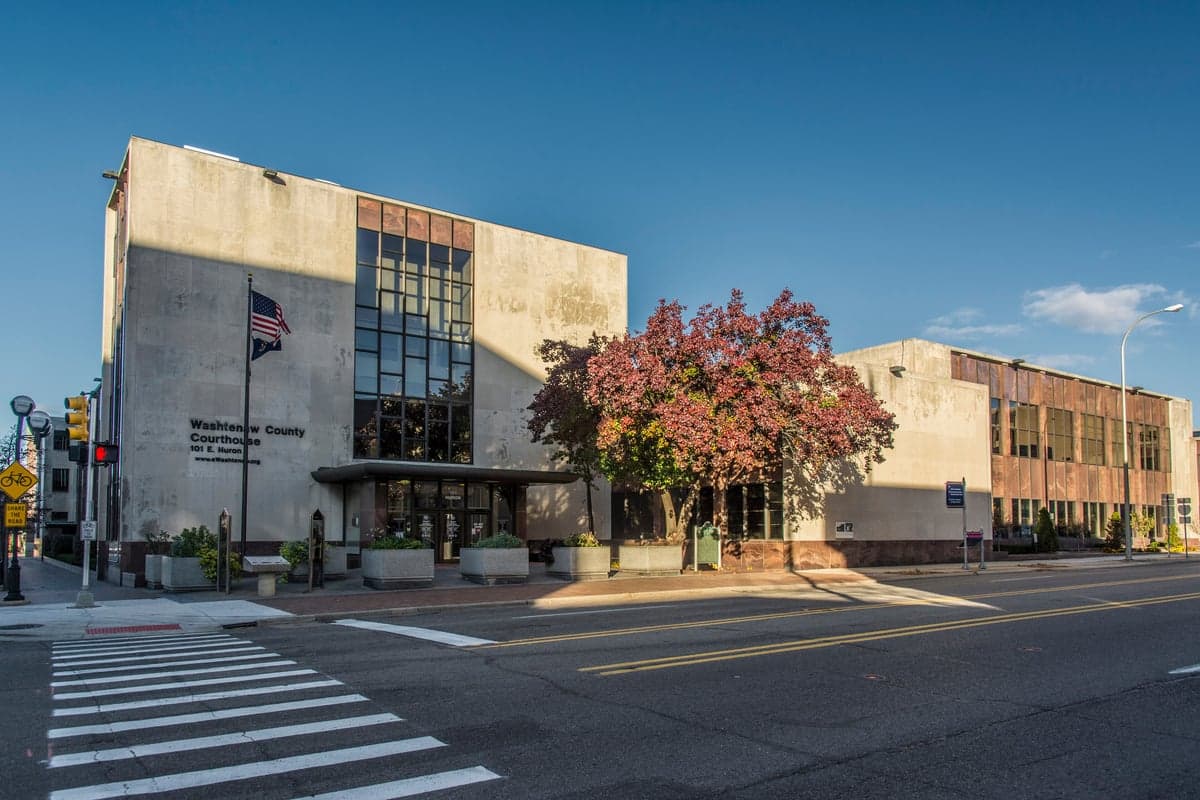
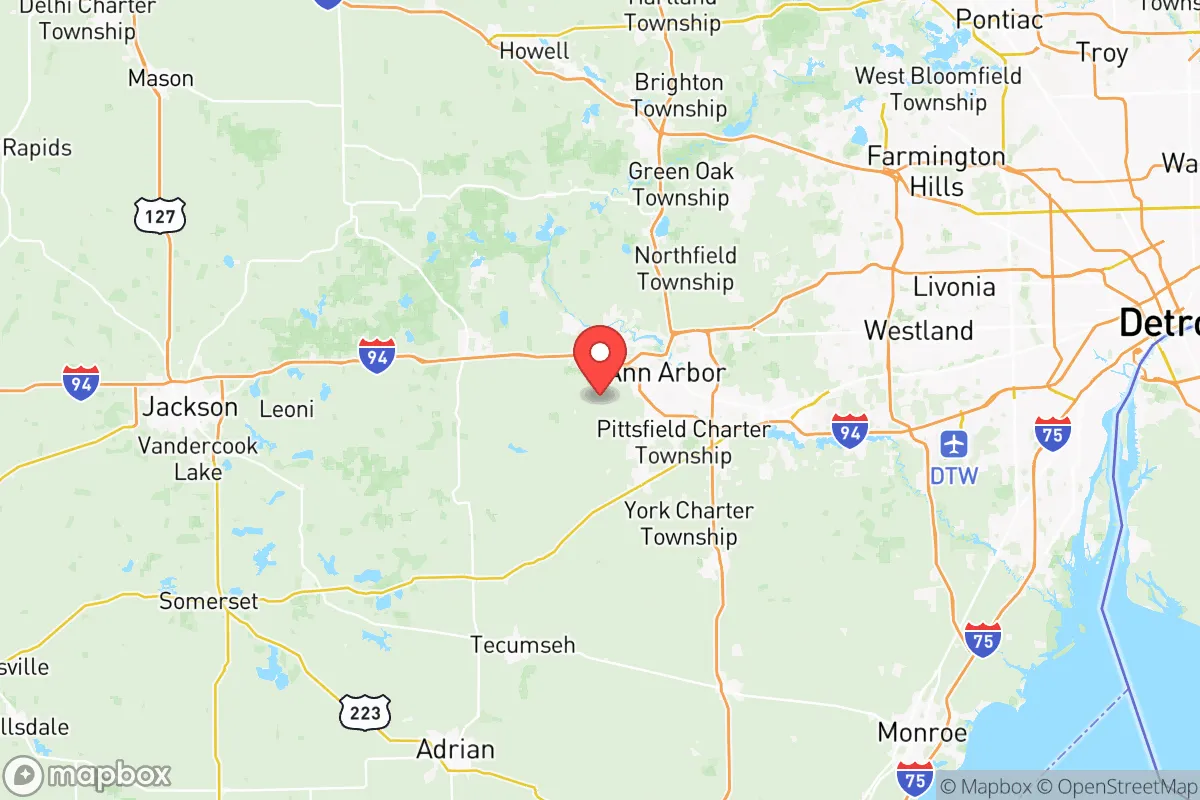
Photo: Wikipedia
Find The Best Places To Live in Washtenaw County
PRO TIP! You can paste a Zillow or Redfin link to get info on that property.
Best Places to Live in Washtenaw County
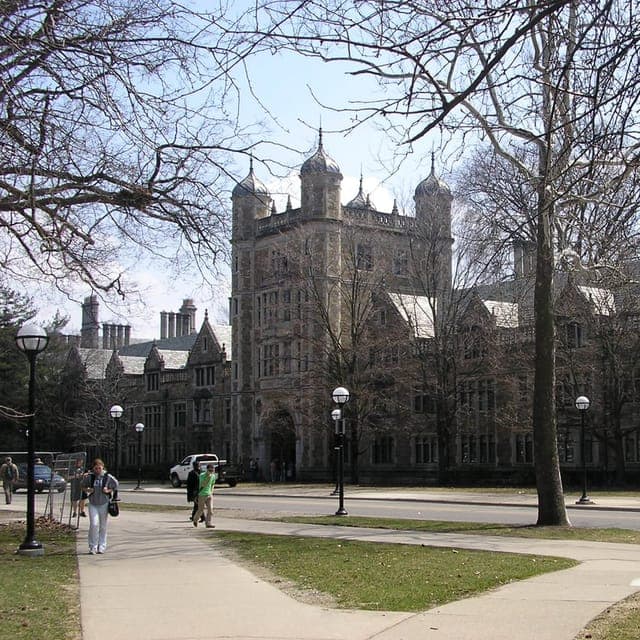
Cities & Towns in Washtenaw County
Cities in Washtenaw County
What It's Like Living in Washtenaw County, MI
Living in Washtenaw County means straddling two worlds: the energetic, university-anchored pulse of Ann Arbor and the quieter, more traditional rhythms of towns like Saline, Dexter, and Chelsea. It’s a place where a U-M professor, a Ford assembly line worker in Ypsilanti, and a fifth-generation farmer near Manchester all call the same county home. For a single professional or a family weighing a move, the county offers a mix of intellectual energy and small-town familiarity, but the cost of that balance is real and worth understanding before you pack the truck.
Daily Rhythm: From Campus Coffee to Friday Night Lights
A typical weekday in Washtenaw County looks different depending on where you live. In Ann Arbor, the day often starts with a line at Zingerman’s Roadhouse or a quick coffee from Comet Coffee before heading to a job at the University of Michigan, Domino’s Farms, or one of the many tech startups along Plymouth Road. In Saline, the morning commute is shorter — about 20 minutes to the Ford Motor Company plant on Textile Road — and the evening might involve grabbing a table at Salt Springs Brewery, a converted 1800s church. In Chelsea, weekends revolve around the Farmers Market on Main Street or a hike at Waterloo Recreation Area, the largest state park in lower Michigan. The county’s average commute of just over 23 minutes is noticeably shorter than metro Detroit’s, which is a quiet relief for anyone who has spent time on I-94 during rush hour.
For families, the school system often dictates where they land. Saline Area Schools and Dexter Community Schools are consistently ranked among the top in the state, and home values in those districts reflect it. The median home value in the county sits at $353,000, but that number jumps significantly in Ann Arbor’s Burns Park or Eberwhite neighborhoods, where a modest three-bedroom can easily top $500,000. The cost of living index of 122 (22% above the national average) is the trade-off for strong schools, low unemployment, and a population where 58.1% hold a bachelor’s degree or higher.
Sports, Community, and the Ann Arbor Gravity
There is no escaping the gravitational pull of the University of Michigan. On fall Saturdays, Michigan Stadium — the Big House — draws over 107,000 people, and the entire county’s rhythm shifts. Traffic on M-14 and US-23 slows to a crawl, restaurants in Kerrytown and Main Street run hour-long waits, and the air smells like brats and bonfires. Even if you never set foot in the stadium, you feel it. High school football is also a serious affair, especially in Saline, where the Hornets regularly compete for state championships and fill a 5,000-seat stadium on Friday nights. In Ypsilanti, Eastern Michigan University football draws a smaller but loyal crowd, and the Ypsilanti Lincoln Railsplitters keep local pride alive on the gridiron.
Beyond sports, the county’s cultural identity leans heavily on festivals and outdoor life. The Ann Arbor Art Fair in July brings half a million visitors downtown for four days of booths, street performers, and food trucks. Dexter’s DDA Summer Concert Series draws families to Monument Park with blankets and coolers. For outdoor recreation, the Border-to-Border Trail now connects Ann Arbor to Dexter and beyond, giving cyclists and runners a paved route through farmland and woods. The Huron River runs through the heart of the county, and on warm weekends, you’ll see kayaks and inner tubes floating from Gallup Park to Delhi Metropark.
Pros and Cons of Living Here
Longtime residents will tell you they love the access to nature, the strong local economy, and the fact that you can be in downtown Detroit in 45 minutes or at Lake Michigan in under three hours. The county’s median income of $87,156 is well above the national average, and the job market is anchored by healthcare (Michigan Medicine), education, and advanced manufacturing. But the same residents will also mention the rising cost of housing, the property taxes (among the highest in Michigan), and the winter weather that stretches from November through early April. The violent crime rate of 414.7 per 100,000 is higher than the national average, though the vast majority of incidents are concentrated in specific areas of Ypsilanti and Ann Arbor; most suburban and rural towns like Manchester and Bridgewater report very low crime.
A cultural quirk worth noting: Washtenaw County is politically one of the most liberal in Michigan, which can feel jarring for someone coming from a more conservative area. The county voted heavily Democratic in recent elections, and local policy reflects that — from plastic bag bans to robust public transit funding. For a conservative-leaning individual or family, the daily reality is usually fine; neighbors are polite, and the schools are excellent. But the local government and social atmosphere in Ann Arbor proper can feel like a different country from the rest of the county. That tension — between the progressive university hub and the more traditional small towns — is part of what makes Washtenaw County interesting, and it’s worth knowing before you choose which side of the county line to call home.

* Values derived from national, state, county, city and local statistics and may differ in a specific area. Last updated: 2026-08-08T15:47:25.000Z
Narrative content on this page is AI-generated and may contain mistakes. Verify any details that matter before acting on them.
ReloMaps may earn a commission from affiliate links at no extra cost to you.

