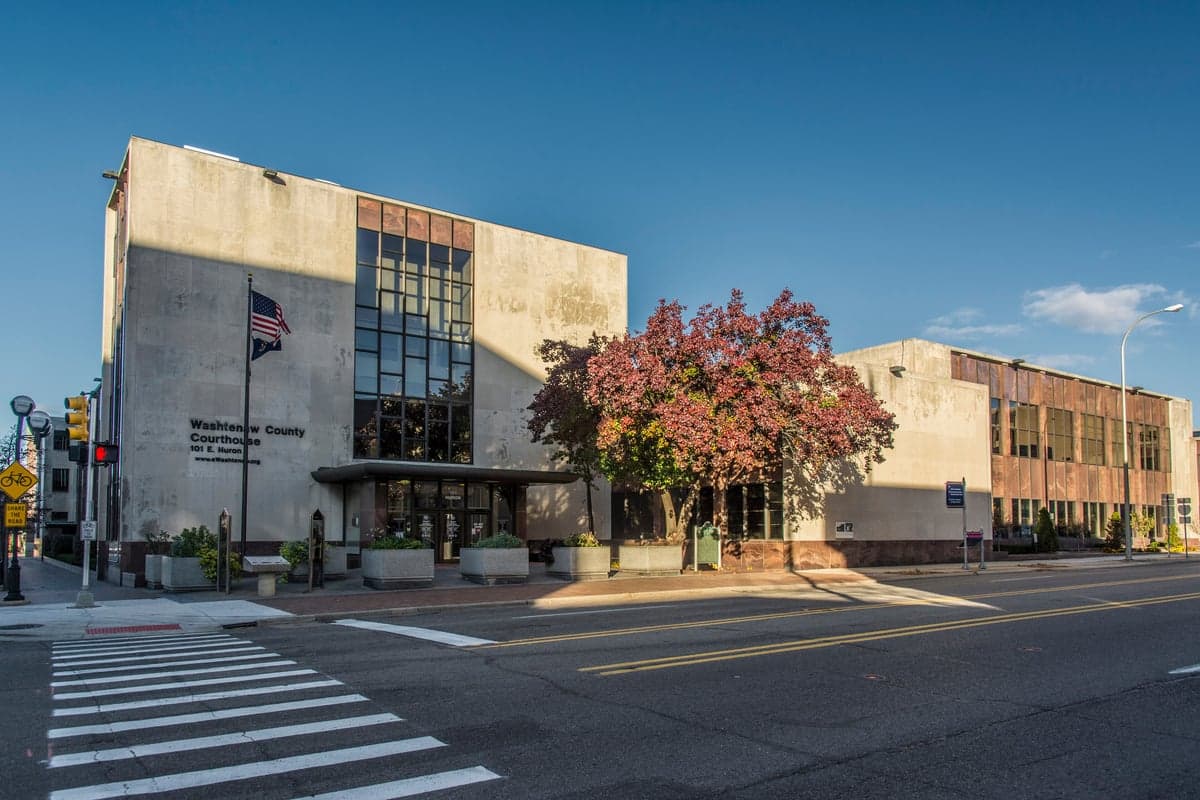
Photo: Wikipedia
Quality of Life in Washtenaw County
A livable area that tracks near national norms for affordability, walkability, and neighborhood health.
What does Quality of Life tell us?
Quality of Life measures an area by evaluating factors like cost of living, nearby amenities, country club access, airport proximity, socioeconomic signals and neighborhood character. For large states, this is a general average — quality of life can vary dramatically between metro areas, suburbs, and rural communities within the same state.
What does this tell us?
Quality of Life measures an area by evaluating factors like cost of living, nearby amenities, country club access, airport proximity, socioeconomic signals and neighborhood character. For large states, this is a general average — quality of life can vary dramatically between metro areas, suburbs, and rural communities within the same state.
Cost of Living
22% above national average
86%
The Real Cost of Living in Washtenaw County for 2026
| Tier | Individual | Family (4) |
|---|---|---|
| Survival | $22k | $42k |
| Comfortable | $69k | $101k |
| Luxury | $157k+ | $244k+ |
| Elite (Top 5%) | $206k+ | $319k+ |
Quality-of-Life Analysis
Washtenaw County offers one of the most diverse quality-of-life spectrums in Michigan, ranging from the dense, amenity-rich college town of Ann Arbor to quiet rural townships and historic villages. The county draws a broad mix of residents: University of Michigan faculty and students, commuters working in Detroit and its suburbs, agricultural families, and remote workers seeking lower costs within striking distance of a major research hub. With a cost-of-living index of 122 (22% above the national average) and a median home value of $353,000, the county's overall numbers mask a wide spread between its urban core and its outlying communities.
Largest town(s) & population centers
Ann Arbor is the county's dominant population center and economic engine, home to the University of Michigan and a dense concentration of tech, healthcare, and biotech employers. Daily life here is walkable, bikeable, and transit-accessible, with a median rent of $1,400 reflecting the premium for urban proximity. The city's downtown, Kerrytown, and neighborhoods near campus are filled with independent restaurants, bookstores, and cultural venues. Ypsilanti, the county's second-largest city, offers a more affordable alternative just 10 minutes east of Ann Arbor, with a historic downtown along the Huron River, a growing arts scene, and Eastern Michigan University. Ypsilanti's housing stock includes many older homes and rental properties, making it a practical choice for students, young professionals, and families priced out of Ann Arbor proper. Saline, a smaller but growing city to the southwest, functions as a family-oriented suburb with a strong school system and a compact downtown, attracting professionals who work in Ann Arbor but want a quieter, more traditional residential setting.
Smaller towns & rural pockets
Beyond the main population centers, Washtenaw County contains a ring of smaller communities that offer distinctly different lifestyles. Dexter, located along the Huron River northwest of Ann Arbor, is a walkable village with a popular downtown, a strong school district, and access to the Border-to-Border Trail. Chelsea, further west, retains a small-town manufacturing and agricultural character, anchored by the Chelsea Hospital and a historic downtown that hosts the annual Sounds & Sights Festival. Manchester, in the county's far southwest corner, is the most rural of the incorporated villages, surrounded by working farms and offering a quiet, low-key lifestyle with a median home value well below the county average. Unincorporated areas like Whitmore Lake (on the county's northern edge) and Bridgewater Township provide lakefront living and large-lot residential options, often with well water and septic systems, appealing to residents who prioritize space and privacy over municipal services.
Cost & lifestyle range
The cost-of-living spread across Washtenaw County is substantial. At the high end, Ann Arbor's central neighborhoods and areas like Barton Hills command median home values well above $500,000, with a cost of living that can exceed 140 on the index. At the low end, parts of Ypsilanti Township and rural areas near Willis and Milan offer median home values in the $200,000–$250,000 range, bringing the effective cost of living closer to the national average. The average commute across the county is 23.4 minutes, but that figure varies significantly: residents of Ann Arbor's downtown often walk or bike to work, while commuters from Manchester or Bridgewater face 35–45 minute drives to Ann Arbor or Detroit-area employers. Amenities follow a similar gradient — Ann Arbor offers world-class dining, performing arts, and medical care, while smaller towns like Dexter and Chelsea provide solid local options but require a drive for specialty services. Rural townships offer the lowest housing costs and property taxes but lack public water, sewer, and high-speed internet in some pockets.
Washtenaw County works best for residents who can match their lifestyle preferences to the right sub-area. Young professionals and academics who prioritize walkability and cultural density will find Ann Arbor essential, despite the high cost. Families seeking good schools and a slower pace gravitate toward Saline, Dexter, or Chelsea. Rural homesteaders and budget-conscious buyers find the best value in the county's southern and western townships, where land is cheaper and the commute is a trade-off for space. The county's strength is that it offers all of these options within a single, well-connected region, making it one of the most versatile places to live in Southeast Michigan.

Crime in Washtenaw County
Crime rates similar to the national median for U.S. locations.
Violent CrimeViolent Crime Analysis
Property CrimeProperty Crime Analysis
Crime Analysis
Washtenaw County, home to the University of Michigan in Ann Arbor, presents a crime landscape that is significantly more dangerous than state and national averages, driven largely by concentrated violence in its urban core. With a violent crime rate of 414.7 incidents per 100,000 residents and a property crime rate of 1,249.9 per 100,000, the county’s overall safety profile is heavily skewed by progressive criminal justice policies and a small number of high-crime neighborhoods. While affluent suburbs like Dexter and Saline enjoy relative peace, the county’s largest city, Ann Arbor, and its eastern industrial corridor, including Ypsilanti, account for the vast majority of reported offenses.
Crime in context
Washtenaw County’s violent crime rate of 414.7 per 100,000 is roughly 18% higher than the national average and significantly exceeds the Michigan state average of approximately 450 per 100,000, placing it among the more dangerous counties in the state for its size. The property crime rate of 1,249.9 per 100,000 is also elevated, roughly 10% above the national benchmark. These figures are pulled upward by Ann Arbor, which reports a violent crime rate near 500 per 100,000, and Ypsilanti, where the rate exceeds 700 per 100,000. In contrast, the western townships of Dexter and Saline report violent crime rates below 100 per 100,000, illustrating a stark urban-suburban divide. The county’s progressive District Attorney, Eli Savit, elected on a platform of decarceration and alternative sentencing, has drawn criticism for policies that prioritize diversion over prosecution, including a presumption against charging certain nonviolent offenses and reduced bond requests. Critics argue these policies have contributed to a revolving-door justice system that emboldens repeat offenders and undermines public safety, particularly in Ann Arbor and Ypsilanti where property crime and carjackings have risen since 2020.
What residents experience
For most residents, the risk of violent victimization is low outside of a few specific corridors, but property crime is a near-ubiquitous concern. Vehicle theft and larceny from automobiles are the most common property crimes, with Ann Arbor reporting over 1,000 such incidents annually, concentrated around the University of Michigan campus and downtown parking structures. Ypsilanti, a smaller city with a higher poverty rate, experiences a disproportionate share of aggravated assaults and burglaries, particularly along the Michigan Avenue corridor and near the Willow Run area. In the county’s wealthier enclaves—such as Dexter, Saline, and the township of Scio—residents report occasional package thefts and garage break-ins but very few violent encounters. The presence of the University of Michigan’s campus police and the Ann Arbor Police Department’s community engagement efforts have not prevented a steady increase in reported thefts and robberies near campus, where opportunistic crime targets students and visitors. Residents in the county’s rural townships, including Manchester and Chelsea, experience the lowest crime rates overall, with violent crime nearly nonexistent and property crime limited to isolated incidents.
Neighborhood-level variation within Washtenaw County is extreme, and prospective residents should research specific jurisdictions carefully. Ann Arbor’s downtown and South University areas see the highest concentration of thefts and assaults, while the Burns Park and Old West Side neighborhoods remain relatively safe due to high property values and active neighborhood watches. Ypsilanti’s Depot Town and Normal Park areas have seen recent revitalization but still report elevated property crime. The county’s progressive judicial philosophy, which emphasizes treatment over incarceration and limits the use of cash bail, has been linked to higher recidivism rates for property offenders. For families and professionals seeking safety, the western suburbs of Dexter and Saline offer the best outcomes, with crime rates comparable to the safest small towns in Michigan. Anyone considering a move to Washtenaw County should prioritize neighborhoods with strong homeowners’ associations, private security patrols, and a track record of aggressive prosecution of property crimes, as the county’s overall trend points toward increasing leniency in the justice system.
* Values derived from national, state, county, city and local statistics and may differ in a specific area. Last updated: 2026-08-08T15:47:25.000Z
Narrative content on this page is AI-generated and may contain mistakes. Verify any details that matter before acting on them.
ReloMaps may earn a commission from affiliate links at no extra cost to you.

