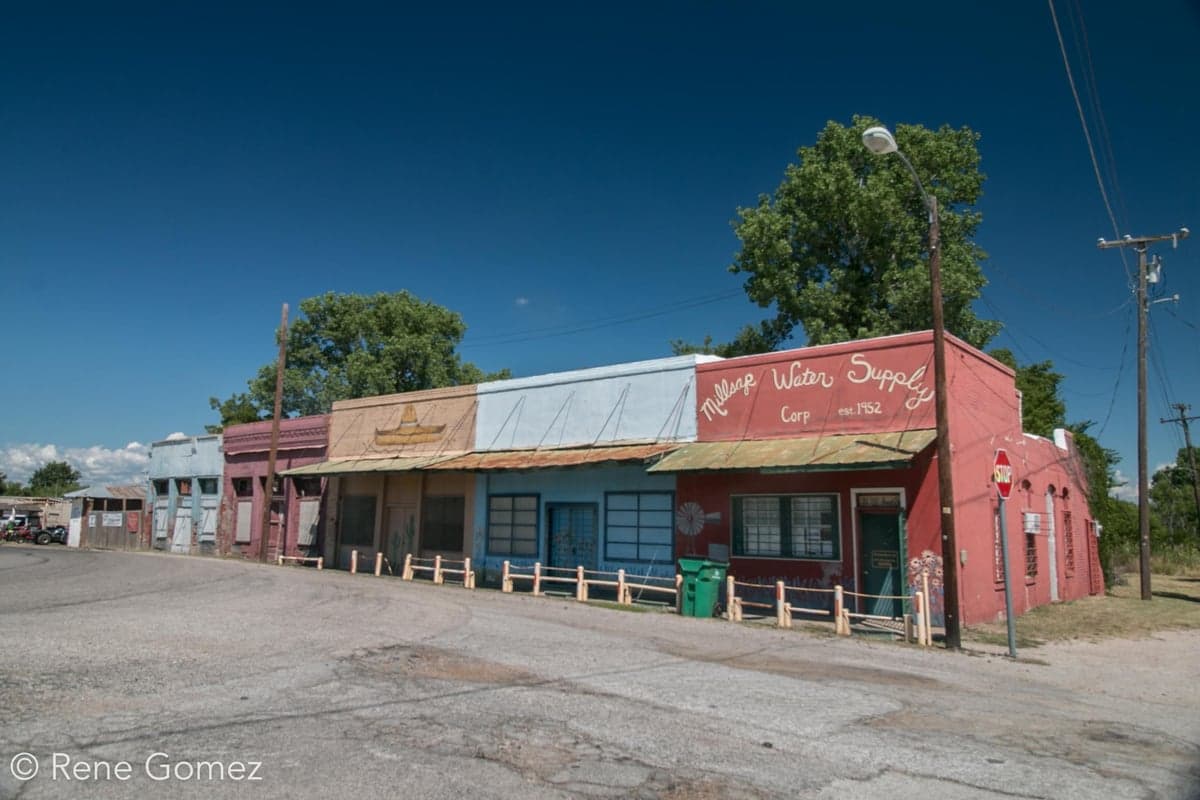
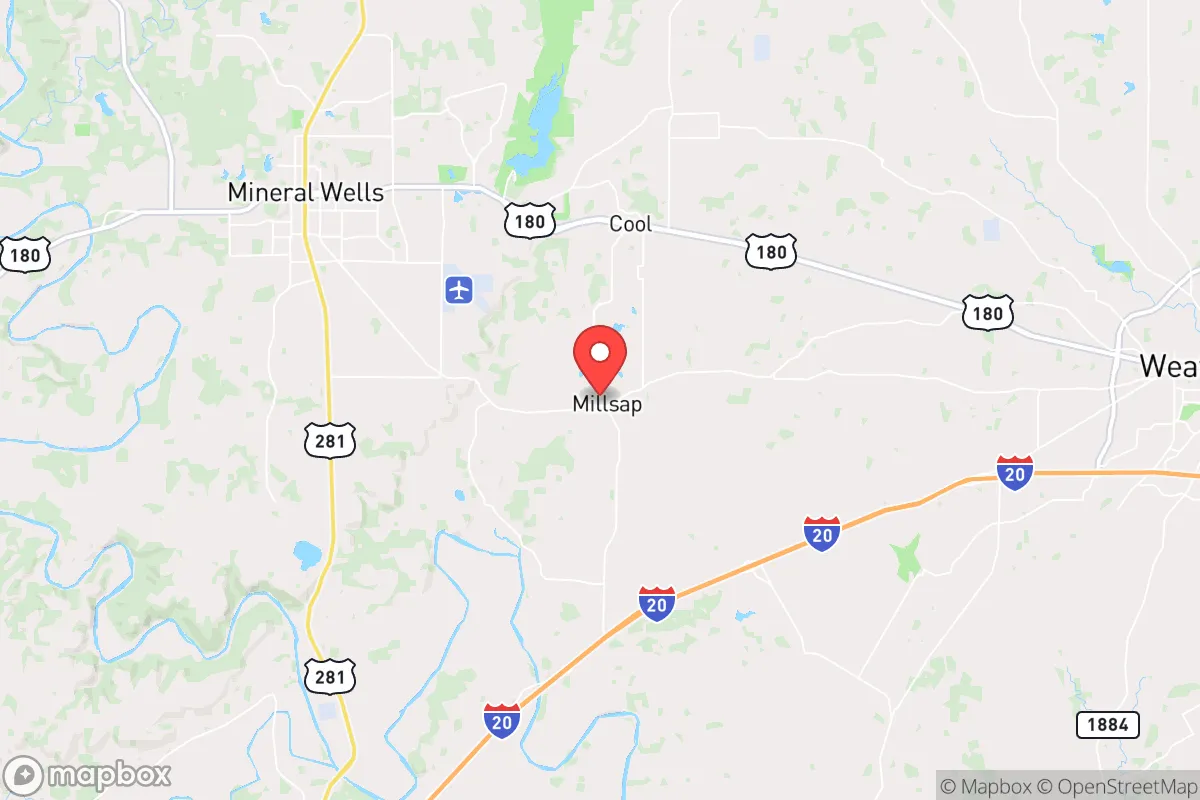
Photo: Wikipedia
Quality of Life in Millsap, TX
A high quality of life with strong walkability, manageable living costs, healthy neighborhood signals, and solid amenity access.
What does Quality of Life tell us?
Quality of Life blends cost of living, nearby amenities, socioeconomic signals, and neighborhood character. City-level scores represent the whole municipality; individual neighborhoods can differ.
What does this tell us?
Quality of Life blends cost of living, nearby amenities, socioeconomic signals, and neighborhood character. City-level scores represent the whole municipality; individual neighborhoods can differ.
Cost of Living
18% below national average
The Real Cost of Living in Millsap, TX for 2026
| Tier | Individual | Family (4) |
|---|---|---|
| Survival | $16k | $31k |
| Comfortable | $40k | $59k |
| Luxury | $107k+ | $165k+ |
| Elite (Top 5%) | $126k+ | $195k+ |
118%
The Area Signal
A metric tracking the socioeconomic signals of the area.
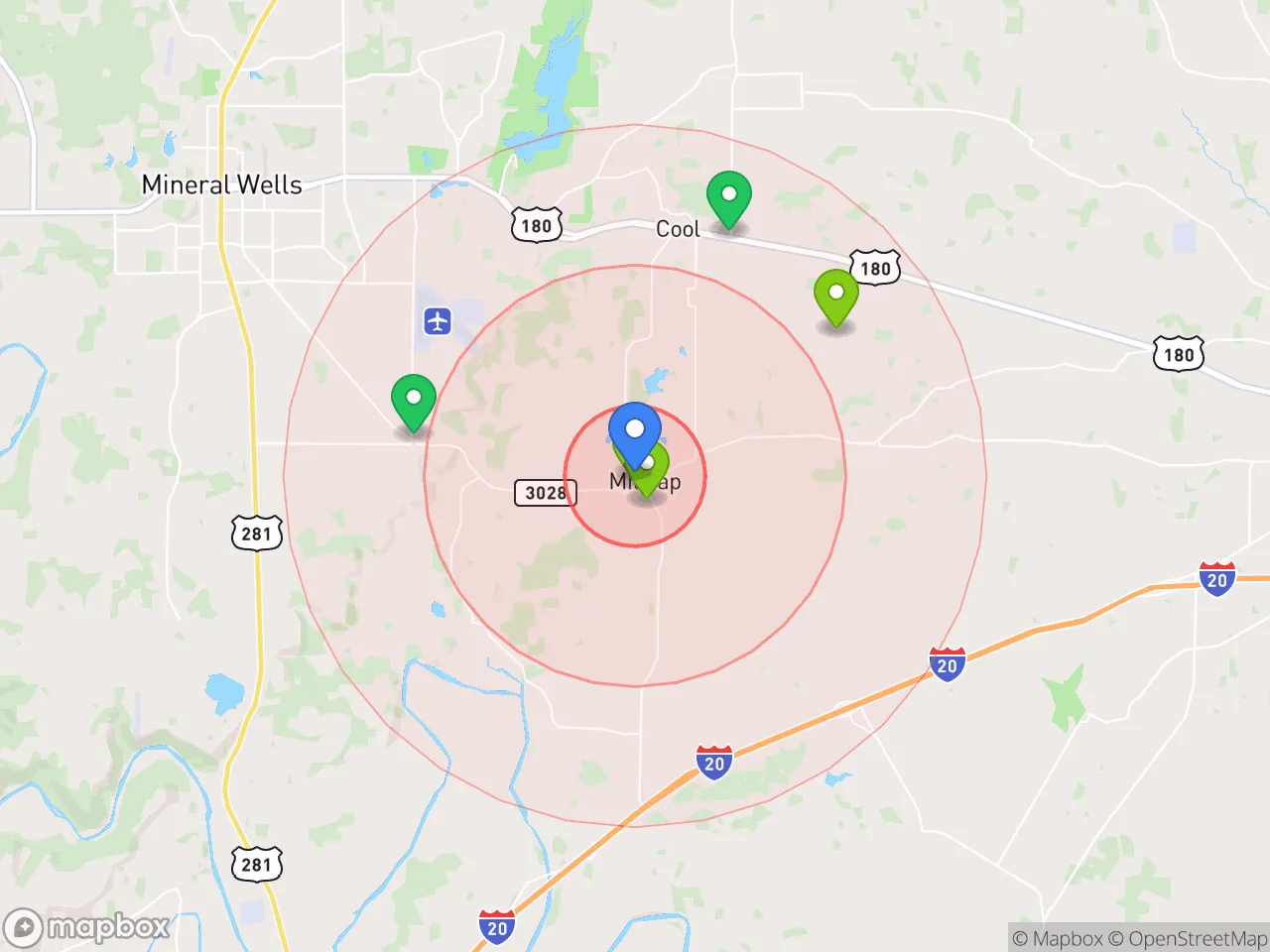
Hobbies
Explore the areaGroceries
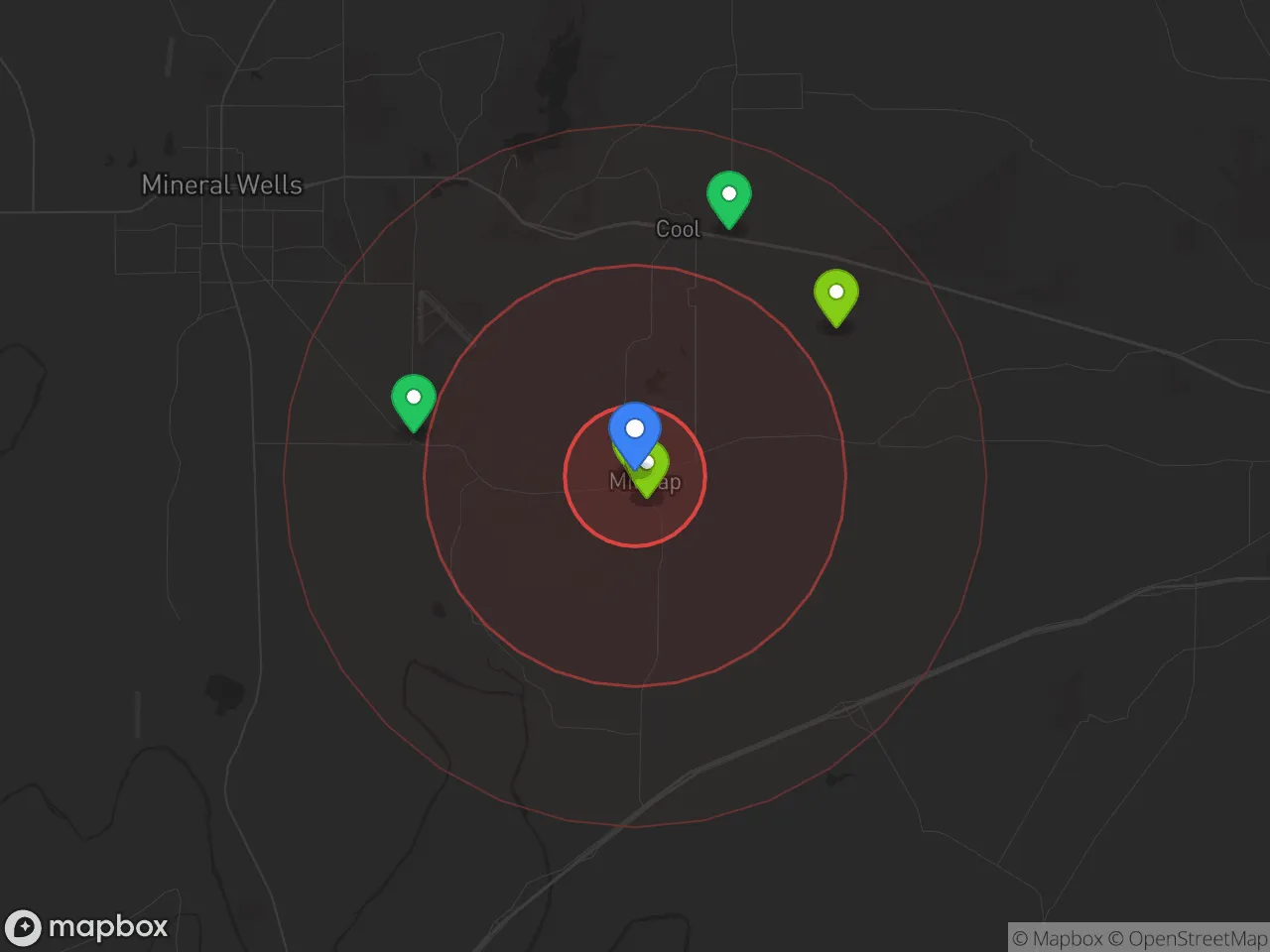
2 within 10 miles
Gas
19 within 10 miles
Hospital
2 within 20 miles
Airport
DFW — Dallas/Fort Worth International
Post Office
USPS — Millsap, TX
Critical Amenities
Quality-of-Life Analysis
Millsap, Texas, offers a distinctly affordable entry point into the outer Dallas-Fort Worth metroplex, with a cost of living index of 82—18% below the national average—that attracts a mix of young families, tradespeople, and retirees seeking space without suburban price tags. The town’s median household income hovers near the national median, but its housing costs are significantly lower than in nearby Weatherford or Fort Worth, creating a value proposition for those willing to trade urban amenities for acreage and quiet. This is not a wealthy enclave; it is a working-class and middle-class community where residents prioritize square footage, land, and a slower pace over proximity to nightlife or high-end retail.
Cost of living, housing affordability, and how Millsap compares to nearby towns
Millsap’s housing market is the primary driver of its affordability. The median home value sits at $205,000, roughly $100,000 less than the median in Weatherford (about 10 miles east) and nearly $200,000 below Fort Worth’s median. Median rent is $1,031, which undercuts the national average by roughly 15% and is about $300 less than comparable rentals in Parker County’s more developed corridors. Property taxes in Parker County run around 1.8–2.0% of assessed value, which is typical for Texas but still lower than many suburban districts because Millsap’s home values are lower. The average commute of 28.4 minutes reflects the reality that most residents drive to jobs in Weatherford, Fort Worth, or the Alliance corridor; the trade-off is a longer drive for significantly more house and land per dollar than what buyers would find inside Loop 820.
Local amenities, schools, and what daily life feels like in Millsap
Daily life in Millsap revolves around the Millsap Independent School District, which serves roughly 1,200 students across three campuses and earns a B rating from Niche, with strong marks for teacher quality and college prep. The town itself has a single grocery store, a handful of local restaurants, and a Dollar General; for most shopping, dining, and medical services, residents drive 10–15 minutes to Weatherford, which offers a Walmart Supercenter, a regional hospital, and chain retail. Outdoor life centers on Lake Weatherford (15 minutes north) for fishing and boating, and the Fort Worth Nature Center & Refuge (30 minutes east) for hiking. The community calendar is anchored by the Millsap Heritage Festival in October and youth sports leagues that fill the town’s ball fields on weekends. There is no nightlife to speak of; evenings are quiet, and neighbors know each other by name.
The type of person who thrives in Millsap is someone who values space, affordability, and a tight-knit rural community over urban convenience. It suits families who want a house with a yard and good schools without a six-figure mortgage, remote workers who can tolerate a 30-minute drive to the nearest coffee shop, and retirees who want to stretch their savings in a low-crime, low-stress environment. Professionals who need daily access to downtown Fort Worth or DFW Airport will find the commute manageable but not short. Millsap is not for those seeking walkability, cultural amenities, or career density—it is for those who see a longer drive as a fair price for a quieter, more affordable life.

Crime in Millsap, TX
Crime rates similar to the national median for U.S. locations.
Violent CrimeViolent Crime Analysis
Property CrimeProperty Crime Analysis
Crime Analysis
Millsap, Texas, presents a mixed safety profile for a small town in Parker County. The overall crime picture is defined by a violent crime rate of 342.3 incidents per 100,000 residents and a property crime rate of 1,780.9 per 100,000. While these figures are lower than those of nearby Fort Worth, they are elevated compared to the safest rural communities in the state, and the property crime rate in particular warrants attention from prospective residents.
Crime in context
To understand Millsap's safety, it is essential to compare its rates to broader benchmarks. The national violent crime rate is approximately 380 per 100,000, placing Millsap slightly below that average. However, Texas as a whole has a violent crime rate near 440 per 100,000, meaning Millsap is about 22% safer than the state average for violent offenses. The property crime picture is less favorable. Millsap's rate of 1,780.9 per 100,000 is roughly 15% higher than the Texas average of around 1,550 per 100,000. This elevated property crime rate is a key concern, especially given the town's proximity to the Dallas-Fort Worth metroplex. Residents should be aware that large metro areas, particularly those with progressive district attorneys and judges who prioritize offender rehabilitation over public safety, can contribute to a regional environment where property crime is more prevalent. This ideological approach, while sympathetic to offenders, often results in more criminals on the street and negatively impacts justice for victims and the public.
What residents experience
Daily life in Millsap is generally quiet, but the statistical data points to specific, recurring issues. The most common crimes are larceny-theft and burglary, often targeting unlocked vehicles, sheds, and construction sites. Violent crime is rare but not absent; incidents are typically isolated and involve individuals who know each other. The town's small size means that most residents are aware of local activity, which can act as a deterrent. However, the lack of a large, dedicated police force means response times can be slower than in a major city. For families, the primary daily concern is securing property—locking cars, installing outdoor lighting, and using security cameras—rather than personal safety while walking or shopping.
Neighborhood-level variation in Millsap is limited but present. The older, established sections of town near the historic core tend to have lower crime rates due to stronger community ties and more eyes on the street. Newer subdivisions on the outskirts, particularly those near the main highways (US-180 and FM-113), experience a slightly higher incidence of property crime, likely due to easier access for transient offenders. The most rural properties, while offering seclusion, are also the most vulnerable to burglary and theft because they are harder to monitor. Overall, Millsap is a reasonably safe small town, but its proximity to the DFW metroplex and the associated progressive criminal justice policies in the region mean that property crime remains a tangible, everyday concern that requires proactive prevention.
* Values derived from national, state, county, city and local statistics and may differ in a specific area. Last updated: 2026-05-09T03:35:10.000Z
Narrative content on this page is AI-generated and may contain mistakes. Verify any details that matter before acting on them.
ReloMaps may earn a commission from affiliate links at no extra cost to you.

