Photo: Wikipedia
Political ClimatePolitical Climate in Millsboro, DE
District shown is the primary district for this city’s centroid. Cities may span multiple districts.
Inherited from parent state — no local data available.
Local Political AnalysisPolitical Analysis of Millsboro, DE
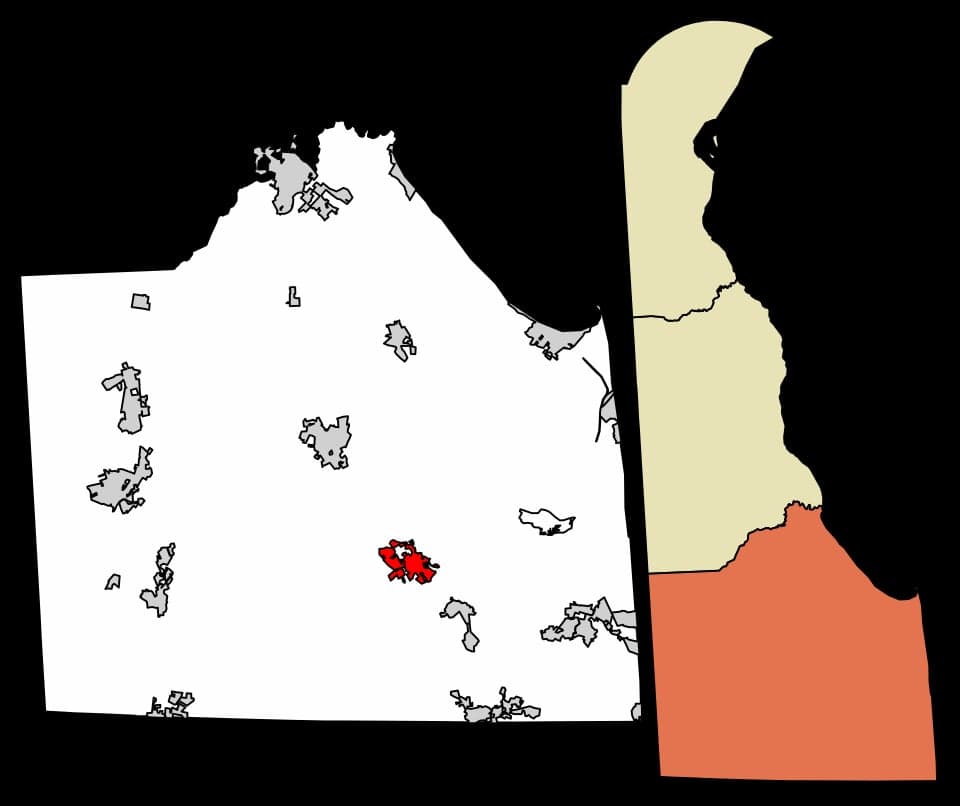
Millsboro, Delaware, sits in a county that leans Democratic by a Cook PVI of D+8, but don’t let that number fool you into thinking this is a progressive stronghold. The political reality here is more nuanced, shaped by a mix of long-time locals who value their freedoms and newer arrivals from upstate or the Mid-Atlantic who bring different voting habits. Over the past decade, the area has seen a slow but steady shift leftward, driven largely by population growth and development, but the conservative undercurrent—especially on issues like property rights, gun ownership, and local control—remains strong. If you’ve been here as long as I have, you’ve watched Millsboro go from a quiet farming town to a bedroom community for coastal workers, and with that change comes a tug-of-war between preserving our way of life and accommodating new ideas.
How it compares
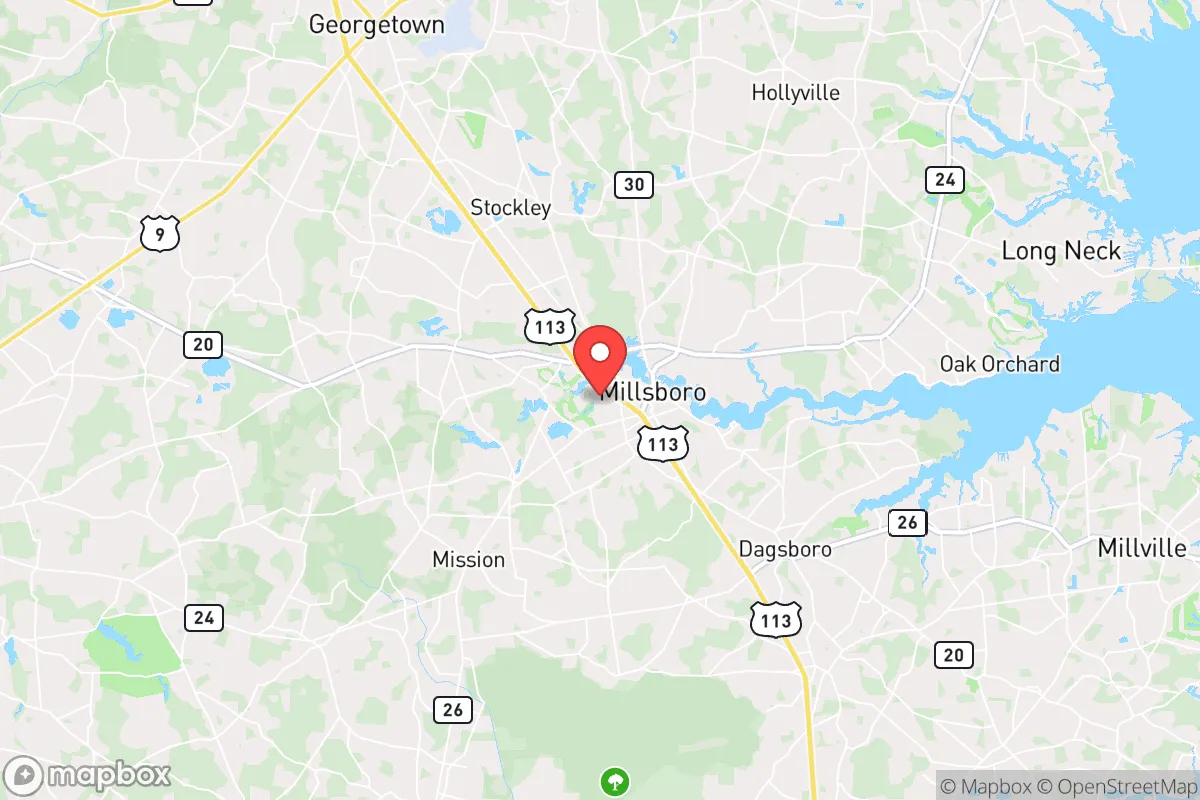
Drive 15 minutes east to Lewes or Rehoboth Beach, and you’ll find a much more liberal vibe—those towns lean heavily Democratic, with higher taxes and more government involvement in daily life. Head west toward Georgetown, the county seat, and you’ll feel the political pendulum swing back to the right; it’s a more conservative enclave where folks are skeptical of state mandates and zoning overreach. Millsboro sits right in the middle, but it’s increasingly feeling the pressure from the coast. The D+8 rating for Sussex County as a whole masks the fact that rural precincts around Millsboro often vote Republican, while the newer subdivisions near Route 113 tilt blue. That split means local elections are often decided by a few hundred votes, and the balance of power can shift with each development project.
What this means for residents
For those of us who value personal freedoms, the creeping influence of progressive policies is a real concern. You’re seeing it in things like tighter building restrictions, debates over short-term rental regulations, and pressure to adopt state-level gun control measures that don’t sit well with hunters and sport shooters. The school board has become a battleground too, with curriculum changes and mask mandates sparking heated town hall meetings. If you’re a conservative here, you’re not alone—but you’re also not in the driver’s seat anymore. The good news is that local government still has a lot of say over land use and policing, so your voice matters more at the county level than in statewide races. Just don’t expect the political winds to shift back anytime soon; the demographic trend is clear, and it’s toward a more progressive Sussex County.
Culturally, Millsboro still holds onto its small-town character in ways that matter. The annual Millsboro Christmas Parade and the Nanticoke Indian Museum reflect a community that values tradition and heritage. But you’ll also notice more out-of-state license plates and chain stores replacing local businesses, which brings a different set of expectations about how things should run. One policy distinction that stands out is the county’s approach to land use: Sussex County has resisted some state-level planning mandates, giving locals more say over what gets built and where. That’s a small win for those who worry about government overreach, but it’s a fight that’s far from over. If you’re considering a move here, just know that the political climate is in flux—and if you lean conservative, you’ll want to get involved in local politics to help keep Millsboro from becoming another Rehoboth.

State Political ClimatePolitical Climate in Delaware
State Political AnalysisPolitical Environment in the State
Delaware has long been a blue state in presidential elections, voting for Democrats by double digits since 2008, but its political climate is far more nuanced than that headline suggests. The state is dominated by the heavily populated, left-leaning New Castle County, which includes Wilmington and its suburbs, while the more rural and conservative Kent and Sussex counties to the south have been steadily gaining population and political influence. Over the past 10-20 years, the overall trajectory has been a slow but noticeable leftward shift on social and cultural issues, driven by in-migration from the Northeast and a growing progressive activist base in the northern corridor, even as the southern counties have become more reliably Republican.
Urban vs. rural divide
The political map of Delaware is essentially a tale of three counties. New Castle County, home to over 55% of the state's population, is the Democratic stronghold. Wilmington, Newark, and the I-95 corridor vote overwhelmingly blue, powered by a mix of union households, government employees, university communities (University of Delaware), and a growing professional class commuting to Philadelphia and Washington, D.C. This area alone decides statewide elections. In contrast, Kent County (Dover, Smyrna) is a true swing area, often tipping the balance in close races, though it has trended slightly redder in recent cycles. Sussex County (Georgetown, Lewes, Rehoboth Beach) is the most conservative part of the state, with a strong base of retirees, farmers, and small business owners. However, even Sussex is seeing a demographic shift as more liberal retirees from the Mid-Atlantic move into coastal resort towns like Lewes and Bethany Beach, slowly diluting the county's Republican edge. The divide is stark: drive 20 minutes south of the C&D Canal, and the yard signs, church attendance, and gun culture feel like a completely different state.
Policy environment
Delaware's policy environment is a mixed bag for a conservative-leaning resident. On the plus side, the state has no sales tax, which is a major draw for shoppers and small businesses. Property taxes are also among the lowest in the nation, averaging around 0.5% of assessed value. However, the state income tax is progressive and can reach 6.6%, and the corporate income tax (8.7%) is high. The regulatory posture is decidedly pro-government: Delaware is known for its business-friendly incorporation laws (over 60% of Fortune 500 companies are incorporated here), but for actual small businesses operating within the state, the permitting and licensing process can be cumbersome. Education policy is a flashpoint: the state has a strong teachers' union and has resisted school choice expansion, though charter schools exist. Healthcare is heavily regulated, with a state-based exchange under the ACA. Election laws are relatively open: same-day voter registration and no-excuse absentee voting are in place, which conservatives often view as less secure. The state also has a strict gun control regime, including a ban on "assault weapons" and high-capacity magazines passed in 2022, which was a major concern for Second Amendment advocates.
Trajectory & freedom
Over the past five years, Delaware has moved decisively toward more government intervention in personal freedoms. The most significant contraction of liberty was the 2022 assault weapons ban (HB 450), which also raised the purchase age for long guns to 21 and required a permit to buy a handgun. This was followed by a 2024 law that effectively bans the open carry of long guns in public. On the medical autonomy front, the state legalized recreational marijuana in 2023, but the rollout has been slow and heavily taxed, with strict licensing that favors large operators over small growers. Parental rights have been a battleground: in 2023, the state passed a law (HB 150) that prevents school districts from requiring parental notification if a child changes their name or pronouns, which many conservatives view as a direct assault on family authority. Property rights are generally respected, but the state's coastal zone act gives the government broad power to restrict development near beaches and wetlands. The overall trajectory is clear: Delaware is becoming less free on cultural and Second Amendment issues, even as it maintains a low-tax, business-friendly facade for corporations.
Civil unrest & political movements
Delaware has not seen the large-scale civil unrest of bigger states, but there have been notable flashpoints. In 2020, Wilmington saw several nights of protests and some property damage following the George Floyd incident, largely concentrated in the downtown area. The state has a small but vocal progressive activist network centered in Newark and Wilmington, which has successfully pushed for the gun control and parental notification laws mentioned above. On the right, the Delaware Republican Party has been revitalized in recent years, with grassroots groups like the "Sussex County Patriots" holding regular rallies and school board meetings. Immigration politics are relatively quiet compared to border states, but Delaware is a sanctuary state in practice, with state law (passed in 2019) limiting cooperation between local law enforcement and federal immigration authorities. This has been a major point of contention in conservative areas like Georgetown and Milford, where residents feel the policy undermines public safety. Election integrity has been a recurring theme: the 2020 and 2022 elections saw no major scandals, but the state's widespread use of drop boxes and universal mail-in voting (made permanent in 2022) continues to be a source of distrust among conservatives.
Projection
Looking ahead 5-10 years, the demographic trends suggest Delaware will continue its slow leftward drift. The population is growing fastest in Sussex County, but the new arrivals are increasingly from blue states like New York and New Jersey, bringing their voting habits with them. The coastal areas of Lewes and Rehoboth Beach are becoming more liberal, while the inland farming communities remain red. New Castle County will only get bluer as the Wilmington suburbs densify. The state's economy is heavily tied to the federal government (with many residents commuting to D.C.) and the financial sector, both of which lean left culturally. A new resident moving in now should expect that gun rights will continue to erode, parental rights will remain under pressure, and taxes—while low on property—will likely increase on income to fund expanding government programs. The one wild card is the state's business incorporation franchise: if Delaware ever loses its dominance in that arena, the state budget would face a crisis, potentially forcing a tax restructuring that could hit residents hard.
For a conservative-leaning individual or family considering a move to Delaware, the bottom line is this: you will find a welcoming community and low property taxes in Kent and Sussex counties, but you will be living in a state where the political culture is increasingly at odds with your values. The state government in Dover is firmly controlled by Democrats, and the trend lines on gun rights, parental rights, and fiscal policy are moving in the wrong direction. If you value low taxes and a slower pace of life, the southern parts of the state are still a decent option—but be prepared to fight for your freedoms at the local level, because the state legislature is not on your side.
* Values derived from national, state, county, city and local statistics and may differ in a specific area. Last updated: 2026-04-30T03:27:22.000Z
Narrative content on this page is AI-generated and may contain mistakes. Verify any details that matter before acting on them.
ReloMaps may earn a commission from affiliate links at no extra cost to you.

