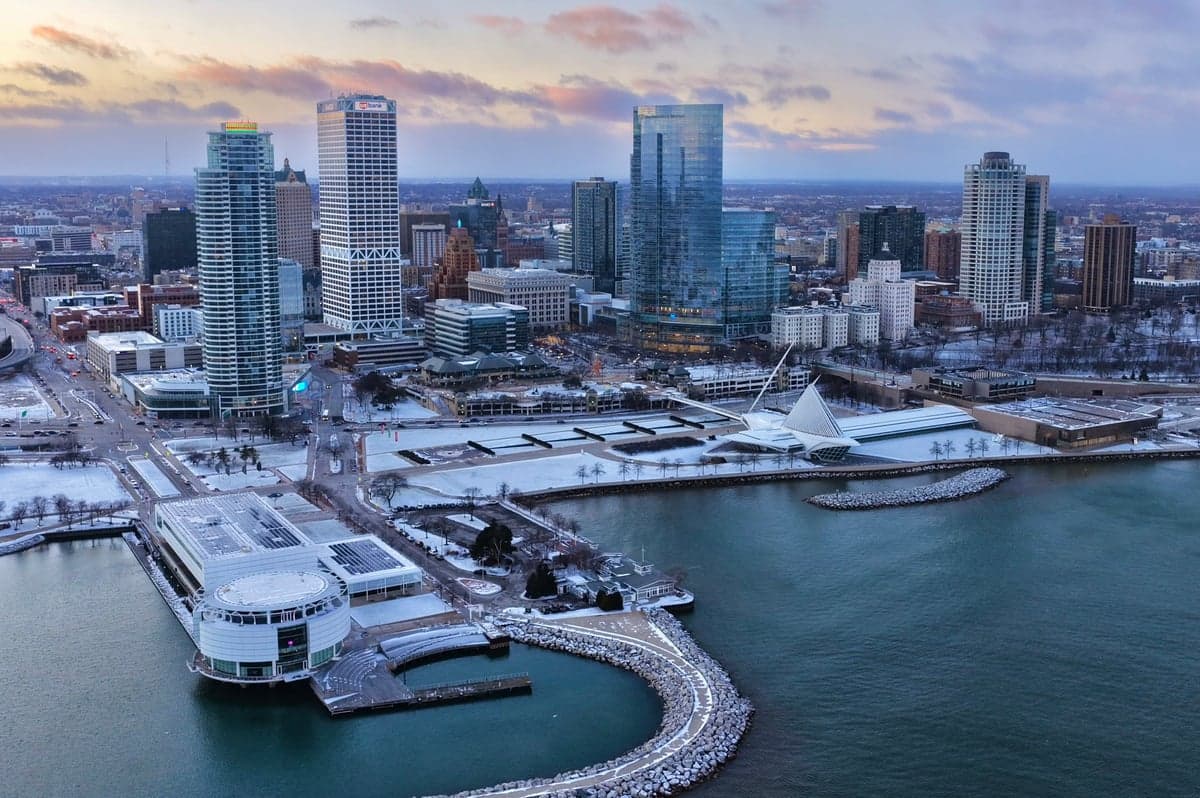
Photo: Wikipedia
Quality of Life in Milwaukee, WI
A high quality of life with strong walkability, manageable living costs, healthy neighborhood signals, and solid amenity access.
What does Quality of Life tell us?
Quality of Life blends cost of living, nearby amenities, socioeconomic signals, and neighborhood character. City-level scores represent the whole municipality; individual neighborhoods can differ.
What does this tell us?
Quality of Life blends cost of living, nearby amenities, socioeconomic signals, and neighborhood character. City-level scores represent the whole municipality; individual neighborhoods can differ.
Cost of Living
22% below national average
The Real Cost of Living in Milwaukee, WI for 2026
| Tier | Individual | Family (4) |
|---|---|---|
| Survival | $16k | $31k |
| Comfortable | $33k | $49k |
| Luxury | $94k+ | $145k+ |
| Elite (Top 5%) | $114k+ | $177k+ |
106%
The Area Signal
A metric tracking the socioeconomic signals of the area.
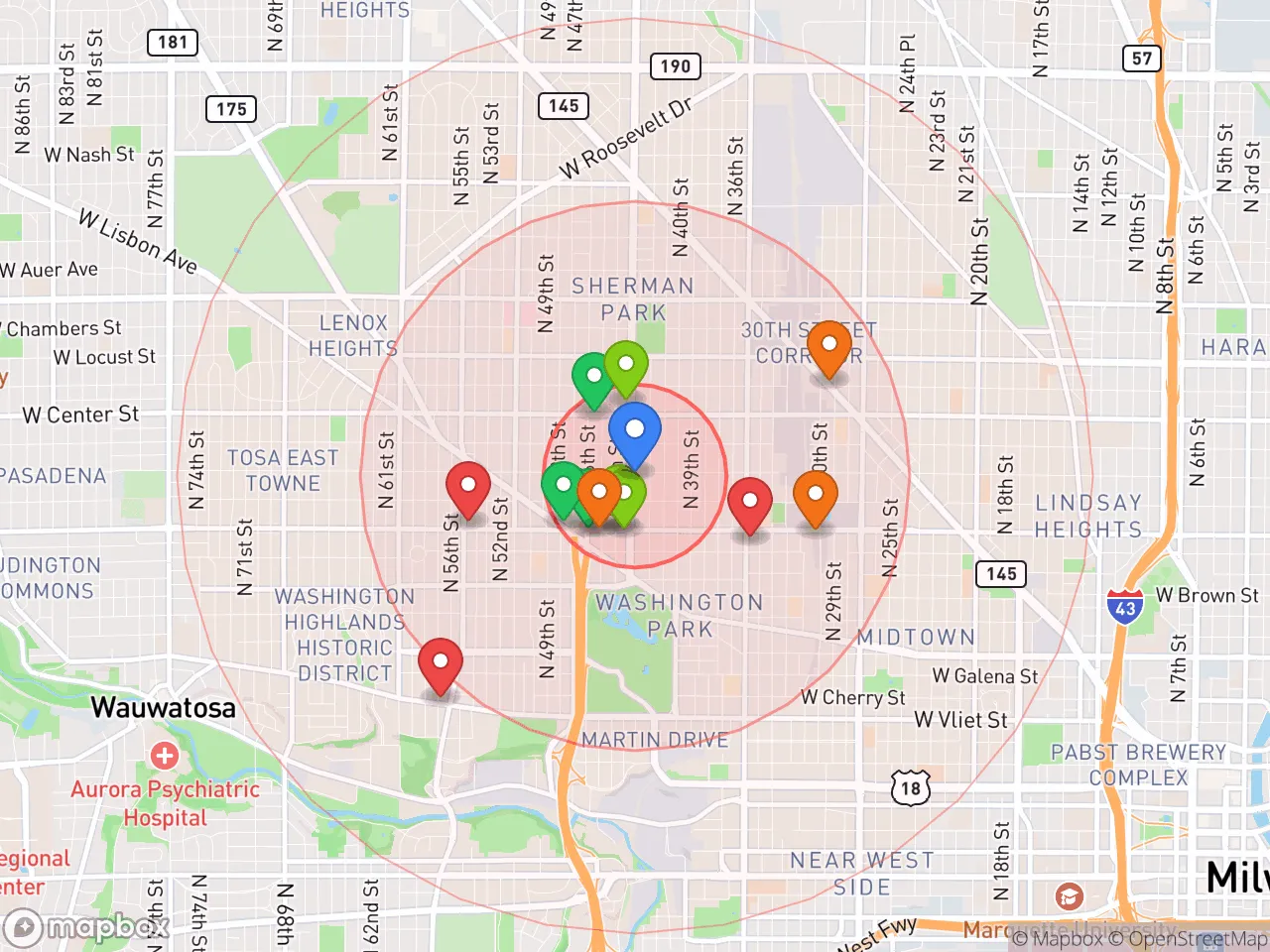
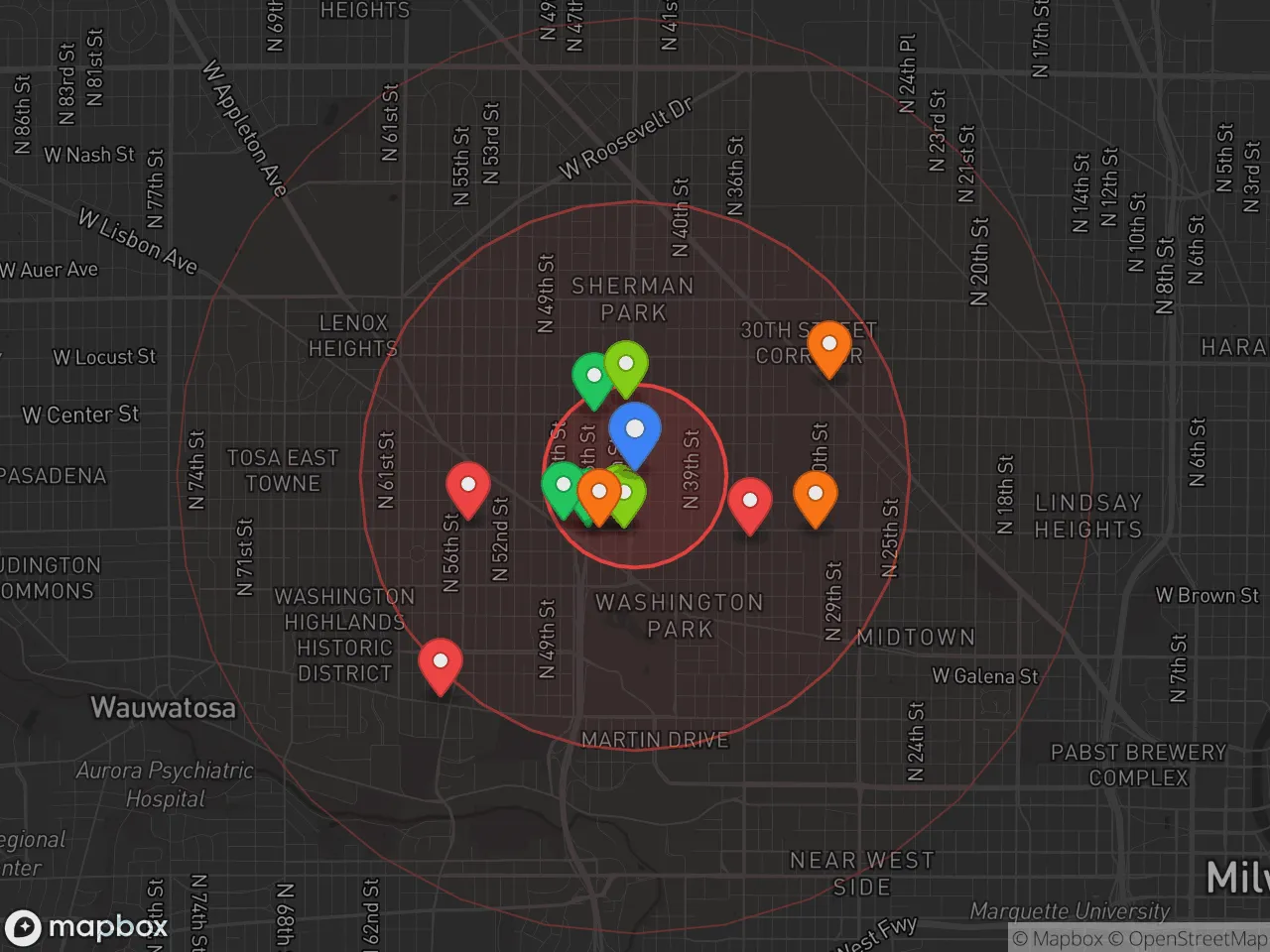
Hobbies
Explore the areaGroceries
4 within 10 miles
Gas
20 within 10 miles
Hospital
20 within 20 miles
Airport
ORD — O'Hare International
Post Office
USPS — Milwaukee, WI
Critical Amenities
Quality-of-Life Analysis
Milwaukee presents a distinctive quality-of-life profile in the Midwest, blending urban energy with a cost of living that is 22% below the national average (COL index 78). The city attracts a diverse mix of residents: young professionals drawn to its growing tech and healthcare sectors, families seeking affordable homeownership, and creatives anchored by the Milwaukee Art Museum and a robust brewery scene. While not as affluent as its western suburbs like Brookfield or Mequon, Milwaukee proper offers a density of cultural and employment opportunities that few similarly priced metros can match.
Cost of living, housing affordability, and how Milwaukee compares to nearby suburbs
Milwaukee’s housing market is a primary draw for cost-conscious movers. The median home value sits at $172,000, a fraction of the national median and roughly half the price of homes in nearby Chicago suburbs like Evanston or Oak Park. Median rent is $1,033, making it feasible for single-income households or young renters to live in walkable neighborhoods such as Bay View, Walker’s Point, or the East Side. Property taxes in Milwaukee County are higher than the state average (around 2.2% of assessed value), which partially offsets the low purchase price. Compared to the affluent North Shore suburbs (Whitefish Bay, Shorewood), where median home values exceed $350,000, Milwaukee proper offers significantly more square footage per dollar. The average commute of 22.4 minutes is shorter than the national average (26 minutes), a practical advantage for workers commuting to downtown offices or the Medical College of Wisconsin campus in Wauwatosa.
Daily life, schools, and amenities for families and professionals
Daily life in Milwaukee is shaped by distinct neighborhoods, each with its own rhythm. The East Side and Lower East Side offer dense, walkable blocks with coffee shops, vintage stores, and access to Lake Michigan’s lakefront parks. Families often gravitate toward Washington Heights or Tosa (Wauwatosa), where the Milwaukee Public Schools system includes magnet and charter options like Rufus King High School and Golda Meir School, both consistently ranked among Wisconsin’s best. For private education, University School of Milwaukee and Marquette University High School serve college-bound students. Amenities are a strong point: the Milwaukee County Parks system includes over 15,000 acres, with the Oak Leaf Trail providing 125 miles of paved paths for cycling and running. The Milwaukee Public Market, the Harley-Davidson Museum, and the historic Pabst Theater anchor the city’s cultural calendar. Groceries and dining remain affordable—a meal at a local pub costs roughly 15% less than the national average—and the city’s farmers’ markets (notably the Fondy Food Center) operate year-round in indoor markets.
Milwaukee is best suited for residents who value urban amenities without the premium price tag of coastal cities. It works well for first-time homebuyers who can tolerate higher property taxes in exchange for equity-building potential, for professionals in healthcare, manufacturing, or tech who want a commute under 25 minutes, and for families who prioritize lake access and strong magnet schools over suburban homogeneity. Those seeking a 24-hour nightlife scene or a booming tech hub may find Milwaukee quieter than Chicago or Austin, but for anyone looking to own a home, build wealth, and enjoy a genuine Great Lakes lifestyle, the city delivers a rare combination of affordability and cultural depth.

Crime in Milwaukee, WI
Significantly higher crime rates than 82% of comparable U.S. locations.
Violent CrimeViolent Crime Analysis
Property CrimeProperty Crime Analysis
Crime Analysis
Milwaukee, Wisconsin, reports a violent crime rate of 1,063.8 incidents per 100,000 residents and a property crime rate of 2,162 per 100,000, figures that place it among the most dangerous cities in the United States for its size. These rates are roughly three times the national average for violent crime and significantly above the Wisconsin state average, reflecting systemic public safety challenges that potential residents must weigh carefully. The city’s crime problem is compounded by a progressive local justice system, where liberal district attorneys and judges often prioritize offender rehabilitation over punitive measures, a philosophy that critics argue leads to higher recidivism and more criminals on the street.
Crime in context
Milwaukee’s violent crime rate is nearly 3.5 times the national average of roughly 380 per 100,000, while its property crime rate exceeds the U.S. average by about 40%. Compared to other large Midwestern metros, Milwaukee’s violent crime is higher than Chicago’s (though Chicago’s raw numbers are larger) and far exceeds Madison’s rate of approximately 300 per 100,000. The city’s homicide count has consistently topped 100 annually since 2015, with 2024 recording 135 homicides. Property crimes like theft and burglary are concentrated in downtown and near commercial corridors, though auto theft has surged statewide due to lax juvenile justice policies in Milwaukee County.
What residents experience
Daily life for Milwaukee residents involves heightened vigilance, particularly after dark and in areas like the Near North Side, Lindsay Heights, and parts of the South Side. Carjackings and armed robberies occur frequently near entertainment districts, and many locals avoid public transit stops after 9 PM. The Milwaukee Police Department has struggled with staffing shortages, with officer numbers dropping from 1,900 in 2020 to roughly 1,600 in 2025, leading to slower response times for non-emergency calls. Residents often report that property crimes like package theft and garage break-ins are rarely investigated, while violent incidents receive priority but still face case backlogs due to progressive district attorney policies that divert many felony charges to diversion programs or reduced sentences.
Neighborhood-level variation
Safety varies dramatically by neighborhood. East Side, Bay View, and Washington Heights have violent crime rates 40-60% below the city average, with strong neighborhood watch programs and higher police presence. In contrast, Sherman Park, Harambee, and the Amani neighborhood see violent crime rates exceeding 2,000 per 100,000, driven by gang activity and open-air drug markets. Suburban communities like Wauwatosa, Brookfield, and Mequon offer violent crime rates below 150 per 100,000, making them popular alternatives for families and professionals. However, even in safer pockets, proximity to high-crime corridors means residents cannot fully escape the city’s broader public safety crisis, which is exacerbated by a justice system that critics say prioritizes sympathy for offenders over justice for victims.
* Values derived from national, state, county, city and local statistics and may differ in a specific area. Last updated: 2026-04-29T23:26:13.000Z
Narrative content on this page is AI-generated and may contain mistakes. Verify any details that matter before acting on them.
ReloMaps may earn a commission from affiliate links at no extra cost to you.

