 Popular
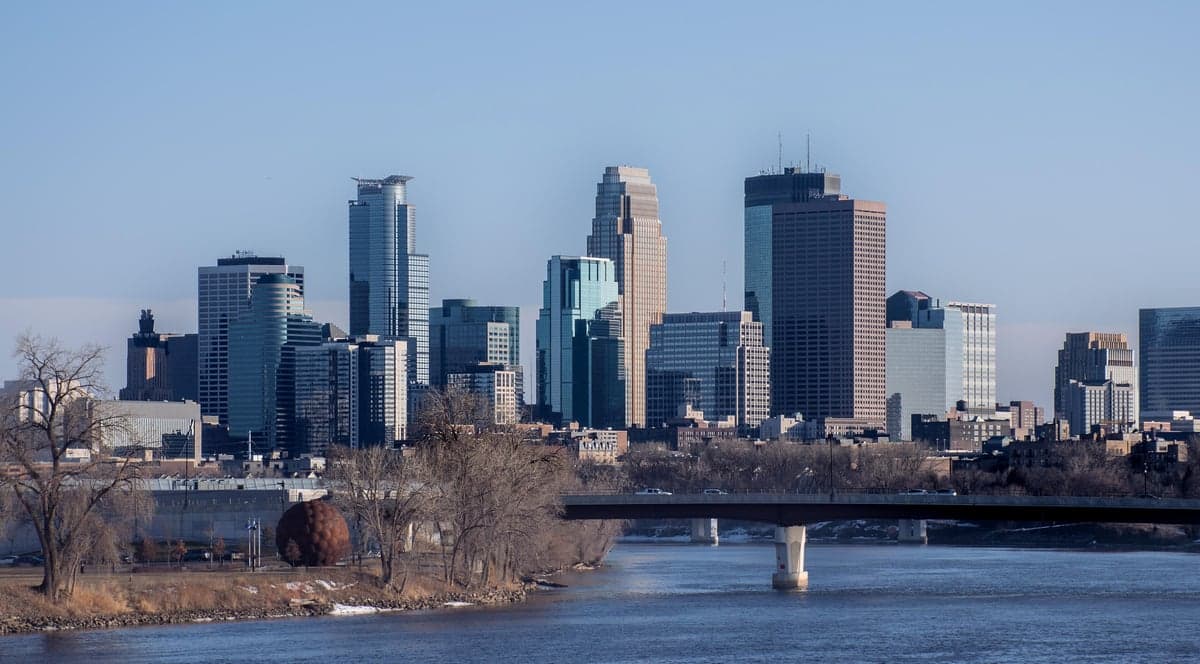
Photo: Wikipedia
Quality of Life in Minneapolis, MN
Above-average quality of iife. The area offers a reasonable cost of living, decent mobility, and a mix of neighborhood amenities.
What does Quality of Life tell us?
Quality of Life blends cost of living, nearby amenities, socioeconomic signals, and neighborhood character. City-level scores represent the whole municipality; individual neighborhoods can differ.
What does this tell us?
Quality of Life blends cost of living, nearby amenities, socioeconomic signals, and neighborhood character. City-level scores represent the whole municipality; individual neighborhoods can differ.
Cost of Living
18% above national average
The Real Cost of Living in Minneapolis, MN for 2026
| Tier | Individual | Family (4) |
|---|---|---|
| Survival | $21k | $40k |
| Comfortable | $67k | $99k |
| Luxury | $145k+ | $225k+ |
| Elite (Top 5%) | $188k+ | $291k+ |
81%
The Area Signal
A metric tracking the socioeconomic signals of the area.
Hobbies
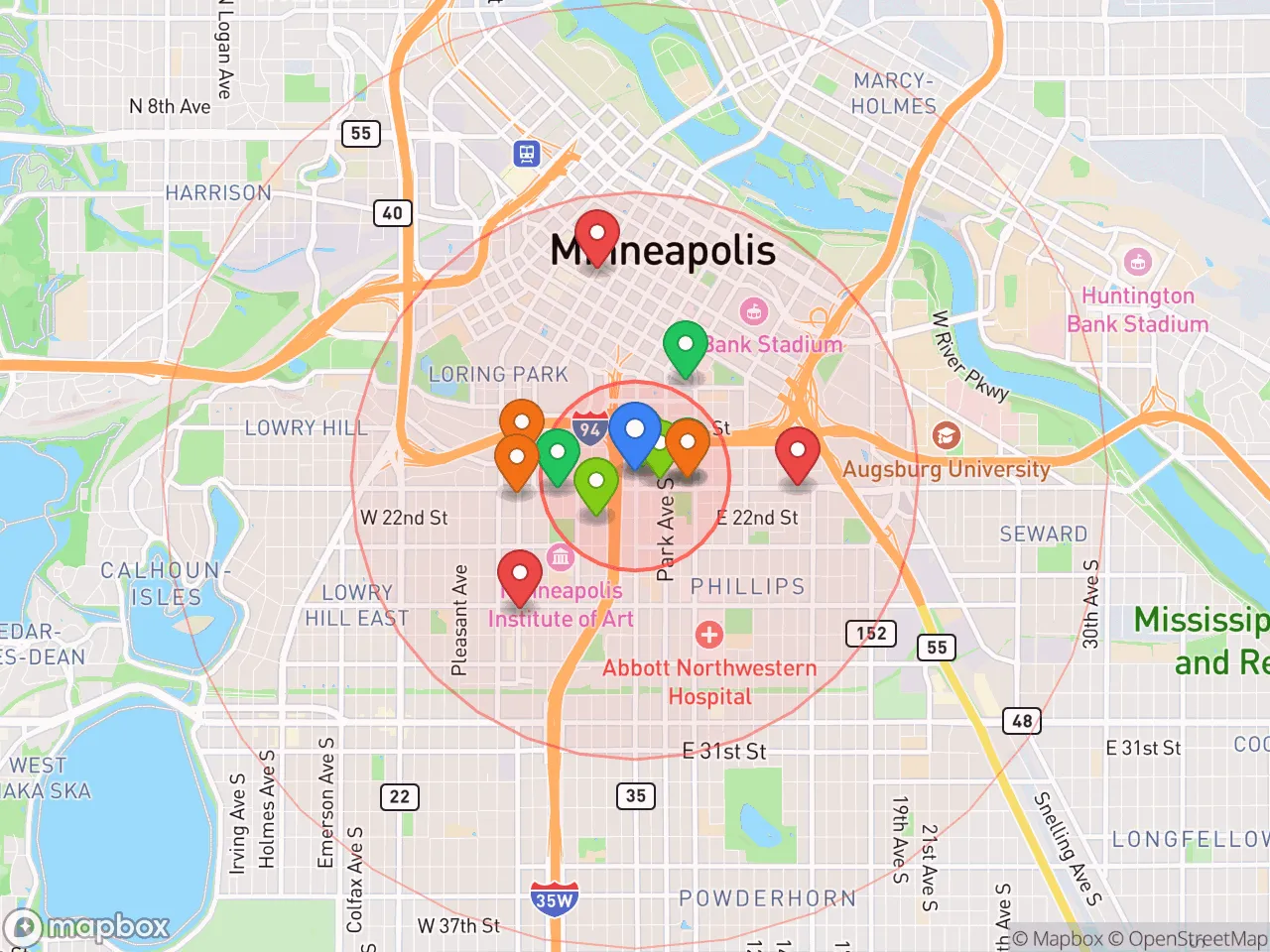
Explore the areaGroceries
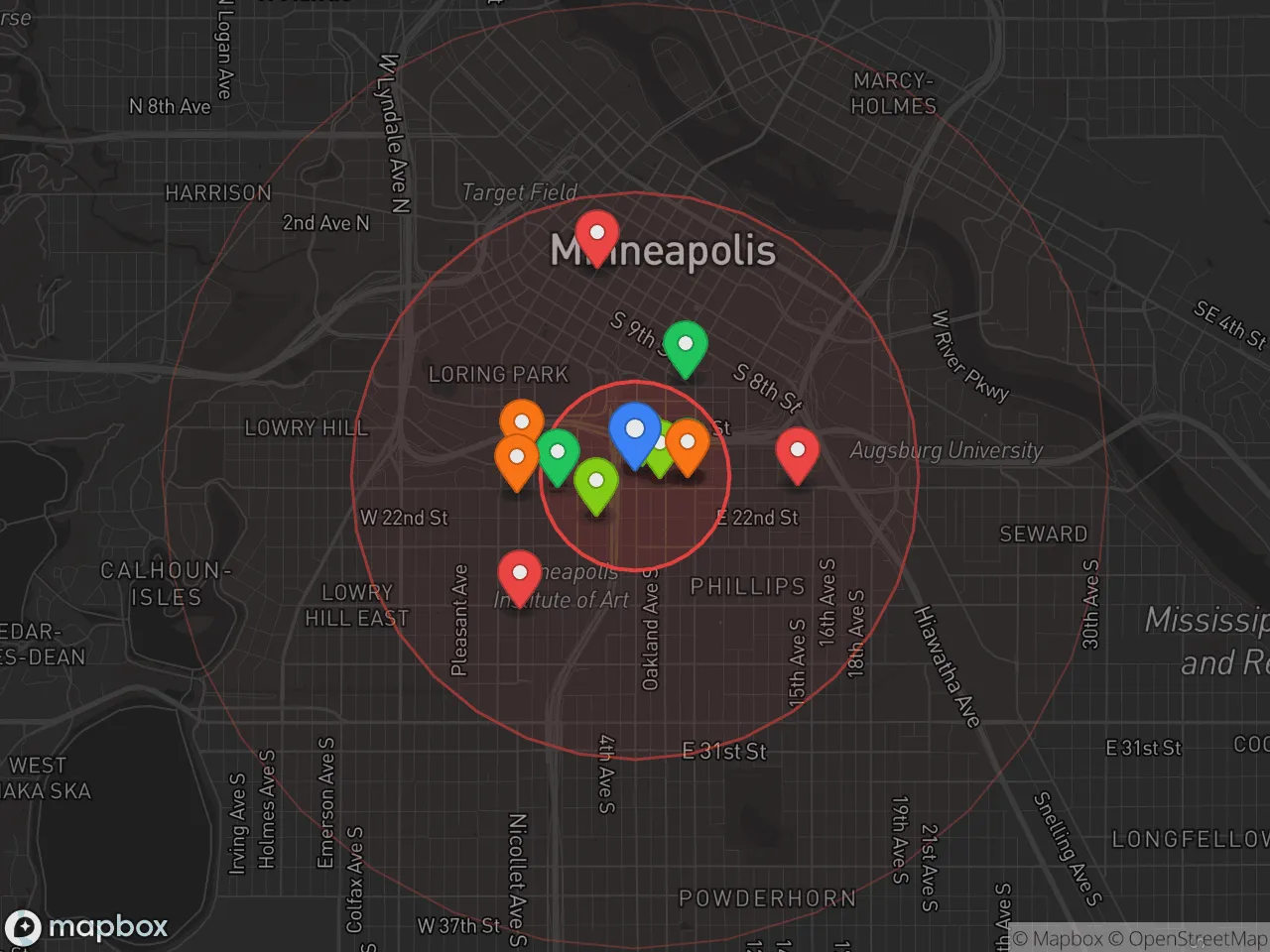
4 within 10 miles
Gas
20 within 10 miles
Hospital
20 within 20 miles
Airport
JFK — John F. Kennedy Memorial
Post Office
USPS — Minneapolis, MN
Critical Amenities
Quality-of-Life Analysis
Minneapolis presents a quality-of-life profile that blends Midwestern pragmatism with urban ambition, attracting a population that is notably younger, more educated, and more diverse than the national average. With a cost of living index of 118 (where 100 equals the U.S. average), the city sits above the national baseline but remains significantly more affordable than coastal peer metros like Seattle or Boston. The typical resident is a renter or homeowner in their early-to-mid 30s, often working in healthcare, tech, or the creative economy, drawn by a combination of economic opportunity and a deeply ingrained culture of outdoor recreation and civic engagement.
Cost of living, housing, and how Minneapolis compares to nearby suburbs
Housing in Minneapolis is the primary driver of its above-average cost of living, yet it still offers relative value compared to the broader Twin Cities region. The median home value sits at $345,600, which is roughly 15% lower than in the western suburbs of Edina or Minnetonka, where values often exceed $400,000. Renters face a median monthly cost of $1,329, a figure that is competitive with St. Paul but roughly $200–$300 less per month than in the high-demand neighborhoods of Uptown or North Loop. The average commute time of 22.5 minutes is notably shorter than the national average of 27 minutes, a practical advantage that reduces daily stress and transportation costs. Property taxes in Minneapolis are moderate for the state, averaging about 1.1% of assessed value, though city residents also pay a higher sales tax (8.025%) than those in surrounding suburbs like Bloomington (7.775%). For renters and first-time buyers, the city's inclusionary zoning policies and first-generation homebuyer programs provide tangible pathways that are less common in the pricier inner-ring suburbs.
Parks, schools, and what daily life actually feels like
Daily life in Minneapolis is defined by its extraordinary park system—the city has 22 lakes and 180 parks within its limits, earning it the top spot in the Trust for Public Land's ParkScore for multiple years. The Chain of Lakes (Lake Harriet, Bde Maka Ska, and Lake of the Isles) functions as a de facto town square, with running paths, sailing clubs, and seasonal ice skating. Public schools are administered by Minneapolis Public Schools, which operates 65 elementary and secondary schools; while the district faces challenges with achievement gaps, magnet and specialty programs like the Southwest High School International Baccalaureate program are highly regarded. For families, the daily rhythm often includes a walk to a neighborhood coffee shop, a bike ride on the Grand Rounds trail, or a quick drive to a farmers market—the city has over 40 seasonal markets. Cultural amenities are dense: the Walker Art Center, the Guthrie Theater, and First Avenue music venue provide year-round programming. Winters are long and cold (average January high of 23°F), but the city's skyway system—a network of enclosed pedestrian bridges connecting 80 downtown blocks—allows residents to commute, shop, and dine without stepping outside.
Minneapolis is best suited for people who value a high density of urban amenities paired with immediate access to nature, and who are willing to trade mild winters for a robust civic infrastructure. Young professionals will find a strong job market anchored by 16 Fortune 500 companies (including Target, U.S. Bancorp, and Best Buy), while families benefit from a lower cost of entry for homeownership than in comparable metros like Denver or Portland. Retirees and those seeking a slower pace may prefer the quieter suburbs, but for anyone who wants a walkable, bikeable, lake-filled city with a serious cultural scene and a manageable commute, Minneapolis delivers a quality of life that punches well above its cost of living.

Crime in Minneapolis, MN
Significantly higher crime rates than 90% of comparable U.S. locations.
Violent CrimeViolent Crime Analysis
Property CrimeProperty Crime Analysis
Crime Analysis
Minneapolis faces a severe public safety crisis, with violent crime rates more than double the national average and property crime rates that are among the highest in the Upper Midwest. The city recorded a violent crime rate of 1,000.6 incidents per 100,000 residents and a property crime rate of 4,504.3 per 100,000 in the most recent reporting period, figures that place it well above both Minnesota state averages and comparable large metro areas. These elevated rates are a direct consequence of progressive criminal justice policies enacted by local elected officials and district attorneys, which prioritize offender rehabilitation over public safety and have resulted in reduced prosecution rates and shorter sentences for repeat offenders.
Crime in context
Minneapolis's violent crime rate is roughly 2.5 times the national average for cities of its size, while its property crime rate is nearly double the national benchmark. The city's homicide rate, which peaked at 30.3 per 100,000 in 2021, remains elevated compared to peer metros like Denver (17.桔) or Seattle (14.2). Aggravated assaults account for the majority of violent offenses, with over 4,000 reported annually. Property crime is dominated by motor vehicle theft and larceny, with auto thefts surging 60% between 2020 and 2023. These trends mirror patterns seen in other jurisdictions that have adopted progressive prosecutorial policies, such as reduced cash bail, declined charging of low-level felonies, and early release programs. The Hennepin County Attorney's Office, which oversees Minneapolis prosecutions, has been a national leader in these reforms, contributing to a recidivism rate of over 40% among released offenders.
What residents experience
Daily life for Minneapolis residents is shaped by a palpable sense of insecurity. Carjackings and armed robberies occur regularly in commercial corridors like Lake Street and Nicollet Avenue, while residential burglaries have spiked in neighborhoods near downtown. Business owners report frequent shoplifting and vandalism, with many installing private security or closing earlier than pre-pandemic hours. The city's 311 system logs over 150,000 non-emergency complaints annually, with noise disturbances, suspicious activity, and drug-related calls topping the list. Public transit users on Metro Transit buses and light rail face elevated risks, with the system reporting over 1,000 serious crimes in 2023. Residents consistently rank public safety as their top concern in city surveys, with many expressing frustration over slow police response times—averaging 12 minutes for priority calls—and a perceived lack of accountability for repeat offenders.
Neighborhood-level variation is stark. The Near North, Phillips, and Powderhorn Park neighborhoods experience violent crime rates 3-4 times the city average, driven by concentrated poverty and gang activity. In contrast, Southwest neighborhoods like Linden Hills and Fulton see rates closer to the national average, though property crime remains a concern. The city's 2023 police staffing shortage—down 30% from 2019—has exacerbated disparities, with response times in high-crime areas exceeding 20 minutes. For prospective residents, the safest options are the western and southern edges of the city, particularly areas near the chain of lakes, where community policing and neighborhood watch programs are more active. However, even these areas are not immune to the broader effects of progressive justice policies, which have reduced the deterrent effect of prosecution across the entire city.
* Values derived from national, state, county, city and local statistics and may differ in a specific area. Last updated: 2026-04-29T21:30:58.000Z
Narrative content on this page is AI-generated and may contain mistakes. Verify any details that matter before acting on them.
ReloMaps may earn a commission from affiliate links at no extra cost to you.

