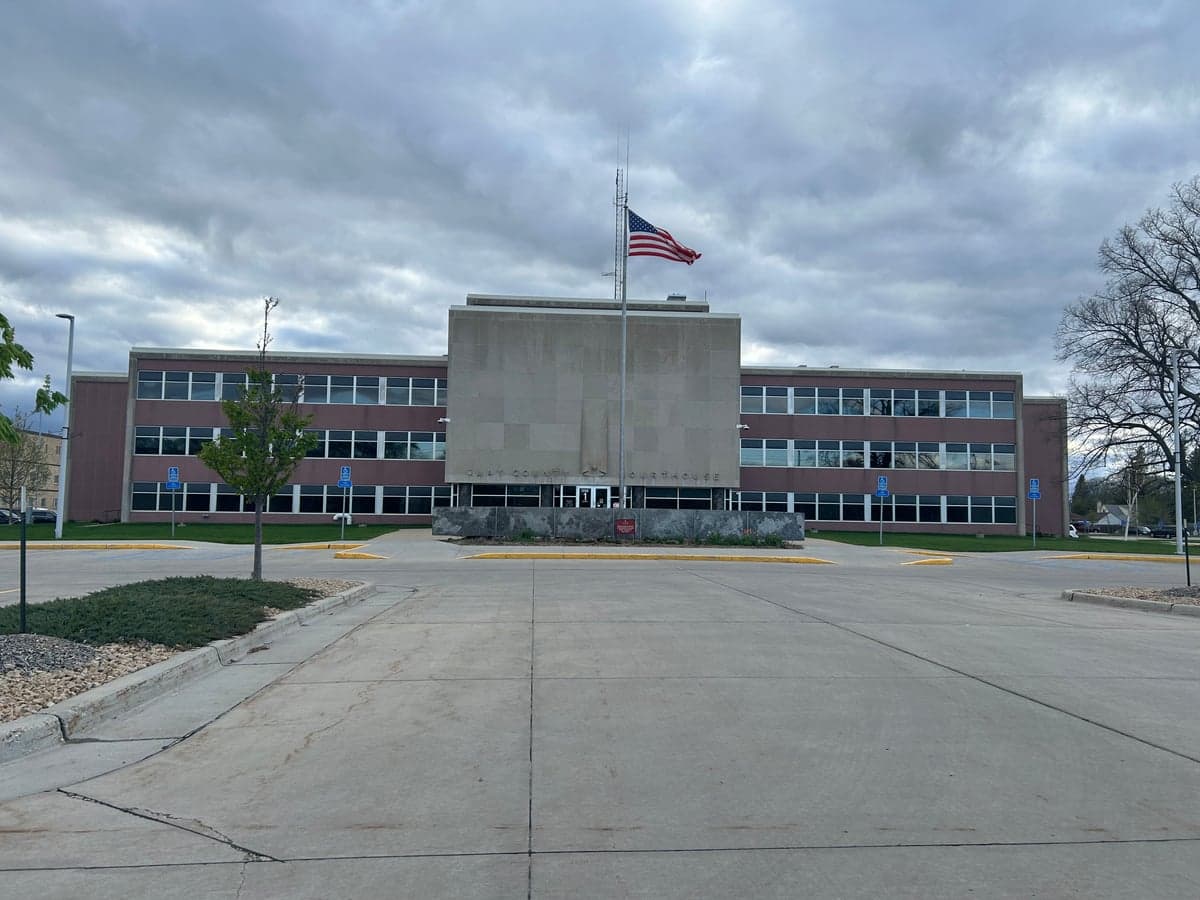
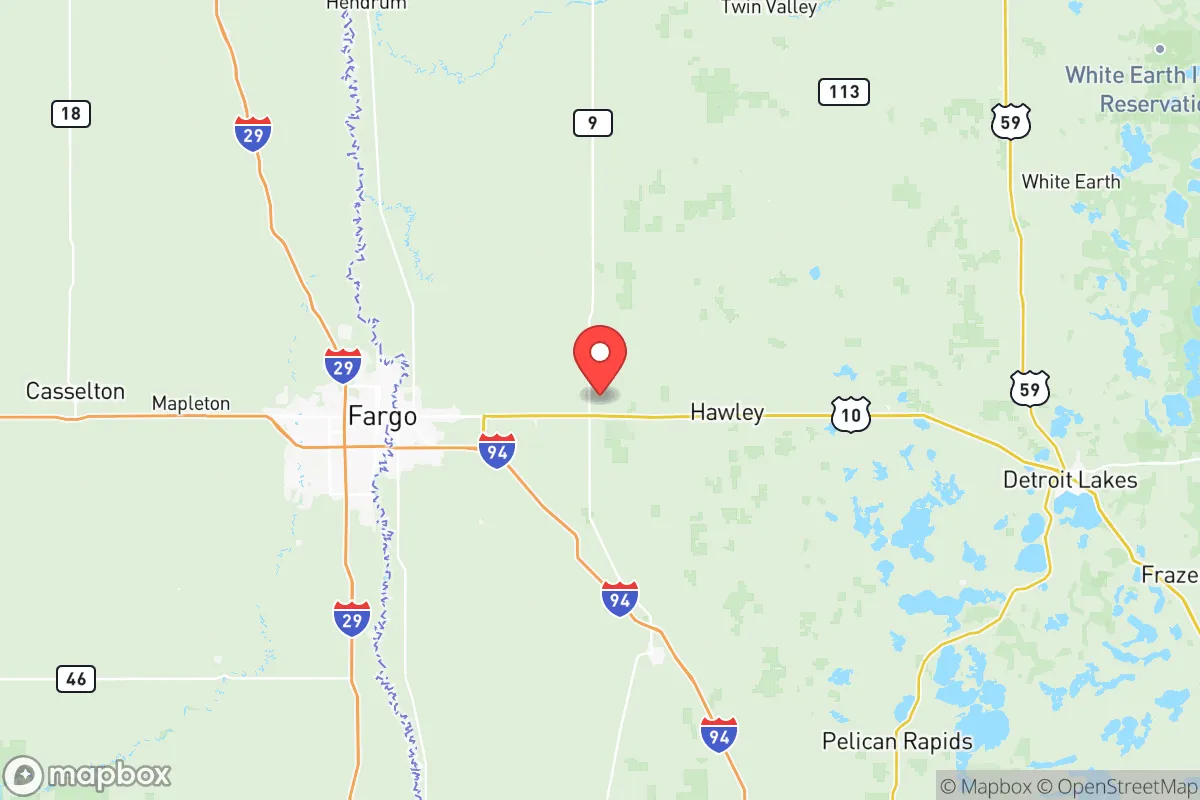
Photo: Wikipedia
Quality of Life in Clay County
A livable area that tracks near national norms for affordability, walkability, and neighborhood health.
What does Quality of Life tell us?
Quality of Life measures an area by evaluating factors like cost of living, nearby amenities, country club access, airport proximity, socioeconomic signals and neighborhood character. For large states, this is a general average — quality of life can vary dramatically between metro areas, suburbs, and rural communities within the same state.
What does this tell us?
Quality of Life measures an area by evaluating factors like cost of living, nearby amenities, country club access, airport proximity, socioeconomic signals and neighborhood character. For large states, this is a general average — quality of life can vary dramatically between metro areas, suburbs, and rural communities within the same state.
Cost of Living
12% below national average
106%
The Real Cost of Living in Clay County for 2026
| Tier | Individual | Family (4) |
|---|---|---|
| Survival | $16k | $30k |
| Comfortable | $50k | $73k |
| Luxury | $126k+ | $195k+ |
| Elite (Top 5%) | $148k+ | $230k+ |
Quality-of-Life Analysis
Clay County, Minnesota, offers a spectrum of quality-of-life options that ranges from the college-town energy and regional medical hub of Moorhead to the quiet, agricultural hamlets and lake-dotted rural townships in its eastern and southern reaches. The county’s overall cost of living index sits at 88 (12% below the U.S. average), with a median home value of $256,000 and median rent of $1,000, making it broadly affordable. However, the character of daily life shifts dramatically depending on whether a resident chooses the walkable, amenity-rich environment of the county’s largest city or the slower pace and lower housing costs of places like Barnesville, Ulen, or the unincorporated areas around Felton and Downer.
Largest town(s) & population centers
Moorhead, with a population of roughly 44,000, is the county’s urban core and the only city of significant size. Daily life here is shaped by its role as a regional education and healthcare center, anchored by Minnesota State University Moorhead (MSUM), Concordia College, and the Sanford Health medical campus. The city offers a dense mix of restaurants, retail, and cultural venues like the Hjemkomst Center, and its position directly across the Red River from Fargo, North Dakota, effectively doubles the available amenities. Commute times in Moorhead average 19.5 minutes, reflecting the city’s manageable scale. Housing here is the most expensive in the county, with median home values pushing toward $280,000 in newer subdivisions, though rental options near the universities keep the countywide median rent at a reasonable $1,000. The population is younger and more transient than the rest of the county, with a strong presence of students, faculty, and healthcare professionals.
Smaller towns & rural pockets
Outside Moorhead, Clay County is defined by a network of small towns and unincorporated farming communities. Barnesville (pop. ~2,600) is the second-largest town, functioning as a self-contained rural service center with its own school district, a small downtown, and easy access to Interstate 94. Glyndon (pop. ~1,400) and Hawley (pop. ~2,100) offer similar small-town dynamics—each with a K-12 school, a main street, and a strong sense of local identity. Further east, Ulen (pop. ~550) and Hitterdal (pop. ~200) are true agricultural hamlets where grain elevators and churches dominate the skyline. Unincorporated places like Felton, Downer, and Comstock are little more than crossroads with a handful of homes and a post office, offering the lowest housing costs in the county—often under $150,000 for a fixer-upper. These areas attract retirees, farmers, and commuters willing to drive 25-35 minutes to jobs in Moorhead or Fargo in exchange for land and quiet.
Cost & lifestyle range
The cost and lifestyle spread across Clay County is wide. At the high end, Moorhead’s south side and newer developments near the river command home prices of $300,000–$400,000, with walkable access to parks, coffee shops, and the downtown Fargo nightlife across the bridge. At the low end, rural townships east of Hawley and the unincorporated areas around Felton offer homes for under $150,000, but with few local services—residents typically drive 20–30 minutes for groceries, healthcare, and schools. The middle ground is occupied by Barnesville and Glyndon, where median home values hover around $220,000–$250,000, and residents enjoy a modest downtown, a local school, and a commute of 15–20 minutes to Moorhead. Property taxes in the county are moderate, roughly 1.0–1.2% of assessed value, but can be lower in unincorporated townships. The lifestyle trade-off is clear: Moorhead offers convenience, culture, and a short commute, while the smaller towns and rural pockets offer space, lower costs, and a tighter-knit community.
This county works best for people who value choice and are willing to make a deliberate trade-off between proximity to urban amenities and the affordability of rural living. Young professionals and families who prioritize a short commute and cultural access will gravitate toward Moorhead, while those seeking land, lower housing costs, and a slower pace will find a good fit in Barnesville, Hawley, or the quiet townships east of the Red River. Retirees on a fixed income and remote workers with flexible schedules are particularly well-served by the county’s low-cost rural pockets, where a home can be purchased for well under the national median and the commute to a regional hospital or airport is still under 30 minutes.

Crime in Clay County
Generally safer than 62% of comparable U.S. locations.
Violent CrimeViolent Crime Analysis
Property CrimeProperty Crime Analysis
Crime Analysis
Clay County, Minnesota, presents a mixed safety profile that is heavily shaped by the contrast between its urban core, Moorhead, and its more rural towns. The county's overall violent crime rate of 222.8 per 100,000 residents sits below the national average but above the Minnesota state average, while its property crime rate of 1,417.9 per 100,000 is notably higher than both state and national benchmarks. This disparity means that while violent incidents are less common than in many parts of the country, property crimes like theft and burglary are a tangible concern for residents, particularly in and around Moorhead.
Crime in context
To understand Clay County's crime numbers, they must be weighed against broader trends. The national violent crime rate hovers around 380 per 100,000, making Clay County's 222.8 figure roughly 41% lower than the U.S. average. However, Minnesota's statewide violent crime rate is approximately 240 per 100,000, meaning Clay County is slightly above the state norm. The property crime picture is more concerning. At 1,417.9 per 100,000, Clay County's rate is about 30% higher than the national average of roughly 1,100 per 100,000 and significantly exceeds Minnesota's statewide property crime rate of around 1,200 per 100,000. This elevated property crime rate is a key driver of overall safety concerns, especially in areas with higher population density and rental properties.
What residents experience
Daily life in Clay County varies dramatically by location. In Moorhead, the county seat and largest city, residents report higher instances of vehicle break-ins, package theft, and occasional vandalism, particularly near the downtown area and the Minnesota State University Moorhead campus. The city's proximity to Fargo, North Dakota, creates a cross-border dynamic where crime can flow between the two cities. In contrast, smaller communities like Barnesville, Glyndon, and Hawley experience far fewer incidents, with residents often citing a strong sense of community and neighborly watchfulness as natural deterrents. The county's rural townships, such as those around Ulen and Felton, see very low crime, though agricultural theft—such as equipment and fuel—can be a seasonal issue. The progressive judicial philosophy prevalent in the Minnesota 7th Judicial District, which covers Clay County, is a growing concern for residents. District attorneys and judges in this region often prioritize diversion programs and reduced sentencing for property and drug offenses, a trend that critics argue leads to repeat offenses and a revolving-door justice system that fails to adequately deter crime or support victims. This approach, while intended to reduce incarceration, can leave residents feeling that the system is more sympathetic to offenders than to the law-abiding public.
Neighborhood-level data within Moorhead shows clear variation. Areas east of I-94 and near the Red River, including the South Park and Viking Hills neighborhoods, tend to have higher reported crime rates, while the western residential areas near Moorhead High School and the Bluestem development are generally quieter. For those considering a move, the safest strategy is to choose a home in the smaller towns or the western half of Moorhead, while remaining vigilant about property security—good lighting, locked vehicles, and neighborhood watch participation—regardless of location. The county's overall safety is acceptable for most families, but the combination of elevated property crime and a lenient judicial environment warrants caution, especially for those accustomed to more conservative, victim-focused justice systems.
* Values derived from national, state, county, city and local statistics and may differ in a specific area. Last updated: 2026-05-09T01:57:22.000Z
Narrative content on this page is AI-generated and may contain mistakes. Verify any details that matter before acting on them.
ReloMaps may earn a commission from affiliate links at no extra cost to you.

