
Demographics of Minnetonka Beach, MN
Affluence Level in Minnetonka Beach, MN
An elite concentration of wealth — high incomes, strong home values, advanced degrees, and minimal poverty signal a top-tier socioeconomic profile.
Census doesn't track above $250K
People of Minnetonka Beach, MN
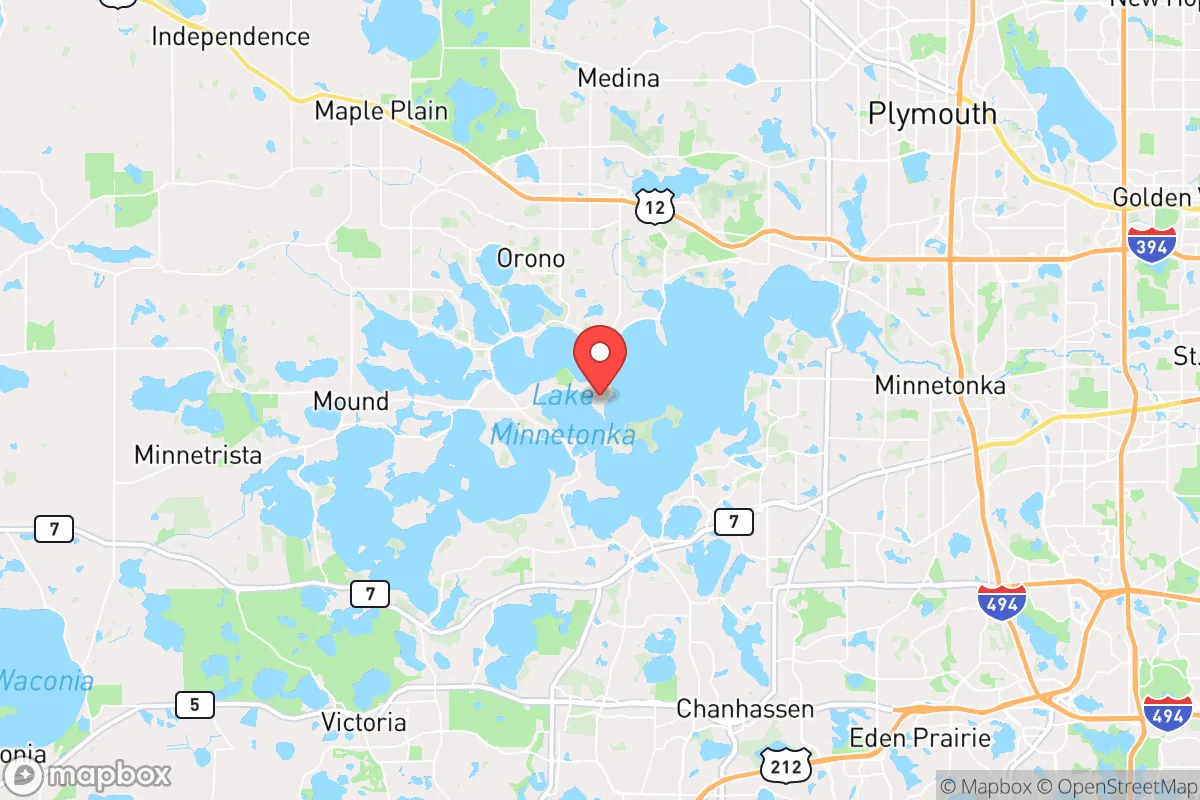
The people of Minnetonka Beach, Minnesota, are a small, affluent, and overwhelmingly white population of roughly 410 residents, characterized by high educational attainment (74.8% college-educated) and a near-total absence of racial or ethnic diversity. The city functions as a tight-knit, high-property-value enclave on the shores of Lake Minnetonka, where residents are predominantly established professionals, retirees, and families drawn to privacy, waterfront access, and proximity to the western Twin Cities suburbs. Its distinctive identity is rooted in historic summer-cottage culture, now largely converted to year-round luxury homes, with a population density of just over 100 people per square mile.
How the city was settled and grew
Minnetonka Beach was originally inhabited by the Dakota people, who used the lake for fishing and seasonal camps. European-American settlement began in the 1850s, following the 1851 Treaty of Traverse des Sioux, which opened the region to white homesteaders. The first permanent non-native settlers were Yankee and German farmers, but the city’s character shifted dramatically after the 1880s, when the Minneapolis and St. Louis Railroad extended service to the area. Wealthy Minneapolis industrialists and business owners—names like Pillsbury, Washburn, and Crosby—built grand summer estates along the lake, particularly in the Ferndale and West Arm neighborhoods. These early residents were almost exclusively of Northern European Protestant stock (English, German, Scandinavian), and they established the city as a seasonal retreat rather than a working-class settlement. By 1900, the population was under 200, nearly all white, and the city incorporated in 1910 to preserve its exclusive, low-density character against annexation by neighboring Wayzata.
Modern era (post-1965)
The post-1965 period saw no significant demographic diversification in Minnetonka Beach. The 1965 Hart-Cellar Act, which dramatically increased immigration from Asia, Latin America, and Africa, had virtually no effect here: the foreign-born population today is just 0.7%, and the city remains 96.6% white. The Hispanic share (3.4%) is the only non-white presence, and it is concentrated among seasonal service workers and groundskeepers, not permanent residents. The Lakeview Drive and Beachside areas, which contain smaller, older cottages, have seen some turnover to younger professional families from Minneapolis and the western suburbs, but these new arrivals are demographically identical to the existing population—white, college-educated, and high-income. The Ferndale neighborhood, with its historic mansions, remains the domain of long-established families and a handful of corporate executives. No East/Southeast Asian, Black, or Indian-subcontinent communities have formed any enclave within city limits; the city’s housing stock (median home value exceeding $1.5 million) and lack of rental units effectively filter out all but the wealthiest buyers, who are overwhelmingly white.
The future
Minnetonka Beach’s population is projected to remain stable or decline slightly over the next 10–20 years, as the city is essentially built out with no vacant land for new development. The population is aging—the median age is around 55—and younger families are increasingly priced out by rising property taxes and maintenance costs on historic homes. The city is homogenizing further, not tribalizing: the tiny Hispanic population is unlikely to grow, as there is no rental housing stock or service-sector employment base to attract immigrant families. The West Arm neighborhood, with its newer custom-built homes, may see an influx of remote workers and empty-nesters from the Twin Cities, but these will be demographically identical to current residents. The city’s future is one of slow, affluent replacement—existing homes changing hands among a narrow, wealthy, white demographic pool. For a conservative-leaning individual or family moving in now, Minnetonka Beach offers extreme stability, low crime, and high property values, but virtually no diversity in neighbors, schools, or community life.
Minnetonka Beach is becoming a static, high-end retirement and executive enclave, where demographic change is measured in decades, not years. For someone moving in now, the city offers a predictable, insular, and secure environment—but one with little room for newcomers who do not already match its established profile.

* Values derived from national, state, county, city and local statistics and may differ in a specific area. Last updated: 2026-04-27T14:36:44.000Z
Narrative content on this page is AI-generated and may contain mistakes. Verify any details that matter before acting on them.
ReloMaps may earn a commission from affiliate links at no extra cost to you.

