
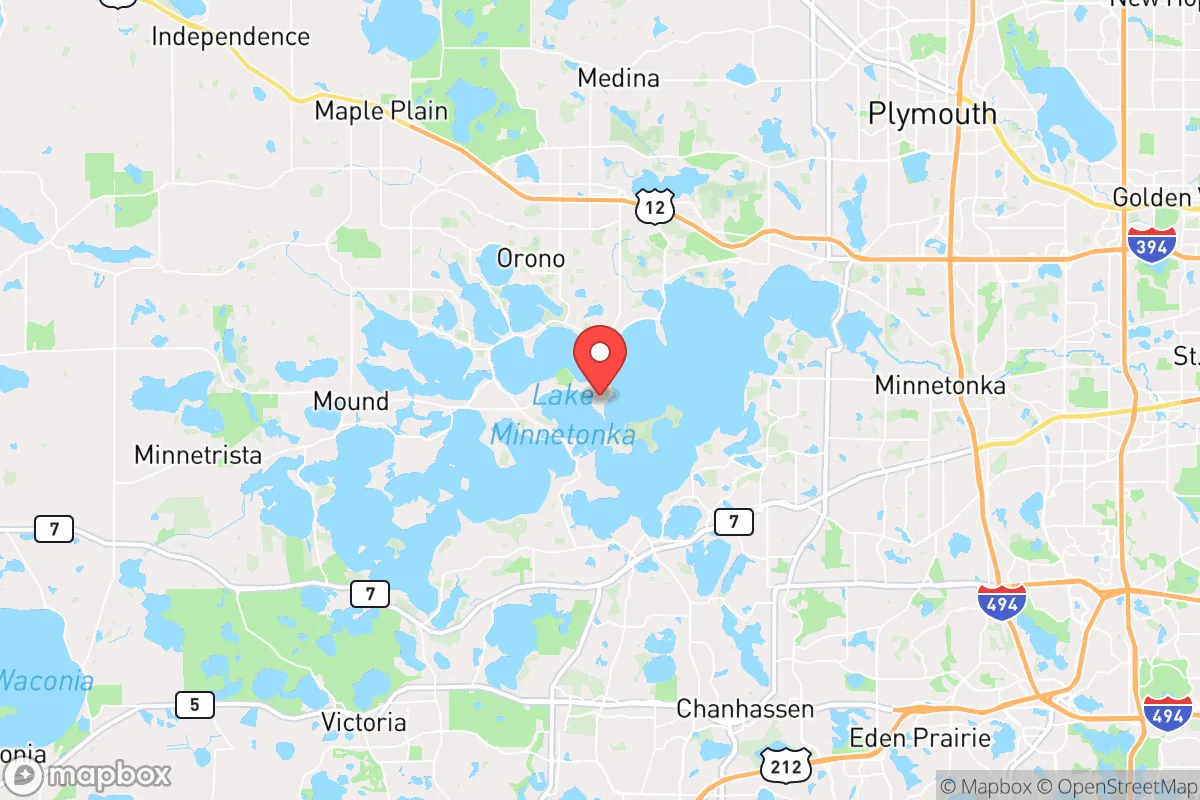
Quality of Life in Minnetonka Beach, MN
Above-average quality of iife. The area offers a reasonable cost of living, decent mobility, and a mix of neighborhood amenities.
What does Quality of Life tell us?
Quality of Life blends cost of living, nearby amenities, socioeconomic signals, and neighborhood character. City-level scores represent the whole municipality; individual neighborhoods can differ.
What does this tell us?
Quality of Life blends cost of living, nearby amenities, socioeconomic signals, and neighborhood character. City-level scores represent the whole municipality; individual neighborhoods can differ.
Cost of Living
609% above national average
The Real Cost of Living in Minnetonka Beach, MN for 2026
| Tier | Individual | Family (4) |
|---|---|---|
| Survival | $45k | $85k |
| Comfortable | $389k | $571k |
| Luxury | $452k+ | $700k+ |
| Elite (Top 5%) | $686k+ | $1.1M+ |
44%
The Area Signal
A metric tracking the socioeconomic signals of the area.
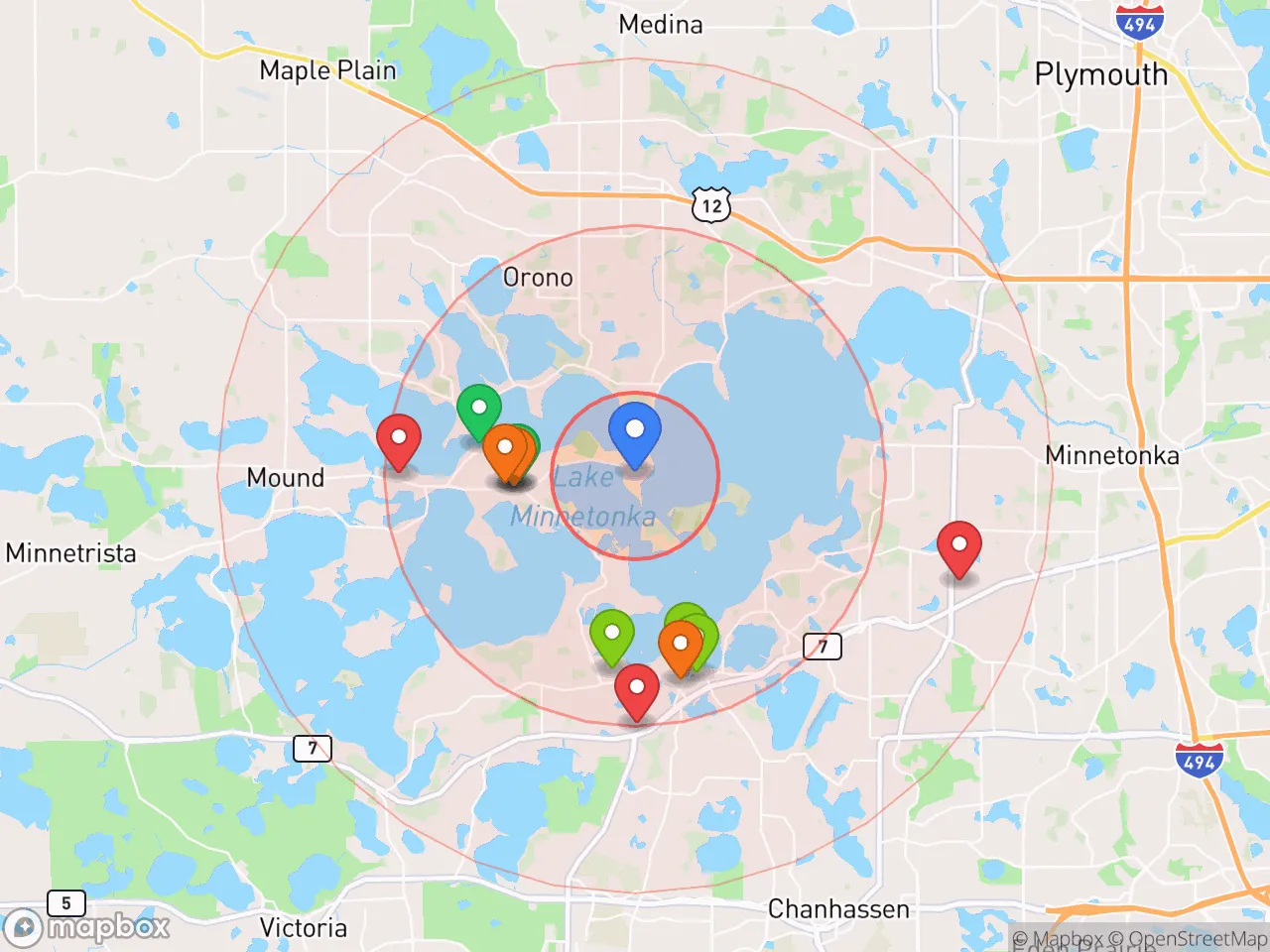
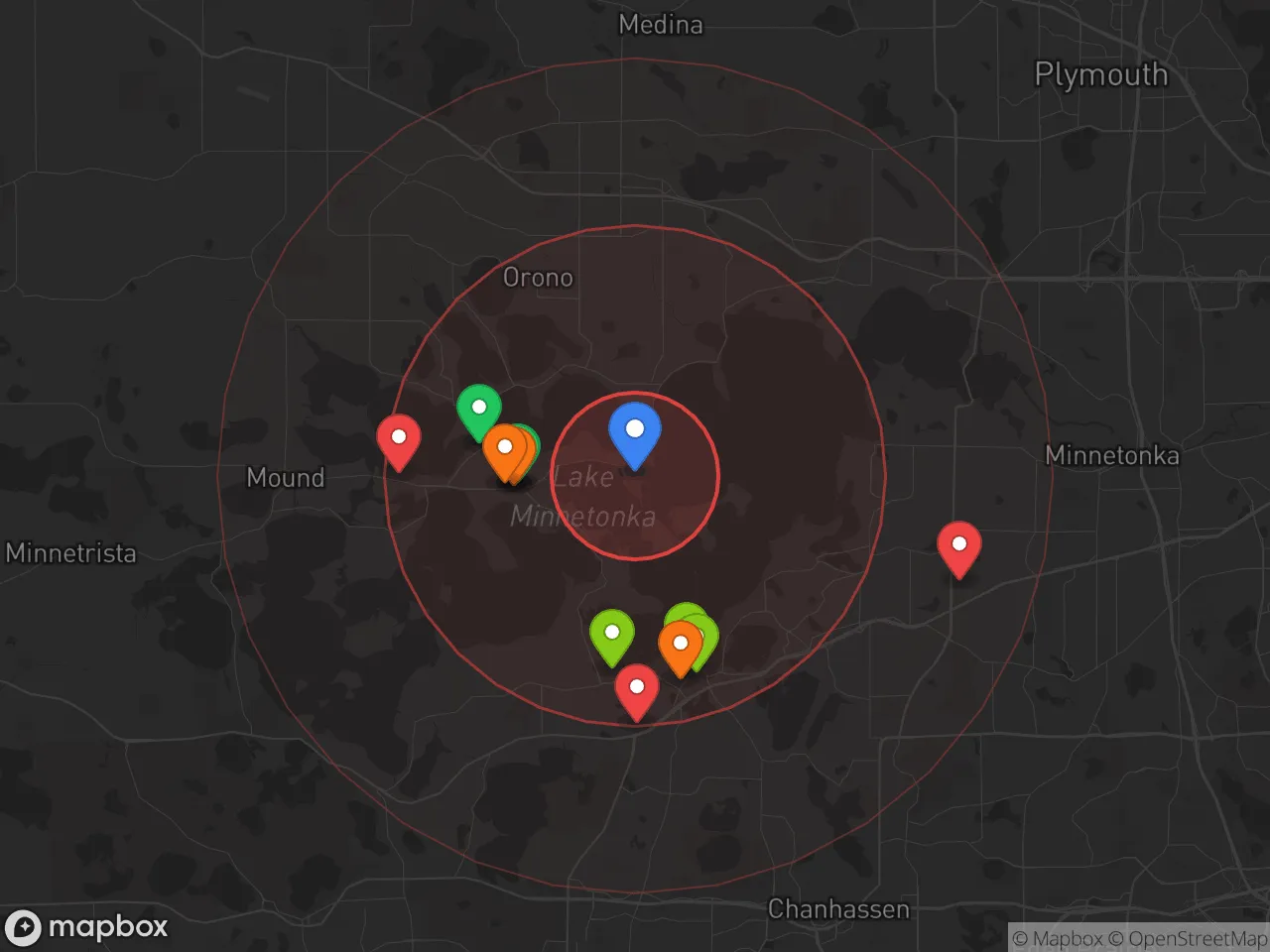
Hobbies
Explore the areaGroceries
5 within 10 miles
Gas
20 within 10 miles
Hospital
20 within 20 miles
Airport
JFK — John F. Kennedy Memorial
Post Office
USPS — Orono, MN
Critical Amenities
Quality-of-Life Analysis
Minnetonka Beach, Minnesota, is one of the most affluent communities in the Twin Cities metro area, with a cost of living index of 709—more than seven times the U.S. average of 100—and a median home value of $2,000,001. This small, lakefront enclave on Lake Minnetonka attracts high-net-worth individuals, executives, and families seeking privacy, water access, and proximity to Minneapolis. The population hovers around 500 residents, creating a tight-knit, low-density atmosphere where large estates and private docks define the landscape.
Cost of living, housing costs, and how affordability compares to nearby suburbs
The cost of living in Minnetonka Beach is driven almost entirely by housing. With a median home value of $2,000,001, the market sits far above neighboring communities like Wayzata (median ~$1.2 million) and Excelsior (~$900,000). Rentals are virtually nonexistent; the few available properties often exceed $5,000 per month. Property taxes are correspondingly high, typically ranging from $15,000 to $30,000 annually depending on lot size and lake frontage. For context, a household earning $300,000 per year would still face a housing cost burden here, as mortgage payments on a $2 million home at 2026 interest rates can exceed $12,000 monthly. Groceries and utilities are roughly 15–20% above national averages, reflecting the upscale local retail options and seasonal energy demands for lakefront heating and cooling. No other suburb in Hennepin County has a higher median home value, making Minnetonka Beach the most expensive residential market in the western metro.
Local amenities, schools, and what daily life is like for residents
Daily life in Minnetonka Beach revolves around Lake Minnetonka itself. Residents have private or association-owned docks, boat slips, and beach access; public water access is available at nearby Big Island Park and the Lake Minnetonka Regional Trail. The city has no commercial district—no grocery stores, gas stations, or restaurants within its borders—so errands require a short drive to Wayzata (5 minutes) or Excelsior (8 minutes). The Minnetonka School District, consistently ranked among Minnesota’s top five, serves the area; elementary students attend Minnetonka Beach Elementary (part of the district’s Spanish immersion program), while middle and high school students go to Minnetonka Middle School West and Minnetonka High School. Private schools such as The Blake School and Breck School are within a 15-minute drive, and many families opt for those. Recreation includes the Minnetonka Beach Club (a private swim and tennis club), the Lafayette Club (a historic private golf and social club), and the adjacent Gray’s Bay Dam, a popular fishing and boating spot. The rhythm is seasonal: summer brings heavy boating traffic, social gatherings, and lake events; winter is quiet, with ice fishing and cross-country skiing on the frozen lake.
This community is best suited for buyers who prioritize water access, privacy, and top-tier schools over walkability or urban convenience. Families with school-age children who can afford the housing premium will find a safe, low-crime environment with strong property appreciation—home values in Minnetonka Beach have risen an average of 8% annually since 2020. Retirees downsizing from larger estates may also fit, though the lack of condos or townhomes limits options. Professionals who work in downtown Minneapolis (a 25-minute commute via Highway 12) or in the western suburbs’ corporate hubs (UnitedHealth Group, Cargill, Medtronic) will appreciate the short drive. However, anyone seeking a vibrant downtown, rental availability, or a more moderate cost of living should look to Wayzata or Excelsior instead.

Crime in Minnetonka Beach, MN
Generally safer than 62% of comparable U.S. locations.
Violent CrimeViolent Crime Analysis
Property CrimeProperty Crime Analysis
Crime Analysis
Minnetonka Beach, a small lakeside city in Hennepin County, reports a violent crime rate of 222.8 incidents per 100,000 residents and a property crime rate of 1,417.9 per 100,000. While these figures are lower than the national average for violent crime, the city's location within the broader Minneapolis–Saint Paul metropolitan area introduces significant public safety concerns tied to the region's progressive criminal justice policies. Residents should weigh these localized statistics against the systemic challenges posed by a justice system that often prioritizes offender rehabilitation over public protection.
Crime in context
Minnetonka Beach's violent crime rate is roughly 39% below the national average of about 366 per 100,000, but its property crime rate sits approximately 10% above the national average of roughly 1,286 per 100,000. However, these numbers must be viewed within the framework of Hennepin County, where progressive district attorneys and judges have implemented policies such as cash bail reform, reduced charging for low-level offenses, and diversion programs that keep repeat offenders on the street. This ideological approach, while sympathetic to offenders, directly contributes to higher recidivism and emboldens criminal activity across the metro area, including in affluent enclaves like Minnetonka Beach. The property crime rate, in particular, reflects the broader regional trend of thefts, burglaries, and vehicle break-ins driven by a revolving-door justice system.
What residents experience
Daily life in Minnetonka Beach is shaped by a paradox: the city itself feels safe due to low population density and strong neighborhood watch efforts, but residents are acutely aware that offenders from nearby urban centers—often released without meaningful consequences—target the area. Property crimes, especially package thefts, garage break-ins, and car prowls, are the most common incidents. Violent crime is rare but not unheard of, with occasional assaults or domestic disturbances reported. The progressive policies of Hennepin County mean that even when suspects are arrested, they frequently face minimal jail time or are released on their own recognizance, undermining deterrence and victim confidence in the justice system.
Neighborhood-level variation is limited given Minnetonka Beach's small size and homogeneous housing stock, but properties closer to Lake Minnetonka's public access points and those near the border with more densely populated areas like Wayzata see slightly higher rates of opportunistic crime. Gated communities and homes with private security systems report fewer incidents, while streets with less foot traffic or visibility are more vulnerable. Overall, the city's safety is best understood as a fragile equilibrium—dependent on resident vigilance and private security measures rather than on a justice system that reliably holds offenders accountable.
* Values derived from national, state, county, city and local statistics and may differ in a specific area. Last updated: 2026-04-27T14:36:44.000Z
Narrative content on this page is AI-generated and may contain mistakes. Verify any details that matter before acting on them.
ReloMaps may earn a commission from affiliate links at no extra cost to you.

