Photo: Wikipedia
Political ClimatePolitical Climate in Mission, KS
District shown is the primary district for this city’s centroid. Cities may span multiple districts.
Local Political AnalysisPolitical Analysis of Mission, KS
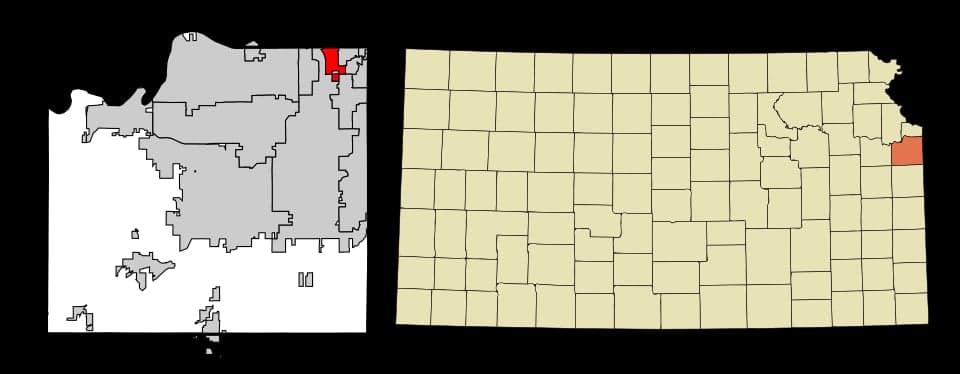
Mission, Kansas, sits in a political climate that has shifted noticeably leftward in recent years, and if you've lived here as long as I have, you've felt the change. The Cook PVI rating of D+2 tells the story: this area now leans Democratic by a slim margin, a far cry from the reliably conservative community it was a couple of decades ago. The trend is driven by an influx of younger professionals and families from across the state line in Kansas City, Missouri, who bring more progressive voting habits with them. While Mission itself isn't a hotbed of radical activism, the steady drift toward blue politics is something long-time residents watch with a wary eye, especially when it comes to local governance and the creeping expansion of government into everyday life.
How it compares
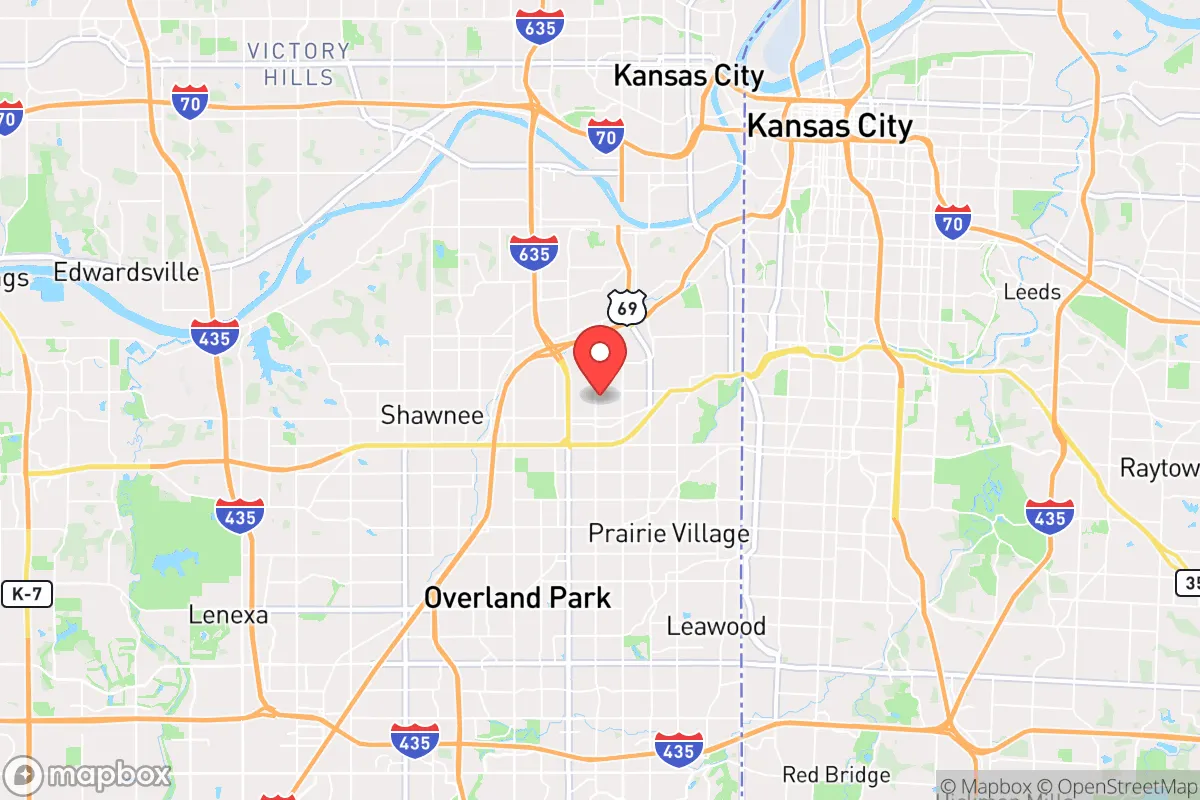
To understand Mission's political flavor, you have to look at the neighborhoods around it. Head just a few miles west to Lenexa or Olathe, and you'll find communities that still lean reliably red, with conservative majorities on city councils and school boards that prioritize fiscal restraint and individual liberty. Drive east into Roeland Park or Westwood, and the political temperature rises noticeably—those areas have embraced progressive policies on housing, zoning, and public spending with far less resistance. Mission sits right in the middle, a kind of political buffer zone. But the worry is that as more development and density projects get pushed through, the city will follow its eastern neighbors down a path of higher taxes, more regulations on property owners, and a general attitude that government knows best. The contrast with nearby conservative strongholds like Spring Hill or Gardner is stark, and it's a reminder of what Mission could lose if it keeps drifting.
What this means for residents
For those of us who value personal freedoms and limited government, the D+2 lean translates into real-world concerns. Local elections here are increasingly decided by single-issue voters focused on transit-oriented development, affordable housing mandates, and environmental ordinances that sound good on paper but often mean more red tape for small businesses and homeowners. The school board, too, has seen a push toward curriculum changes and equity initiatives that raise eyebrows among parents who want their kids taught how to think, not what to think. Property taxes in Johnson County are already among the highest in the state, and the progressive tilt in Mission makes it harder to hold the line on spending. If you're a homeowner or a small business owner, you're right to be concerned about where the next round of fees or zoning restrictions will come from. The political climate here isn't hostile yet, but the trajectory is clear, and it's not one that favors individual liberty.
One cultural distinction worth noting: Mission has a strong sense of community identity that sometimes pushes back against the broader county trend. You'll still find plenty of neighbors who remember when the city was more conservative, and they're active in local meetings and elections. The annual Mission Fest and the small-town feel of the downtown area are reminders that not everyone here has bought into the progressive agenda. But the long-term outlook depends on whether enough residents stay engaged and vote in local races—not just presidential ones. If the current trajectory holds, expect more government involvement in housing choices, business operations, and even how you use your own property. For now, Mission is a place worth fighting for, but it's also a place that requires vigilance if you want to keep it from becoming just another bedroom suburb of Kansas City's left-leaning core.

State Political ClimatePolitical Climate in Kansas
State Political AnalysisPolitical Environment in the State
Kansas has been a reliably red state for decades, but don't let that fool you into thinking it's a monolith. The overall partisan lean is solidly Republican, with the state voting +18 points for Trump in 2024, but the last 10-20 years have seen a slow, grinding shift as the suburban ring around Kansas City has drifted left, while the rest of the state has dug in deeper. The dominant coalition is a mix of rural conservatives, small-town libertarians, and a growing number of fiscally conservative transplants from the coasts, but the real action is in the tension between the statehouse's conservative majority and the more moderate, sometimes progressive, influence of Johnson County.
Urban vs. rural divide
The political map of Kansas is a textbook case of the urban-rural split. The eastern third of the state, anchored by Kansas City (Wyandotte County) and Lawrence (Douglas County), is the blue stronghold. Wyandotte County is reliably Democratic by huge margins, driven by a diverse, working-class population and union ties. Lawrence, home to the University of Kansas, is the state's most progressive enclave, with a culture that feels more like a coastal college town than the heartland. The real battleground is Johnson County, the wealthy, sprawling suburb of Kansas City. Once a Republican lock, it has been trending purple for a decade, with areas like Overland Park and Shawnee now electing Democrats to the state legislature and even flipping a congressional seat in 2018. Meanwhile, the rest of the state—the vast, flat expanse west of Topeka—is deeply red. Wichita (Sedgwick County) is a mixed bag: the city itself is a conservative-leaning but not uniformly red metro, while the surrounding suburbs and rural areas are solidly Republican. Garden City and Dodge City in the southwest are interesting—heavily agricultural and meatpacking towns with large Hispanic populations that lean conservative on social issues but are less predictable on economics.
Policy environment
Kansas's policy environment is a mixed bag for a conservative audience. The state has no income tax on Social Security benefits and a flat income tax rate of 5.7% after the 2024 tax cuts, which is a win for fiscal conservatives. Property taxes are a persistent pain point, however, with local levies often rising faster than inflation, and there's no statewide cap. The regulatory posture is generally business-friendly, with a right-to-work law and a relatively low minimum wage (tied to the federal $7.25). On education, the state has a robust school choice program, including tax-credit scholarships for private school tuition, but the public school system in Johnson County is among the best in the nation, which creates a tension for parents who want both freedom and quality. Healthcare policy is a mixed bag: Kansas expanded Medicaid under the Affordable Care Act in 2023 after years of resistance, which was a pragmatic move but one that many conservatives saw as a step toward government overreach. Election laws are solidly conservative: voter ID is required, and the state has a strict proof-of-citizenship requirement for voter registration, which has been a flashpoint but is popular with the base.
Trajectory & freedom
On the freedom front, Kansas has been a net positive over the last decade, but there are warning signs. The biggest win for personal liberty was the 2021 passage of the Second Amendment Preservation Act, which prohibits state and local law enforcement from enforcing federal gun laws that violate the Second Amendment. This was a direct challenge to federal overreach and remains a point of pride for gun owners. On parental rights, the state passed a Parents' Bill of Rights in 2023, requiring schools to notify parents about curriculum changes and medical services, which was a major victory for families. However, the state's medical freedom took a hit during the pandemic, with Governor Laura Kelly's emergency orders—including mask mandates and business closures—that many conservatives saw as excessive. The state has since passed a law limiting the governor's emergency powers, but the memory of that overreach lingers. On taxation, the 2024 flat tax cut was a step in the right direction, but the state still has a high sales tax on groceries (6.5%) and no movement on eliminating the state income tax entirely, which is a goal for many liberty-minded residents.
Civil unrest & political movements
Kansas has not seen the kind of violent civil unrest seen in larger states, but there have been flashpoints. The most visible was the 2022 protests in Lawrence over a police-involved shooting, which were largely peaceful but highlighted the cultural divide between the university town and the rest of the state. On the right, the Kansas Republican Assembly and local Tea Party groups remain active, pushing for school board candidates and opposing any hint of progressive curriculum. Immigration politics are a live wire in the southwest, where Garden City and Dodge City have large immigrant populations working in meatpacking. The state passed a law in 2023 requiring local law enforcement to cooperate with federal immigration authorities, which was a win for rule-of-law conservatives but has created tension in those communities. Election integrity remains a hot topic: the 2020 and 2022 cycles saw no major scandals, but the proof-of-citizenship law has been challenged in court, and the issue is far from settled. A new resident would notice that political conversations are generally civil in public, but the online and private discourse can be sharp, especially around school board meetings and county commission hearings.
Projection
Over the next 5-10 years, Kansas is likely to remain a red state, but the margins will continue to shrink in the eastern suburbs. The demographic shift is real: Johnson County is growing faster than the rest of the state, and its voters are becoming more moderate and sometimes liberal on social issues. This will put pressure on the statehouse to moderate on things like abortion and LGBTQ rights, which is a concern for conservatives. However, the rural and western parts of the state are not shrinking as fast as some other plains states, thanks to the meatpacking and agriculture industries, and they will continue to anchor the conservative majority. The biggest wildcard is the influx of remote workers and retirees from California and Colorado, who are drawn by low housing costs and no income tax on Social Security. These newcomers tend to be fiscally conservative but socially moderate, which could shift the balance in places like Manhattan (home to Kansas State University) and the Flint Hills region. If the state can hold the line on taxes and gun rights while keeping school choice strong, it will remain a top destination for freedom-minded families. If it starts to drift on those core issues, the exodus to Texas or Missouri will accelerate.
For a new resident, the bottom line is this: Kansas is a good bet if you want a low-tax, gun-friendly, family-focused state with a strong agricultural and small-town culture. The trade-off is that you'll have to keep an eye on the Johnson County suburbs, which are the engine of political change, and you'll need to be engaged at the local level—school boards, county commissions, and the statehouse—to keep the trajectory pointing in the right direction. The state is not perfect, but it's still one of the better options in the Midwest for someone who values personal liberty and wants to raise a family without constant government interference.
* Values derived from national, state, county, city and local statistics and may differ in a specific area. Last updated: 2026-04-30T04:33:17.000Z
Narrative content on this page is AI-generated and may contain mistakes. Verify any details that matter before acting on them.
ReloMaps may earn a commission from affiliate links at no extra cost to you.

