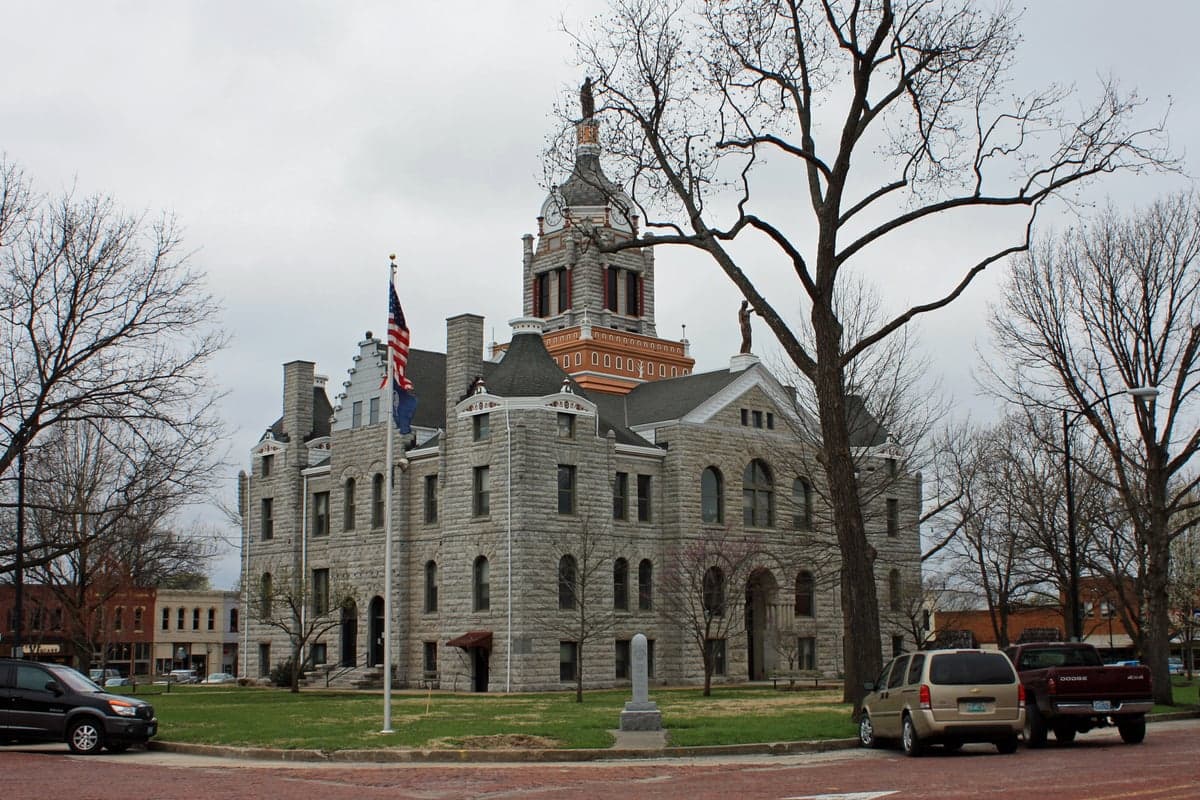
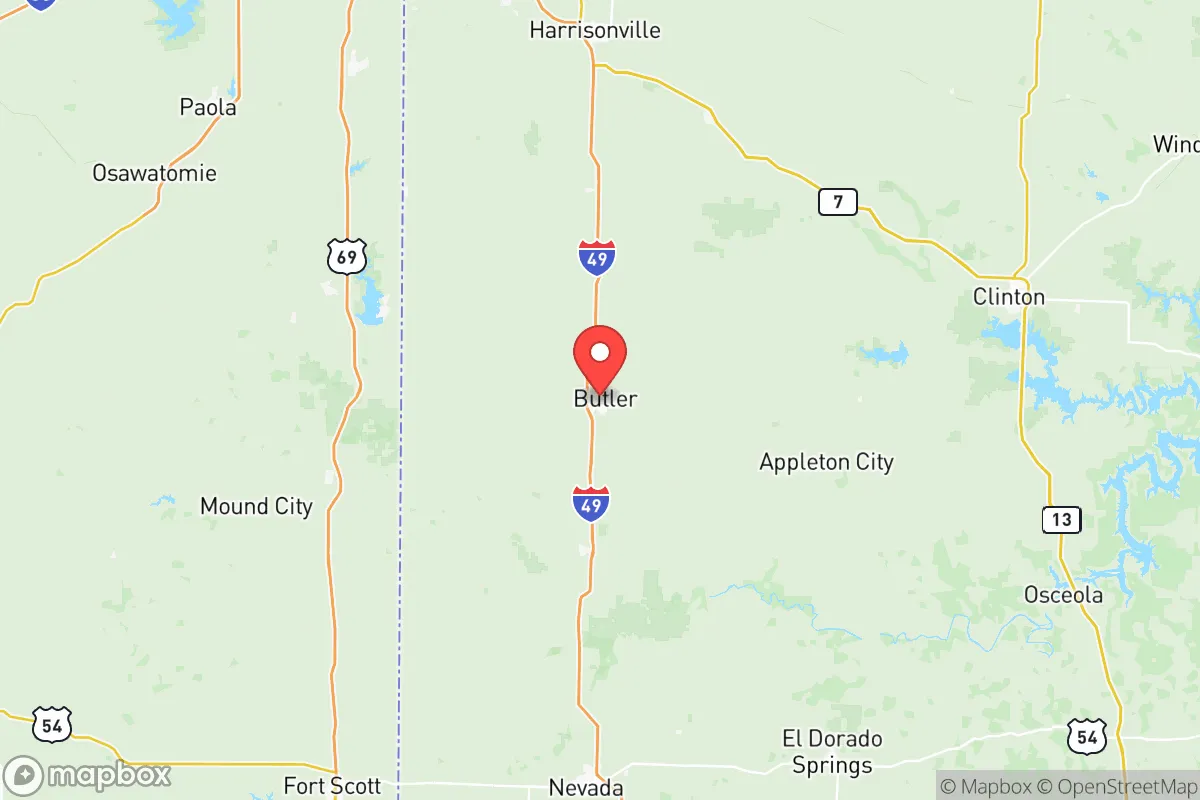
Photo: Wikipedia
Find The Best Places To Live in Bates County
PRO TIP! You can paste a Zillow or Redfin link to get info on that property.
Best Places to Live in Bates County
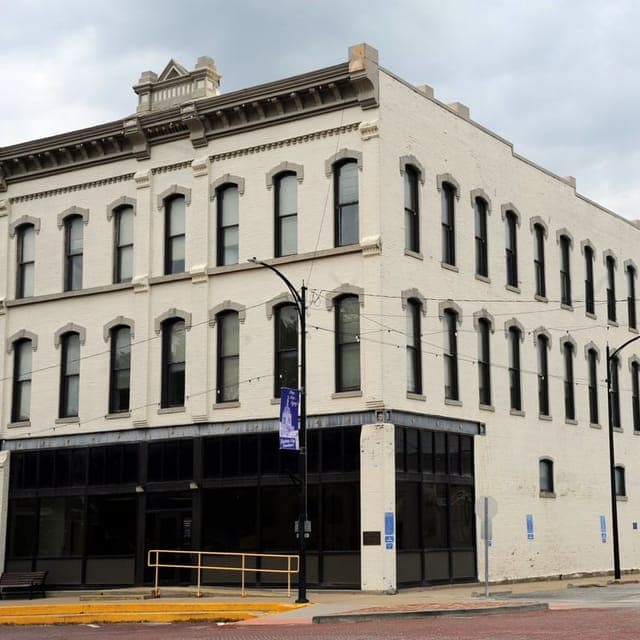
Cities & Towns in Bates County
Cities in Bates County
What It's Like Living in Bates County, MO
Bates County, Missouri, is the kind of place where you still get a wave from passing trucks on Highway 71, and the biggest decision on a Friday night is whether to catch the Butler Bears football game or grab a catfish dinner in Rich Hill. With a population just over 16,000 spread across towns like Butler, Adrian, and Drexel, this is a corner of the state where life moves at a deliberate, neighborly pace. It’s not for everyone—but for those who value space, affordability, and a strong sense of community, it fits like a well-worn work glove.
The Daily Rhythm: Work, Commute, and Small-Town Pace
Most mornings in Bates County start early. The median income here sits at $57,914, and the economy leans heavily on agriculture, manufacturing, and healthcare—places like the Bates County Memorial Hospital in Butler and the school districts are among the largest employers. What surprises newcomers is the commute: the average drive to work is nearly 34 minutes, a number that reflects how many residents head north to Kansas City or east to Harrisonville for jobs. That’s a trade-off locals accept willingly, because the cost of living index here is just 61—nearly 40% below the national average. A median home value of $154,800 means a family can buy a three-bedroom house on a quiet street in Adrian or a small farm near Rich Hill without stretching the budget. After work, evenings are often spent on front porches, at youth sports practices, or over a plate of fried chicken at the Butler Café. The pace is slow, and the biggest traffic jam you’ll face is a tractor on the highway during harvest season.
Sports, Community, and Where People Gather
High school sports are the heartbeat of Bates County. On fall Fridays, the entire town of Butler turns out for the Bears, and the same energy fills gyms in Adrian and Drexel during basketball season. There’s no pro team within an hour, so local rivalries—especially Butler vs. Adrian—carry real weight. Beyond the bleachers, community life revolves around a handful of anchor spots. The Bates County Fair in Butler is the big annual event, drawing families for carnival rides, 4-H livestock shows, and the demolition derby that’s been a tradition for decades. For a night out, locals head to Buster’s Bar & Grill in Butler for burgers and live music, or to the Rich Hill VFW for karaoke and cold beer. Outdoor types spend weekends at Bates County Lake, a 110-acre spot just south of Butler with decent fishing for crappie and bass, or at the Miami Creek Conservation Area near Drexel for hiking and deer hunting. The lack of a movie theater or mall means entertainment is DIY—people host bonfires, ride ATVs on family land, or drive to Belton for a multiplex.
Who Fits In—and Who Might Struggle
This is a place for people who don’t mind knowing their neighbors’ business, because everyone will know yours. The median age is 40.8, and the population skews toward families and retirees rather than young singles. Only 15.3% of adults hold a college degree, so the professional class is thin—most people work with their hands, run small businesses, or commute to white-collar jobs elsewhere. Politically, Bates County leans heavily conservative, and you’ll see Trump signs and “Farm Bureau” bumper stickers in equal measure. The kind of person who thrives here values self-reliance, isn’t bothered by a 30-minute drive to the nearest Walmart (in Butler), and prefers a quiet Saturday to a packed nightlife. The honest downside is the violent crime rate of 420.1 per 100,000, which is notably higher than the national average—most incidents are concentrated in specific areas of Butler, but it’s a stat that gives some families pause. Property crime, especially theft from outbuildings and vehicles, is a recurring frustration in rural parts of the county. Locals will tell you to lock your truck and keep an eye on your tools, but they’ll also say they’ve never felt unsafe walking their dog at dusk.
Pros and Cons of Living in Bates County
- Pro: Unbeatable affordability. A $150,000 home here would cost $400,000 in Johnson County, Kansas. Your dollar stretches further on everything from groceries to gas.
- Con: Limited job opportunities. If you don’t work in ag, healthcare, or a trade, you’re likely commuting to Kansas City or Warrensburg—and that 34-minute average commute adds up in gas and time.
- Pro: Genuine community. When a family loses their home to a fire or a kid needs medical bills paid, the county rallies with fundraisers and casseroles. You’re not anonymous here.
- Con: Few amenities. No major shopping, no sit-down chain restaurants, no entertainment district. For a date night or a new outfit, you’re driving 30-45 minutes to Belton or Harrisonville.
- Pro: Outdoor access. Hunting, fishing, and riding are woven into daily life. If you own land, you can shoot targets in your backyard—something unheard of in the suburbs.
- Con: Weather extremes. Summers are humid and hot (90°F+ for weeks), winters bring ice storms that knock out power, and tornado warnings are a spring ritual. Basements aren’t optional; they’re a necessity.
Living in Bates County means accepting trade-offs. You trade the convenience of city life for space, quiet, and a cost of living that lets a single-income family own a home. You trade career variety for a community where the high school football coach also teaches history and your mail carrier knows your dog’s name. For the right person—someone who values roots over restaurants, and a handshake over a hashtag—it’s a good life. For others, the isolation and limited options will chafe. The best way to know is to spend a weekend here: grab breakfast at the Butler Diner, walk the square in Adrian, and drive the back roads between Drexel and Rich Hill. If the quiet feels peaceful instead of lonely, you’ve found your place.

* Values derived from national, state, county, city and local statistics and may differ in a specific area. Last updated: 2026-10-18T11:28:49.000Z
Narrative content on this page is AI-generated and may contain mistakes. Verify any details that matter before acting on them.
ReloMaps may earn a commission from affiliate links at no extra cost to you.

