
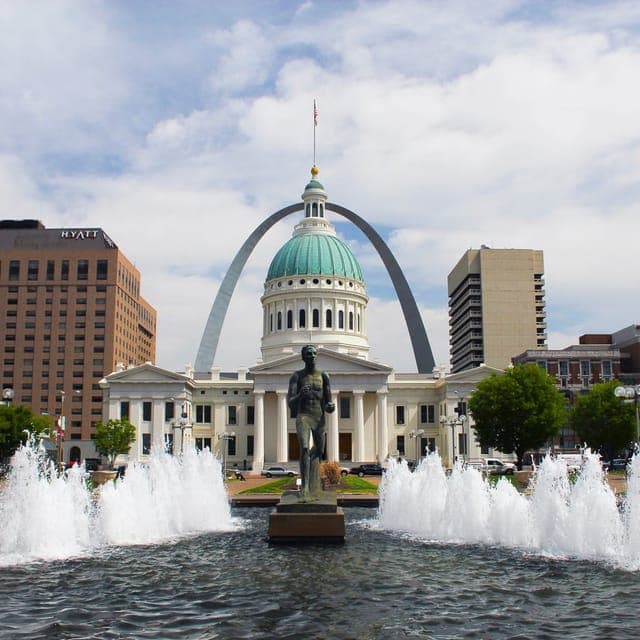
Photo by Mike Gattorna on Unsplash
Find The Best Places To Live in St Louis City County
PRO TIP! You can paste a Zillow or Redfin link to get info on that property.
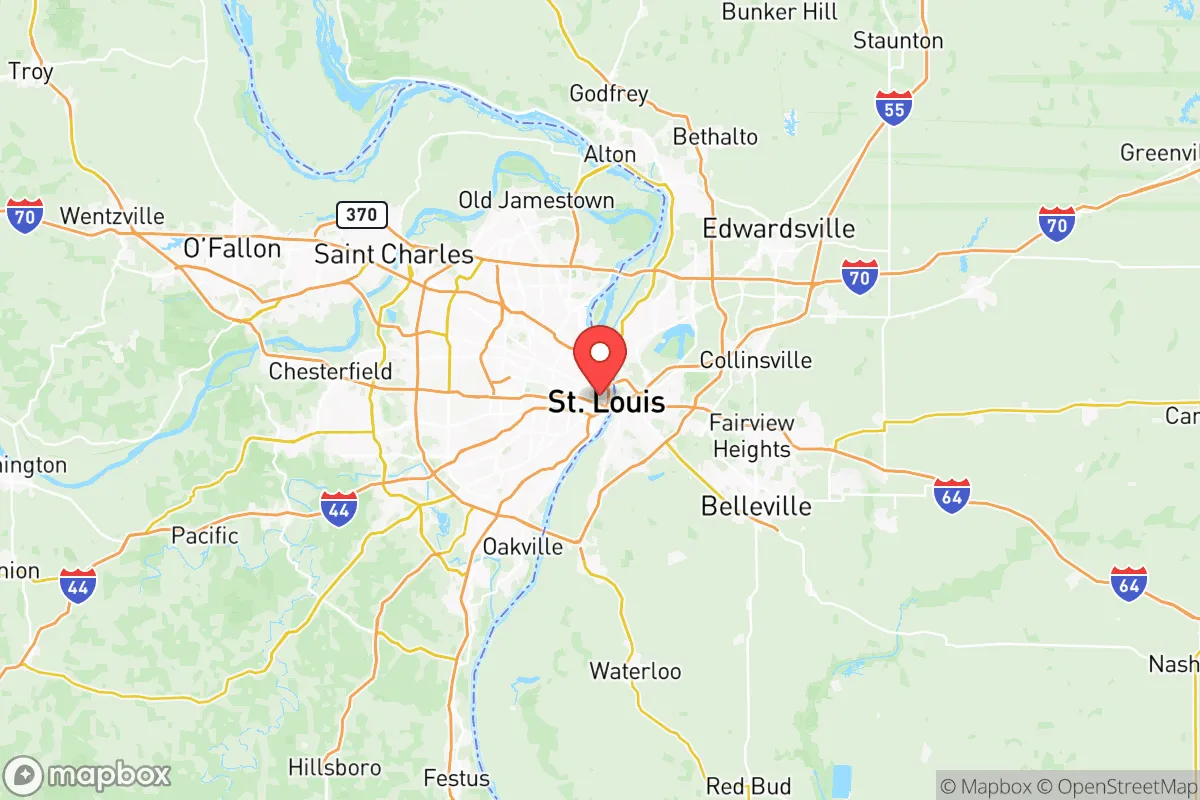
Best Places to Live in St Louis City County
Cities & Towns in St Louis City County
Cities in St Louis City County
What It's Like Living in St Louis City County, MO
Living in St. Louis City County is a place that defies easy labels. It’s a dense, historic urban core that feels more like a collection of tight-knit neighborhoods than a sprawling metropolis, where a century-old brick house might sit next to a brand-new to a brand-new to a modern apartment building. Living here means embracing a slower, more affordable pace of life than the coasts offer, but also wrestling with the very real challenges of crime and a shrinking population that shape daily conversations.
Daily Rhythm: A City of Neighborhoods and a Slower Pace
Life in St. Louis City County revolves around its distinct neighborhoods. You might live in the historic brick streets of Lafayette Square, grabbing coffee at a local roastery before walking your dog in the park, or in the bustling, family-filled Tower Grove South, where weekend mornings mean a trip to the Tower Grove Farmers Market. The city’s median age of 36.6 and a median income of $55,279 reflect a mix of young professionals, long-time families, and empty-nesters. The cost of living index sits at 77, well below the national average, which means a median home value of $185,100 can get you a solid three-bedroom row house or a fixer-upper in a historic district—something that feels increasingly impossible in other major cities.
The average commute is just over 22 minutes, a genuine perk. Most people drive, but the MetroLink light rail is a reliable option for getting to the airport or across the river to Illinois. Traffic is rarely a headache, except around the I-64/40 and I-70 interchange during rush hour. The real rhythm is seasonal: brutal, humid summers give way to crisp, beautiful autumns, and winters are cold but rarely paralyzing. Schools are a major factor for families, with districts like the Clayton and Ladue school systems drawing parents who prioritize education, while the city’s own public schools remain a point of contention and a driver of private and charter school enrollment.
Sports & Community: The Cardinals, the Blues, and a Deep Civic Pride
Sports are the city’s secular religion. The St. Louis Cardinals are an absolute institution—you’ll hear the crack of the bat from Busch Stadium downtown on summer evenings, and the team’s deep history is a constant source of pride. The St. Louis Blues (NHL) have a devoted following, especially after their 2019 Stanley Cup win, and the atmosphere at Enterprise Center is electric. High school football is a big deal in the suburbs, with programs like Christian Brothers College (CBC) and Ladue Horton Watkins drawing large followings. College sports are less dominant than in some other regions, but the Saint Louis University Billikens and University of Missouri–St. Louis draw local interest.
This civic pride extends beyond the field. The city’s identity is deeply tied to its beer history (Anheuser-Busch), its free tours are a rite of passage), its free attractions (the world-class St. Louis Zoo, the St. Louis Art Museum, and the Missouri Botanical Garden are all free), and its unique local food scene. You can’t live here without forming a strong opinion on the best toasted ravioli, gooey butter cake, or St. Louis-style pizza (thin crust, Provel cheese). The Shaw neighborhood is a hub for young families, while Dogtown is known for its Irish pubs and the annual St. Patrick’s Day Parade.
What’s There to Do: Parks, Festivals, and a Surprisingly Vibrant Arts Scene
Weekends are for exploring. Forest Park, larger than Central Park in New York, is the city’s backyard—you can spend a whole day at the zoo, the art museum, the history museum, or the science center, all within its 1,300 acres. The Delmar Loop Loop in University City is a six-block stretch of independent bookstores, record shops, and eclectic restaurants, perfect for a Saturday afternoon. The City Museum is a one-of-a-kind, surreal playground built from repurposed architectural artifacts—a must-do for kids and adults alike. The Grand Center Arts District is home to the Fox Theatre, the Powell Symphony Hall, and the Contemporary Art Museum.
Festivals are a big deal. The The St. Louis Art Fair in Clayton draws national reputation, while the Festival of Nations in Tower Grove Park celebrates the city’s diversity. The Great Forest Park Balloon Race is a beloved September tradition. For outdoor enthusiasts, the Katy Trail starts just across the Missouri River and offers miles of biking and hiking. The Missouri Botanical Garden is a world-class, 79-acre oasis in the middle of the city.
Pros and Cons of Living Here
What residents love:
- Affordability to own a home with historic character for a fraction of the cost of other major cities.
- li>World-class free attractions (zoo, art museum, science center) that make family outings affordable.
- A genuine sense of community in neighborhoods where people know their neighbors and local businesses thrive.
- An underrated food and arts scene that punches well beyond the national chain restaurants.
What frustrates them:
- Violent crime is a real concern, with a rate of 413.1 per 100,000—well above the national average. This is concentrated in certain areas, but it shapes perceptions and daily decisions for everyone.
- Population decline has left some neighborhoods with vacant lots and a sense of stagnation.
- li>li>Public schools in the city proper are a persistent challenge, leading many families to move to the county or pay for private education.
- Summer humidity can be oppressive, and the city’s aging infrastructure (potholes, lead pipes) is a constant source of frustration.
St. Louis City County is not for everyone. It’s for someone who values authenticity over polish, who wants a strong sense of place without a place with a real past and a complicated present. It’s for the person who can handle the grit alongside the glory, who sees the potential in a beautiful old building in a neighborhood that’s still figuring itself out. It’s a place where you can still buy a house for under $200,000, watch a Cardinals game for $20, and feel like you’re part of something real.

* Values derived from national, state, county, city and local statistics and may differ in a specific area. Last updated: 2026-05-14T19:49:17.000Z
Narrative content on this page is AI-generated and may contain mistakes. Verify any details that matter before acting on them.
ReloMaps may earn a commission from affiliate links at no extra cost to you.

