Photo: Wikipedia
Quality of Life in Modesto, CA
A high quality of life with strong walkability, manageable living costs, healthy neighborhood signals, and solid amenity access.
What does Quality of Life tell us?
Quality of Life blends cost of living, nearby amenities, socioeconomic signals, and neighborhood character. City-level scores represent the whole municipality; individual neighborhoods can differ.
What does this tell us?
Quality of Life blends cost of living, nearby amenities, socioeconomic signals, and neighborhood character. City-level scores represent the whole municipality; individual neighborhoods can differ.
Cost of Living
42% above national average
The Real Cost of Living in Modesto, CA for 2026
| Tier | Individual | Family (4) |
|---|---|---|
| Survival | $26k | $48k |
| Comfortable | $81k | $119k |
| Luxury | $133k+ | $206k+ |
| Elite (Top 5%) | $156k+ | $242k+ |
66%
The Area Signal
A metric tracking the socioeconomic signals of the area.
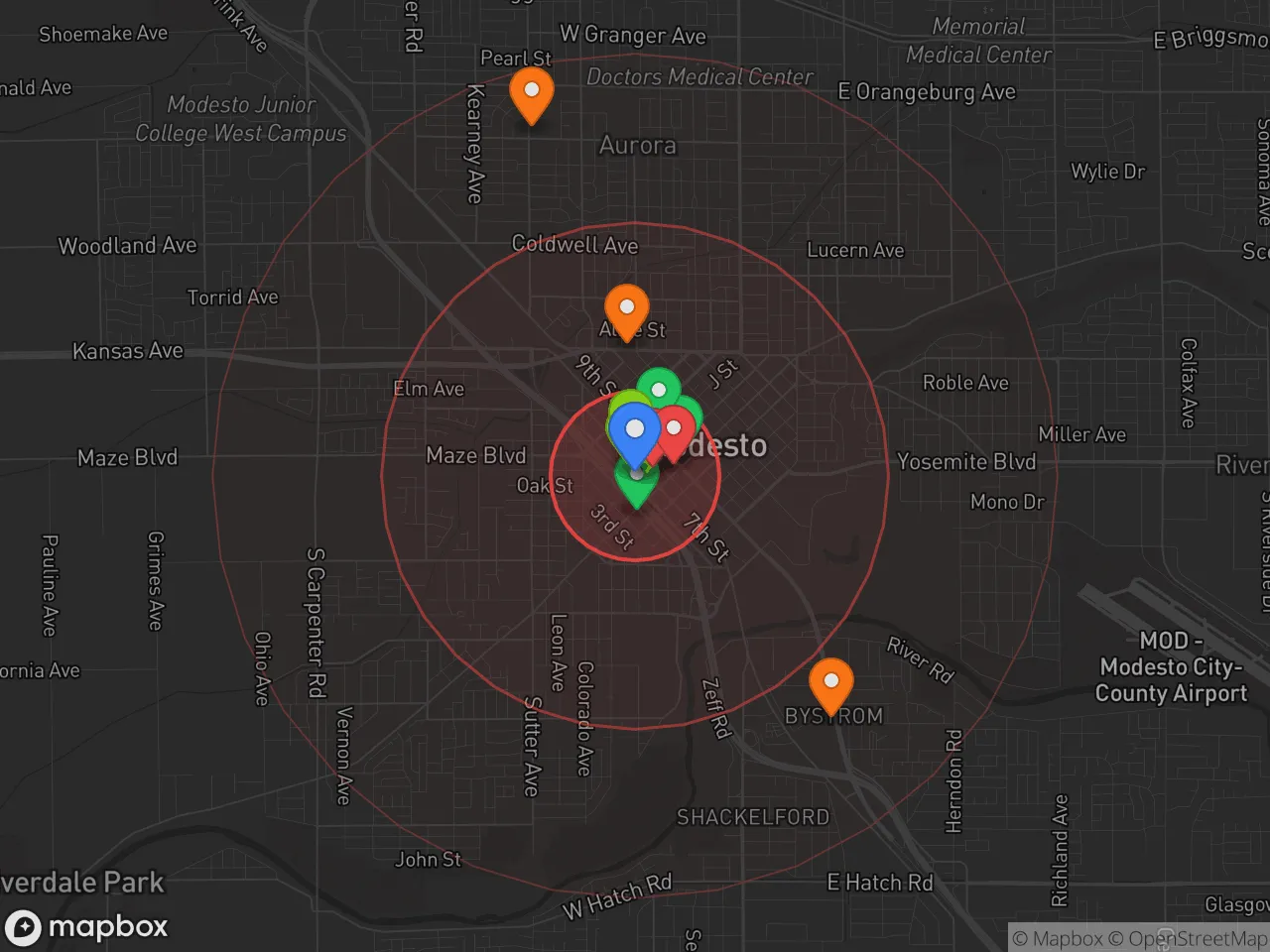
Hobbies
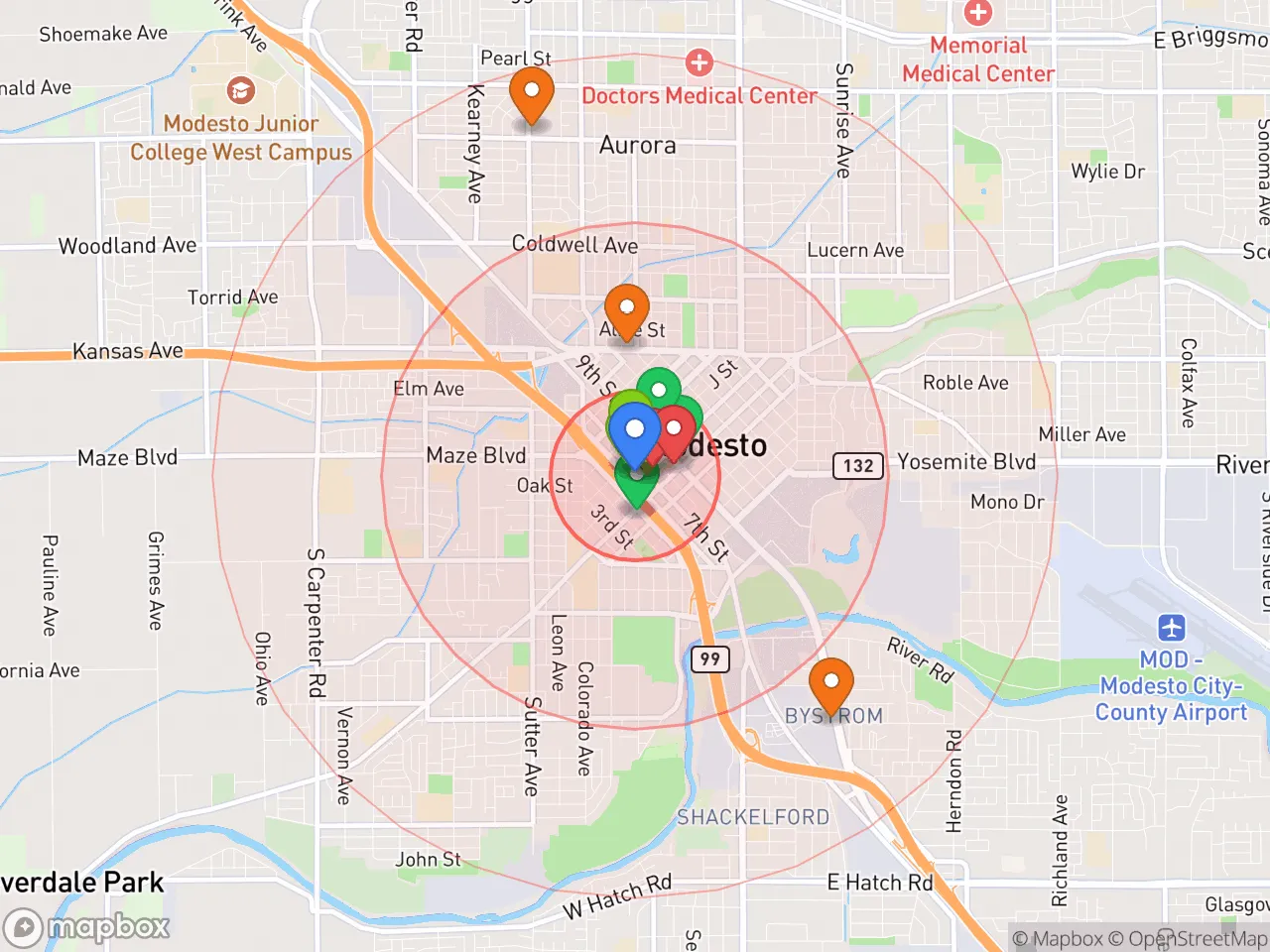
Explore the areaGroceries
9 within 10 miles
Gas
20 within 10 miles
Hospital
12 within 20 miles
Airport
SJC — San Jose International
Post Office
USPS — Modesto, CA
Critical Amenities
Quality-of-Life Analysis
Modesto, California, presents a quality-of-life profile that is both more affordable than much of coastal California and more expensive than the national average, with a cost-of-living index of 142 (where 100 equals the U.S. average). The city is home to a diverse mix of agricultural workers, commuters to the Bay Area, and families seeking a slower pace than the San Francisco metro, though its median household income of roughly $62,000 trails the state median. Modesto’s identity is rooted in its Central Valley location—a hub for almond, dairy, and wine production—but its residents increasingly include professionals priced out of the Bay Area who trade a shorter commute for a lower mortgage.
Cost of living, housing, and affordability compared to nearby cities
Modesto’s cost of living is significantly lower than the Bay Area’s but still 42% above the national average, driven largely by housing. The median home value sits at $415,600, which is roughly half the median in San Jose ($1.3 million) and about 30% less than in Stockton ($590,000). Median rent is $1,609, making it one of the more affordable rental markets in the Northern San Joaquin Valley, though still 20% above the national median. For context, a comparable apartment in San Francisco would cost over $3,000, while in nearby Turlock rents average $1,450. The average commute time is 29.7 minutes, slightly above the national average of 26 minutes, reflecting the many residents who drive to jobs in Tracy, Stockton, or even the East Bay. Property taxes in Stanislaus County average about 0.77% of assessed value, lower than the 1.1% typical in many California counties, which helps offset the higher home prices for buyers.
What daily life is like for families: amenities, schools, and recreation
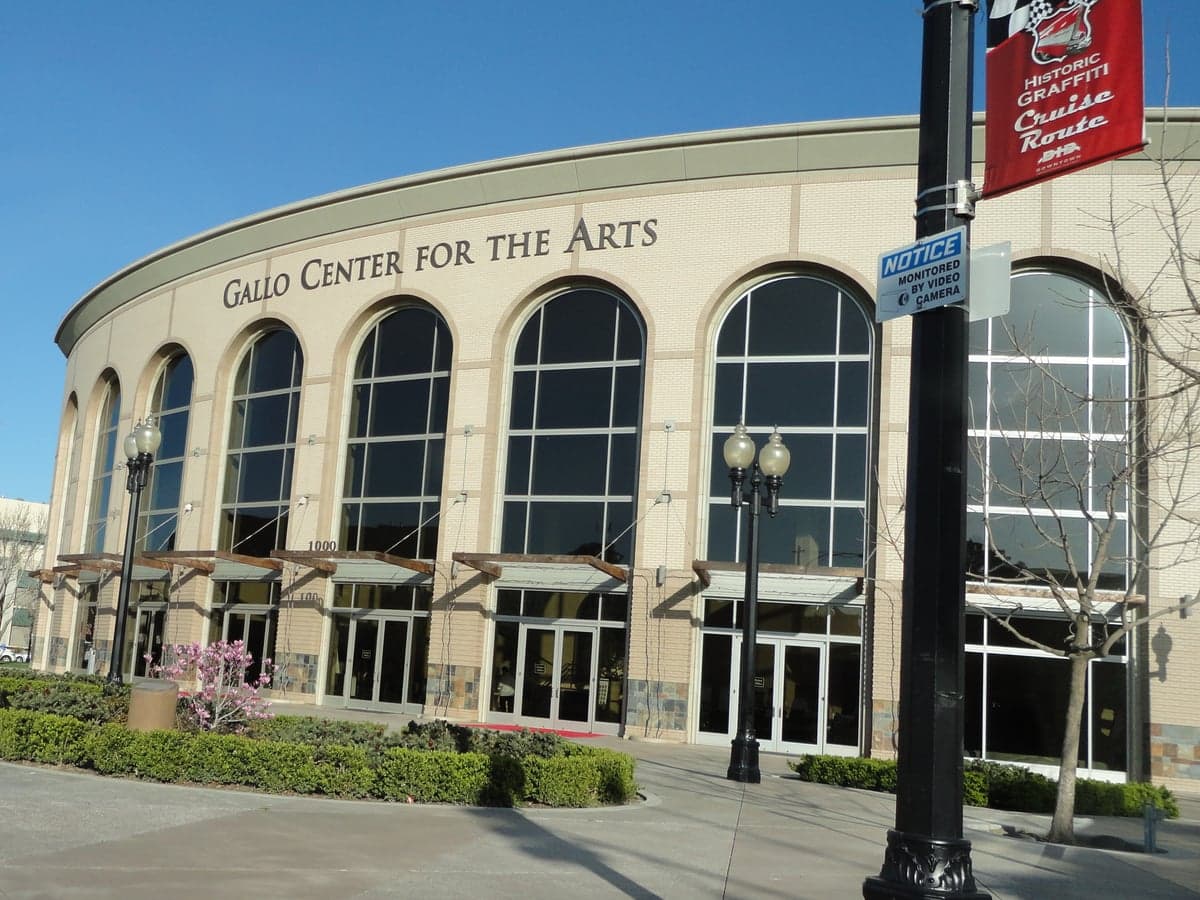
Daily life in Modesto centers on a mix of suburban convenience and agricultural rhythms. The city’s public schools, part of the Modesto City Schools district, have an average GreatSchools rating of 5/10, with standout options like Enochs High School (rated 7/10) and Bret Harte Elementary (8/10). Private and charter alternatives, such as Modesto Christian School, are available for families seeking higher academic outcomes. For recreation, the city offers the Modesto Reservoir for boating and fishing, the McHenry Mansion historic site, and the Gallo Center for the Arts, which hosts concerts and theater. The downtown area has seen revitalization with new breweries and the Modesto Certified Farmers Market, held year-round on Saturdays. The climate is Mediterranean with hot, dry summers averaging 95°F in July and mild winters around 40°F, which supports year-round outdoor activities but also contributes to air quality issues—Modesto ranks in the bottom 10% of U.S. cities for ozone pollution. The city’s crime rate is higher than the national average, with a violent crime rate of 4.8 per 1,000 residents (vs. 4.0 nationally) and property crime at 28.5 per 1,000 (vs. 19.0), though these figures have declined since 2020.
Modesto is best suited for those who prioritize affordability over coastal proximity and are comfortable with a car-dependent lifestyle. Families on a budget, agricultural workers, and Bay Area commuters willing to drive 30–60 minutes each way will find the most value here. Retirees on fixed incomes may appreciate the lower housing costs compared to the rest of California, though the summer heat and air quality may be drawbacks. Professionals seeking a vibrant nightlife or walkable urban core should look elsewhere, but for those who want a quiet, family-oriented community with access to outdoor recreation and a lower cost burden than the Bay Area, Modesto offers a pragmatic trade-off.

Crime in Modesto, CA
WARNING: The crime statistics are unreliable for this jurisdiction. Local authorities have either not reported or under reported their data to the FBI. This could be due to bad intentions, incompetence or technical issues. Regardless, we suggest skepticism.
Higher crime rates than 64% of comparable U.S. locations.
Violent CrimeViolent Crime Analysis
Property CrimeProperty Crime Analysis
Crime Analysis
Modesto, California, faces a serious public safety challenge, with crime rates significantly exceeding both state and national averages. The city’s violent crime rate stands at 580.4 incidents per 100,000 residents, while property crime occurs at a rate of 1,871.9 per 100,000. These figures place Modesto among the more dangerous communities in the Central Valley, a reality shaped by its location within a large metro area and the broader policy environment of Stanislaus County.
Crime in context
Modesto’s violent crime rate is roughly 50% higher than the California state average and more than double the national median. Property crime, while slightly closer to state norms, still outpaces the national rate by a wide margin. The city’s proximity to the Bay Area and Sacramento, combined with its role as a regional hub, contributes to elevated crime levels. More critically, Stanislaus County operates under a progressive prosecutorial philosophy. District Attorney Jeff Laugero, elected in 2022, has emphasized alternatives to incarceration and reduced sentencing for certain non-violent offenses. While intended to reduce prison overcrowding, this approach has been criticized for releasing repeat offenders back onto the streets without meaningful supervision, directly undermining public safety and victim justice. The result is a revolving-door justice system that prioritizes offender rehabilitation over community protection.
What residents experience
For Modesto residents, the high crime numbers translate into tangible daily risks. Car theft and burglary are pervasive, with many neighborhoods reporting break-ins as a routine occurrence. Violent crime, including aggravated assault and robbery, is concentrated in areas like the Airport District and parts of downtown, but no neighborhood is immune. The Modesto Police Department has struggled with staffing shortages, leading to slower response times and reduced proactive patrols. Residents often report feeling unsafe walking alone at night or leaving vehicles unattended. The progressive justice policies at the county level mean that even when arrests are made, offenders frequently face minimal consequences, eroding trust in the system and leaving victims feeling abandoned.
Neighborhood-level variation does exist, but it is limited. The northwest quadrant near the Tuolumne River and gated communities in the southeast tend to have lower crime rates, though property crime still occurs. Conversely, the central corridor along Highway 99 and the south side near Crows Landing Road experience the highest concentrations of violent incidents. However, the overall environment is one of elevated risk across the city. For anyone considering relocation, Modesto’s crime data and its progressive judicial environment represent a significant negative factor that demands careful consideration of specific neighborhoods and a realistic assessment of personal safety tolerance.
* Values derived from national, state, county, city and local statistics and may differ in a specific area. Last updated: 2026-04-30T00:09:03.000Z
Narrative content on this page is AI-generated and may contain mistakes. Verify any details that matter before acting on them.
ReloMaps may earn a commission from affiliate links at no extra cost to you.

