Photo: Wikipedia
Quality of Life in Montana
A livable area that tracks near national norms for affordability, walkability, and neighborhood health.
What does Quality of Life tell us?
Quality of Life measures an area by evaluating factors like cost of living, nearby amenities, country club access, airport proximity, socioeconomic signals and neighborhood character. For large states, this is a general average — quality of life can vary dramatically between metro areas, suburbs, and rural communities within the same state.
What does this tell us?
Quality of Life measures an area by evaluating factors like cost of living, nearby amenities, country club access, airport proximity, socioeconomic signals and neighborhood character. For large states, this is a general average — quality of life can vary dramatically between metro areas, suburbs, and rural communities within the same state.
Cost of Living
1% above national average
72%
The Real Cost of Living in Montana for 2026
| Tier | Individual | Family (4) |
|---|---|---|
| Survival | $16k | $31k |
| Comfortable | $66k | $97k |
| Luxury | $126k+ | $196k+ |
| Elite (Top 5%) | $153k+ | $237k+ |
Quality-of-Life Analysis
Montana offers a remarkably broad spectrum of quality-of-life options, ranging from isolated mountain homesteads to bustling regional hubs, each attracting a distinct type of resident. The state’s overall cost of living index sits at 101 (just above the national average), with a median home value of $338,100 and median rent of $1,031, but these averages mask a wide gap between high-demand resort towns and affordable agricultural communities. With an average commute of just 19 minutes, the state appeals strongly to those willing to trade urban amenities for space, scenery, and a slower pace.
Major metros
If you’re looking for urban living, Montana has two primary metros: Billings and Missoula. Billings, the largest city with roughly 120,000 residents, functions as the state’s economic and medical hub, anchored by industries like energy, agriculture, and healthcare (Billings Clinic and St. Vincent Healthcare are major employers). Its vibe is practical and family-oriented, with a relatively flat landscape and a more conservative political tilt. Missoula, by contrast, is the state’s cultural and outdoor recreation capital, home to the University of Montana. It offers a denser, walkable downtown, a strong arts and music scene, and immediate access to five wilderness areas. Missoula leans progressive and draws a younger, more transient population of students, writers, and outdoor professionals. Neither metro approaches the density of a major coastal city, but both provide essential services, dining, and entertainment absent from smaller towns.
Mid-size cities & college towns
Montana’s mid-size cities and college towns fill the gap between rural isolation and full urbanity. Bozeman, home to Montana State University, has become the state’s fastest-growing city, driven by tech startups, outdoor recreation, and a booming real estate market. Its median home value now exceeds $600,000, far above the state average, attracting affluent remote workers and retirees. Helena, the state capital, offers a quieter, more affordable alternative with a population of about 33,000, a compact historic downtown, and government-sector stability. Butte, once a copper-mining powerhouse, has reinvented itself as a low-cost, culturally rich community with a distinctive Irish heritage and a growing arts scene. Kalispell, the gateway to Glacier National Park, serves as a commercial center for the Flathead Valley, balancing tourism with a working-class agricultural base. Each of these cities offers a unique blend of amenities and cost, with Bozeman at the high end and Butte at the low end.
Small towns & rural areas
For those seeking true solitude, Montana’s small towns and rural areas provide the quietest, most affordable living. In the eastern plains, towns like Miles City, Glasgow, and Wolf Point offer a stark, open landscape dominated by ranching and farming, with populations under 10,000 and median home values often below $200,000. These communities are tight-knit, conservative, and far from major airports or hospitals. In the western mountains, towns like Whitefish, Bigfork, and Red Lodge cater to a more recreation-focused crowd, with ski resorts, hiking trails, and tourist economies. Whitefish, in particular, has become a luxury destination, but nearby Columbia Falls and Libby remain more affordable. The rural areas of the Missouri River Breaks and the Hi-Line offer extreme isolation, where residents may drive 60 miles for groceries. This tier suits self-sufficient individuals, ranchers, and those who prioritize privacy over convenience.
Luxury vs. affordable living
The luxury tier in Montana is concentrated in the resort and ranch communities of the western third of the state. Big Sky, a ski and golf destination south of Bozeman, has median home values exceeding $1.5 million and attracts wealthy second-home owners and celebrities. Whitefish, near Glacier, and the Yellowstone Club (a private ski community near Big Sky) represent the pinnacle of upscale living, with multimillion-dollar properties and exclusive amenities. On the affordable end, towns like Havre, Lewistown, and Glendive offer median home values around $150,000 to $200,000, with rents well below the state average. Butte remains one of the most affordable cities in the state, with a median home value near $180,000 and a cost of living index around 90. The spread is dramatic: a home in Big Sky costs roughly ten times what a comparable home costs in Havre, reflecting the state’s extreme geographic and economic diversity.
The practical reality is that Montana’s quality-of-life options are defined by trade-offs. Remote workers and retirees with flexible incomes gravitate toward Bozeman, Missoula, and Whitefish for their amenities and scenery, accepting high housing costs. Families and professionals seeking stable employment and lower costs find better value in Billings, Helena, or Butte. Those who prize solitude and affordability above all else can thrive in the eastern plains or rural mountain valleys, provided they are comfortable with limited services and long drives. The state’s 19-minute average commute is a genuine benefit across all tiers, but the cost-of-living spread — from roughly 90 in Butte to over 140 in Big Sky — means that where you choose to live in Montana determines not just your lifestyle, but your entire financial picture.

Crime in Montana
Generally safer than 57% of comparable U.S. locations.
Violent CrimeViolent Crime Analysis
Property CrimeProperty Crime Analysis
Crime Analysis
Montana’s overall crime picture is a mixed landscape, with violent crime rates that track slightly above the national average while property crime rates significantly exceed it. The state’s vast geography and small population create sharp contrasts: crime is heavily concentrated in a handful of urban and reservation communities, while vast rural stretches remain among the safest in the nation. Understanding where and how crime manifests is essential for anyone considering a move to Big Sky Country.
Crime in context
Montana’s violent crime rate of 406.2 per 100,000 residents is roughly 10% higher than the national average, driven largely by aggravated assault. Property crime, at 1,441.6 per 100,000, is about 20% above the U.S. rate, with larceny-theft and motor vehicle theft as the primary contributors. These numbers, however, are not evenly distributed. The state’s largest city, Billings, consistently reports the highest raw crime totals, with a violent crime rate near 700 per 100,000 and property crime above 4,000 per 100,000—roughly double the state average. Great Falls and Butte also post elevated rates, particularly for property offenses. In contrast, Bozeman and Missoula, while experiencing rising property crime linked to population growth, maintain violent crime rates closer to the state average. The safest communities are often smaller towns like Whitefish, Helena, and Livingston, where both violent and property crime rates fall well below the state median.
What residents experience
For most Montanans, property crime is the most tangible safety concern. Vehicle break-ins, theft from construction sites, and residential burglaries are common complaints in growing cities like Bozeman and Missoula, where transient populations and drug-related property crime have increased. Violent crime, while less frequent, is often tied to domestic disputes, alcohol-fueled altercations, and drug trafficking networks that run along the Interstate 90 and 94 corridors. A significant concern for residents is the impact of progressive prosecutorial policies in certain jurisdictions. Missoula County and Gallatin County (home to Bozeman) have district attorneys who have adopted diversion programs and reduced sentencing for non-violent offenders, which critics argue leads to higher recidivism and more property crime. In Yellowstone County (Billings), a more traditional approach to prosecution has kept violent crime rates from climbing further, though property crime remains stubbornly high. Residents in these areas frequently report frustration with a perceived lack of accountability for repeat offenders, a sentiment echoed in local news coverage of plea bargains and early releases.
Neighborhood-level variation is pronounced in Montana’s larger cities. In Billings, the downtown core and the South Side have the highest crime density, while the West End and newer subdivisions near the airport are significantly safer. In Missoula, the University District and the Northside see more property crime, while the South Hills and Rattlesnake neighborhoods are quieter. Bozeman’s historic downtown and the area near the university have elevated theft rates, but newer developments on the city’s north and west edges report very low crime. For those moving to Montana, choosing a neighborhood with a strong homeowners’ association, good street lighting, and a visible police presence—common in suburbs like Belgrade (near Bozeman) or Laurel (near Billings)—can dramatically reduce the likelihood of becoming a victim of property crime. Ultimately, Montana offers a safe environment for those who research their specific community and remain aware of the localized crime patterns that define each town.
Top Cities for Quality of Life in Montana
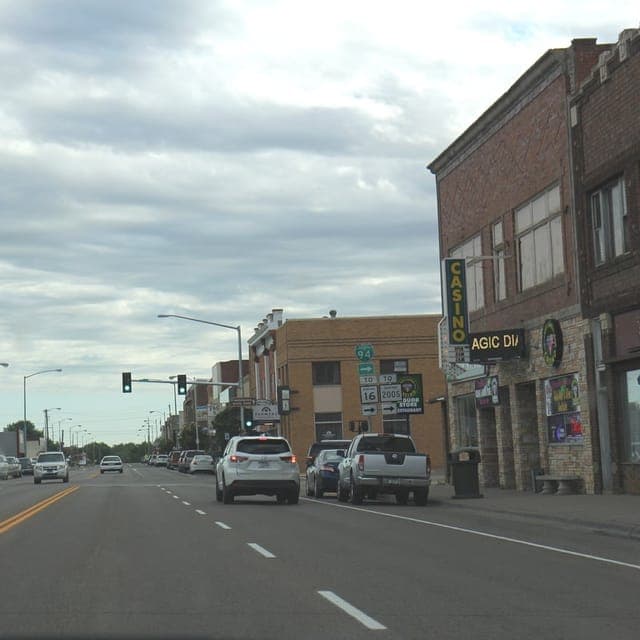
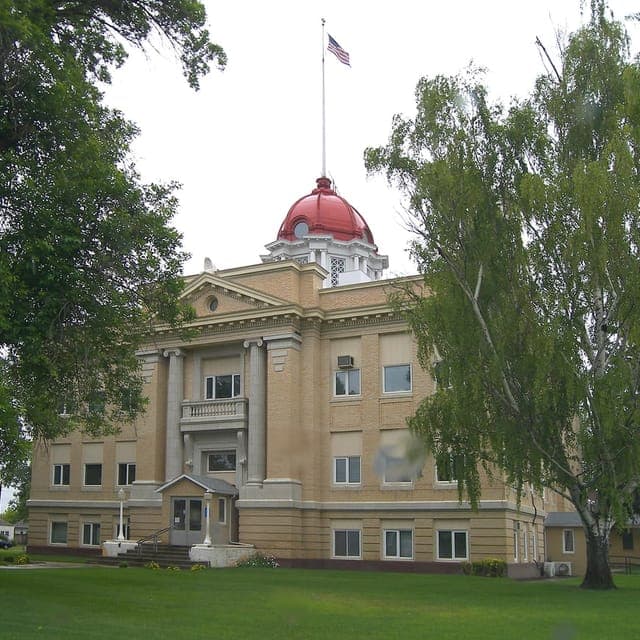
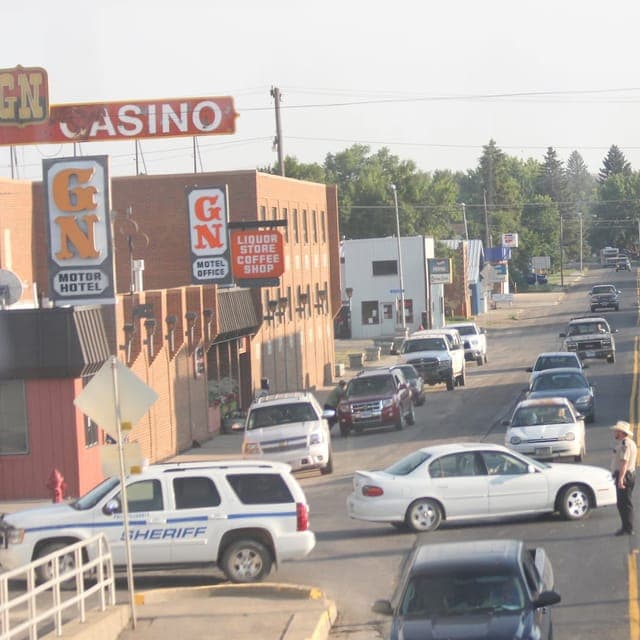
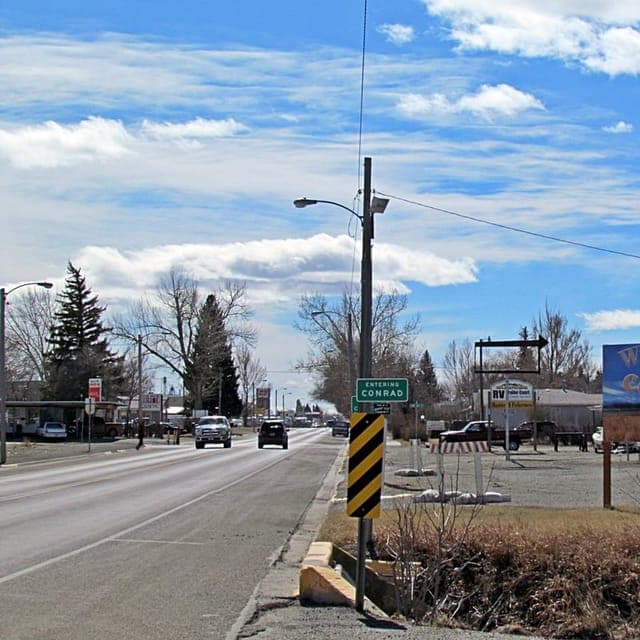
* Values derived from national, state, county, city and local statistics and may differ in a specific area. Last updated: 2026-04-18T23:38:15.000Z
Narrative content on this page is AI-generated and may contain mistakes. Verify any details that matter before acting on them.
ReloMaps may earn a commission from affiliate links at no extra cost to you.

