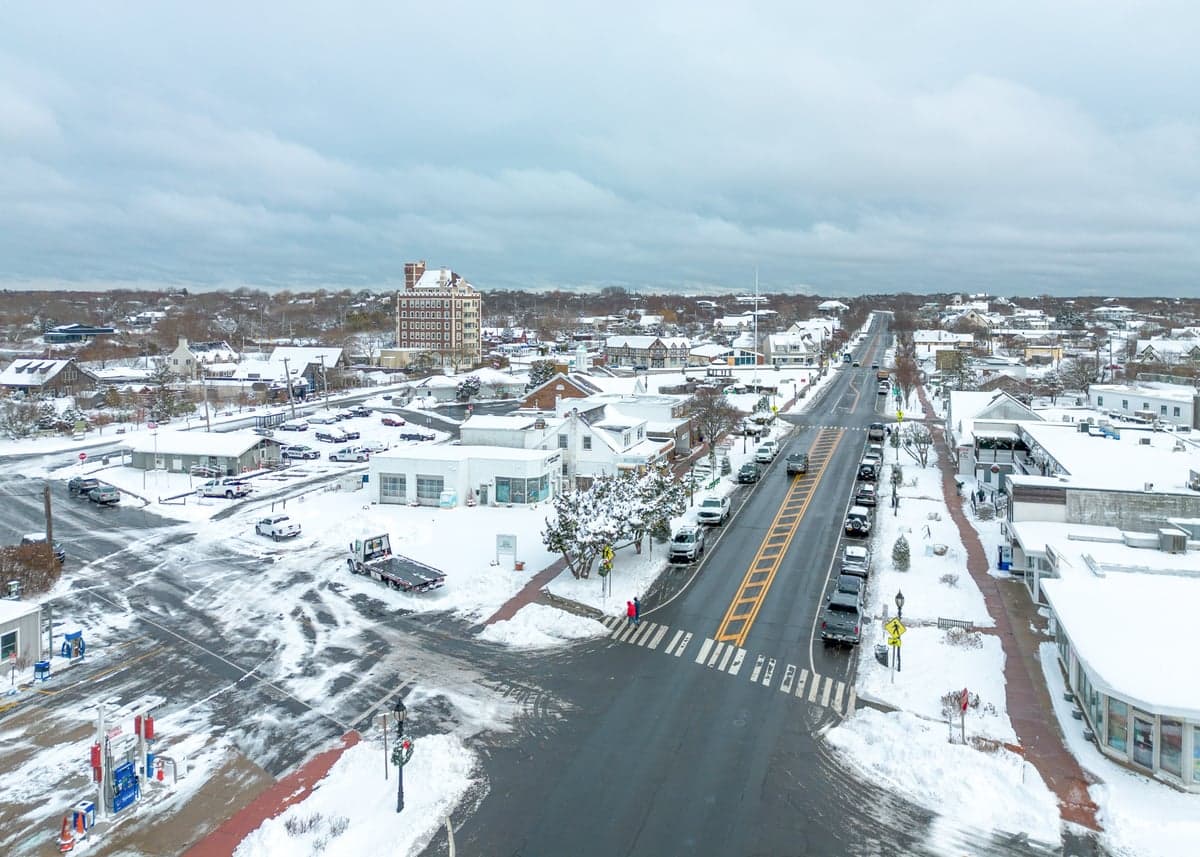
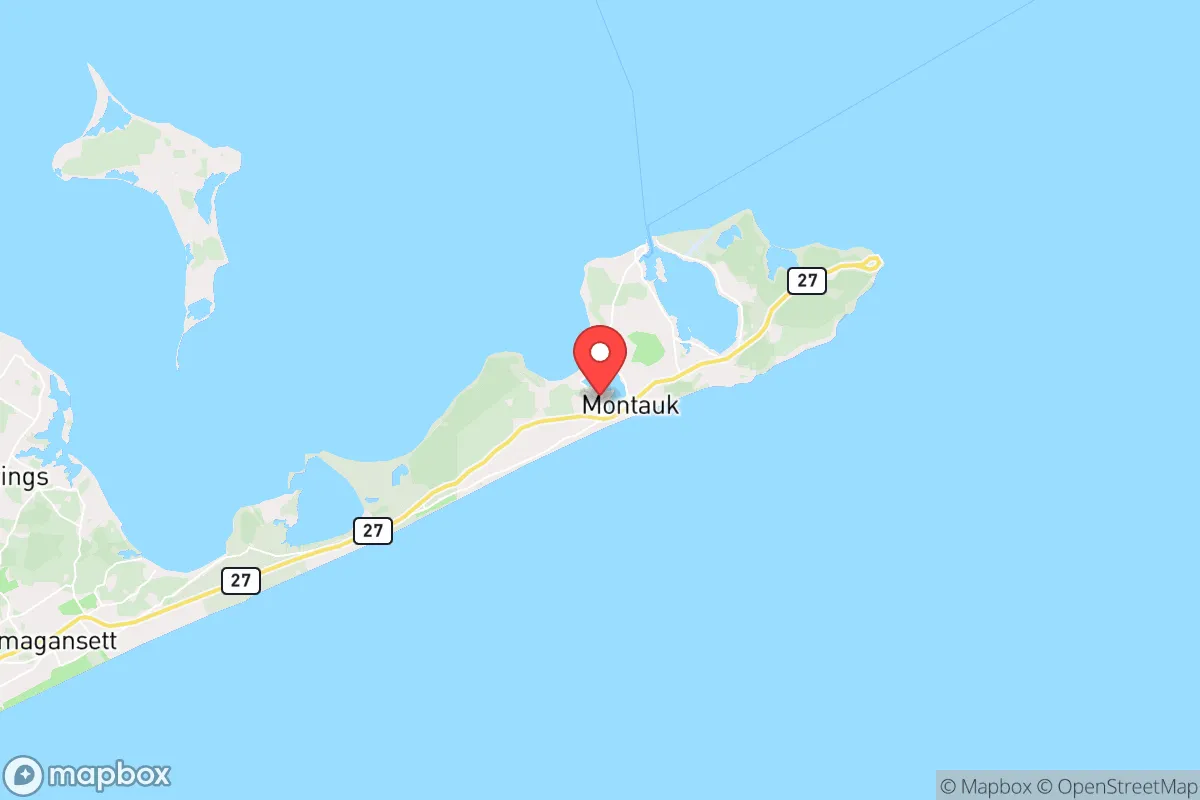
Photo: Wikipedia
Quality of Life in Montauk, NY
A high quality of life with strong walkability, manageable living costs, healthy neighborhood signals, and solid amenity access.
What does Quality of Life tell us?
Quality of Life blends cost of living, nearby amenities, socioeconomic signals, and neighborhood character. City-level scores represent the whole municipality; individual neighborhoods can differ.
What does this tell us?
Quality of Life blends cost of living, nearby amenities, socioeconomic signals, and neighborhood character. City-level scores represent the whole municipality; individual neighborhoods can differ.
Cost of Living
175% above national average
The Real Cost of Living in Montauk, NY for 2026
| Tier | Individual | Family (4) |
|---|---|---|
| Survival | $33k | $62k |
| Comfortable | $230k | $339k |
| Luxury | $239k+ | $371k+ |
| Elite (Top 5%) | $413k+ | $639k+ |
38%
The Area Signal
A metric tracking the socioeconomic signals of the area.
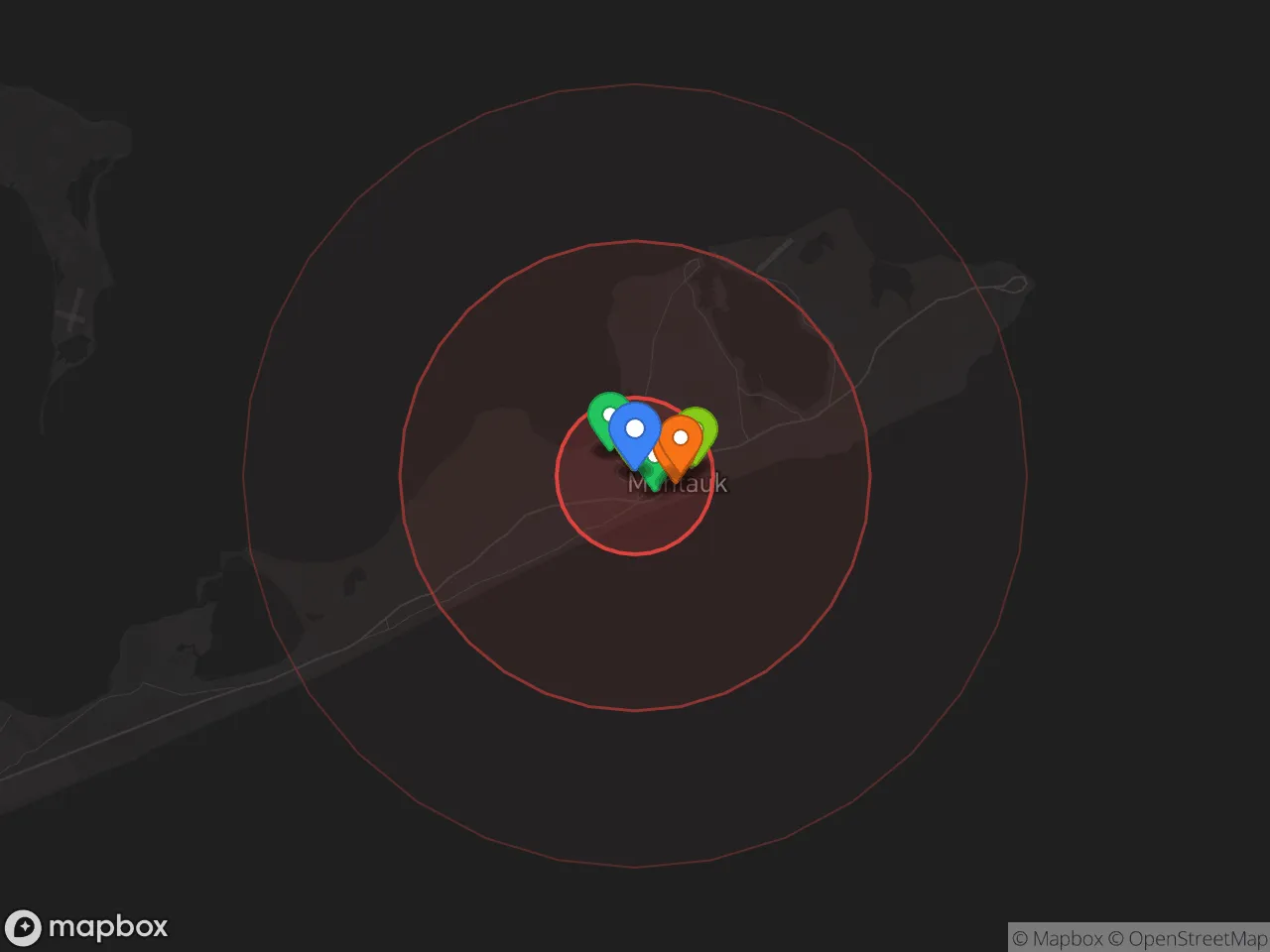
Hobbies
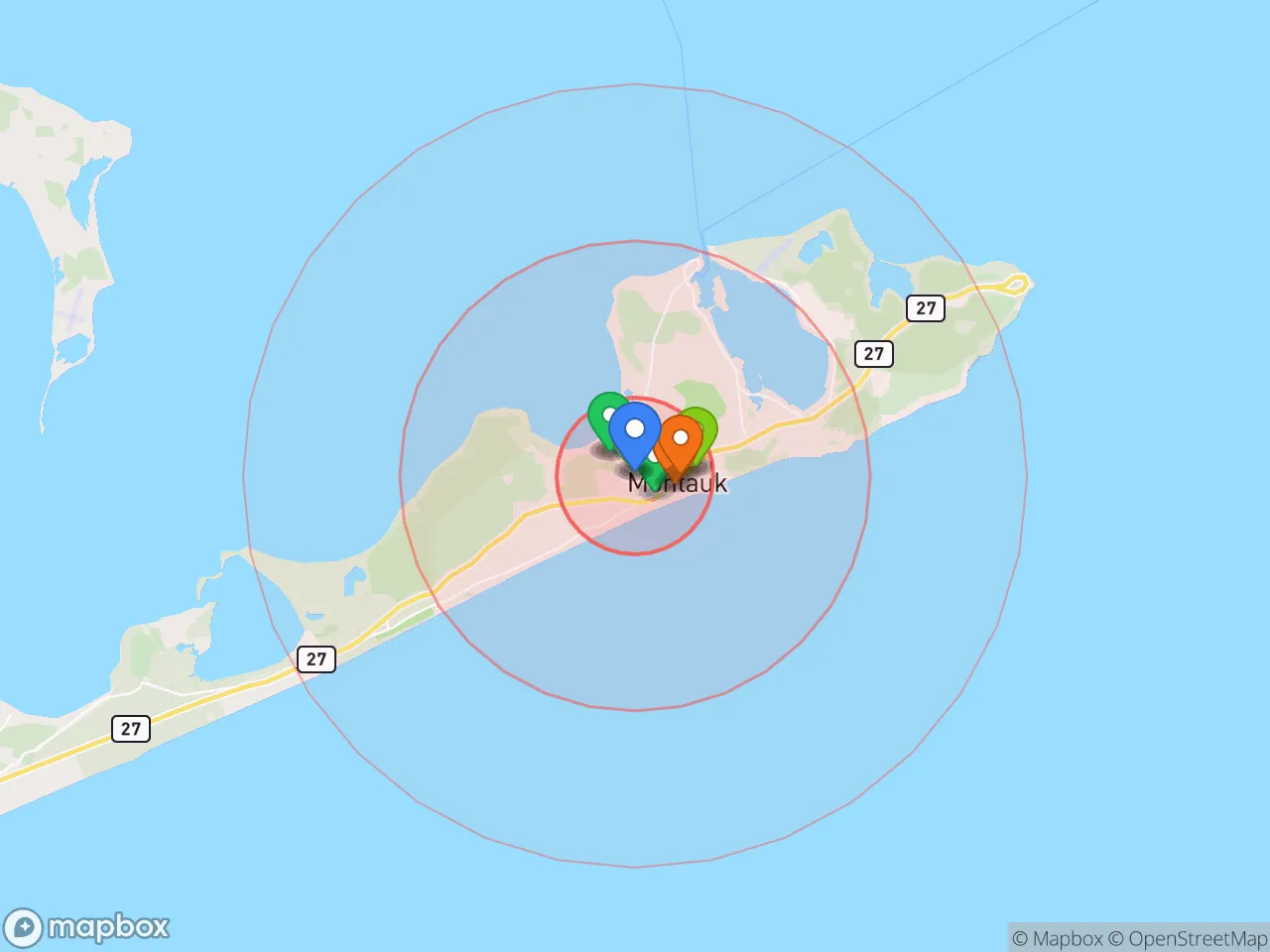
Explore the areaGroceries
2 within 10 miles
Gas
3 within 10 miles
Hospital
0 within 20 miles
Airport
JFK — John F. Kennedy International
Post Office
USPS — Montauk, NY
Critical Amenities
Quality-of-Life Analysis
Montauk, New York, represents one of the most exclusive and high-cost living environments on the East Coast, with a cost of living index of 275—nearly three times the national average. The permanent population of roughly 3,500 residents is a mix of wealthy second-home owners, hospitality workers, and a shrinking cohort of multi-generational fishing families. The seasonal economy, dominated by luxury tourism and high-end real estate, creates a unique quality of life where summer crowds and winter isolation define the rhythm of the year.
Cost of living, housing affordability, and how Montauk compares to the Hamptons
Montauk’s housing market is among the most expensive in Suffolk County, with a median home value of $1,186,400—roughly 2.5 times the national median. The median rent of $2,061, while high, is actually below the Hamptons average of $3,500, reflecting a larger share of older, rent-stabilized units and seasonal worker housing. However, the affordability gap is stark: a household earning the local median income of $85,000 would need to spend over 70% of gross income on a mortgage for a median-priced home. Compared to nearby East Hampton Village (median home value $2.1 million) or Amagansett ($1.8 million), Montauk offers slightly more square footage per dollar, but remains out of reach for most non-wealthy buyers. Property taxes average around $8,500 annually, which is moderate for the region but still double the national average.
Local amenities, schools, and what daily life actually feels like
Daily life in Montauk is defined by its geography: the town is a 30-minute drive from the nearest supermarket in East Hampton, and the average commute of 32.8 minutes is deceptively low because many residents work locally in hospitality or fishing. The Montauk School District serves roughly 400 students from pre-K through 8th grade, with a student-teacher ratio of 10:1 and strong state test scores—though high school students must commute to East Hampton High School, a 45-minute bus ride. Amenities are seasonal: from May to October, the town has dozens of restaurants, surf shops, and the iconic Montauk Point Lighthouse; from November to April, only a handful of businesses remain open, and the nearest urgent care is 20 miles away in Southampton. The lack of a full-service hospital within 30 miles is a significant drawback for year-round residents, especially families with young children or elderly members.
Montauk is best suited for affluent retirees, remote workers with six-figure incomes, and hospitality professionals who can tolerate the extreme seasonal swings. Families should weigh the limited school options and long commutes for high school against the unparalleled beach access and tight-knit community. For those who can afford the premium—and accept the trade-offs of isolation in winter and congestion in summer—Montauk offers a quality of life unmatched in the Northeast for ocean recreation and natural beauty.

Crime in Montauk, NY
Generally safer than 56% of comparable U.S. locations.
Violent CrimeViolent Crime Analysis
Property CrimeProperty Crime Analysis
Crime Analysis
Montauk, New York, presents a mixed safety profile that requires careful consideration, particularly given its location within a large, progressive-leaning metropolitan area. With a violent crime rate of 331.5 per 100,000 residents and a property crime rate of 1,323.4 per 100,000, the hamlet experiences crime at levels that are notably higher than the national average for similar-sized communities. These figures, combined with the broader context of Suffolk County and New York State's justice policies, suggest that potential residents should approach the area with heightened awareness.
Crime in context
Montauk's violent crime rate of 331.5 per 100,000 is roughly 1.8 times higher than the national average of approximately 180 per 100,000, placing it in a concerning tier for a small coastal community. Property crime, at 1,323.4 per 100,000, also exceeds the national benchmark of around 1,200 per 100,000. These statistics are particularly troubling when viewed through the lens of New York State's criminal justice reforms. The state's progressive bail reform laws, enacted in 2019 and expanded in subsequent years, have eliminated cash bail for most non-violent felonies and misdemeanors. Critics argue this has led to a "catch-and-release" cycle, where repeat offenders are quickly returned to the streets, directly impacting communities like Montauk. Suffolk County's District Attorney, Ray Tierney, has publicly criticized these policies, noting that they hamper prosecutors' ability to hold offenders accountable and contribute to a perception of lawlessness that emboldens criminals.
What residents experience
For those living in Montauk, the statistical reality translates into tangible concerns. The high property crime rate is a primary issue, with thefts from vehicles, burglaries of seasonal homes, and bicycle thefts being common complaints, especially during the peak tourist season. Residents frequently report that police response times can be slow, as the East Hampton Town Police Department must cover a large geographic area with limited resources. The presence of a progressive judicial philosophy at the state level means that even when arrests are made, offenders often face minimal consequences. This creates a sense of frustration and vulnerability among long-term residents, who feel that the justice system prioritizes the rights of offenders over the safety of victims and the public. The seasonal influx of visitors also strains local infrastructure and can lead to increased incidents of disorderly conduct and alcohol-related offenses.
Neighborhood-level variation
Safety in Montauk is not uniform. The downtown area, centered around Montauk Highway and the commercial district, experiences the highest concentration of property crimes, particularly during summer weekends. The more isolated residential neighborhoods, such as those along the eastern end of the peninsula near the lighthouse or in the Hither Hills area, tend to see fewer incidents but also have longer police response times. The Ditch Plains area, popular with surfers, has a reputation for vehicle break-ins. Overall, while Montauk retains a small-town feel, the combination of elevated crime rates and a state-level justice system that many view as lenient means that residents must be proactive about security—locking doors, securing valuables, and maintaining neighborhood watch networks—to mitigate the risks inherent in this otherwise desirable coastal location.
* Values derived from national, state, county, city and local statistics and may differ in a specific area. Last updated: 2026-04-24T01:47:24.000Z
Narrative content on this page is AI-generated and may contain mistakes. Verify any details that matter before acting on them.
ReloMaps may earn a commission from affiliate links at no extra cost to you.

