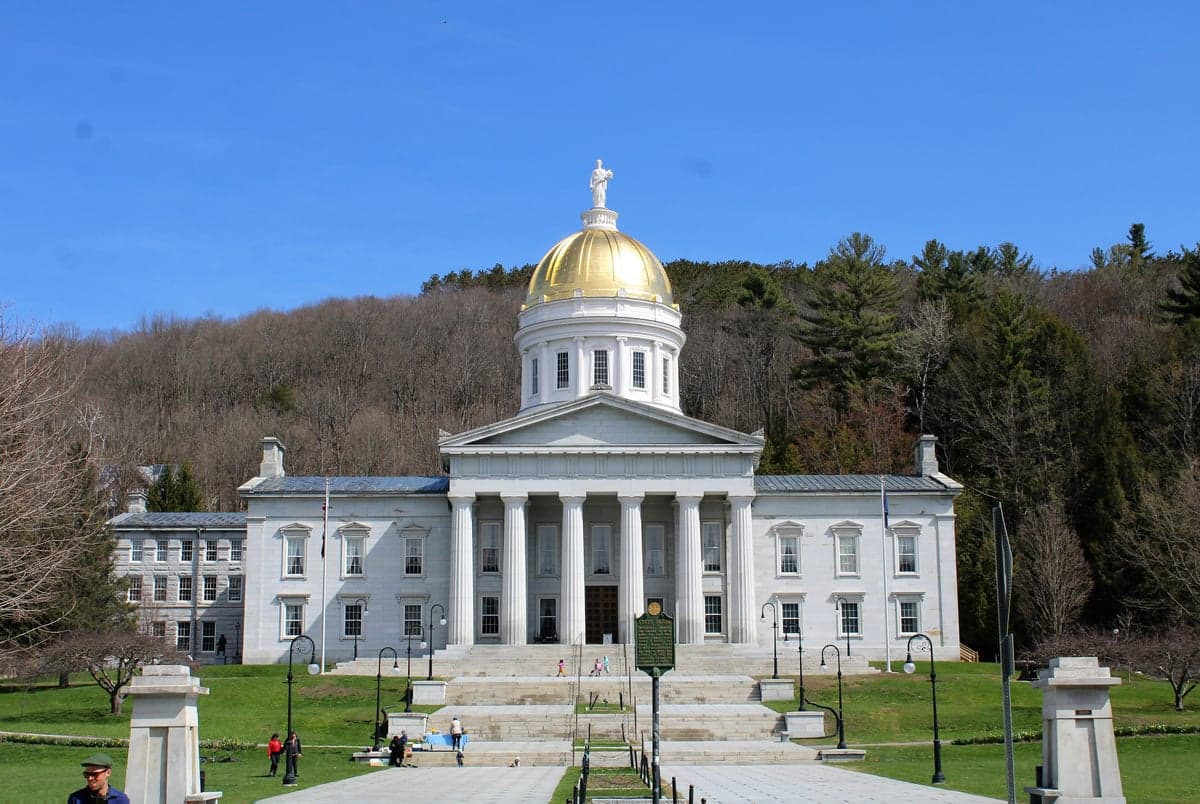
Photo: Wikipedia
Quality of Life in Montpelier, VT
A high quality of life with strong walkability, manageable living costs, healthy neighborhood signals, and solid amenity access.
What does Quality of Life tell us?
Quality of Life blends cost of living, nearby amenities, socioeconomic signals, and neighborhood character. City-level scores represent the whole municipality; individual neighborhoods can differ.
What does this tell us?
Quality of Life blends cost of living, nearby amenities, socioeconomic signals, and neighborhood character. City-level scores represent the whole municipality; individual neighborhoods can differ.
Cost of Living
10% above national average
The Real Cost of Living in Montpelier, VT for 2026
| Tier | Individual | Family (4) |
|---|---|---|
| Survival | $19k | $35k |
| Comfortable | $68k | $100k |
| Luxury | $121k+ | $187k+ |
| Elite (Top 5%) | $142k+ | $220k+ |
79%
The Area Signal
A metric tracking the socioeconomic signals of the area.
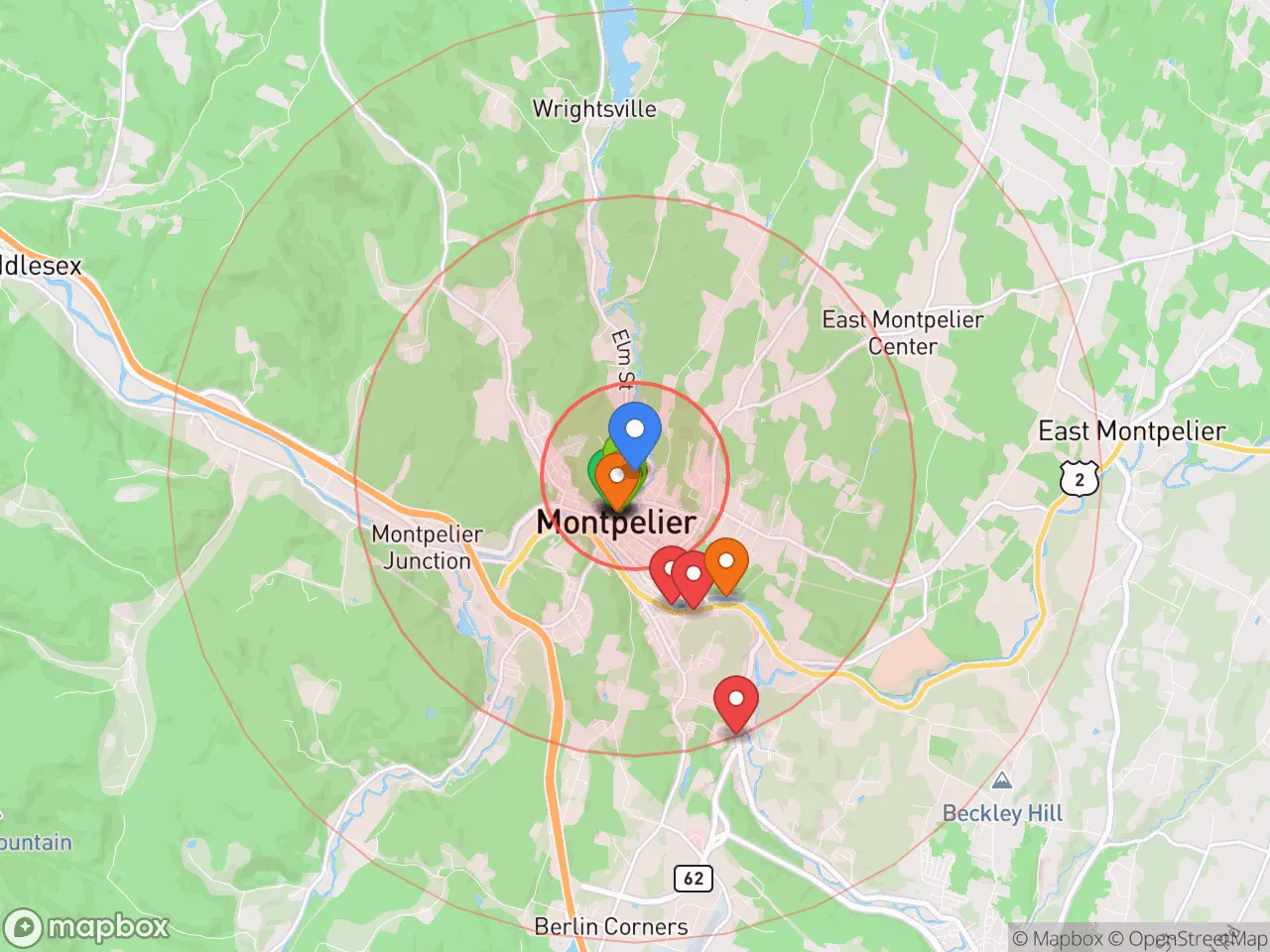
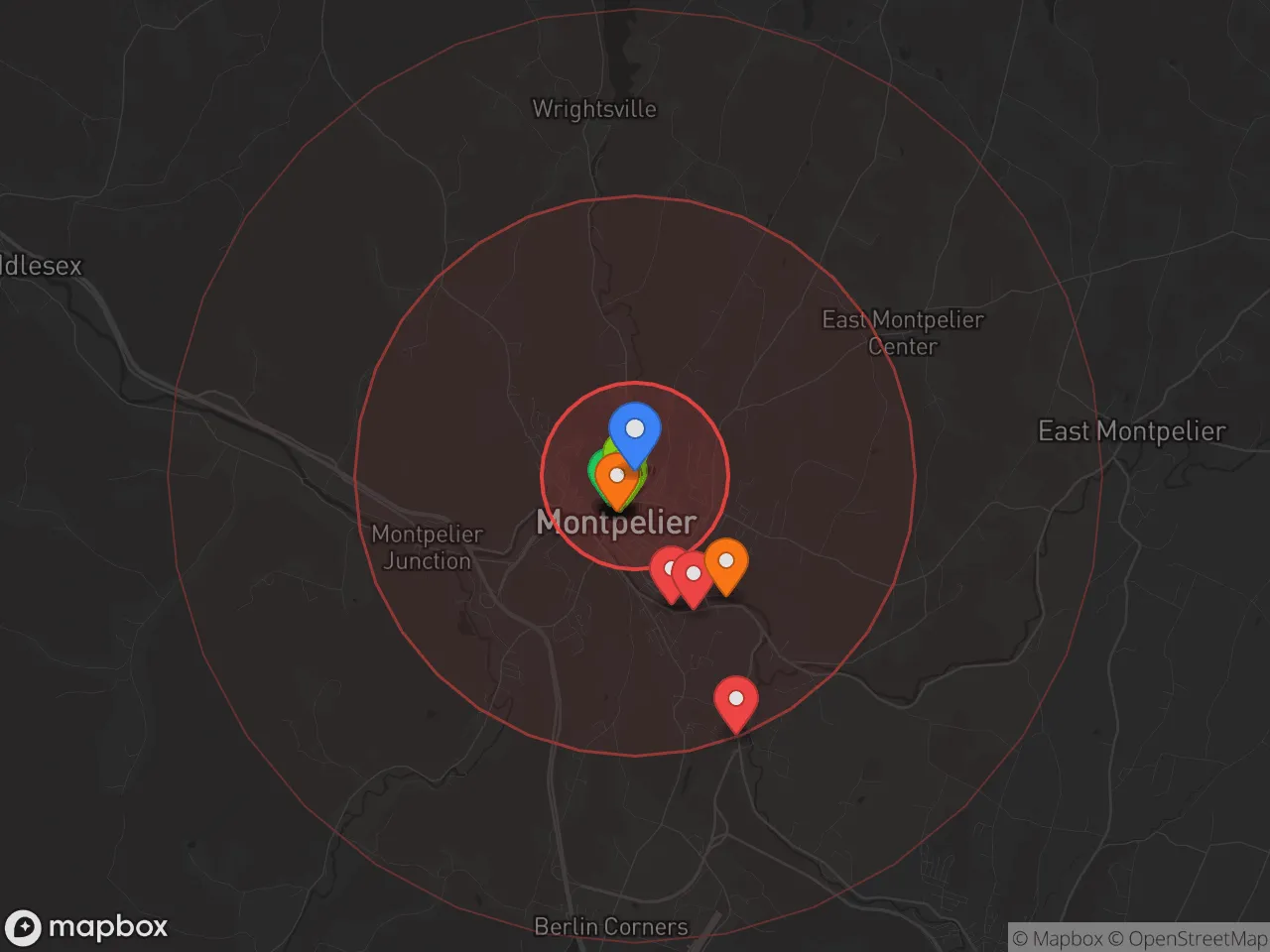
Hobbies
Explore the areaGroceries
4 within 10 miles
Gas
20 within 10 miles
Hospital
4 within 20 miles
Airport
PDX — Portland International Jetport
Post Office
USPS — Montpelier, VT
Critical Amenities
Quality-of-Life Analysis
Montpelier, Vermont, is a small capital city with an affluence profile that skews toward educated professionals, government employees, and longtime residents who value civic engagement and outdoor access. With a cost of living index of 110 (10% above the U.S. average), the city is more expensive than the national norm but notably more affordable than neighboring Burlington, where the index often exceeds 120. The population of roughly 8,000 is characterized by a high proportion of state workers, nonprofit staff, and retirees drawn to the city’s walkable downtown and progressive politics, creating a community that is both politically active and family-oriented.
Cost of living, housing affordability, and how Montpelier compares to nearby areas
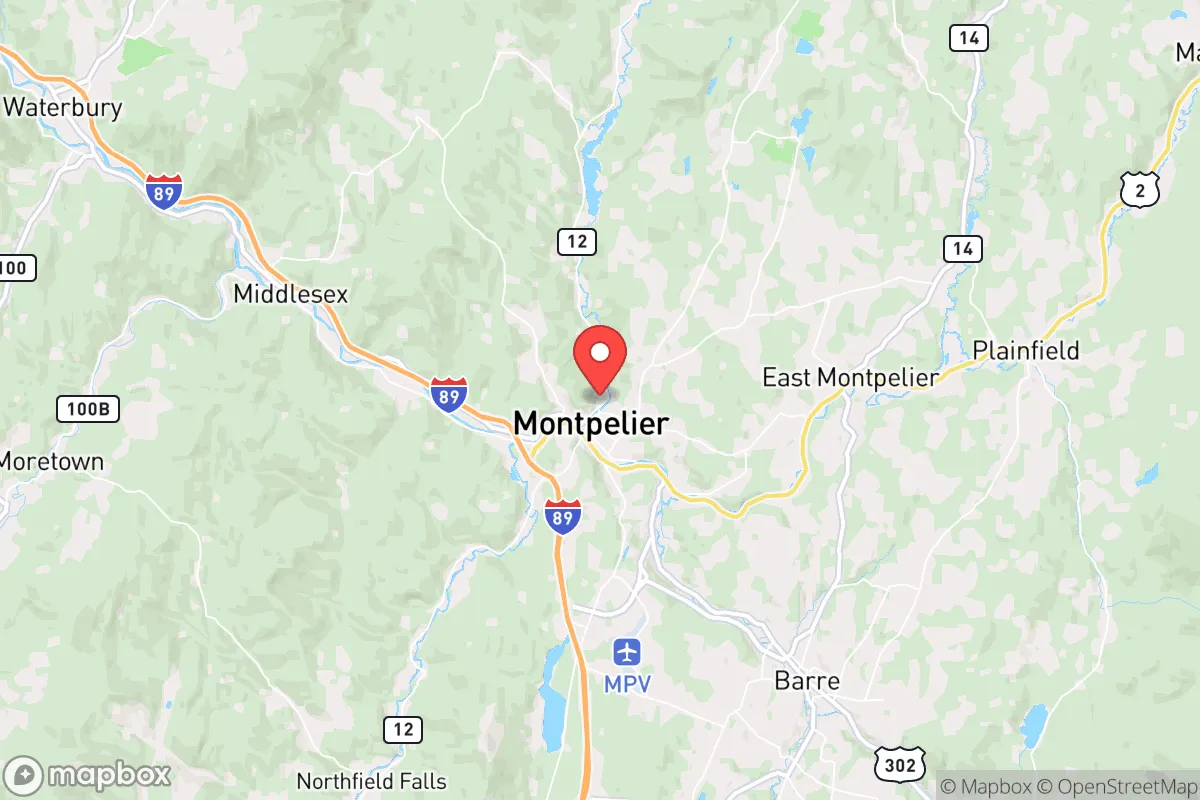
Montpelier’s housing market is tight but less punishing than in larger Vermont cities. The median home value sits at $349,200, which is significantly below Burlington’s median of around $450,000, yet still above the national median of roughly $350,000. Renters face a median monthly rent of $1,169, a figure that is manageable for many dual-income households but challenging for single earners on a state-worker salary. Compared to nearby Barre (median home value ~$275,000) or Berlin (~$300,000), Montpelier commands a premium for its walkable downtown and proximity to state government jobs. The average commute time of 19 minutes is remarkably short for a capital city—far below the national average of 26 minutes—meaning residents save both time and transportation costs. However, property taxes in Vermont are among the highest in the nation (roughly 1.8% of assessed value), so the effective monthly cost of homeownership can rival that of renting. For those willing to live 10–15 minutes outside the city core, towns like East Montpelier or Middlesex offer lower home prices and more land, though with longer commutes and fewer walkable amenities.
What daily life is like for families, professionals, and outdoor enthusiasts
Daily life in Montpelier revolves around a compact, historic downtown that is one of the few state capitals without a McDonald’s—a point of pride for locals who prioritize independent businesses. The city’s public schools, particularly Union Elementary School and Montpelier High School, are well-regarded, with graduation rates above 90% and strong arts and outdoor education programs. For families, the Vermont History Center, Hubbard Park (with its iconic tower and 194 acres of trails), and the North Branch River Park provide free or low-cost recreation. Professionals benefit from the state’s largest concentration of government and nonprofit employers, including the Vermont State House, the Agency of Transportation, and National Life Group, one of the city’s largest private employers. The cultural calendar is anchored by events like the Vermont Festival of the Arts and the weekly Capital City Farmers Market, which runs May through October. Outdoor enthusiasts can access the Cross Vermont Trail for biking and running, and the nearby Worcester Range offers backcountry skiing and hiking within a 20-minute drive. The city’s small size means most errands can be done on foot or by bike, and the lack of big-box retail keeps traffic light—a trade-off for those who need to drive 30 minutes to Williston for a Target or Costco.
Montpelier is best suited for people who prioritize community engagement, outdoor recreation, and a slower pace of life over career diversity or nightlife. State employees, remote workers with stable incomes, and families who value small schools and walkability will find the city’s trade-offs worthwhile. Those seeking lower housing costs, warmer winters, or a more diverse job market may struggle with the limited inventory and high property taxes. For the right resident—someone who appreciates a capital city that feels like a small town, with a 19-minute commute and a strong sense of civic pride—Montpelier offers a quality of life that is hard to replicate elsewhere in New England.

Crime in Montpelier, VT
Generally safer than 74% of comparable U.S. locations.
Violent CrimeViolent Crime Analysis
Property CrimeProperty Crime Analysis
Crime Analysis
Montpelier, Vermont, presents a complex safety picture where property crime rates significantly exceed both state and national averages, while violent crime remains comparatively moderate. With a violent crime rate of 342.8 per 100,000 residents and a property crime rate of 3,021.5 per 100,000, the state capital’s statistics demand careful consideration from potential movers. These figures are particularly concerning given Montpelier’s status as a small city within a broader progressive political environment, where justice system philosophies may influence public safety outcomes.
Crime in context
Montpelier’s violent crime rate of 342.8 per 100,000 is roughly 1.5 times higher than the Vermont state average of approximately 230 per 100,000, and about 1.8 times the national average of roughly 190 per 100,000. The property crime rate of 3,021.5 per 100,000 is even more striking: it is nearly double the Vermont state average of roughly 1,600 per 100,000 and about 1.3 times the national average of roughly 2,300 per 100,000. These elevated rates are consistent with patterns seen in many small cities near larger metro areas (Montpelier is about 40 miles from Burlington) that have adopted progressive criminal justice policies. Vermont’s judiciary and district attorneys in Washington County have been noted for emphasizing rehabilitation over incarceration, which, while sympathetic to offenders, can result in more individuals with active warrants or pending charges remaining in the community, directly impacting property crime rates.
What residents experience
For daily life in Montpelier, the most tangible safety concern is property crime. Residents commonly report issues such as vehicle break-ins, bicycle theft, and package theft from porches, particularly in areas near downtown and the State House complex. The city’s walkable, compact layout means these incidents often occur in residential neighborhoods adjacent to commercial corridors. Violent crime, while less frequent, does occur and includes aggravated assaults and occasional robberies, often connected to disputes or substance abuse issues. The presence of a progressive district attorney’s office in Washington County means that many property crime offenders face diversion programs or reduced charges, which can lead to a perception among residents that repeat offenders cycle through the system without meaningful consequences. This dynamic is a common concern in liberal-leaning jurisdictions and contributes to a sense of unease, especially among homeowners and small business owners who bear the financial brunt of theft and vandalism.
Neighborhood-level variation in Montpelier is modest but notable. The downtown core and areas near the Winooski River, including the North Street and Elm Street corridors, experience higher concentrations of property crime, while quieter residential streets like those in the East Montpelier border area and the hillside neighborhoods west of Main Street tend to see fewer incidents. However, the city’s small size means that no area is entirely insulated from the broader trends. Prospective residents should factor in the elevated property crime rate and the local justice system’s approach when evaluating Montpelier’s overall safety, particularly if they are accustomed to communities with more traditional law enforcement and prosecution policies.
* Values derived from national, state, county, city and local statistics and may differ in a specific area. Last updated: 2026-05-02T00:47:26.000Z
Narrative content on this page is AI-generated and may contain mistakes. Verify any details that matter before acting on them.
ReloMaps may earn a commission from affiliate links at no extra cost to you.

