Quality of Life in Mount Charleston, NV
Above-average quality of iife. The area offers a reasonable cost of living, decent mobility, and a mix of neighborhood amenities.
What does Quality of Life tell us?
Quality of Life blends cost of living, nearby amenities, socioeconomic signals, and neighborhood character. City-level scores represent the whole municipality; individual neighborhoods can differ.
What does this tell us?
Quality of Life blends cost of living, nearby amenities, socioeconomic signals, and neighborhood character. City-level scores represent the whole municipality; individual neighborhoods can differ.
Cost of Living
123% above national average
The Real Cost of Living in Mount Charleston, NV for 2026
| Tier | Individual | Family (4) |
|---|---|---|
| Survival | $30k | $56k |
| Comfortable | $122k | $180k |
| Luxury | $201k+ | $312k+ |
62%
The Area Signal
A metric tracking the socioeconomic signals of the area.
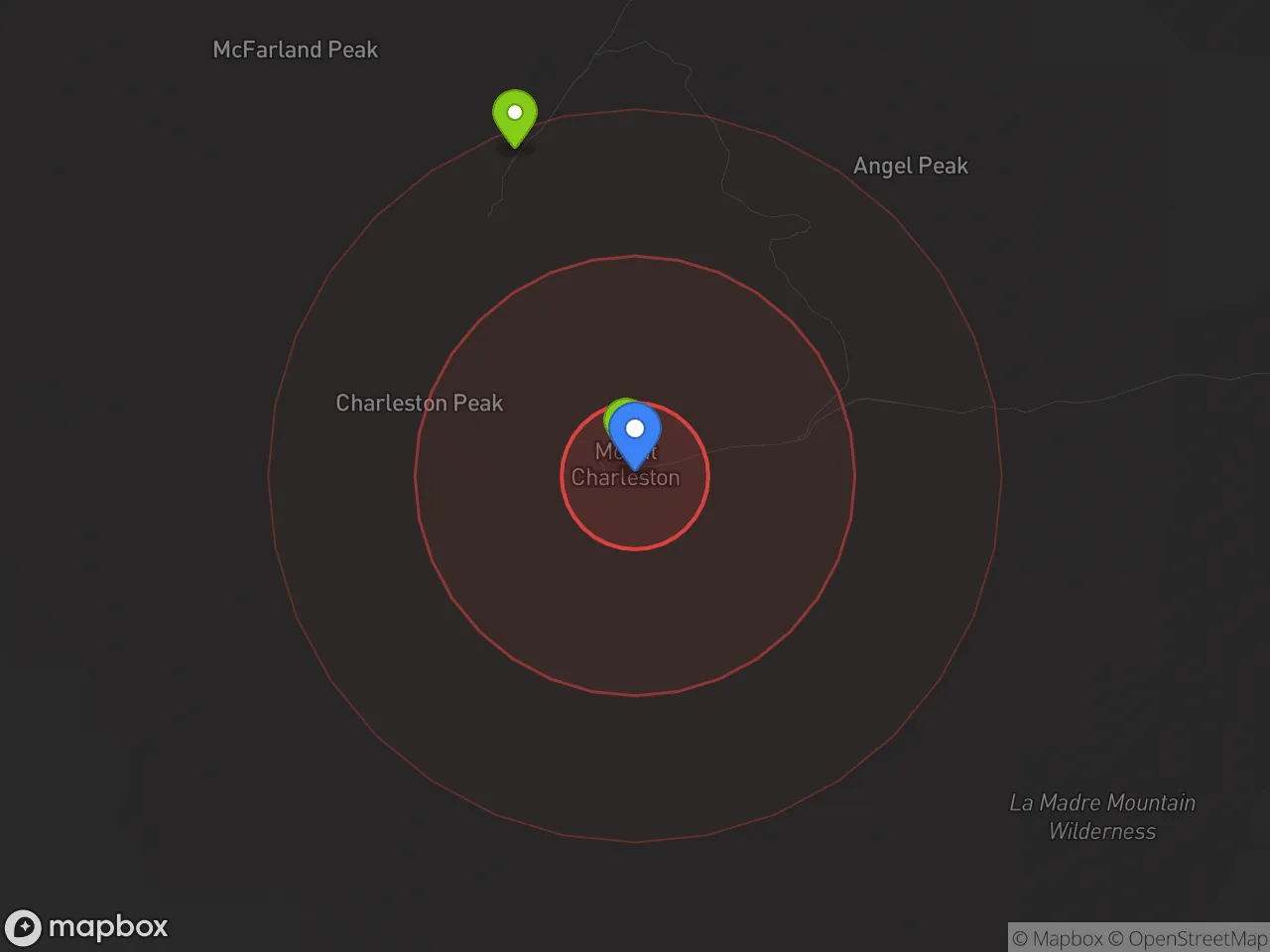
Limited data for this area
Limited data for this area
Hobbies
Explore the areaGroceries
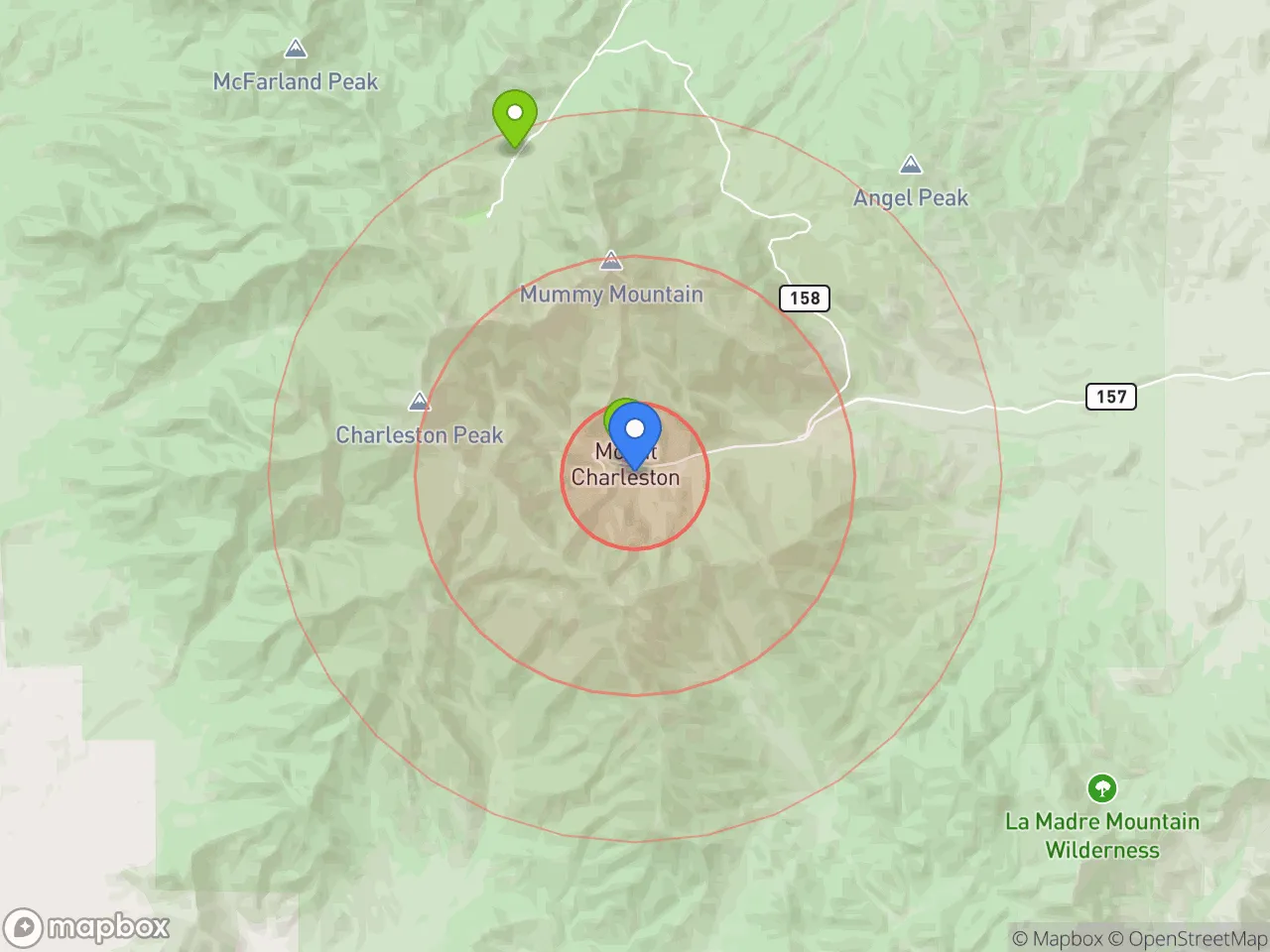
0 within 10 miles
Gas
0 within 10 miles
Hospital
2 within 20 miles
Airport
LAS — North Las Vegas
Post Office
USPS — Mount Charleston, NV
Critical Amenities
Quality-of-Life Analysis
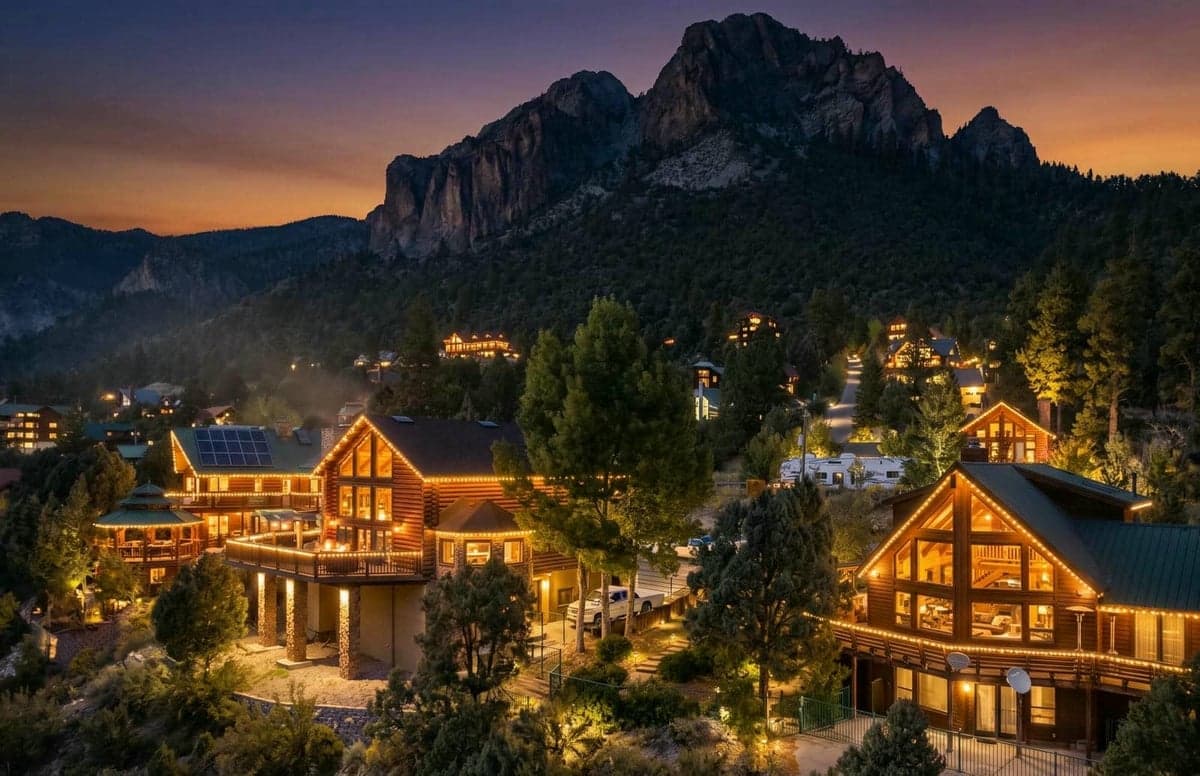
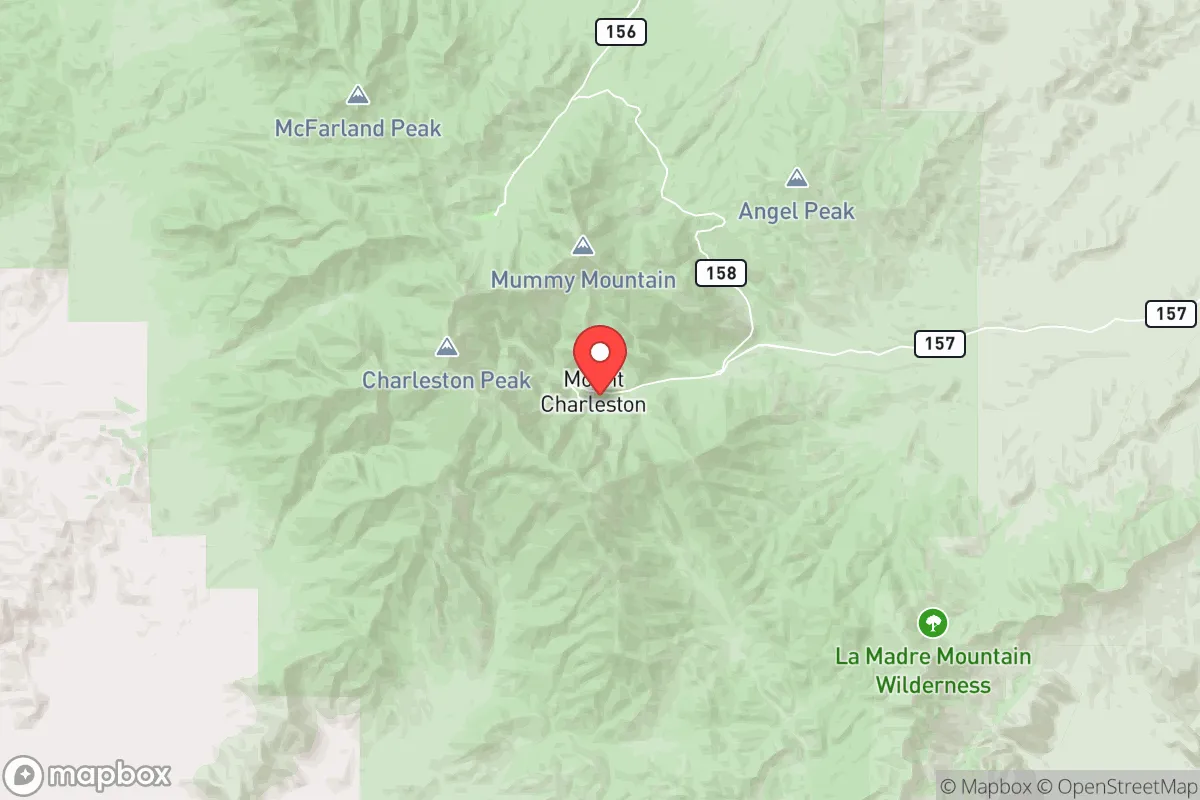
Mount Charleston, Nevada, is an affluent mountain enclave roughly 35 miles northwest of the Las Vegas Strip, where the median home value sits at $630,000 and the cost of living index reaches 223—more than double the U.S. average. The community attracts a distinct demographic: outdoor-oriented professionals, remote workers, and retirees who prioritize seclusion, alpine scenery, and cooler temperatures over the convenience and heat of the valley floor. With an elevation exceeding 7,000 feet, the area offers a lifestyle that feels worlds apart from the desert below, yet remains within commuting distance of Clark County’s employment and entertainment hubs.
Cost of living, housing affordability, and how Mount Charleston compares to Las Vegas
Mount Charleston’s cost of living index of 223 is more than twice the national average and significantly higher than Las Vegas’s index of roughly 103. The primary driver is housing: the median home value of $630,000 is about double the Las Vegas metro median of $315,000 (as of early 2026). Rentals are scarce and expensive, with few multi-family units available; most housing consists of single-family cabins and custom mountain homes on larger lots. Property taxes in Nevada are relatively low (no state income tax), but homeowners here face higher insurance costs due to wildfire risk and snow-load maintenance. For buyers, the premium over Las Vegas buys direct access to the Humboldt-Toiyabe National Forest, privacy, and summer temperatures that are often 20–30°F cooler than the valley. However, the trade-off includes limited shopping, no major grocery store within the immediate community, and a 45-minute drive to the nearest full-service supermarkets in Summerlin or Centennial Hills.
What daily life is like for families, schools, and local amenities
Daily life in Mount Charleston revolves around outdoor recreation and a tight-knit, seasonal rhythm. The area has no public schools within the community itself; children attend Clark County School District schools in nearby Summerlin or Centennial Hills, with bus rides of 30–45 minutes each way. Private and charter options are available in Las Vegas, but require a longer commute. Amenities are minimal: the Mount Charleston Lodge and a handful of small cafes and general stores serve as social hubs, while the Spring Mountains National Recreation Area provides year-round hiking, camping, and—during winter—skiing at the Las Vegas Ski & Snowboard Resort (Lee Canyon). Internet access has improved with fiber-optic expansion, but cell service can be spotty in the deeper canyons. The community is heavily influenced by seasonal tourism, with weekends bringing day-trippers from Las Vegas, which can crowd trailheads and the main road (NV-157). For full-time residents, the pace is quiet and self-sufficient, with most errands requiring a drive down the mountain.
Mount Charleston is best suited for those who value solitude, natural beauty, and a four-season climate over urban convenience and affordability. Remote workers, retirees, and outdoor enthusiasts who can absorb the high housing costs and tolerate the commute will find a unique alpine lifestyle within reach of Las Vegas. Families with school-age children should weigh the lengthy bus rides and limited after-school options carefully. For anyone seeking a true mountain escape without leaving Clark County, Mount Charleston offers a rare combination of altitude, forest access, and proximity to a major metro—but at a premium that reflects its scarcity and desirability.

Crime in Mount Charleston, NV
Higher crime rates than 57% of comparable U.S. locations.
Violent CrimeViolent Crime Analysis
Property CrimeProperty Crime Analysis
Crime Analysis
Mount Charleston, a small unincorporated community in the Spring Mountains about 35 miles northwest of Las Vegas, reports a violent crime rate of 371.5 incidents per 100,000 residents and a property crime rate of 1,977.7 per 100,000. These figures place the area in a complex safety position: while the community itself is quiet and remote, its proximity to the Las Vegas metropolitan area means it is subject to the broader crime dynamics of Clark County. The presence of progressive district attorneys and judges in the Las Vegas justice system, who often prioritize rehabilitation and reduced sentencing, has been linked to higher recidivism and more offenders remaining on the street, which can spill over into outlying communities like Mount Charleston.
Crime in context
Mount Charleston’s violent crime rate of 371.5 per 100,000 is roughly 15% higher than the national average of 323 per 100,000, but significantly lower than the Las Vegas metro area’s rate of approximately 600 per 100,000. Property crime at 1,977.7 per 100,000 is about 35% higher than the national average of 1,466 per 100,000, reflecting the broader trend in Clark County where property offenses—particularly vehicle theft and burglary—are elevated. The community’s isolation and limited road access (primarily via State Route 157) provide a natural deterrent to casual crime, but the area is not immune to the effects of a metro-area justice system that has been criticized for leniency. For example, Clark County’s pretrial release policies and reduced felony filings for property crimes have been cited by local law enforcement as factors that allow repeat offenders to operate across the region.
What residents experience
Daily life in Mount Charleston is characterized by a small-town feel, with most residents knowing their neighbors and relying on the Mount Charleston Fire Protection District and Nye County Sheriff’s Office for emergency response. However, the community’s seasonal tourism—especially for hiking and skiing at the Lee Canyon ski area—brings periodic spikes in property crime, such as vehicle break-ins at trailheads. Residents report that thefts from parked cars and vacation rentals are the most common safety concerns, while violent crime is rare and typically involves domestic disputes rather than random attacks. The lack of a dedicated local police force means response times can be 20–30 minutes from the nearest substation in Pahrump or Las Vegas, which is a practical consideration for those living in more remote cabins.
Neighborhood-level variation is limited due to the community’s small size (roughly 300 year-round residents), but areas closer to the main tourist corridor along Kyle Canyon Road see higher property crime rates, while the more secluded residential pockets near the Mount Charleston Lodge experience virtually no violent crime. Homes with visible security systems and gated driveways are common in the higher-elevation subdivisions, reflecting a proactive approach to the property crime risk. For those considering relocation, the trade-off is clear: a peaceful, nature-focused lifestyle with low violent crime, but a property crime rate that demands vigilance, particularly during peak tourist seasons. The broader context of Clark County’s progressive criminal justice policies—which have reduced incarceration rates but also contributed to a 12% increase in property crime across the metro since 2020—should be weighed carefully by anyone seeking a truly low-crime environment.
* Values derived from national, state, county, city and local statistics and may differ in a specific area. Last updated: 2026-04-29T01:43:49.000Z
Narrative content on this page is AI-generated and may contain mistakes. Verify any details that matter before acting on them.
ReloMaps may earn a commission from affiliate links at no extra cost to you.

