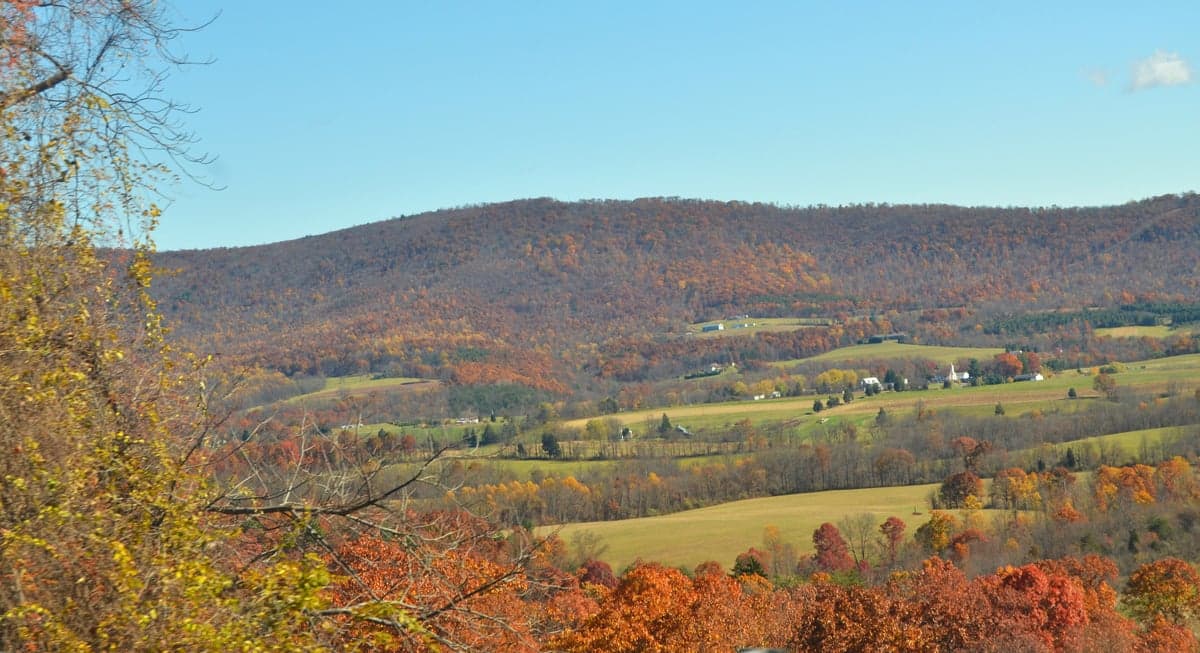
Photo: Wikipedia
Political ClimatePolitical Climate in Murrysville, PA
District shown is the primary district for this city’s centroid. Cities may span multiple districts.
Local Political AnalysisPolitical Analysis of Murrysville, PA
Murrysville, Pennsylvania, sits in a bit of a political bubble. While the surrounding Westmoreland County has long been a reliable red stronghold, Murrysville itself has been shifting left, and the numbers back it up. The Cook Partisan Voting Index (PVI) for the area now sits at D+10, meaning it leans more than ten points more Democratic than the nation as a whole. That’s a stark contrast to the rest of the county, which voted for Trump by double digits in 2020 and 2024. If you’ve lived here as long as I have, you’ve watched the local politics go from a place where conservative values were the default to a place where you have to be more careful about who you talk to about things like taxes, school boards, and personal freedoms.
How it compares
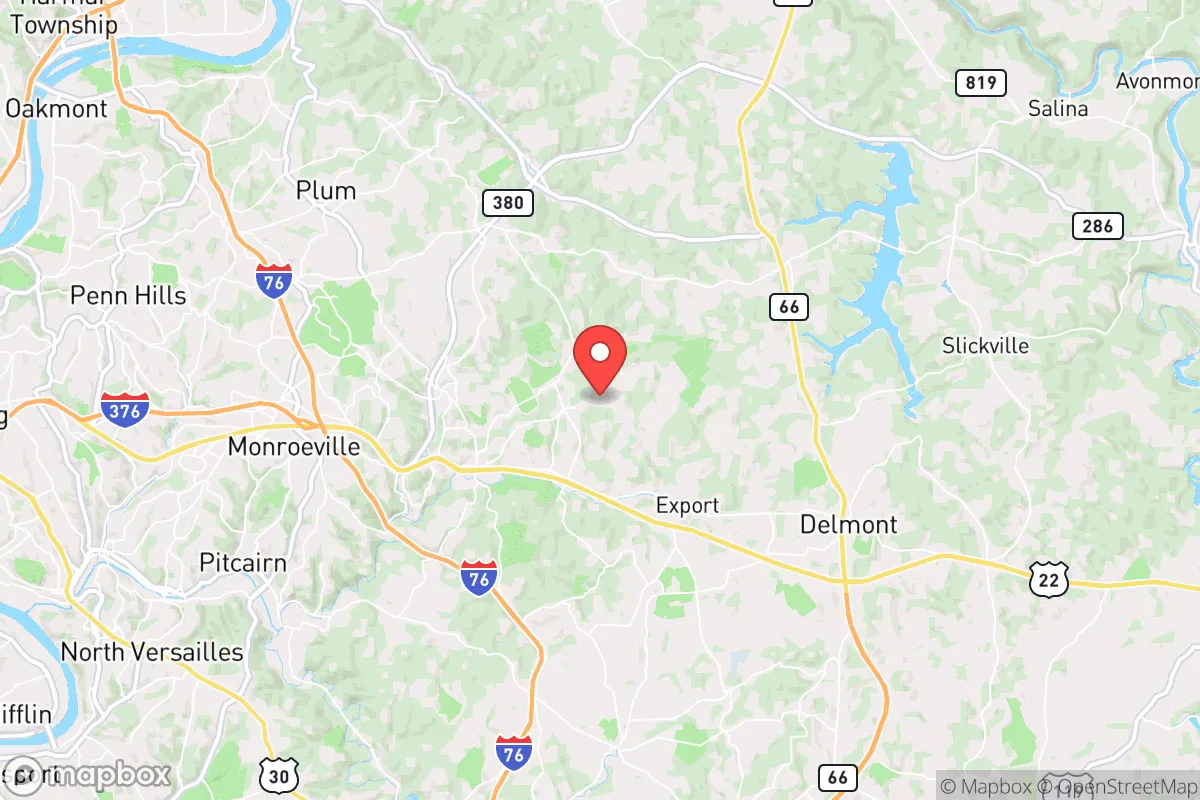
To really understand Murrysville’s political climate, you have to look at the towns around it. Drive ten minutes east to Delmont or fifteen minutes west to Monroeville, and you’ll find a much more balanced political mix, with Monroeville actually trending blue as well but not as heavily. Head north to Plum Borough or south to Greensburg, and you’re back in solidly conservative territory. Murrysville’s D+10 rating puts it in a weird spot—it’s the most liberal pocket in a sea of red. That’s not an accident. A lot of it comes from the influx of professionals who commute to Pittsburgh, which is a deep blue city. They bring their urban voting habits with them, and that’s changed the local dynamic. The contrast is sharpest when you look at school board elections. In nearby Penn-Trafford, the board has held the line on things like curriculum transparency and parental rights. In Murrysville’s Franklin Regional district, you’ve seen more push for progressive policies, including DEI initiatives and gender ideology discussions in classrooms. That’s a real red flag for anyone who values local control and parental authority.
What this means for residents
For the average conservative family living in Murrysville, the political shift has real consequences. Property taxes in Westmoreland County are already among the highest in the region, and as the local government leans left, you can expect more pressure to fund programs that don’t align with traditional values. The township council has shown a willingness to adopt state and federal grant money that comes with strings attached—like mandates on zoning, environmental regulations, and even policing policies. That’s government overreach, plain and simple. If you value your Second Amendment rights, you should know that Murrysville’s local ordinances have been trending toward more restrictive gun measures, including “safe storage” proposals that could easily be used to justify warrantless searches. The school district has also implemented social-emotional learning (SEL) programs that critics say are a backdoor for critical race theory and gender ideology. It’s not the Murrysville I grew up in, where the biggest concern was whether the snowplows would make it down your street before the school bus.
On the cultural side, Murrysville still has its charms—the Murrysville Community Library is a great resource, and the local farmers market is still a gathering spot for folks who actually grow things. But the political drift is real. The long-term trajectory, if it continues, will likely push more conservative families to the outer suburbs like Export or even further east to Latrobe. The housing market here is still strong, but the political climate is becoming a factor in where people choose to settle. If you’re looking for a place where your vote actually counts for something conservative, Murrysville might not be it anymore. Keep an eye on the school board races and the township supervisor elections—those are the battlegrounds where the future of this town will be decided.

State Political ClimatePolitical Climate in Pennsylvania
State Political AnalysisPolitical Environment in the State
Pennsylvania is a true battleground state, and if you’re looking at it from a conservative perspective, you need to understand that it’s a state of two warring halves. The overall partisan lean is a razor-thin 50-50 split, with the state having voted for Joe Biden by just 1.2 points in 2020 and then flipping back to a Republican trifecta in the 2022 midterms with the election of Senator Dr. Mehmet Oz losing narrowly, but the state legislature and governorship staying split. Over the last 20 years, the state has drifted from a reliably blue firewall in presidential races to a true toss-up, driven by the collapse of union Democrat loyalty in the west and the explosive growth of the Philly suburbs. The trajectory is concerning for conservatives: the population centers are growing and getting more progressive, while the rural and exurban areas that vote red are shrinking and aging out.
Urban vs. rural divide
The political map of Pennsylvania is a textbook case of the urban-rural chasm. The two major metros—Philadelphia and Pittsburgh—are deep blue islands. Philadelphia County alone delivered over 80% of its vote to Biden in 2020, and Allegheny County (Pittsburgh) went for Biden by nearly 20 points. These cities are surrounded by a ring of suburban counties that have been trending left for a decade. Bucks, Montgomery, Chester, and Delaware counties—once reliable Republican strongholds—have flipped blue, driven by college-educated professionals moving from the city and a growing minority population. Meanwhile, the vast rural interior—places like Lycoming, Bradford, and Tioga counties in the north, and Franklin, Adams, and York counties in the south—vote Republican by 30 to 50 points. The real battleground is the "T" shaped region: the exurbs of Philly (like Lancaster County, which is still red but trending purple) and the old industrial towns of the northeast (like Luzerne County, which flipped hard for Trump in 2016 and 2020). If you’re moving to Pennsylvania, your political experience will be entirely determined by which of these three zones you land in.
Policy environment
Pennsylvania’s policy environment is a mixed bag for conservatives, and it’s getting worse. The state has a flat income tax of 3.07%, which is relatively low and hasn’t been raised in years—a rare bright spot. But the property taxes are among the highest in the nation, especially in the Philly suburbs and Pittsburgh, where school district taxes can crush a family budget. The state also has a high corporate net income tax of 8.99%, though it’s being phased down to 4.99% by 2031. On education, Pennsylvania is a disaster for school choice advocates: the state has a weak charter school law, and the Democratic governor, Josh Shapiro, has vetoed every attempt to expand the Educational Improvement Tax Credit (EITC) program. The state’s election laws are a mess—no voter ID requirement, universal mail-in voting was expanded under Act 77 in 2019, and the state Supreme Court has repeatedly ruled against ballot security measures. For a conservative, the policy environment feels like a slow bleed: low income tax is nice, but the property tax burden, lack of school choice, and loose election laws are major red flags.
Trajectory & freedom
The trajectory of personal freedom in Pennsylvania is heading in the wrong direction. On gun rights, the state is a mixed bag: it’s a "shall issue" state for concealed carry, and there’s no permit needed for open carry outside of Philadelphia. But in 2022, the Democratic governor signed a "red flag" law (Act 79) that allows courts to temporarily confiscate firearms from individuals deemed a threat—a law many conservatives see as a due process violation. On parental rights, the state has been a battleground: in 2023, the governor vetoed a bill that would have required schools to notify parents if their child requested a name or pronoun change, and the state Department of Education has pushed "LGBTQ+ inclusive" curriculum guidelines that many parents find intrusive. On medical freedom, Pennsylvania had one of the most aggressive COVID-19 lockdowns in the nation, and the state still has a mask mandate for healthcare settings. The property rights picture is also concerning: the state has a strong "eminent domain" record, but the growing trend of local zoning laws in blue counties is restricting new housing development, driving up costs. The bottom line: the state is becoming less free, with the legislature trying to push back but the governor and courts consistently expanding government control.
Civil unrest & political movements
Pennsylvania has been a flashpoint for political movements on both sides. The 2020 election integrity controversy was centered here, with the Trump campaign challenging mail-in ballot procedures in Philadelphia and Allegheny counties. The state Supreme Court’s decision to allow ballots with "naked" (missing inner secrecy envelopes) to be counted in 2020 still angers many conservatives. On the ground, you’ll see a strong Second Amendment movement in the rural counties, with "2A sanctuary" resolutions passed in over 30 counties, including Bedford, Blair, and Clearfield. On the left, the Black Lives Matter protests in Philadelphia in 2020 were some of the largest in the country, and the city has a "sanctuary city" policy that limits cooperation with ICE. The immigration politics are less intense than in border states, but the influx of migrants to Philadelphia from the southern border in 2023-2024 has created tension, with the city struggling to house them. You’ll also see a growing secessionist rhetoric in the rural north—some counties have floated the idea of joining a "Greater Idaho" style movement, though it’s mostly symbolic. The overall vibe is that the state is a pressure cooker, with the two sides living in completely different realities.
Projection
Over the next 5-10 years, Pennsylvania is likely to continue its slow drift leftward, but not without a fight. The demographic trends are clear: the Philly suburbs are getting younger, more diverse, and more educated, which means they’ll keep voting blue. The rural areas will continue to shrink and age, but they’ll remain deeply red. The wild card is the in-migration from New York and New Jersey—people fleeing high taxes and crime are moving to the Lehigh Valley and the Poconos, and they tend to bring their blue-state voting habits with them. The state’s electoral votes will likely remain competitive, but the state legislature is gerrymandered to favor Republicans, so the policy fights will stay gridlocked. For a conservative moving in now, expect to see more blue laws on guns and education, higher property taxes to fund urban pensions, and a constant battle over election integrity. The best bet for a conservative is to move to a red county like Lancaster, York, or Cumberland, where the local culture is still strong, and hope that the state’s natural gas wealth and low income tax can hold off the worst of the progressive agenda.
For a new resident, the bottom line is this: Pennsylvania is a state where your political experience depends entirely on your zip code. If you move to the Philly suburbs or Pittsburgh, you’ll be living in a blue bubble with high taxes and progressive policies. If you move to the rural north or south, you’ll find a conservative community that feels like a different country, but you’ll still be subject to state-level laws that are trending left. The state’s low income tax and natural resources are a draw, but the property tax burden, weak school choice, and loose election laws are real concerns. If you’re willing to fight for your values at the local level and can afford the property taxes, Pennsylvania can still be a good home—but it’s not the freedom haven it once was.
* Values derived from national, state, county, city and local statistics and may differ in a specific area. Last updated: 2026-05-01T08:37:54.000Z
Narrative content on this page is AI-generated and may contain mistakes. Verify any details that matter before acting on them.
ReloMaps may earn a commission from affiliate links at no extra cost to you.

