Photo: Wikipedia
Quality of Life in Naperville, IL
A high quality of life with strong walkability, manageable living costs, healthy neighborhood signals, and solid amenity access.
What does Quality of Life tell us?
Quality of Life blends cost of living, nearby amenities, socioeconomic signals, and neighborhood character. City-level scores represent the whole municipality; individual neighborhoods can differ.
What does this tell us?
Quality of Life blends cost of living, nearby amenities, socioeconomic signals, and neighborhood character. City-level scores represent the whole municipality; individual neighborhoods can differ.
Cost of Living
68% above national average
The Real Cost of Living in Naperville, IL for 2026
| Tier | Individual | Family (4) |
|---|---|---|
| Survival | $30k | $56k |
| Comfortable | $99k | $146k |
| Luxury | $251k+ | $389k+ |
| Elite (Top 5%) | $295k+ | $457k+ |
104%
The Area Signal
A metric tracking the socioeconomic signals of the area.
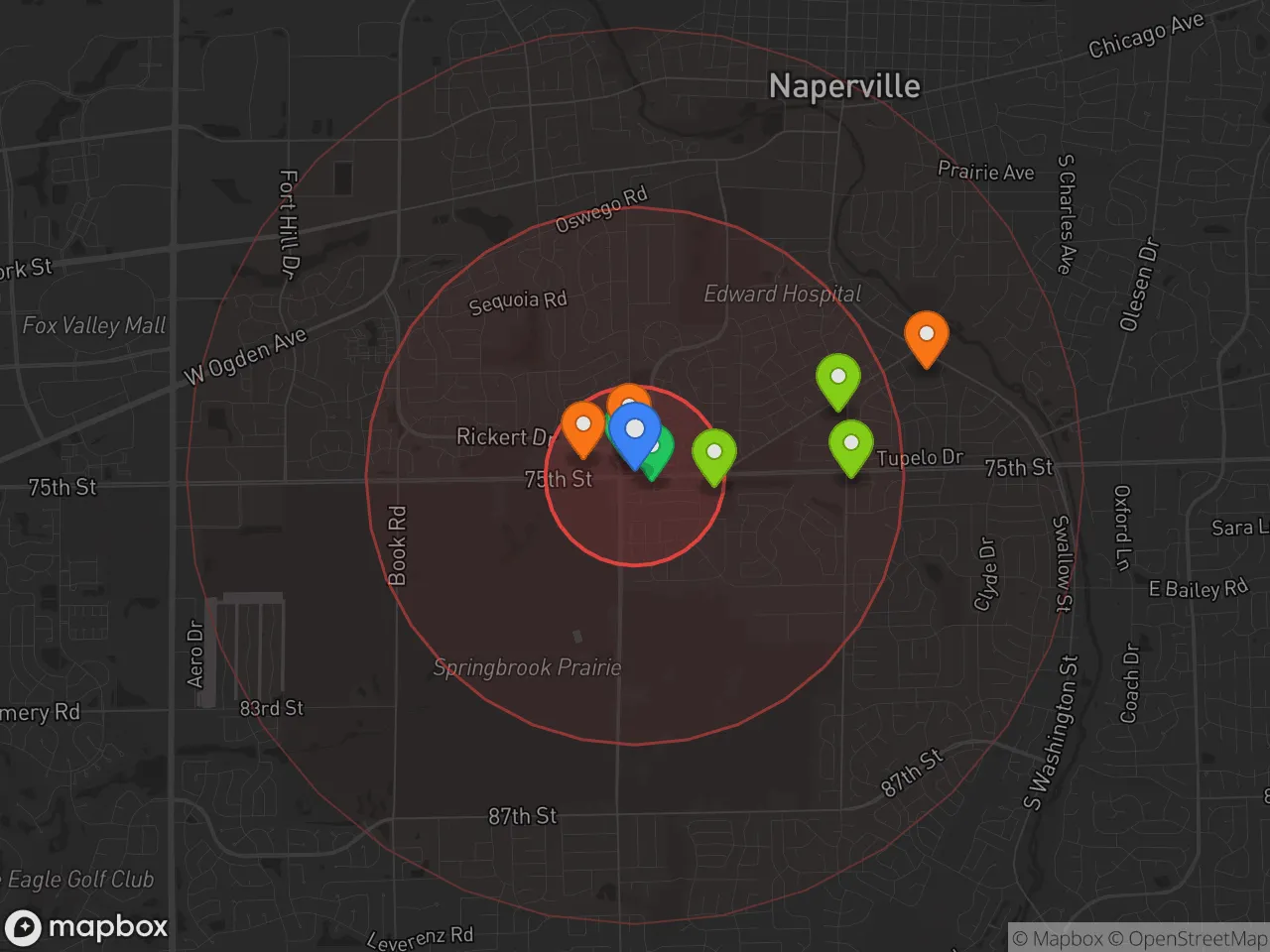
Hobbies
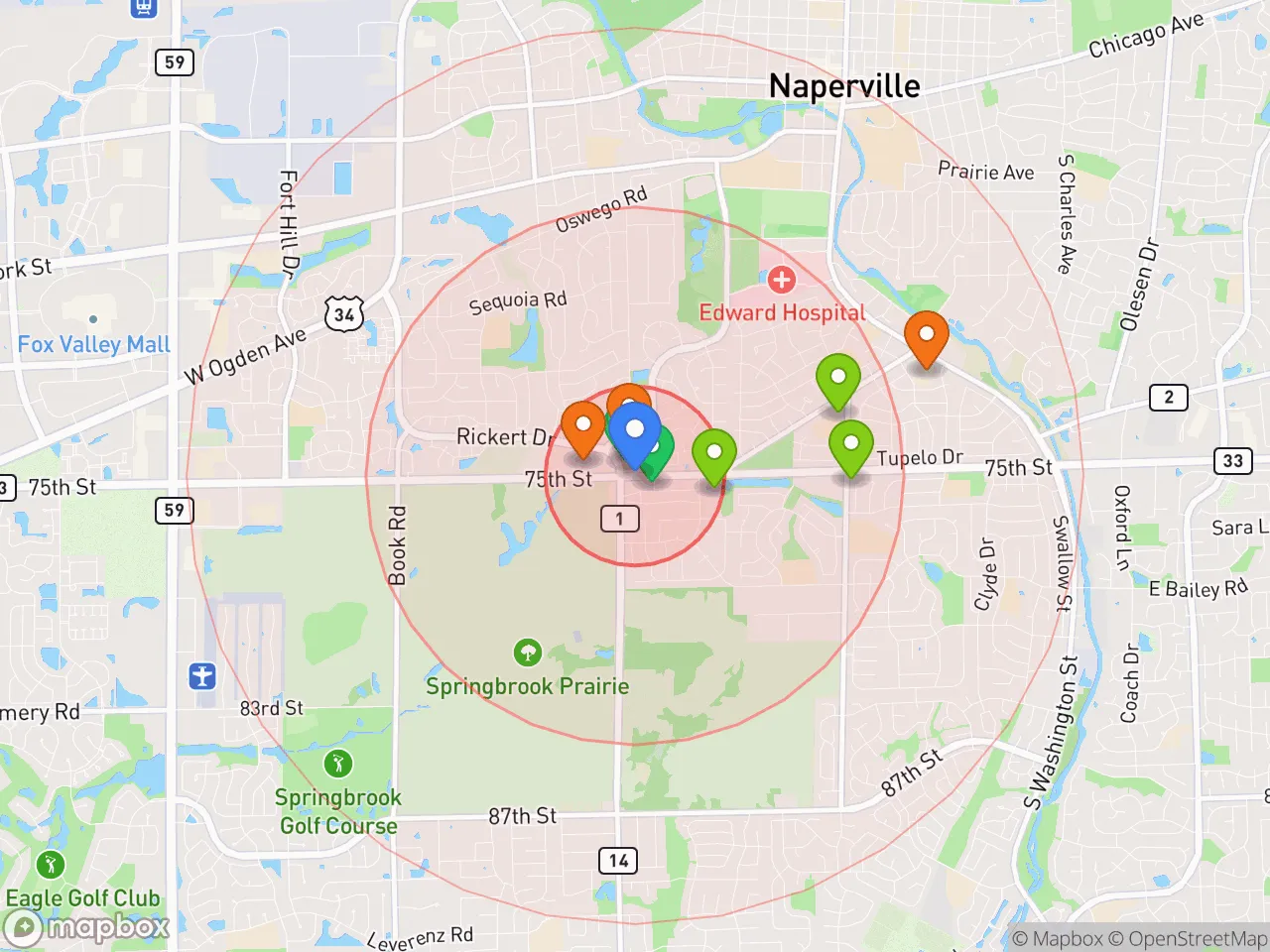
Explore the areaGroceries
9 within 10 miles
Gas
20 within 10 miles
Hospital
20 within 20 miles
Airport
ORD — O'Hare International
Post Office
USPS — Naperville, IL
Critical Amenities
Quality-of-Life Analysis
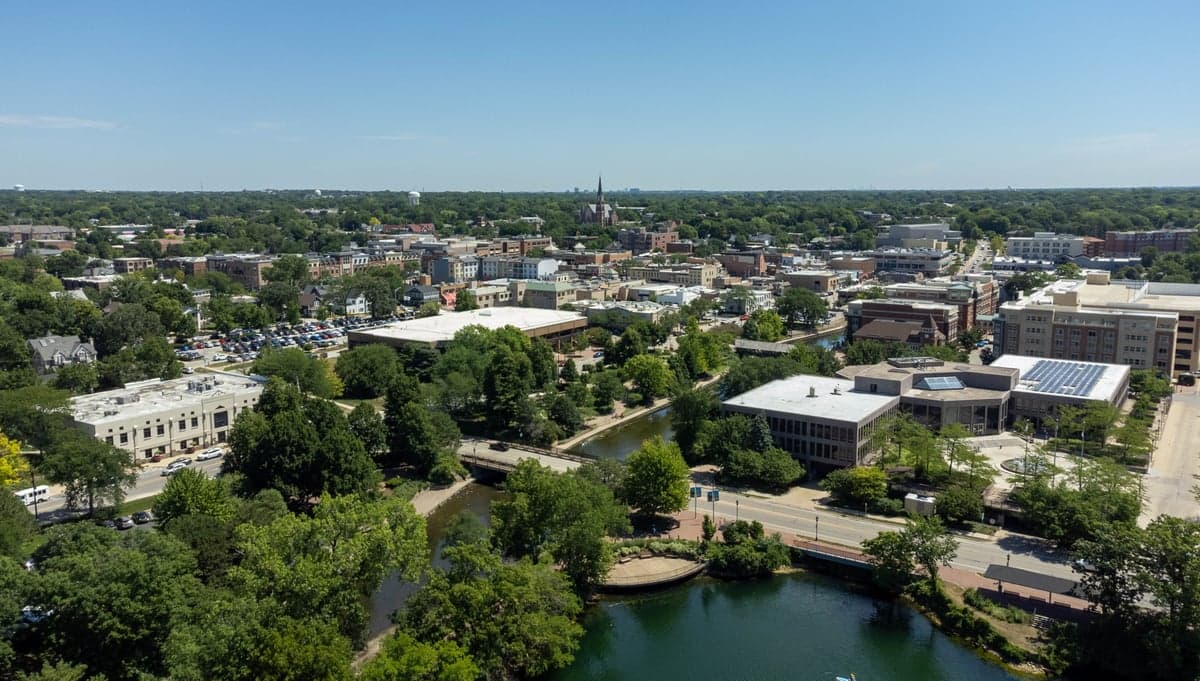
Naperville, Illinois, is one of the most affluent suburbs in the Chicago metropolitan area, consistently ranking among the best places to live in the United States. The city attracts a dense population of highly educated professionals, corporate executives, and families drawn by top-tier public schools, low crime rates, and a robust local economy anchored by major employers like BP, Nokia, and Edward-Elmhurst Health. With a population exceeding 150,000, Naperville offers a blend of upscale suburban living and urban-level amenities that appeals strongly to dual-income households and those prioritizing long-term community investment.
Cost of living and housing affordability compared to Chicago and nearby suburbs
Naperville’s cost of living index stands at 168, well above the national average of 100, reflecting its premium positioning in the western suburbs. The median home value is $509,900, significantly higher than the Chicago metro median of roughly $290,000, though comparable to peer suburbs like Hinsdale or Glen Ellyn. Median rent sits at $1,852, which is about 30% higher than the national median rent of $1,400, making renting a less common long-term strategy here. The average commute time of 31.4 minutes is slightly above the national average of 26 minutes, driven by the many residents who commute to downtown Chicago via Metra’s BNSF Railway line or drive to office parks in Lisle and Warrenville. Property taxes in Naperville are high — typical for Illinois — with effective rates around 2.1% of assessed value, which adds roughly $10,700 annually on a median-priced home. For buyers, this means the true monthly cost of ownership often exceeds the rent figure, though home equity appreciation has historically outpaced the national average.
Schools, parks, and daily life for families and professionals
Naperville’s daily rhythm is defined by its nationally recognized public school system, with Naperville Community Unit School District 203 and Indian Prairie School District 204 both earning consistent top-10 rankings in Illinois. The city operates over 130 parks and 13 miles of riverwalk along the DuPage River, with the Naperville Riverwalk serving as a central gathering point for summer concerts, farmers markets, and holiday events. The downtown area, centered around Main Street and Jefferson Avenue, features a walkable mix of independent boutiques, restaurants, and the historic Nichols Library. For professionals, the presence of large corporate campuses in nearby Lisle and Warrenville means many residents have commutes under 15 minutes, while the Metra station offers a 45-minute express ride to Chicago’s Ogilvie Transportation Center. Crime rates are exceptionally low — Naperville’s violent crime rate is roughly 0.8 per 1,000 residents, compared to the national average of 4.0 — which reinforces its reputation as a safe, family-oriented environment.
Naperville is best suited for families and professionals who prioritize school quality, safety, and community infrastructure over lower housing costs. The high cost of living and property taxes make it a challenging entry point for first-time buyers or renters on a median national income, but for dual-income households earning above $150,000 annually, the trade-off for top-ranked schools, low crime, and strong home value appreciation is compelling. Empty nesters and retirees also find the city attractive due to its walkable downtown, extensive park system, and proximity to high-quality healthcare at Edward Hospital. Those seeking a more affordable or urban lifestyle may prefer neighboring suburbs like Aurora or Lisle, but for residents who can absorb the premium, Naperville delivers one of the highest quality-of-life returns in the Midwest.

Crime in Naperville, IL
Lower crime rates than 91% of comparable U.S. locations.
Violent CrimeViolent Crime Analysis
Property CrimeProperty Crime Analysis
Crime Analysis
Naperville is one of the safest large suburbs in the Chicago metropolitan area, with violent and property crime rates that are a fraction of both the Illinois state average and the national median. The city recorded a violent crime rate of 70.1 incidents per 100,000 residents and a property crime rate of 563.4 per 100,000 in the most recent reporting period. These figures place Naperville among the top-tier safest cities in the U.S. for its population size, though residents should remain aware of property-related risks and the broader regional context of progressive criminal justice policies.
Crime in context
Naperville’s violent crime rate is roughly 80% lower than the national average and about 85% lower than the Illinois state average, which is elevated by Chicago’s urban violence. The property crime rate is similarly low—approximately 60% below the national median. For comparison, the nearby city of Aurora (population ~200,000) reports violent crime rates nearly four times higher than Naperville’s, while Chicago’s rate is over ten times higher. However, Naperville sits within DuPage and Will Counties, both of which have elected progressive state’s attorneys and judges who have implemented cash bail reform, reduced sentencing guidelines for nonviolent offenses, and emphasized diversion programs. Critics argue these policies contribute to a revolving-door justice system that can embolden repeat property offenders and reduce deterrence, a concern shared by many suburban residents who commute to Chicago or live near regional transit hubs.
What residents experience
In practice, Naperville’s low crime numbers mean most residents go years without encountering a serious incident. The most common crimes are theft from vehicles, package theft, and occasional burglaries in neighborhoods near the Metra train stations or the I-88 corridor. The Naperville Police Department maintains a proactive community policing model, with a dedicated crime prevention unit and a real-time crime center that uses license plate readers and surveillance cameras. However, the progressive legal environment in DuPage County means that even when arrests are made, offenders—particularly juveniles and first-time property criminals—are often released on electronic monitoring or into diversion programs rather than facing jail time. This can create a perception gap: official statistics show safety, but residents may notice repeat nuisance crimes in their neighborhoods, especially near apartment complexes and commercial districts along Route 59 and Ogden Avenue.
Neighborhood-level variation is modest but real. The highest property crime rates cluster around the downtown Naperville area, the Fox Valley Mall corridor, and the apartment-heavy areas near I-88. The lowest crime rates are found in the far west side (near the Will County line) and the established single-family-home neighborhoods east of Washington Street. Violent crime is extremely rare citywide, with most incidents being domestic-related or occurring between known parties rather than random attacks. For families and professionals prioritizing safety, Naperville remains a strong choice—provided they understand that the surrounding county’s justice policies may not align with a zero-tolerance approach to crime.
* Values derived from national, state, county, city and local statistics and may differ in a specific area. Last updated: 2026-04-24T14:16:35.000Z
Narrative content on this page is AI-generated and may contain mistakes. Verify any details that matter before acting on them.
ReloMaps may earn a commission from affiliate links at no extra cost to you.

