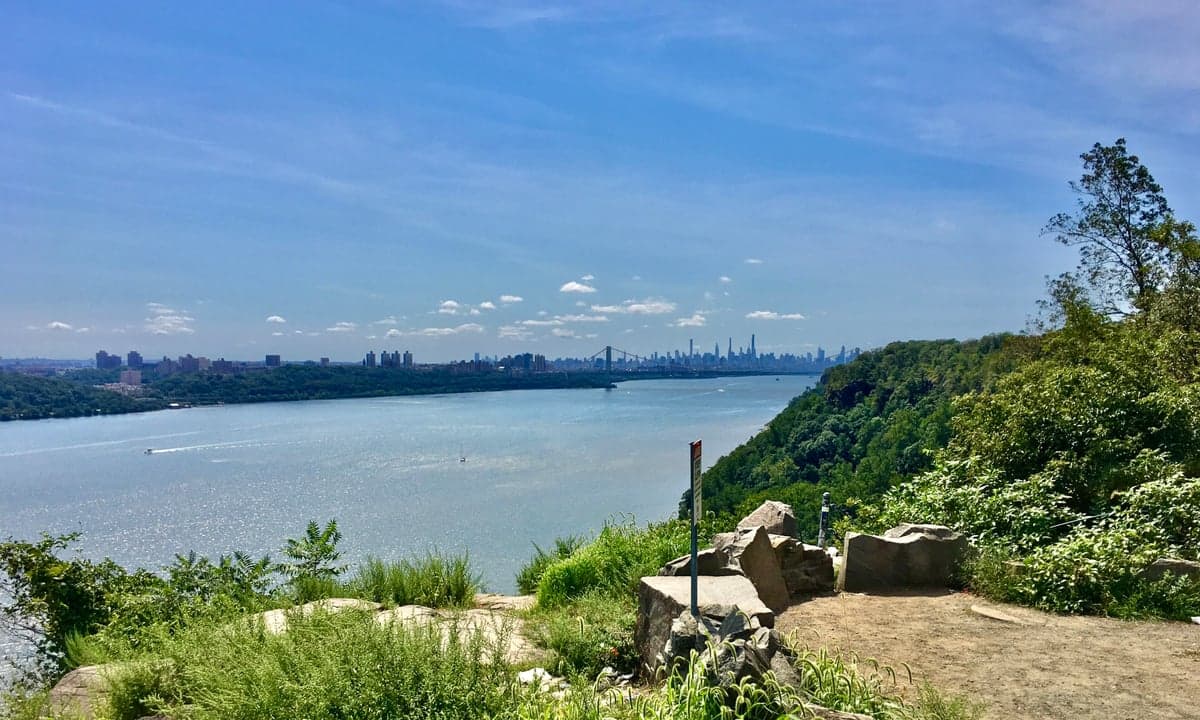
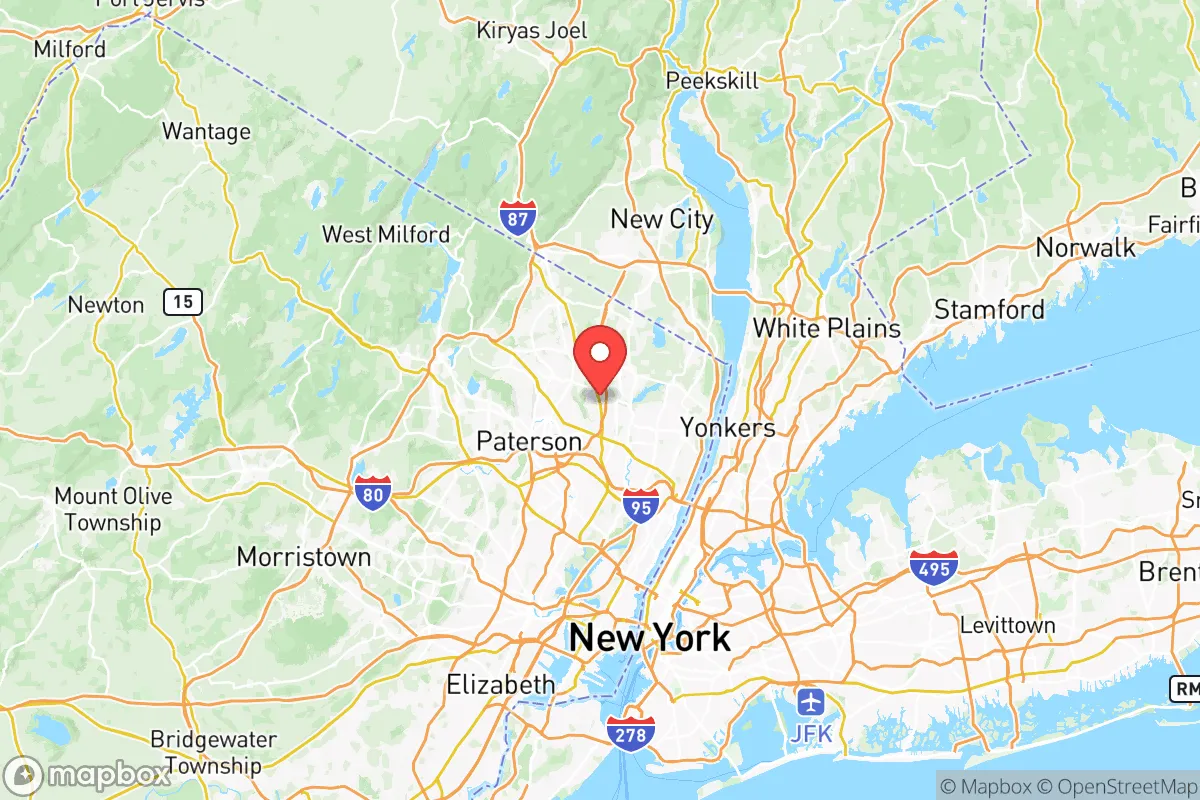
Photo: Wikipedia
Personal Sovereignty in Bergen County
Viable for self-reliance. Generally workable, though some barriers may limit total independence.
What does Personal Sovereignty tell us?
Personal Sovereignty measures your capacity for self-reliance and independence with minimal government friction. Higher scores mean fewer barriers between you and the way you want to live... but it assumes you have the space you need and good neighbors.
What does this tell us?
Personal Sovereignty measures your capacity for self-reliance and independence with minimal government friction. Higher scores mean fewer barriers between you and the way you want to live... but it assumes you have the space you need and good neighbors.
State Policy
Energy independence: Importer (8% of energy produced in-state)
Personal Liberty
Homesteading

Personal Liberty Analysis
Bergen County, New Jersey, presents a complex and often contradictory environment for personal sovereignty, where high taxes and dense state regulations clash with pockets of individual liberty and community resilience. For the conservative-leaning individual or parent evaluating relocation, the county offers strong property rights and a robust local economy but demands a strategic approach to navigating New Jersey’s broader progressive policy framework. The autonomy you can carve out here depends heavily on your specific town—from the more rural, self-reliant enclaves of Mahwah and Franklin Lakes to the denser, more regulated suburbs like Hackensack or Teaneck.
Tax burden and regulatory posture: What you pay for the privilege of living here
New Jersey’s tax burden is among the highest in the nation, and Bergen County is the epicenter of that reality. The average effective property tax rate hovers around 2.3%, meaning a $500,000 home carries an annual tax bill of roughly $11,500. This is not a place for those seeking to minimize government overhead. The state’s regulatory posture is aggressive—from strict environmental DEP rules that can delay home renovations to a complex permitting system for any structural changes. However, Bergen County towns vary significantly. Mahwah and Ramsey have more business-friendly zoning that supports light industry and self-employment, while Englewood and Teaneck impose stricter rent control and commercial overlay districts. The state’s income tax is progressive, topping out at 10.75% for high earners, which directly impacts disposable income for savings, firearms, or land improvements. For the prepper, this means every dollar earned is heavily taxed before you can allocate it to self-reliance projects.
Self-defense and gun law specifics: Navigating the Garden State’s restrictions
New Jersey has some of the most restrictive gun laws in the country, and Bergen County enforces them rigorously. The state requires a Firearms Purchaser Identification Card (FPIC) for long guns and a separate Permit to Purchase a Handgun, each involving background checks, fingerprinting, and references. The carry permit process, post-Bruen, remains onerous with a "justifiable need" standard that is still litigated. Magazine capacity is capped at 10 rounds, and "assault weapons" are broadly defined, banning many common AR-15 platforms. In Bergen County, the sheriff’s office in Hackensack is known for slow processing times, while smaller towns like Wyckoff or Allendale may have more efficient, though still strict, local police departments handling permits. For the survivalist, this means stockpiling ammunition and firearms requires careful legal navigation—you cannot simply buy what you want. The state also has a "safe storage" law that mandates firearms be locked away, which conflicts with the concept of immediate home defense. If self-defense is a top priority, Bergen County is a compromise: you can own firearms, but the process is deliberately burdensome.
Self-reliance and homesteading viability: Lot sizes, zoning, and off-grid feasibility
Bergen County is not a homesteader’s paradise, but it offers more space than most people realize. The northwestern towns—Mahwah, Franklin Lakes, Oakland, and Ramsey—feature larger lots, often 1 to 5 acres, with some rural pockets where you can keep chickens, bees, and even small livestock under local ordinances. Mahwah allows backyard chickens with a permit, while Teaneck and Hackensack restrict them entirely. Off-grid living is nearly impossible due to state building codes that mandate grid connection for new construction, but existing homes in Franklin Lakes can install solar panels with net metering, and rainwater collection for irrigation is permitted in most towns. Zoning in Wyckoff and Allendale is protective of single-family character, meaning you can build a workshop or greenhouse without HOA interference. However, the state’s energy regulations make full off-grid solar battery systems expensive and subject to utility approval. For the prepper, the best strategy is to buy in a town with acreage and a well—Mahwah and Oakland have many such properties—and accept that you’ll remain grid-tied but can supplement with gardens and small-scale food production.
Personal liberties: Parental rights, medical autonomy, speech, and property
Parental rights in Bergen County are a mixed bag. New Jersey has a strong progressive education system, and school boards in Teaneck and Englewood have adopted LGBTQ-inclusive curricula that some conservative parents find intrusive. However, towns like Wyckoff and Ramsey have more traditional school boards, and the state’s "opt-out" provisions for sex education are available but require active parental intervention. Medical autonomy is limited: New Jersey has strict vaccine mandates for school attendance, and COVID-era executive orders demonstrated the state’s willingness to impose public health measures. Property rights are stronger than in many states—eminent domain is rare in Bergen County, and zoning boards generally respect existing use. Free speech is protected, but local ordinances in Hackensack and Teaneck regulate signage and public gatherings more heavily than in Mahwah or Franklin Lakes. For the conservative individual, the key is choosing a town where the local culture aligns with your values—Wyckoff and Allendale are known for their strong civic engagement and conservative-leaning populations, while Teaneck is more progressive. Property taxes fund local schools, so you pay directly for the educational environment your children experience.
Overall, personal sovereignty in Bergen County is a trade-off: you get strong property rights, a low-crime environment, and access to New York City’s economic opportunities, but you pay heavily in taxes and navigate a dense regulatory state. For the survivalist or prepper, the county offers a strategic location—close to resources, with rural pockets in Mahwah and Franklin Lakes that allow for self-reliance—but it is not a libertarian haven. Compared to rural Pennsylvania or upstate New York, Bergen County is far more restrictive on firearms and off-grid living. Compared to urban areas like Newark or Jersey City, it offers more space and community cohesion. The best approach is to target towns with larger lots, conservative local governance, and efficient permit processes—Wyckoff, Allendale, and Mahwah stand out. If you value autonomy above all else, look elsewhere; but if you need proximity to economic hubs and are willing to fight for your rights within a system, Bergen County can work—if you choose your town wisely.

* Values derived from national, state, county, city and local statistics and may differ in a specific area. Last updated: 2026-05-12T00:26:51.000Z
Narrative content on this page is AI-generated and may contain mistakes. Verify any details that matter before acting on them.
ReloMaps may earn a commission from affiliate links at no extra cost to you.

