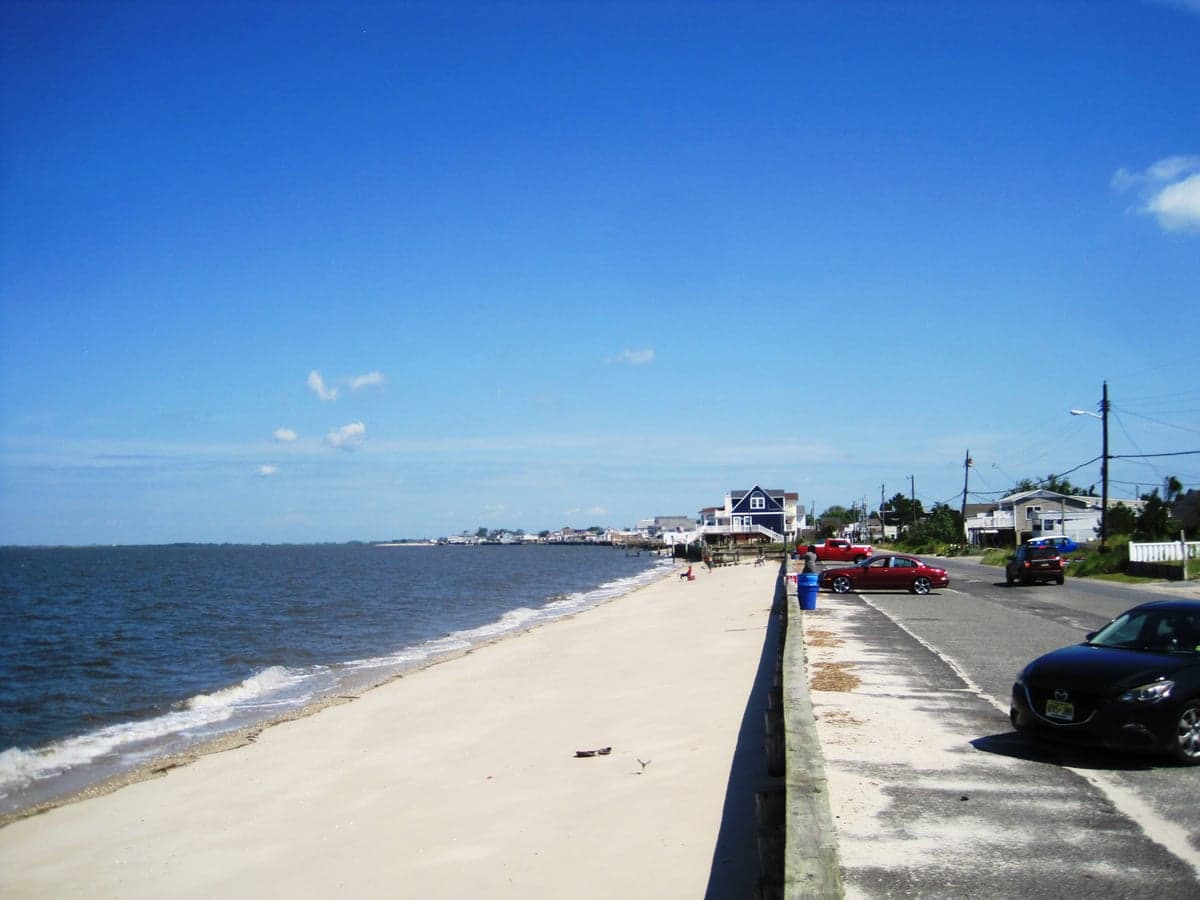
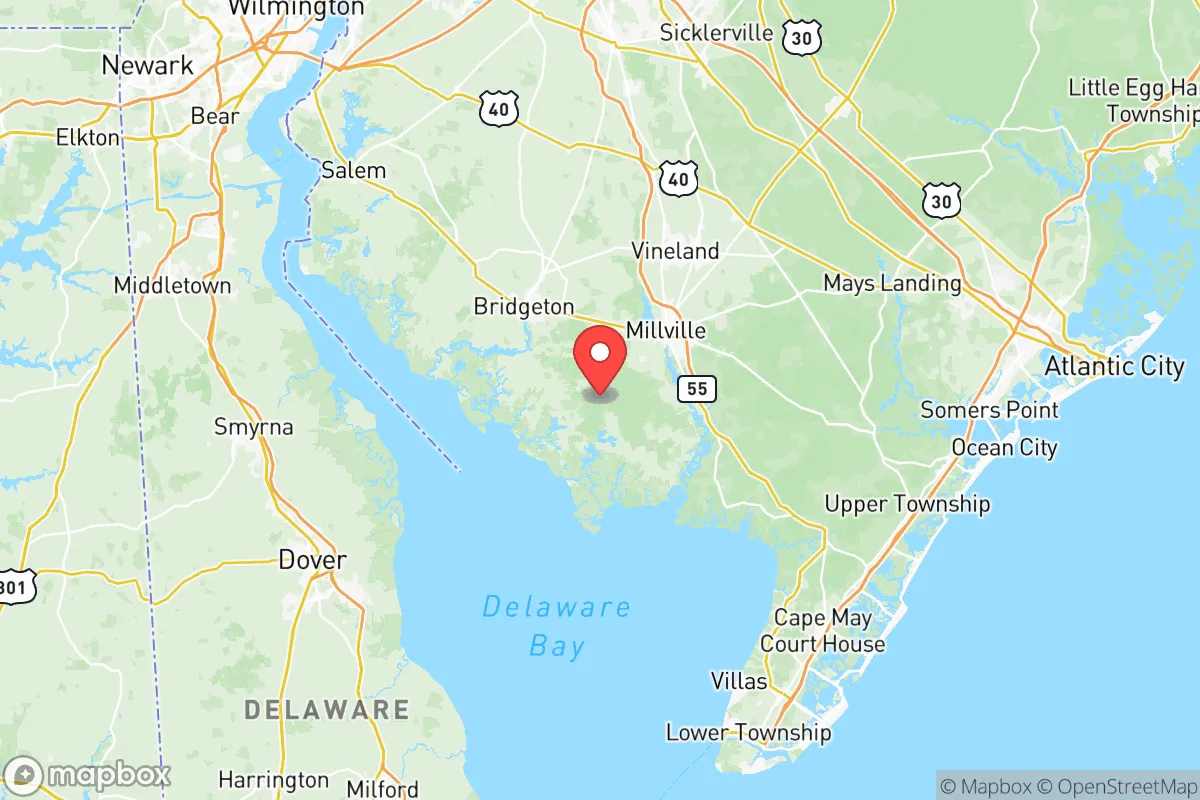
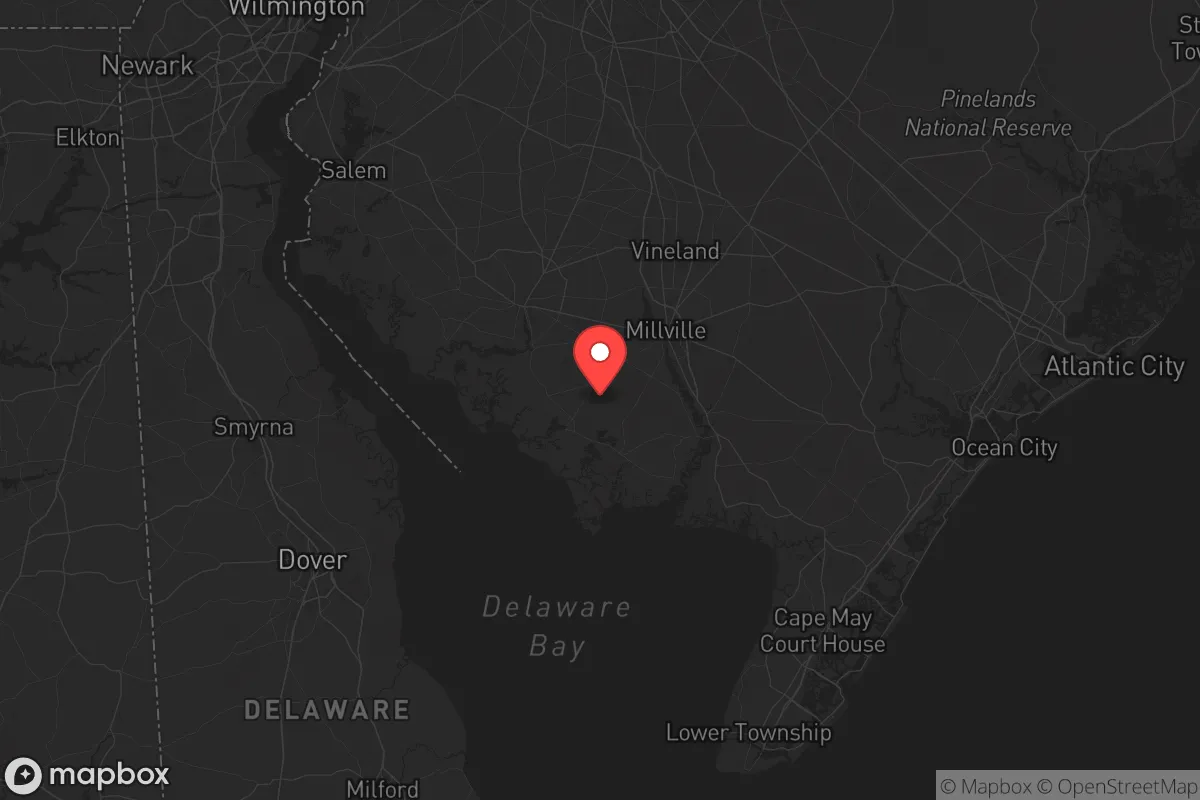
Photo: Wikipedia
Quality of Life in Cumberland County
A livable area that tracks near national norms for affordability, walkability, and neighborhood health.
What does Quality of Life tell us?
Quality of Life measures an area by evaluating factors like cost of living, nearby amenities, country club access, airport proximity, socioeconomic signals and neighborhood character. For large states, this is a general average — quality of life can vary dramatically between metro areas, suburbs, and rural communities within the same state.
What does this tell us?
Quality of Life measures an area by evaluating factors like cost of living, nearby amenities, country club access, airport proximity, socioeconomic signals and neighborhood character. For large states, this is a general average — quality of life can vary dramatically between metro areas, suburbs, and rural communities within the same state.
Cost of Living
6% below national average
110%
The Real Cost of Living in Cumberland County for 2026
| Tier | Individual | Family (4) |
|---|---|---|
| Survival | $20k | $38k |
| Comfortable | $40k | $59k |
| Luxury | $117k+ | $181k+ |
| Elite (Top 5%) | $163k+ | $252k+ |
Quality-of-Life Analysis
Cumberland County, New Jersey, offers a broad spectrum of quality-of-life options, ranging from the historic, walkable streets of its largest city to the quiet, agricultural hamlets that dot its rural interior. This diversity attracts a mix of residents: young professionals and commuters seeking affordability near the shore, families drawn to small-town school districts, and retirees looking for low property taxes and a slower pace. The county’s character is defined by this contrast, where the urban energy of a county seat meets the pastoral calm of century-old farm communities.
Largest town(s) & population centers
The county’s primary population center is Vineland, a city of roughly 60,000 residents that functions as a regional hub for retail, healthcare, and employment. Daily life in Vineland is defined by its grid of suburban neighborhoods, strip malls along Delsea Drive, and a growing industrial base in food processing and logistics. Millville, the second-largest city, offers a more compact downtown anchored by the historic Levoy Theatre and the Wheaton Arts glassmaking complex. Both cities provide a range of housing from older Victorians to newer subdivisions, with median home values around $205,600 and median rents of $1,254, making them significantly more affordable than coastal New Jersey. The average commute of about 25 minutes is manageable, though many residents travel to Atlantic City or Philadelphia for work.
Smaller towns & rural pockets
Beyond the urban core, Cumberland County is dotted with distinct smaller communities. Bridgeton, the county seat, retains a historic downtown with a courthouse square and the Cohanzick Zoo, but faces economic challenges that keep home prices among the lowest in the state. Upper Deerfield Township and Hopewell Township are predominantly rural, with large tracts of farmland, horse pastures, and scattered subdivisions. The unincorporated village of Port Norris, near the Delaware Bay, offers a fishing-village atmosphere with access to the Bayshore Discovery Project. Further east, Fairton and Deerfield Street are tiny crossroads communities where life revolves around local diners, volunteer fire departments, and agricultural supply stores. These areas attract residents seeking land, privacy, and a connection to the region’s farming heritage.
Cost & lifestyle range
The cost of living varies noticeably across the county, though it remains well below the national average with a cost-of-living index of 94. At the lower end, Bridgeton and parts of Millville offer homes under $150,000, attracting first-time buyers and investors. At the higher end, newer developments in Vineland’s southeast quadrant and lakefront properties around Union Lake can exceed $350,000, offering suburban amenities like community pools and golf courses. Lifestyle options follow a similar spectrum: Vineland and Millville provide chain restaurants, big-box retail, and medical facilities, while rural towns like Greenwich Township and Stow Creek Township offer little more than a general store and a post office. Residents in the rural pockets often drive 20-30 minutes to Vineland or Bridgeton for groceries and services, trading convenience for quiet and space.
This county works best for people who value affordability and space over urban amenities. Commuters willing to drive 45-60 minutes to Philadelphia or Wilmington find some of the cheapest housing in the Northeast. Families seeking good schools often gravitate to Upper Deerfield or Hopewell Township, while retirees and outdoor enthusiasts appreciate the low taxes and proximity to the Delaware Bay’s wildlife refuges. For those who need walkable neighborhoods, nightlife, or rapid transit, Cumberland County will feel isolated. But for anyone prioritizing a low cost of living, a slower rhythm, and room to breathe, it offers a genuine alternative to the crowded suburbs of northern New Jersey.

Crime in Cumberland County
Generally safer than 65% of comparable U.S. locations.
Violent CrimeViolent Crime Analysis
Property CrimeProperty Crime Analysis
Crime Analysis
Cumberland County, New Jersey, presents a mixed safety profile, with violent crime rates significantly below national averages but property crime rates that demand attention. The county’s overall violent crime rate stands at 191.7 incidents per 100,000 residents, roughly half the national average, while its property crime rate of 1,232 per 100,000 closely mirrors the national figure. This divergence means that residents in communities like Vineland, Millville, and Bridgeton—the county’s three largest cities—face notably different risks depending on where they live, with property theft and vehicle break-ins being the most common concerns across the region.
Crime in context
When compared to New Jersey’s statewide violent crime rate of approximately 210 per 100,000, Cumberland County’s 191.7 figure places it slightly safer than the state average, though the gap is narrow. The county’s property crime rate of 1,232 per 100,000 is actually lower than New Jersey’s statewide average of roughly 1,400 per 100,000, a counterintuitive finding given the area’s reputation. However, these averages mask sharp internal disparities. Bridgeton, the county seat, reports violent crime rates nearly double the county average, driven by its higher poverty levels and concentrated urban density. In contrast, suburban and rural townships like Upper Deerfield and Hopewell Township consistently report crime rates well below the county mean, often approaching the safest decile of New Jersey municipalities. The county’s location within the broader South Jersey region—proximate to the progressive judicial philosophies of Camden County and Atlantic County—means that local district attorneys and judges in Cumberland County have, in recent years, adopted diversion programs and bail reform measures that critics argue reduce accountability for repeat offenders. This ideological tilt in the justice system, while intended to reduce incarceration, has been linked by local law enforcement to a perceived increase in property crime recidivism, particularly in Vineland and Millville, where police departments have publicly noted the revolving-door effect of progressive pretrial release policies.
What residents experience
For most residents, daily life in Cumberland County involves a low risk of violent confrontation but a moderate risk of property crime. Vehicle burglaries and package thefts are the most frequently reported incidents, especially in the parking lots of shopping centers along Route 47 and Route 55 in Vineland and Millville. Home burglaries are less common but spike during summer months when vacation homes in the county’s rural eastern townships are unoccupied. Residents in Bridgeton’s downtown core report higher rates of aggravated assault and drug-related offenses, often tied to the city’s ongoing struggle with opioid trafficking along the I-76 corridor. The county’s agricultural communities—such as Deerfield Township and Lawrence Township—experience almost no violent crime, with property crime limited to farm equipment theft and occasional trespassing. Law enforcement response times vary widely: Bridgeton and Vineland have their own police departments with response times under 5 minutes for emergencies, while rural areas rely on the Cumberland County Sheriff’s Office, where response can stretch to 15–20 minutes for non-urgent calls.
Neighborhood-level variation is pronounced, with the safest areas concentrated in the county’s northern and eastern townships. Upper Deerfield Township, Hopewell Township, and the borough of Shiloh consistently report violent crime rates below 50 per 100,000—comparable to the safest suburbs in New Jersey. Conversely, the urban cores of Bridgeton, Millville, and Vineland’s South Vineland neighborhood see violent crime rates exceeding 300 per 100,000. Property crime follows a similar pattern: the three cities account for roughly 70% of all county thefts despite containing only 55% of the population. For prospective residents, the data strongly suggests that choosing a home in the county’s smaller townships or rural areas dramatically reduces exposure to both violent and property crime, while living in the larger cities requires heightened vigilance, particularly regarding vehicle security and home alarm systems.
* Values derived from national, state, county, city and local statistics and may differ in a specific area. Last updated: 2026-06-01T06:56:54.000Z
Narrative content on this page is AI-generated and may contain mistakes. Verify any details that matter before acting on them.
ReloMaps may earn a commission from affiliate links at no extra cost to you.

