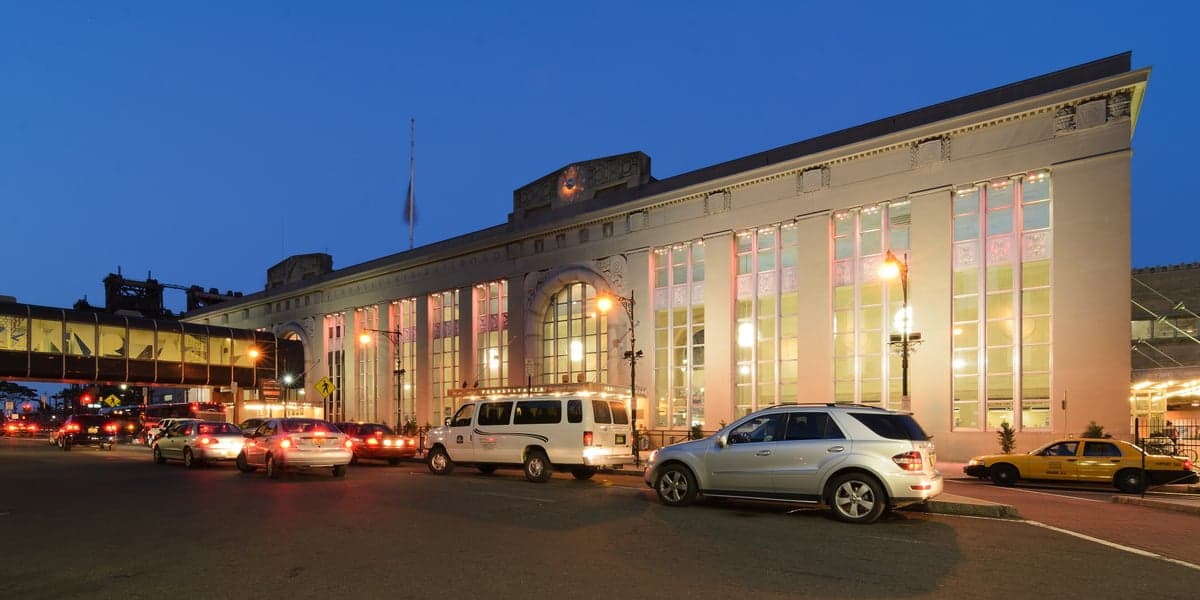
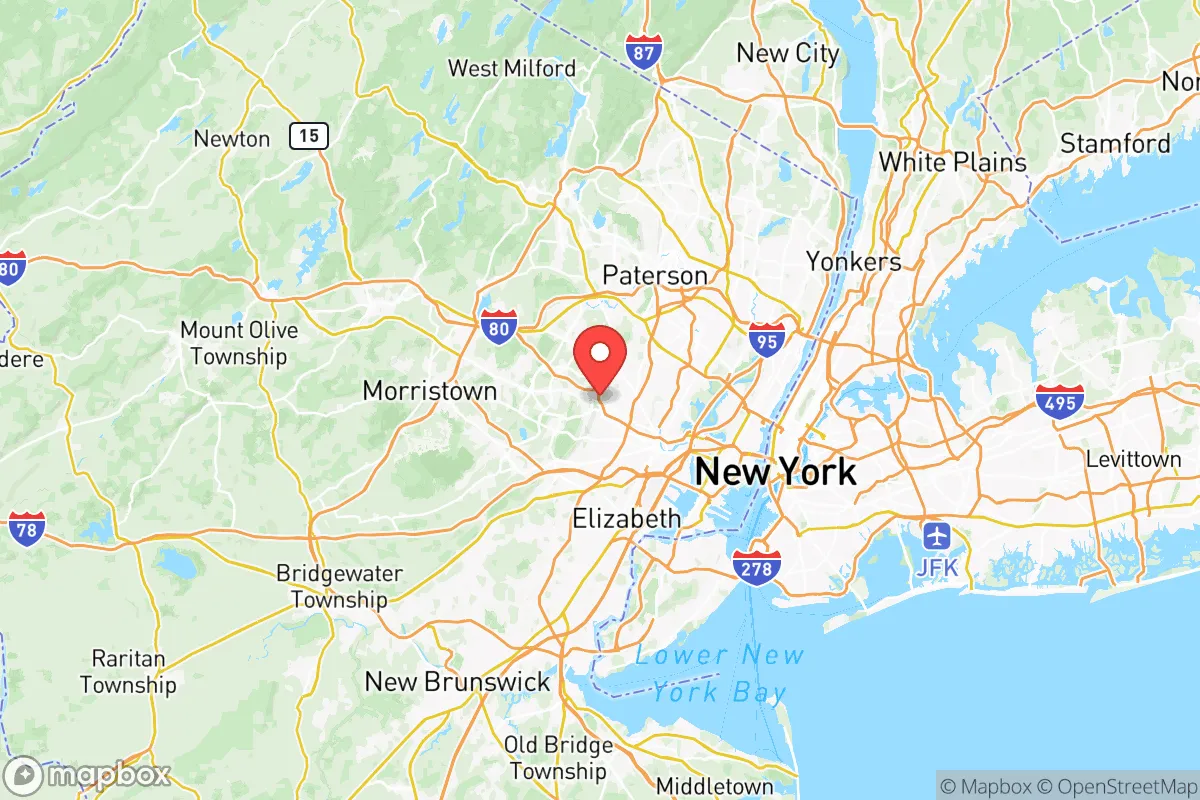
Photo: Wikipedia
Personal Sovereignty in Essex County
Viable for self-reliance. Generally workable, though some barriers may limit total independence.
What does Personal Sovereignty tell us?
Personal Sovereignty measures your capacity for self-reliance and independence with minimal government friction. Higher scores mean fewer barriers between you and the way you want to live... but it assumes you have the space you need and good neighbors.
What does this tell us?
Personal Sovereignty measures your capacity for self-reliance and independence with minimal government friction. Higher scores mean fewer barriers between you and the way you want to live... but it assumes you have the space you need and good neighbors.
State Policy
Energy independence: Importer (8% of energy produced in-state)
Personal Liberty
Homesteading

Personal Liberty Analysis
For conservative-leaning individuals and families evaluating Essex County, New Jersey, as a relocation destination, the environment for personal sovereignty presents a complex and often restrictive picture. The county, anchored by Newark and extending through suburbs like Montclair, Livingston, and Millburn, operates under some of the nation's most stringent state-level regulations, which significantly curtail individual autonomy in areas from taxation to self-defense. While pockets of relative freedom exist, particularly in the more rural western townships like West Caldwell and Verona, the overarching legal and cultural framework in Essex County leans heavily toward collective governance over individual rights, making it a challenging but not impossible location for those prioritizing personal sovereignty.
Tax burden and regulatory posture in Essex County
Essex County imposes one of the highest combined tax burdens in the United States, a critical factor for anyone prioritizing financial autonomy. The average effective property tax rate hovers around 2.5%, with homes in affluent areas like Short Hills and Glen Ridge often carrying annual bills exceeding $20,000. This is compounded by New Jersey's progressive income tax, which tops out at 10.75% for high earners, and a state sales tax of 6.625%. The regulatory posture is equally dense: zoning laws in towns like Maplewood and South Orange are notoriously strict, with extensive permitting requirements for home-based businesses, renovations, and even landscaping changes. For a prepper or survivalist mindset, this means that building a self-sufficient homestead or running a small-scale enterprise from your property is often met with bureaucratic hurdles. The state's Uniform Construction Code and local environmental commissions in towns like Nutley and Belleville add layers of oversight that can stifle rapid, independent action. In contrast, more rural areas like Caldwell and Fairfield offer slightly looser zoning, but still operate under the same state-level tax and regulatory umbrella, meaning no true escape from the high cost of personal autonomy.
Self-defense and gun law specifics in Essex County
For those concerned with the right to self-defense, Essex County is among the most restrictive jurisdictions in the country. New Jersey's Firearms Purchaser Identification Card (FPID) requirement and "may-issue" concealed carry regime create significant barriers. Even after the 2022 Supreme Court decision in NYSRPA v. Bruen, the state has implemented a "sensitive places" law that effectively bans firearms in most public spaces, including parks, libraries, and public transportation hubs. In Essex County, obtaining a carry permit requires a demonstrated "justifiable need," which is rarely granted for general self-defense. Towns like Newark and Irvington have additional local ordinances that further restrict firearm storage and transport. For a prepper, this means that stockpiling ammunition or maintaining a home arsenal for SHTF scenarios is legal but heavily regulated, with mandatory safe storage laws that can be enforced during routine inspections. The county's gun-free school zones and domestic violence firearm surrender laws are aggressively enforced. While some residents in more conservative-leaning towns like Verona and West Orange may own firearms for hunting or sport, the overall culture is one of compliance rather than resistance. For those prioritizing the right to bear arms without government interference, Essex County is a poor fit compared to states like Texas or Florida.
Self-reliance and homesteading viability in Essex County
Homesteading and off-grid living face severe practical limitations in Essex County due to high population density and restrictive zoning. The average lot size in suburban towns like Livingston and Millburn is 0.25 to 0.5 acres, with many homes on smaller parcels in Montclair and Bloomfield. Raising livestock—such as chickens or goats—is outright banned in most municipalities, with exceptions only in rural pockets like North Caldwell and Essex Fells, where larger lots (1-2 acres) allow for limited agricultural use. Off-grid systems like solar panels, rainwater collection, and composting toilets are subject to strict building codes and health department approvals. For example, installing a solar array requires interconnection agreements with PSE&G, the dominant utility, and net metering is capped. Rainwater harvesting for potable use is illegal under state health codes, and composting toilets must meet NJDEP standards that are nearly impossible for a DIY setup. The county's soil contamination history in areas like Newark and the Ironbound district further complicates gardening. For a prepper seeking true self-reliance, the best option is to look at the western edge of the county—towns like West Caldwell and Fairfield—where larger lots and less dense development offer slightly more room for a garden, a small workshop, and emergency supplies. However, even there, the regulatory environment makes full off-grid living a legal gray area at best.
Personal liberties in Essex County: parental rights, medical autonomy, speech, and property
Personal liberties in Essex County are shaped by a progressive political culture that often prioritizes collective well-being over individual choice. Parental rights are a flashpoint: the state's Opt-Out Law for sex education and LGBTQ-inclusive curriculum was weakened in 2024, meaning parents in districts like Montclair and South Orange have limited ability to exempt their children from controversial content. Medical autonomy is similarly constrained—New Jersey's vaccine mandates for school attendance are among the strictest nationally, and the state's Medical Aid in Dying for the Terminally Ill Act (2019) reflects a broader acceptance of government-facilitated end-of-life decisions. For a conservative concerned with bodily autonomy, this creates a paradox: the state restricts your right to refuse a vaccine but grants you the right to physician-assisted suicide. Free speech is protected under the First Amendment, but local ordinances in Newark and East Orange impose noise and assembly restrictions that can limit protest or public expression. Property rights are heavily curtailed by eminent domain powers, as seen in the Kelo v. City of New London precedent, which New Jersey has aggressively applied for redevelopment projects in Newark and Bloomfield. For a prepper, this means that your property could be seized for a "public purpose" like a transit hub or mixed-use development, with compensation often below market value. The New Jersey Anti-Eviction Act also gives tenants strong protections, which can complicate landlord-tenant relationships for those seeking rental income.
In summary, Essex County offers a low level of personal sovereignty relative to other regions in the United States, particularly when compared to the Mountain West or the South. The combination of high taxes, restrictive gun laws, limited homesteading viability, and progressive social policies creates an environment where individual autonomy is constantly negotiated against state and local authority. For a conservative-leaning prepper or survivalist, the best strategy is to target the western suburbs—West Caldwell, North Caldwell, and Fairfield—where larger lots and slightly more conservative local governance provide breathing room. However, even there, the state's overarching regulatory framework means that true self-reliance is a matter of working within the system, not escaping it. For those who prioritize maximum personal sovereignty, Essex County is a location to approach with caution, understanding that every decision—from building a shed to buying ammunition—will involve a permit, a fee, or a legal consultation.

* Values derived from national, state, county, city and local statistics and may differ in a specific area. Last updated: 2026-05-12T00:42:13.000Z
Narrative content on this page is AI-generated and may contain mistakes. Verify any details that matter before acting on them.
ReloMaps may earn a commission from affiliate links at no extra cost to you.

