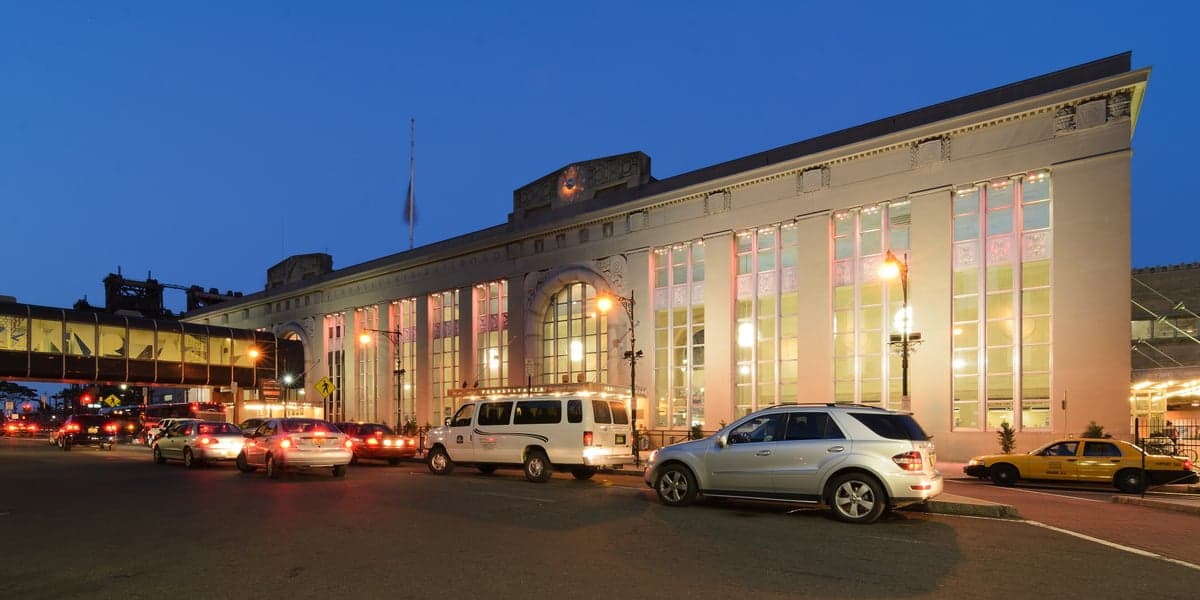
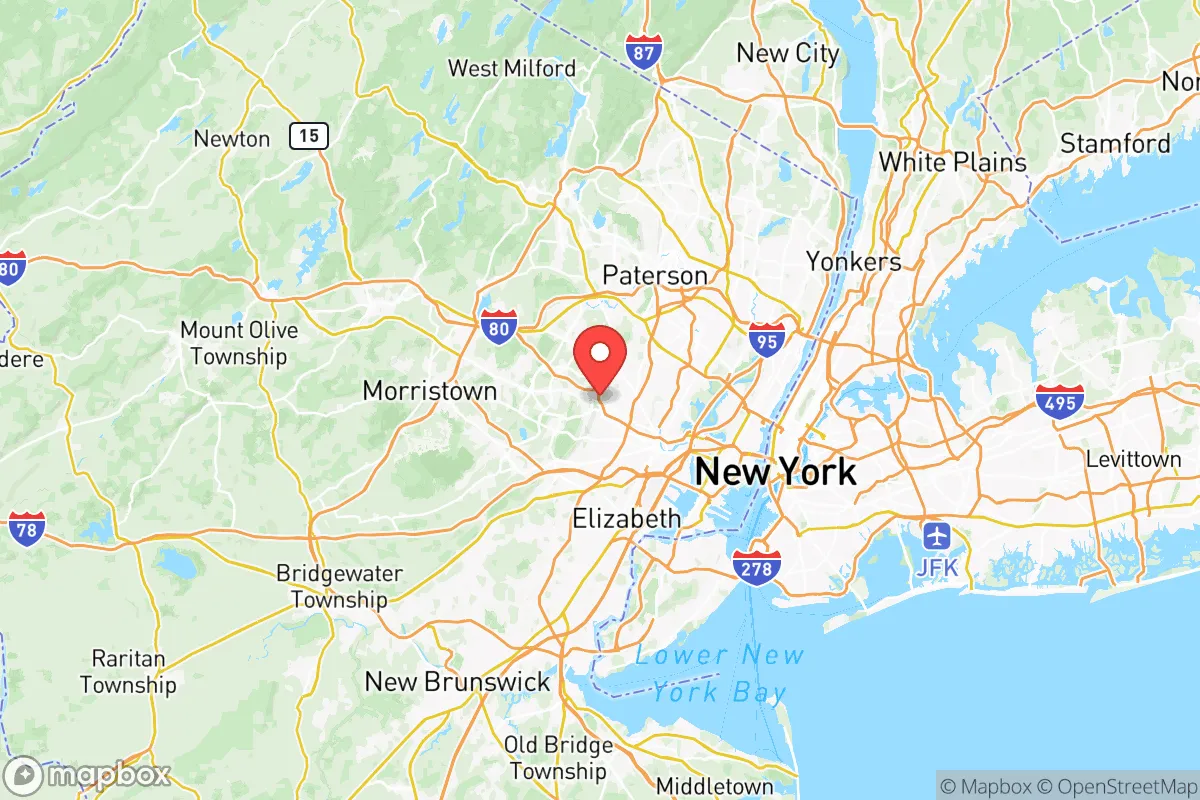
Photo: Wikipedia
Quality of Life in Essex County
A livable area that tracks near national norms for affordability, walkability, and neighborhood health.
What does Quality of Life tell us?
Quality of Life measures an area by evaluating factors like cost of living, nearby amenities, country club access, airport proximity, socioeconomic signals and neighborhood character. For large states, this is a general average — quality of life can vary dramatically between metro areas, suburbs, and rural communities within the same state.
What does this tell us?
Quality of Life measures an area by evaluating factors like cost of living, nearby amenities, country club access, airport proximity, socioeconomic signals and neighborhood character. For large states, this is a general average — quality of life can vary dramatically between metro areas, suburbs, and rural communities within the same state.
Cost of Living
45% above national average
54%
The Real Cost of Living in Essex County for 2026
| Tier | Individual | Family (4) |
|---|---|---|
| Survival | $23k | $44k |
| Comfortable | $96k | $141k |
| Luxury | $139k+ | $215k+ |
| Elite (Top 5%) | $238k+ | $368k+ |
Quality-of-Life Analysis
Essex County, New Jersey offers one of the most dramatic quality-of-life spectrums in the New York metropolitan area, ranging from the dense, transit-oriented urban core of Newark to the leafy, historic suburbs of Montclair and the semi-rural, wooded enclaves of the county's western edge. The county's character shifts block by block, drawing professionals who need a 20-minute PATH ride to Manhattan, families seeking top-ranked school districts, and long-time residents who value deep community roots in smaller, quieter pockets. With a cost-of-living index of 145 (45% above the national average) and an average commute of 34 minutes, the trade-offs between space, convenience, and price are sharply defined across its 22 municipalities.
Largest town(s) & population centers
Newark, the county seat and New Jersey's largest city, anchors the eastern side with a population exceeding 310,000. Daily life here is defined by high-density living, a 24/7 transit hub at Newark Penn Station (with NJ Transit, PATH, and Amtrak), and a growing arts and dining scene in the Ironbound district. Bloomfield and Belleville function as dense, walkable inner-ring suburbs with strong bus and rail connections, while East Orange and Irvington offer more affordable housing stock within a short commute to Newark or Manhattan. These population centers are characterized by rowhomes, multi-family buildings, and a reliance on public transit; the median rent of $1,459 reflects the lower end of the county's housing spectrum, though units in these towns often fall below that figure in older buildings.
Smaller towns & rural pockets
West of the urban core, Essex County opens into a patchwork of smaller communities and surprisingly rural landscapes. Montclair is the county's most famous suburb, known for its vibrant downtown, historic Victorians, and highly rated public schools, but it is not rural. For true rural character, West Caldwell, North Caldwell, and Essex Fells offer large-lot zoning, wooded streets, and a quiet, car-dependent lifestyle. The Verona and Cedar Grove area, nestled against the Watchung Mountains, provides hiking access at Hilltop Reservation and a small-town feel with no direct rail service. Glen Ridge is a tiny, walkable borough (population ~7,500) with a historic district and a strong sense of community. These smaller towns are where the county's median home value of $494,400 can feel like a bargain or a stretch depending on the specific block; a 3-bedroom colonial in Essex Fells can easily exceed $700,000, while a similar home in Cedar Grove might land closer to $450,000.
Cost & lifestyle range
The cost spread across Essex County is wide and directly tied to school quality, commute time, and housing density. At the high end, Montclair and South Orange command premium prices—Montclair's median home value hovers around $650,000—driven by their walkable downtowns, direct Midtown Direct rail service, and top-tier school systems. At the lower end, Newark's median home value is roughly $250,000, and Irvington and East Orange offer entry-level prices below $300,000, though these areas face higher crime rates and underfunded schools. The lifestyle range is equally stark: a resident in Newark's Ironbound can walk to Portuguese restaurants and a PATH station, while a resident in North Caldwell likely drives 15 minutes to the nearest supermarket and has a half-acre yard. The average commute of 34 minutes masks this divide—Newark commuters often have a 20-minute train ride, while those in West Orange or Livingston may spend 45 minutes driving to a park-and-ride.
Essex County is best suited for people who value proximity to New York City but want a range of housing types and community scales. Urban professionals and students thrive in Newark's transit-rich environment; families with school-age children gravitate toward Montclair, South Orange, or Glen Ridge for the combination of walkability and academics; and those seeking space and quiet find their niche in the western towns like Livingston or West Caldwell. The county's diversity of options means that no single lifestyle dominates—but the trade-offs between cost, commute, and community are real and require careful matching to individual priorities.

Crime in Essex County
WARNING: The crime statistics are unreliable for this jurisdiction. Local authorities have either not reported or under reported their data to the FBI. This could be due to bad intentions, incompetence or technical issues. Regardless, we suggest skepticism.
Crime rates similar to the national median for U.S. locations.
Violent CrimeViolent Crime Analysis
Property CrimeProperty Crime Analysis
Crime Analysis
Essex County, New Jersey, presents a mixed safety picture shaped by the sharp contrast between its dense, urban core and its quieter suburban towns. With a violent crime rate of 156.7 per 100,000 residents and a property crime rate of 1,048.2 per 100,000, the county sits above the national average for property offenses but below the national violent crime average. However, these county-wide figures mask dramatic internal disparities, as the experience of safety in a city like Newark differs vastly from that in a suburb like Millburn or Verona.
Crime in context
Essex County’s violent crime rate of 156.7 per 100,000 is notably lower than the national average of roughly 380 per 100,000, placing it among the safer large counties in the New York metropolitan area for violent offenses. The property crime rate of 1,048.2 per 100,000, however, exceeds the national average of approximately 1,954 per 100,000, meaning property crime is a more pressing concern than violent crime for most residents. Compared to the state of New Jersey, which reported a violent crime rate of about 200 per 100,000 in recent years, Essex County performs slightly better on violent crime but worse on property crime. Newark, the county seat, accounts for a disproportionate share of both violent and property offenses, pulling the county average upward. In contrast, towns like Glen Ridge and Montclair report violent crime rates below 50 per 100,000, demonstrating that safety levels vary widely within the same county.
What residents experience
For the average resident, the likelihood of being a victim of violent crime is low, but property crime—particularly theft from vehicles and burglary—is a routine concern. Vehicle break-ins are especially common in downtown areas and near transit hubs such as Newark Penn Station and the South Orange train station. Residents in urbanized areas like Irvington and East Orange report higher incidences of robbery and aggravated assault, while suburban communities like Livingston and West Orange see more property-related offenses. The county’s progressive judicial leadership, including Essex County Prosecutor Theodore N. Stephens II, has emphasized diversion programs and reduced incarceration for non-violent offenders. Critics argue this approach, while sympathetic to offenders, contributes to higher recidivism and a perception that property crimes carry minimal consequences, leaving victims feeling underserved by the justice system. For example, repeat shoplifting and car theft offenders in Newark and Bloomfield often face reduced charges, which frustrates residents and business owners alike.
Neighborhood-level variation
The most significant safety divide in Essex County is between its northeastern cities and its western suburbs. Newark, with a violent crime rate above 600 per 100,000, is the county’s primary hotspot, followed by Irvington and East Orange, where rates exceed 400 per 100,000. These cities also contend with gang-related violence and drug trafficking, concentrated in specific wards and public housing complexes. In contrast, towns along the county’s western edge—such as Millburn, Maplewood, and Verona—report violent crime rates below 100 per 100,000, making them among the safest communities in New Jersey. Property crime, however, is more evenly distributed: affluent suburbs like Short Hills (part of Millburn) experience higher rates of residential burglary, while urban areas see more theft from vehicles and commercial properties. Residents moving to Essex County should research specific neighborhoods within their target town, as a single municipality like Montclair can have blocks with drastically different safety profiles. Consulting local police crime maps and speaking with neighborhood associations is recommended before committing to a lease or purchase.
* Values derived from national, state, county, city and local statistics and may differ in a specific area. Last updated: 2026-05-12T00:42:13.000Z
Narrative content on this page is AI-generated and may contain mistakes. Verify any details that matter before acting on them.
ReloMaps may earn a commission from affiliate links at no extra cost to you.

