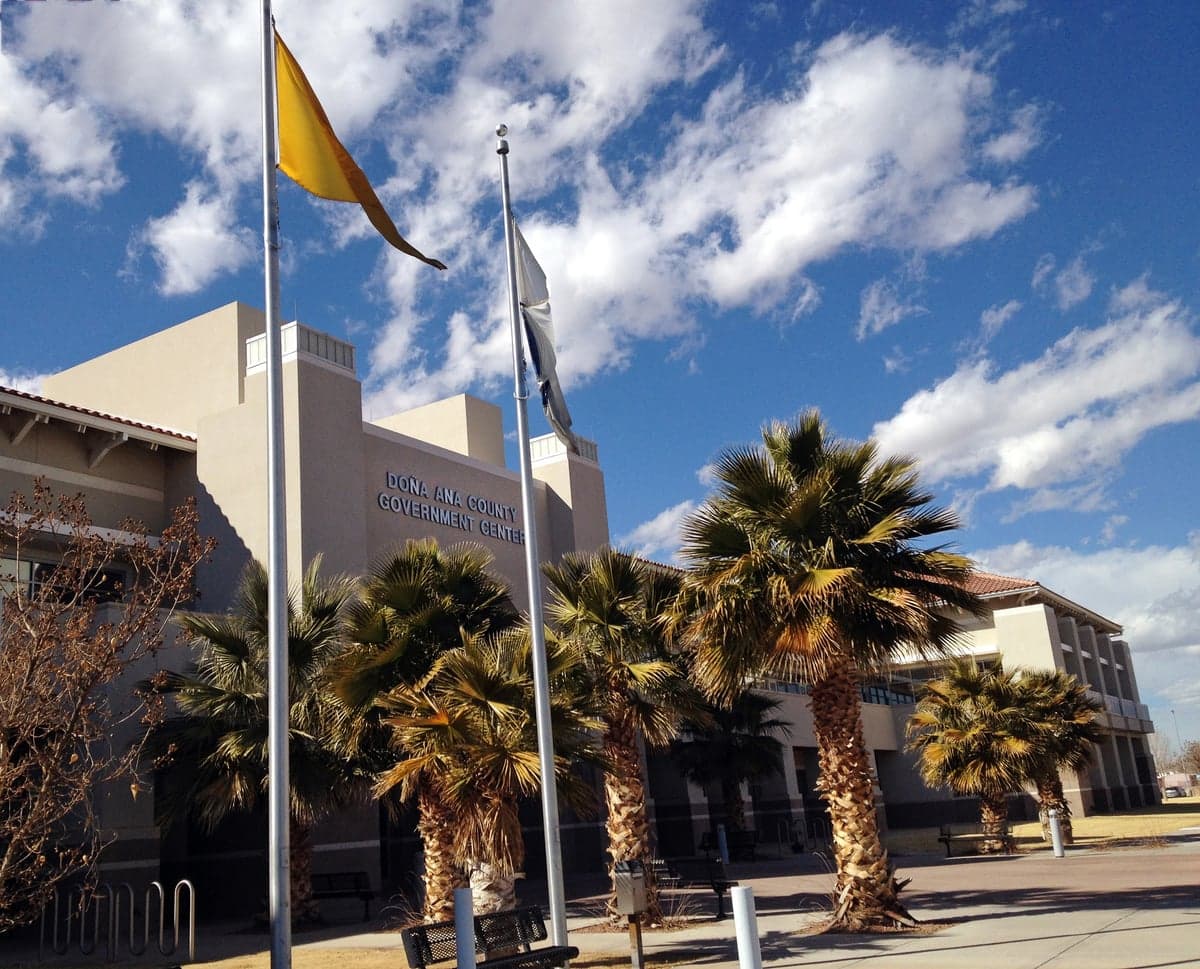
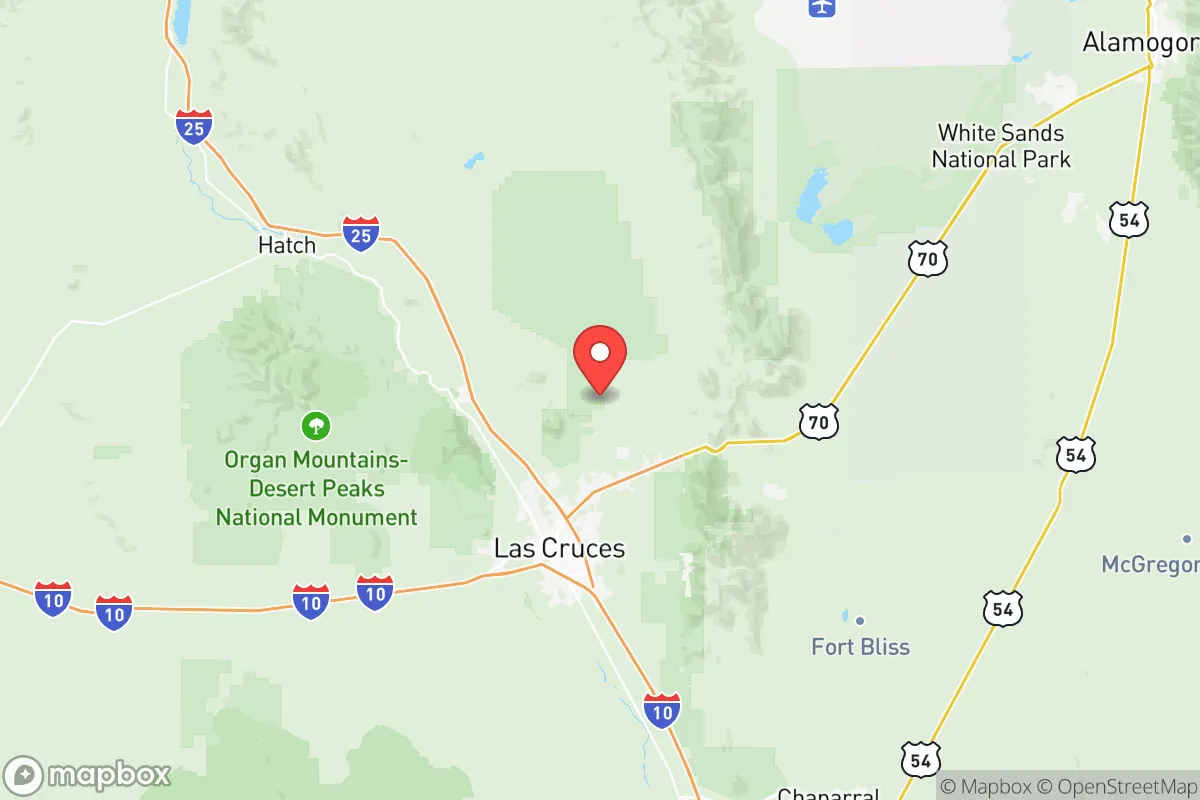
Photo: Wikipedia
Find The Best Places To Live in Dona Ana County
PRO TIP! You can paste a Zillow or Redfin link to get info on that property.
Best Places to Live in Dona Ana County
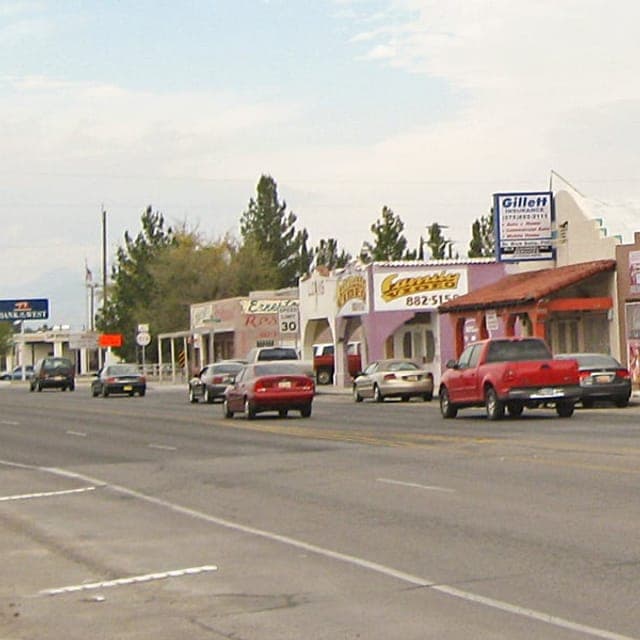
Cities & Towns in Dona Ana County
Cities in Dona Ana County
What It's Like Living in Dona Ana County, NM
Living in Doña Ana County means straddling two worlds at once. You get the quiet, wide-open rhythms of the Mesilla Valley—think pecan orchards, chile roasts in the fall, and a sky that stretches forever—while being just a short drive from the border energy of Las Cruces, the county’s anchor city. It’s a place where a Friday night might mean catching a high school football game in Anthony or grabbing a green-chile cheeseburger at a roadside stand in Hatch, and where the cost of living actually lets you breathe.
Daily Rhythm: Where the Valley Meets the Border
Most days in Doña Ana County start early, especially in the agricultural towns like Mesquite and Hatch, where the chile harvest sets the pace. In Las Cruces, the commute is mercifully short—the average drive clocks in at just over 22 minutes, meaning you’re not burning an hour of your day in traffic like you would in Albuquerque or El Paso. People shop at the local Farmers & Crafts Market on the Las Cruces Plaza on Saturday mornings, or hit up the big-box stores along the Telshor corridor. For a quick bite, locals swear by the green-chile-smothered burritos at Nellie’s Café in Las Cruces or the stacked enchiladas at La Posta in Old Mesilla. The vibe is unhurried but not sleepy—there’s a steady hum of activity, especially around New Mexico State University, which brings a young, transient energy to the county’s core.
The kind of person who fits in here is someone who values space and affordability over hustle. With a median home value of $205,400 and a cost of living index of 76 (well below the national average of 100), Doña Ana County is a magnet for first-time homebuyers, remote workers, and families priced out of Santa Fe or Albuquerque. The median income sits at $55,663, which stretches further here than in most of the country. You’ll find a mix of NMSU professors, Border Patrol agents, agricultural workers, and retirees who came for the dry heat and stayed for the low taxes. It’s not a place for people who need nightclubs or Michelin stars—it’s for folks who want a decent house with a yard and a view of the Organ Mountains.
Sports, Community, and the Local Identity
High school football is a genuine event in Doña Ana County. In towns like Anthony and Gadsden, Friday-night games pack bleachers with families and alumni, and the rivalry between Las Cruces High and Mayfield High is the kind of thing that gets talked about at water coolers all week. On the college side, the New Mexico State Aggies (NMSU) are the county’s biggest sports draw. Aggie football and basketball games at the Pan American Center aren’t exactly Power Five spectacles, but they’re well-attended and deeply woven into local identity—especially when they play UTEP in the “Battle of I-10.” For outdoor recreation, the Organ Mountains-Desert Peaks National Monument is the crown jewel. Locals hike the Dripping Springs trail on weekends, mountain bike the A-Mountain loop, or take the kids to Leasburg Dam State Park for a day of fishing and picnicking. The Whole Enchilada Fiesta in Las Cruces every September is a genuine cultural touchstone—think a giant enchilada, live music, and a carnival that draws people from all over the county.
Cultural quirks are everywhere. The county’s identity is deeply tied to the chile—you’ll see ristras hanging from porches in Mesilla and roadside stands selling roasted Hatch green chile by the bushel in late summer. Spanish is heard as often as English in many parts of the county, especially south of Las Cruces. The border checkpoint on I-25 north of town is a routine reality for anyone driving to Albuquerque, and the presence of Border Patrol is a constant, if unremarkable, part of daily life.
Pros and Cons of Living Here
Longtime residents love the low cost of living and the unhurried pace. The weather is a major perk—over 300 days of sunshine a year, with mild winters that rarely dip below freezing. The sense of community in smaller towns like Mesilla and Hatch is genuine; neighbors know each other, and local events like the Hatch Chile Festival feel like family reunions. The downsides are real, though. The violent crime rate is 603.2 per 100,000—significantly higher than the national average, and concentrated in parts of Las Cruces and the southern corridor. Property crime is also a frustration, especially car break-ins and theft from yards. The job market is limited outside of government, education, and agriculture; many residents commute to El Paso for higher-paying work. Summer heat is intense—June through August, temperatures regularly hit the high 90s, and the monsoon season can bring sudden, dramatic flash floods. Schools are a mixed bag; the Las Cruces Public Schools district has some strong elementary schools, but high school performance varies widely, and many parents in Sunland Park or Anthony look into private or charter options.
For a conservative-leaning audience, the county’s politics are a mixed bag. Las Cruces itself leans blue, but the rural towns and unincorporated areas—places like Radium Springs and Doña Ana—vote reliably red. The overall county is a swing area, with a strong independent streak. Gun rights are widely respected, and the outdoor lifestyle (hunting, off-roading, shooting) is common. The biggest practical frustration for many is the lack of high-end shopping and dining—if you want a Nordstrom or a Ruth’s Chris, you’re driving to El Paso. But for those who value space, affordability, and a slower rhythm, Doña Ana County offers a life that feels both grounded and wide open.

* Values derived from national, state, county, city and local statistics and may differ in a specific area. Last updated: 2026-06-01T16:30:33.000Z
Narrative content on this page is AI-generated and may contain mistakes. Verify any details that matter before acting on them.
ReloMaps may earn a commission from affiliate links at no extra cost to you.

