
Photo: Wikipedia
Quality of Life in Dona Ana County
A livable area that tracks near national norms for affordability, walkability, and neighborhood health.
What does Quality of Life tell us?
Quality of Life measures an area by evaluating factors like cost of living, nearby amenities, country club access, airport proximity, socioeconomic signals and neighborhood character. For large states, this is a general average — quality of life can vary dramatically between metro areas, suburbs, and rural communities within the same state.
What does this tell us?
Quality of Life measures an area by evaluating factors like cost of living, nearby amenities, country club access, airport proximity, socioeconomic signals and neighborhood character. For large states, this is a general average — quality of life can vary dramatically between metro areas, suburbs, and rural communities within the same state.
Cost of Living
24% below national average
95%
The Real Cost of Living in Dona Ana County for 2026
| Tier | Individual | Family (4) |
|---|---|---|
| Survival | $14k | $27k |
| Comfortable | $40k | $59k |
| Luxury | $101k+ | $156k+ |
| Elite (Top 5%) | $122k+ | $189k+ |
Quality-of-Life Analysis
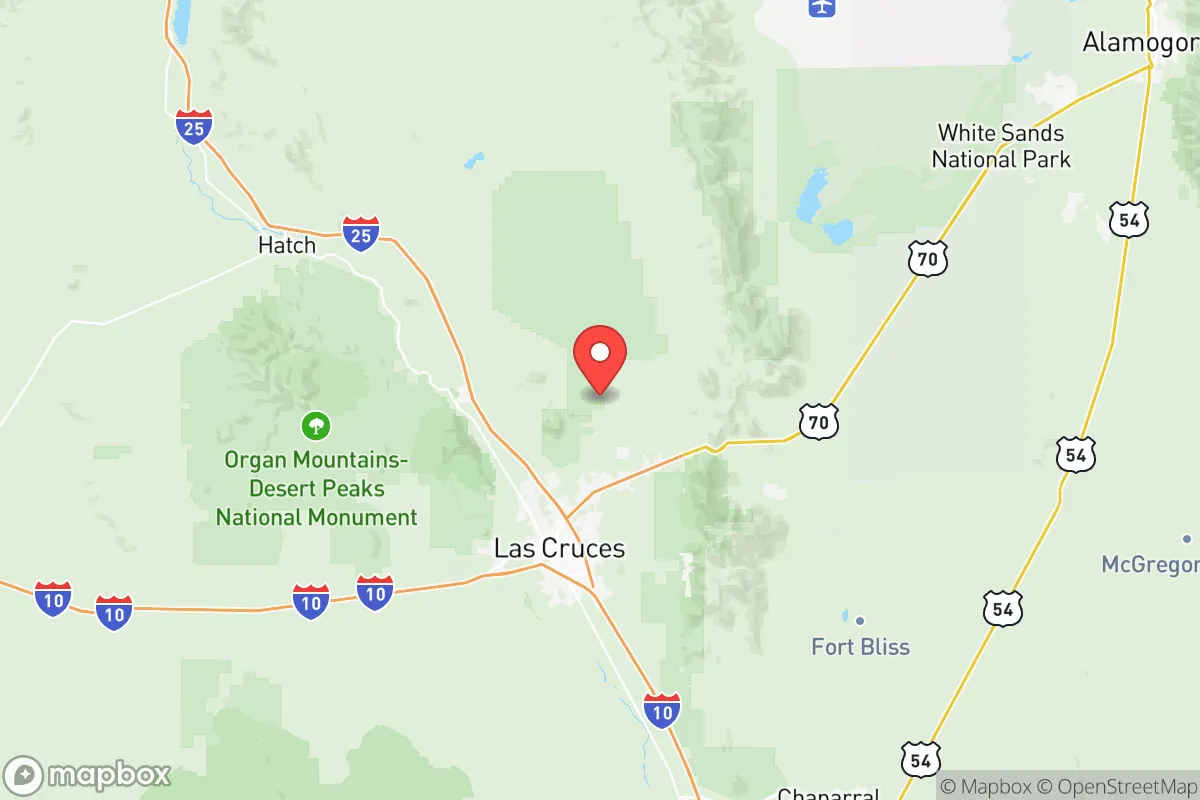
Dona Ana County offers a broad spectrum of quality-of-life options, from the urban core of Las Cruces to the agricultural quietude of Mesilla and the remote desert expanses of Hatch and Anthony. The county’s character shifts dramatically within a 30-minute drive, attracting retirees, university faculty, border commuters, and farming families to distinctly different environments. With a cost of living index of 76 (24% below the U.S. average), the county provides affordable entry points across this spectrum, though amenities, commute times, and community density vary significantly by location.
Largest town(s) & population centers
Las Cruces, the county seat and home to roughly 115,000 residents, is the undisputed population and economic hub. Daily life here centers around New Mexico State University (NMSU), the region’s largest employer, and a growing healthcare sector anchored by Memorial Medical Center. The city offers a walkable downtown plaza with local restaurants and art galleries, plus big-box retail along the I-10 corridor. Commute times average 22.4 minutes, among the shortest for a city of its size in the Southwest, making it feasible to live in Las Cruces and work in El Paso (about 45 minutes south) or at White Sands Missile Range. The median home value of $205,400 and median rent of $903 make Las Cruces the most expensive part of the county, but still affordable compared to national norms. Families and retirees are drawn to the Sonoma Ranch and Mesilla Valley areas for newer subdivisions and proximity to hiking in the Organ Mountains.
Smaller towns & rural pockets
Outside Las Cruces, the county’s smaller communities offer a quieter, more agrarian lifestyle. Mesilla, a historic village just south of Las Cruces, retains its adobe architecture and a lively plaza with boutique shops and the iconic La Posta restaurant. It feels like a separate world despite being a five-minute drive from the city. Hatch, about 30 minutes north, is the self-proclaimed “Chile Capital of the World,” where daily life revolves around chile farming and a tight-knit community of roughly 1,700 residents. Anthony, on the Texas border, is a lower-income, unincorporated area with a strong agricultural base and a significant commuter population working in El Paso. Doña Ana, a small unincorporated community between Las Cruces and Anthony, offers rural acreage and a slower pace, with many residents living on parcels of 1-5 acres. These areas lack the retail and dining options of Las Cruces but provide open space, lower home prices (often under $180,000), and a sense of isolation that appeals to those seeking privacy or farming livelihoods.
Cost & lifestyle range
The cost and lifestyle spread across Dona Ana County is wide. At the higher end, Las Cruces’ Sonoma Ranch and Mesilla feature homes in the $300,000–$500,000 range, with HOA amenities like pools and golf courses, and easy access to the city’s hospitals and NMSU. At the lower end, Anthony and Chaparral (a census-designated place near the Texas line) have median home values closer to $150,000, but with fewer services, longer drives to grocery stores, and higher poverty rates. Renters in Las Cruces pay a median of $903, while in Hatch or Anthony, comparable rentals can be found for $650–$750. The lifestyle trade-off is clear: Las Cruces offers cultural events, university sports, and diverse dining, while rural areas offer quiet, land, and a connection to agriculture. Commute times in the rural pockets can stretch to 30–40 minutes for those working in Las Cruces or El Paso, but remain manageable by national standards.
The county best suits people who value affordability and variety over urban density. Retirees and remote workers often choose Las Cruces for its amenities and climate; farmers and border commuters gravitate toward Hatch, Anthony, or Doña Ana for land and lower costs. Families seeking good schools should note that Las Cruces Public Schools are the largest district, while smaller communities like Mesilla feed into the same district but with smaller class sizes. Anyone who needs a major airport, high-end shopping, or a vibrant nightlife will find the county limiting, but for those who prioritize low cost of living, short commutes, and access to the outdoors, Dona Ana County delivers a distinct option at every point on its spectrum.

Crime in Dona Ana County
Higher crime rates than 67% of comparable U.S. locations.
Violent CrimeViolent Crime Analysis
Property CrimeProperty Crime Analysis
Crime Analysis
Dona Ana County faces a serious public safety challenge, with a violent crime rate of 603.2 per 100,000 residents and a property crime rate of 2,191.9 per 100,000 — both well above national averages. The county’s progressive district attorney and the judicial culture of the Third Judicial District, centered in Las Cruces, have drawn criticism for prioritizing offender diversion over incarceration, contributing to repeat offenses and a sense of impunity that residents in cities like Las Cruces, Sunland Park, and Anthony experience daily. While small towns such as Mesilla and Hatch offer pockets of relative calm, the overall safety picture is one of elevated risk driven by lenient prosecution and high recidivism.
Crime in context
Compared to New Mexico’s statewide violent crime rate of roughly 780 per 100,000 — the highest in the nation — Dona Ana County’s 603.2 figure appears slightly lower, but it still dwarfs the national rate of about 380 per 100,000. Property crime in the county (2,191.9 per 100,000) similarly exceeds the U.S. average of roughly 2,000. The state’s persistently lenient approach to sentencing, championed by progressive district attorneys like Dona Ana County’s Gerald Byers, has been linked to increased property crime and violent offenses as repeat offenders cycle through the system without meaningful consequences. Neighboring counties with more conservative judicial policies — such as Otero County — report lower per-capita crime rates, underscoring the impact of prosecutorial philosophy on public safety. In Dona Ana, the combination of high poverty, drug trafficking along the I-10 and I-25 corridors, and a justice system that frequently releases accused offenders on minimal bond has created an environment where crime remains stubbornly high.
What residents experience
Daily life in Dona Ana County is shaped by property crime — vehicle break-ins, mail theft, and residential burglaries are common complaints in Las Cruces, especially near the university district and along Main Street. Sunland Park, a border city west of El Paso, grapples with cross-border auto theft and drug-related violence, while Anthony and Hatch face similar challenges tied to the drug trade and a revolving-door justice system. Violent crime, though less frequent, is concentrated in Las Cruces’ downtown and Mesquite neighborhoods, with aggravated assaults and robberies often linked to gang activity. Residents report that the progressive district attorney’s focus on pre-trial diversion and reduced sentencing means offenders caught in these areas are frequently back on the street within weeks, eroding trust in law enforcement and increasing vigilance among homeowners and business owners alike. Property crime rates in particular have not shown sustained improvement since the DA’s reform agenda took hold in 2021.
Neighborhood-level safety varies markedly across the county. The historic town of Mesilla offers a quieter, lower-crime environment thanks to its small police force and engaged community, though it is not immune to theft. Parts of east Las Cruces — especially areas east of the Organ Mountains foothills — show modestly lower violent crime rates than the city center. In contrast, Sunland Park, Anthony, and the rural colonias near the border remain high-risk zones where residents often invest in private security measures. The overarching truth for anyone considering a move to Dona Ana County is that the combination of a progressive judicial philosophy and entrenched poverty makes even “safe” neighborhoods vulnerable to spillover crime from the county’s most troubled areas. Until the district attorney’s office adopts a tougher stance on repeat offenders, the county’s crime picture is unlikely to improve.
* Values derived from national, state, county, city and local statistics and may differ in a specific area. Last updated: 2026-06-01T16:30:33.000Z
Narrative content on this page is AI-generated and may contain mistakes. Verify any details that matter before acting on them.
ReloMaps may earn a commission from affiliate links at no extra cost to you.

