 Popular
Photo: Wikipedia
Find The Best Places To Live
in New York City
PRO TIP! You can paste a Zillow or Redfin link to get info on that property.
What It's Like Living in New York City, NY
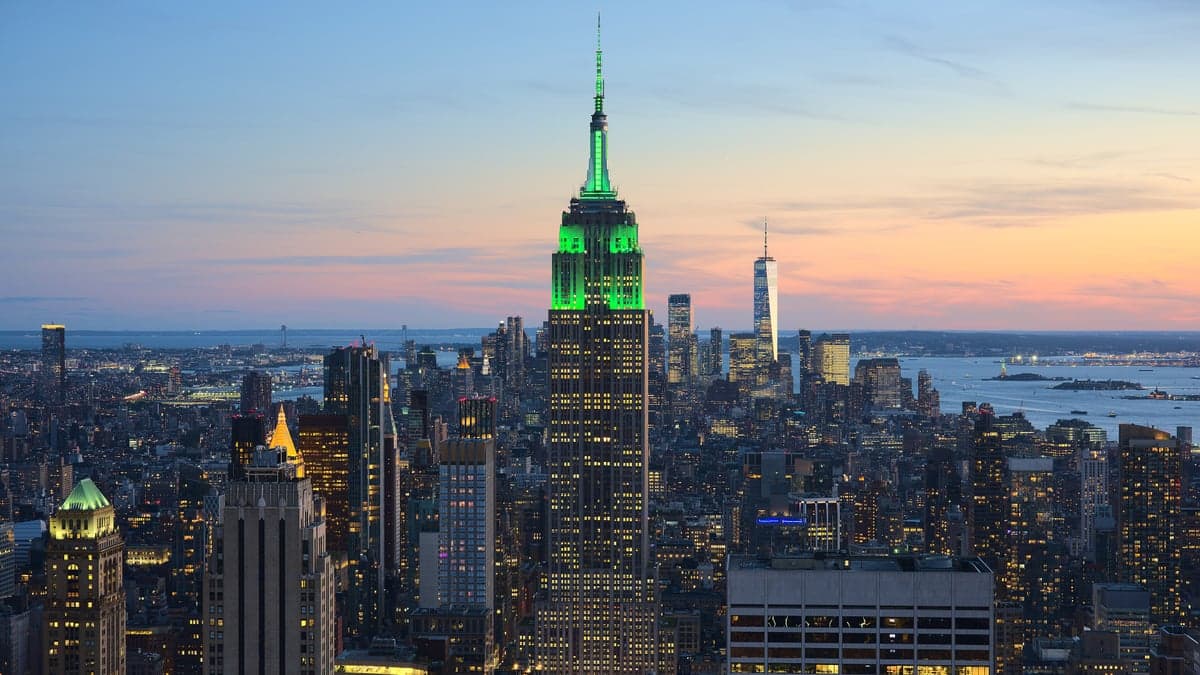
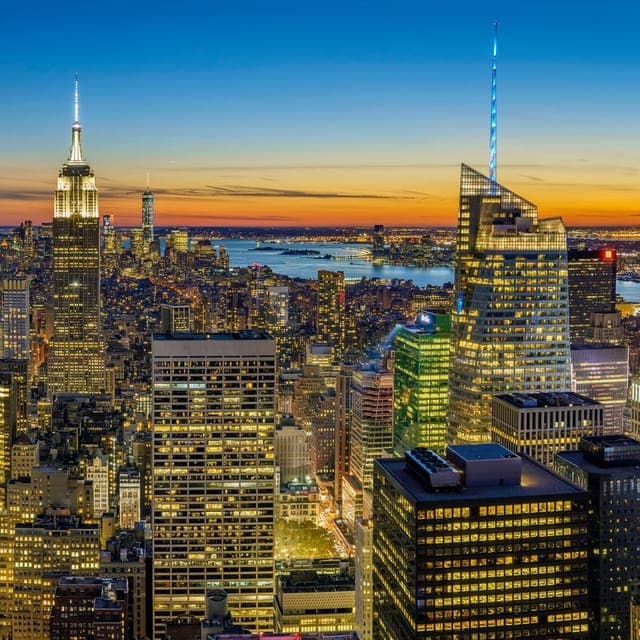
New York City is less a single place and more a collection of five distinct boroughs, each with its own rhythm and identity, where the constant hum of activity is the city’s true heartbeat. Living here means trading personal space and quiet for an unmatched density of opportunity, culture, and sheer human energy. It’s a city that rewards ambition and resilience, but it also demands a thick skin and a healthy bank account, making it a place where you either adapt or get ground down.
The Daily Grind and the Weekend Escape
For most residents, daily life revolves around the subway, with an average commute of 40.6 minutes—one of the longest in the nation. That time isn’t wasted; it’s often spent reading, listening to podcasts, or people-watching. Grocery shopping is a tactical exercise, usually done at a local bodega or a smaller chain like Key Food, as the idea of a sprawling suburban supermarket is a distant fantasy. Weekends are a stark contrast: locals flood Central Park for a run or a picnic, hit the High Line for a stroll with skyline views, or head to one of the city’s many farmers markets, like the one in Union Square. The city’s food scene is a world unto itself—from a $1.50 slice at a corner pizzeria to a tasting menu at a Michelin-starred spot in Greenwich Village. The kind of person who thrives here is often a professional in their 20s to 40s, single or a dual-income couple, who values career acceleration and cultural access over square footage and a backyard.
Sports, Culture, and the City’s Pulse
Sports fandom here is a serious, tribal affair. The New York Yankees and New York Mets divide the city, with the Yankees’ 27 World Series titles giving their fans a perpetual sense of superiority. In the fall, the New York Giants and New York Jets share MetLife Stadium in New Jersey, but the real passion is for college basketball—St. John’s University games at Madison Square Garden draw a loyal, loud crowd. Beyond sports, the city is a cultural juggernaut. Broadway is the obvious draw, but locals also flock to the Metropolitan Museum of Art, catch a free concert in Prospect Park, or explore the Brooklyn Flea for vintage finds. Major festivals like the Village Halloween Parade and the Macy’s Thanksgiving Day Parade are quintessential New York experiences. For outdoor escapes, Prospect Park in Brooklyn offers 585 acres of meadows and a lake, while Pelham Bay Park in the Bronx is three times the size of Central Park and far less crowded.
The Real Trade-Offs: What You Gain and What You Give Up
Living in New York comes with a clear set of pros and cons. On the upside, the city offers an unparalleled density of jobs, especially in finance, tech, media, and healthcare, with a median income of $79,713 that is well above the national average. The cultural and culinary variety is unmatched, and the 24/7 nature means you can find a decent meal or a bar open at 3 AM. However, the trade-offs are significant. The cost of living index sits at 198—nearly double the national average—and the median home value of $751,700 puts homeownership out of reach for many. Renting a one-bedroom in Manhattan can easily cost $3,500 a month. The violent crime rate of 659.1 per 100,000 is higher than the national average, though it has dropped dramatically since the 1990s and is concentrated in specific neighborhoods. Traffic is a nightmare, especially in Midtown, and the subway system, while extensive, is prone to delays and weekend shutdowns. The median age of 38 reflects a city that is increasingly expensive for young families, though neighborhoods like Park Slope in Brooklyn and Forest Hills in Queens remain popular for those who can afford them. Schools are a mixed bag: the city’s specialized high schools like Stuyvesant and Bronx Science are world-class, but the lottery-based system for other schools can be a source of anxiety for parents.
Cultural Quirks and Seasonal Rhythms
New Yorkers have a few distinct cultural quirks. The “New York minute” is real—people walk fast, talk fast, and expect you to keep up. The city’s grid system in Manhattan makes navigation simple, but addresses like “Avenue A” and “East 10th Street” still confuse newcomers. The seasons are extreme: summers are humid and sticky, with temperatures often hitting the 90s, while winters bring biting cold and the occasional nor’easter that dumps snow on the streets. Spring and fall are glorious but brief. A beloved local tradition is the Thanksgiving Day Parade balloon inflation the night before, where families camp out on the Upper West Side to watch the giant balloons get filled. Another is the New York City Marathon in November, which shuts down large parts of the city for a day but brings an electric energy. For all its frustrations—the noise, the crowds, the cost—New York remains a place where you can reinvent yourself, find your niche, and feel like you’re at the center of the world. It’s not for everyone, but for those who belong, there’s no place else like it.

Similar major cities to New York City

* Values derived from national, state, county, city and local statistics and may differ in a specific area. Last updated: 2026-08-13T19:18:24.000Z
Narrative content on this page is AI-generated and may contain mistakes. Verify any details that matter before acting on them.
ReloMaps may earn a commission from affiliate links at no extra cost to you.

