Photo: Wikipedia
Find The Best Places To Live
in New York
PRO TIP! You can paste a Zillow or Redfin link to get info on that property.
What It's Like Living in New York, NY
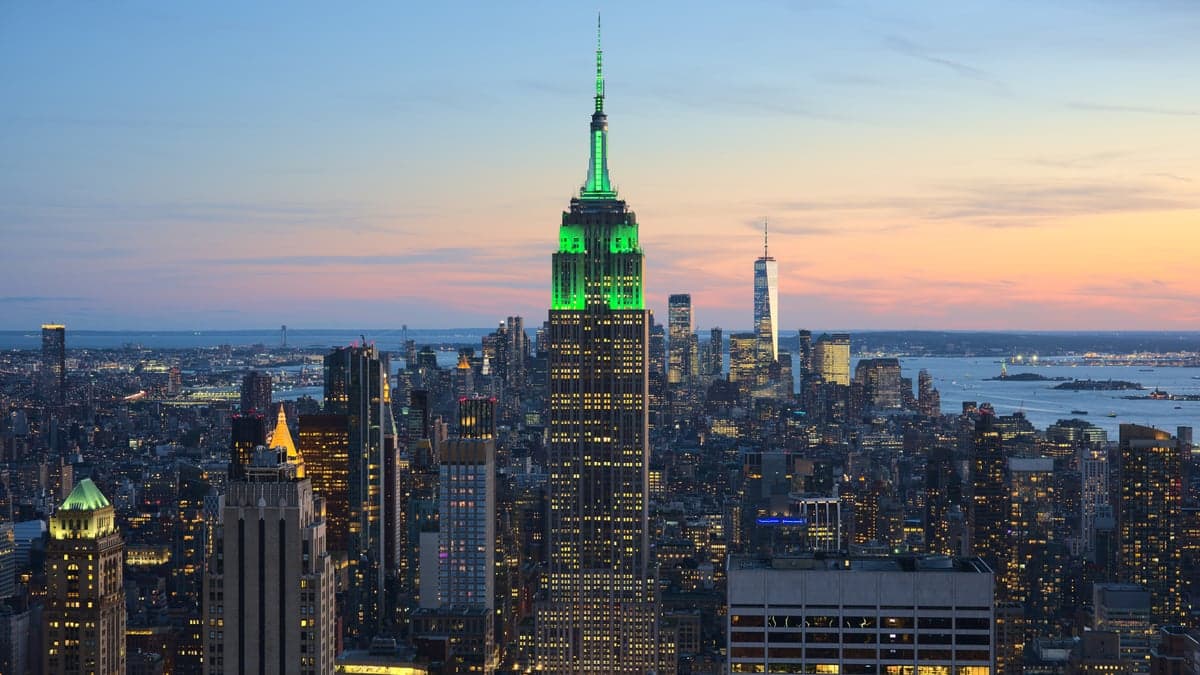
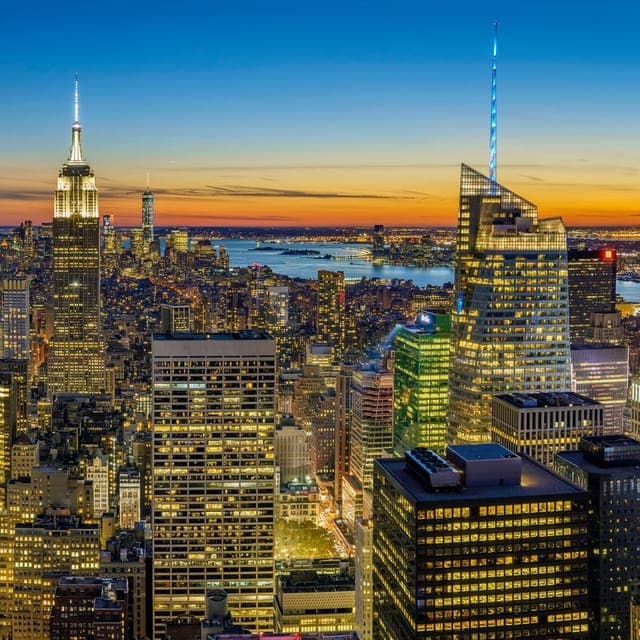
Living in New York, NY is less like living in a city and more like living inside a living organism — one that’s loud, expensive, exhilarating, and absolutely relentless. With over 8.5 million people packed into five boroughs, it’s a place where you trade personal space and quiet for access to more culture, career opportunity, and sheer human energy than anywhere else in the country. It’s not for everyone, and it knows it.
The Daily Grind: Commutes, Errands, and the Constant Negotiation of Space
Your average commute here clocks in at just over 40 minutes one way, but that number hides the real story. For many, that commute means standing shoulder-to-shoulder on a subway platform in July, or waiting for a bus that’s been rerouted for the third time this month. The subway is the city’s circulatory system — it’s grimy, unreliable, and absolutely essential. People who live here don’t complain about the commute; they strategize around it. They know which express train skips three stops, which bodega has the fastest coffee, and which corner to avoid at 8:15 AM when the sidewalk becomes a river of suits and backpacks.
Daily life revolves around small, hyperlocal routines. You shop at the same Key Food or Westside Market because it’s the only one within a 15-minute walk. You know the dry cleaner by name. You develop a fierce loyalty to a specific pizza slice joint — not because it’s the best in the city, but because it’s your slice joint. The median income here is about $79,700, which sounds decent until you realize that a one-bedroom apartment in a decent neighborhood can easily run $3,000 a month. The cost of living index sits at 198 — nearly double the national average — so most people don’t have sprawling homes. They have apartments they’ve learned to love, with closets that double as offices and living rooms that become dining rooms when the fold-out table comes down.
Who Thrives Here (and Who Doesn’t)
New York is a magnet for the ambitious, the young, and the stubborn. About 41% of adults hold a college degree, and the median age is 38 — old enough to have a career, young enough to still want to go out on a Tuesday. The city works best for people who are early in their career or at the top of their field, because the middle can be brutal. Parents here have a different experience entirely. Schools are a massive factor in neighborhood choice; districts like PS 6 on the Upper East Side or PS 234 in Tribeca are so competitive that families start researching them before the kid is born. The city’s public school system is enormous and uneven — some schools are world-class, others are chronically underfunded. Many parents end up going private or parochial, which adds another $20,000–$50,000 a year to the budget.
The kind of person who fits in here is someone who doesn’t mind being anonymous in a crowd. You can go a whole day without making eye contact with anyone. That’s a feature, not a bug. It’s also a place where your neighbors might be a Broadway actor, a hedge fund analyst, and a retired postal worker — all living in the same walk-up. The city flattens status in weird ways. You’ll see a billionaire waiting for the same M15 bus as a nanny with three kids.
What There Is to Do: Parks, Teams, and the Endless Calendar
Outdoor life here is real but different. Central Park is the obvious centerpiece — 843 acres of running paths, rowboats, and summer concerts that feel like a release valve for the whole island. But locals know the smaller spots: the High Line for a sunset stroll, Fort Greene Park for Saturday morning farmers markets, or Prospect Park for a real escape from the street noise. The city has three major sports teams that inspire genuine, sometimes irrational loyalty. The Yankees are a dynasty with a global brand, but the Mets have a more blue-collar, suffering-fan vibe that feels truer to the city’s character. The Knicks are a perennial disappointment that still sells out every game. And the New York Rangers have a fanbase that’s loud, drunk, and deeply knowledgeable about hockey.
Entertainment is the city’s main export. You can see a Broadway show, catch a secret concert at the Bowery Ballroom, or eat at a Michelin-starred restaurant on a Tuesday night. The food scene is less about trends and more about density — you can get authentic Sichuan in Flushing, perfect bagels on the Lower East Side, and a slice of pizza that costs $3 and changes your life. Festivals like the Feast of San Gennaro in Little Italy or the Village Halloween Parade are less about tourism and more about neighborhood identity. They’re loud, crowded, and messy — which is basically the city’s brand.
The Honest Trade-Offs: What Locals Love and What Wears Them Down
What people love most is the energy — the sense that anything could happen, that you’re at the center of the world. You can walk out your door at midnight and find a diner open, a jazz club playing, or a street fair blocking traffic. The city rewards spontaneity. What frustrates them is the cost, the noise, and the feeling that you’re always paying a premium for things that should be basic. The violent crime rate here is 331.5 per 100,000 — higher than the national average, though it’s dropped significantly since the 1990s. Most people feel safe in their neighborhoods, but they’re aware of the subway incidents and the occasional late-night scare. The median home value is $751,700, which means homeownership is a distant dream for many renters. Traffic is a nightmare, but most people don’t own cars anyway. The real frustration is the grind — the constant negotiation of space, time, and money that wears even the most enthusiastic New Yorker down after a decade or two.
But the city has a way of making you feel like you’re part of something bigger. There’s a shared identity here — a kind of tough, sarcastic, resilient pride that comes from surviving the rent hikes, the subway delays, and the tourist jams. You don’t move to New York to be comfortable. You move here to be alive.

Similar major cities to New York

* Values derived from national, state, county, city and local statistics and may differ in a specific area. Last updated: 2026-04-15T19:12:32.000Z
Narrative content on this page is AI-generated and may contain mistakes. Verify any details that matter before acting on them.
ReloMaps may earn a commission from affiliate links at no extra cost to you.

