Photo: Wikipedia
Quality of Life in New York
A livable area that tracks near national norms for affordability, walkability, and neighborhood health.
What does Quality of Life tell us?
Quality of Life measures an area by evaluating factors like cost of living, nearby amenities, country club access, airport proximity, socioeconomic signals and neighborhood character. For large states, this is a general average — quality of life can vary dramatically between metro areas, suburbs, and rural communities within the same state.
What does this tell us?
Quality of Life measures an area by evaluating factors like cost of living, nearby amenities, country club access, airport proximity, socioeconomic signals and neighborhood character. For large states, this is a general average — quality of life can vary dramatically between metro areas, suburbs, and rural communities within the same state.
Cost of Living
38% above national average
73%
The Real Cost of Living in New York for 2026
| Tier | Individual | Family (4) |
|---|---|---|
| Survival | $25k | $47k |
| Comfortable | $78k | $115k |
| Luxury | $153k+ | $237k+ |
| Elite (Top 5%) | $221k+ | $342k+ |
Quality-of-Life Analysis
New York State offers one of the most extreme quality-of-life spectrums in the United States, ranging from the hyper-dense, 24-hour energy of Manhattan to the quiet, lakefront solitude of the Adirondacks. With a statewide cost of living index of 138 (100 is the U.S. average), a median home value of $403,000, and a median rent of $1,576, the financial reality varies dramatically by location. The average commute of 32.8 minutes reflects the trade-offs residents make between urban opportunity and suburban or rural space. This analysis breaks down the distinct lifestyle tiers across the state, naming the specific places that define each option.
Major metros
New York City is the state's undisputed urban core, but it is not a monolith. Manhattan offers a dense, fast-paced lifestyle dominated by finance, media, and tech, with a median rent far exceeding the state average; it attracts professionals who prioritize career intensity and cultural access over space. Brooklyn and Queens provide a slightly less expensive, more neighborhood-oriented urban experience, with strong creative and food industries. Buffalo, the state's second-largest city, offers a completely different urban vibe: a Rust Belt revival with a median home value well below the state average, a growing tech and healthcare sector, and a more relaxed, community-focused pace. Rochester, with its strong optics and imaging industry (notably around the University of Rochester and Eastman Kodak legacy), provides a mid-sized urban experience with a lower cost of living and a robust arts scene. Syracuse, anchored by Syracuse University and a growing logistics sector, offers a compact, affordable urban core with access to the Finger Lakes. These major metros collectively define the state's urban spectrum, from global capital to regional hub.
Mid-size cities & college towns
Albany, the state capital, functions as a mid-size city with a stable government and healthcare employment base, a walkable downtown, and a cost of living roughly 10-15% below the state average. Ithaca, home to Cornell University and Ithaca College, is a classic college town with a progressive, intellectual atmosphere, a vibrant downtown, and a high cost of living relative to its size due to limited housing supply. Binghamton, in the Southern Tier, offers a very low cost of living (well below the state median) and a quiet, family-oriented lifestyle, anchored by Binghamton University. New Paltz, in the Hudson Valley, is a smaller college town with a strong outdoor recreation scene (climbing at the Gunks) and a bohemian, artsy feel, but with rising housing costs due to proximity to New York City. Saratoga Springs, north of Albany, blends a historic downtown, a world-class horse racing track, and a thriving restaurant scene, attracting both retirees and young professionals with its relatively high quality of life and above-average home values.
Small towns & rural areas
The Adirondack region, including towns like Lake Placid, Saranac Lake, and Tupper Lake, offers a rural lifestyle defined by mountains, lakes, and four-season outdoor recreation. Lake Placid, a former Olympic host, has a higher cost of living due to tourism, while Tupper Lake remains more affordable. The Finger Lakes region, with towns like Watkins Glen, Skaneateles, and Geneva, provides a slower pace centered on wineries, gorges, and lakefront living; Skaneateles is notably upscale, while Geneva is more working-class. The Southern Tier, including towns like Olean and Jamestown, offers the state's most affordable housing, with median home values often under $150,000, but with limited job opportunities and longer commutes to larger cities. The North Country, including Watertown and Plattsburgh, offers a rural, military-influenced economy (Fort Drum) and a very low cost of living, but with harsh winters and limited cultural amenities. These areas attract retirees, outdoor enthusiasts, and those seeking a low-cost, quiet life away from urban centers.
Luxury vs. affordable living
Luxury living in New York is concentrated in specific enclaves. The Hamptons (e.g., East Hampton, Southampton) on Long Island offer beachfront estates and a summer social scene, with median home values exceeding $1.5 million. Westchester County suburbs like Scarsdale, Bronxville, and Rye offer top-tier public schools and commuter access to Manhattan, with median home values often above $1 million. In Manhattan, neighborhoods like Tribeca, the Upper East Side, and SoHo command median home values above $2 million. On the affordable end, the city of Buffalo offers median home values around $150,000, with neighborhoods like Elmwood Village and North Buffalo providing walkable, historic housing. Rochester's median home value is roughly $180,000, with affordable neighborhoods like Park Avenue and the South Wedge. The Southern Tier cities of Binghamton and Elmira offer median home values under $100,000. Rural areas in the North Country and Southern Tier provide the lowest housing costs in the state, with homes often available for under $80,000, though with correspondingly lower wages and fewer services.
The practical reality is that New York State's quality-of-life options are defined by a clear trade-off between cost and access. Professionals in high-income fields thrive in Manhattan and its wealthy suburbs, accepting extreme housing costs for career and cultural returns. Families and remote workers find a strong balance in mid-size cities like Albany and Saratoga Springs, where home values are manageable and amenities are solid. Retirees and those seeking a low-cost, quiet life gravitate to the Southern Tier and North Country, where a home can be bought for a fraction of the state median. The statewide cost of living index of 138 masks a range from roughly 90 in rural areas to over 200 in Manhattan, meaning the choice of where to live in New York is fundamentally a choice about what trade-offs—commute time, space, culture, and cost—a person is willing to make.

Crime in New York
WARNING: The crime statistics are unreliable for this jurisdiction. Local authorities have either not reported or under reported their data to the FBI. This could be due to bad intentions, incompetence or technical issues. Regardless, we suggest skepticism.
Higher crime rates than 65% of comparable U.S. locations.
Violent CrimeViolent Crime Analysis
Property CrimeProperty Crime Analysis
Crime Analysis
New York City’s overall crime picture is a study in contrasts: while its violent crime rate of 363.5 per 100,000 residents is notably lower than many other large U.S. cities, it remains significantly higher than the national average, and property crime at 1,547.4 per 100,000 is a persistent concern for residents and newcomers alike. The city’s sheer density and population of over 8 million mean that even moderate rates translate into thousands of incidents annually, making neighborhood-level awareness essential for anyone relocating here. The most critical factor shaping safety today is the progressive criminal justice policies enacted by District Attorneys in Manhattan (Alvin Bragg) and Brooklyn (Eric Gonzalez), which have prioritized decarceration and reduced prosecutions for many non-violent and even some violent offenses, a trend that directly impacts public safety and victim justice.
Crime in context
New York City’s violent crime rate of 363.5 per 100,000 is roughly 30% higher than the national average of about 280 per 100,000, but it is substantially lower than peer cities like Chicago (over 800 per 100,000) or Philadelphia (over 500 per 100,000). Property crime, at 1,547.4 per 100,000, sits slightly below the national average of roughly 1,950 per 100,000, though this figure masks wide variation: Manhattan’s Midtown and Chelsea see elevated larceny and grand larceny auto rates, while Staten Island’s more suburban neighborhoods report far fewer incidents. Compared to New York State as a whole, the city’s violent crime rate is about double the state average (roughly 180 per 100,000), driven largely by precincts in the Bronx and northern Manhattan. The progressive policies of District Attorneys in Manhattan and Brooklyn have been directly linked to a rise in recidivism and a perception that consequences for repeat offenders are minimal, a concern echoed by victims’ advocates and local business owners.
What residents experience
Daily life for most New Yorkers involves a high degree of situational awareness, particularly on public transit and in tourist-heavy zones. Subway crime, while down from pandemic peaks, remains a top concern, with incidents of assault, robbery, and fare evasion concentrated on lines serving the Bronx (e.g., the 2, 4, and 6 trains) and northern Manhattan. Residents in neighborhoods like Upper Manhattan (Harlem, Washington Heights) and the South Bronx (Mott Haven, Hunts Point) report higher exposure to violent crime, including shootings and gang-related activity, while areas like Staten Island’s Todt Hill and Brooklyn’s Park Slope experience far lower rates. Property crime—especially package theft, bike theft, and car break-ins—is a near-universal annoyance, with Midtown Manhattan and Downtown Brooklyn seeing the highest larceny counts. The progressive justice approach has led to a notable increase in open-air drug use and quality-of-life offenses in neighborhoods like the East Village and Chelsea, where residents report feeling less safe than a decade ago.
Neighborhood-level variation
Safety in New York City is profoundly neighborhood-specific. The safest enclaves include Staten Island’s Great Kills and Annadale, where violent crime rates are below 150 per 100,000, and Queens’ Forest Hills and Bayside, which combine low crime with strong community policing. Conversely, the most dangerous precincts are in the Bronx (the 40th and 44th Precincts covering Soundview and Morrisania), where violent crime rates exceed 600 per 100,000. In Brooklyn, Brownsville and East New York remain hotspots, while Williamsburg and Greenpoint have seen property crime rise sharply as gentrification brings more targets. For newcomers, the safest strategy is to research precinct-level crime maps and avoid areas where progressive DA policies have led to a documented surge in repeat-offender crime, particularly in Manhattan’s Lower East Side and Chelsea. The city’s overall safety is a function of where you live, how you commute, and the local enforcement climate—not a single statistic.
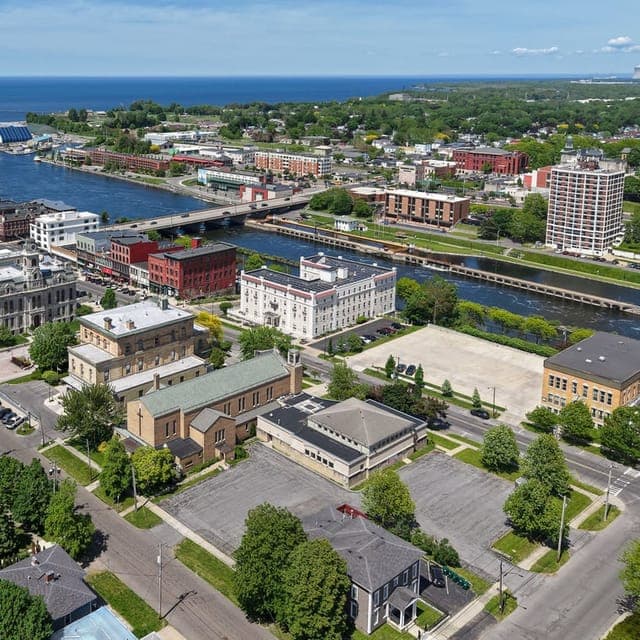
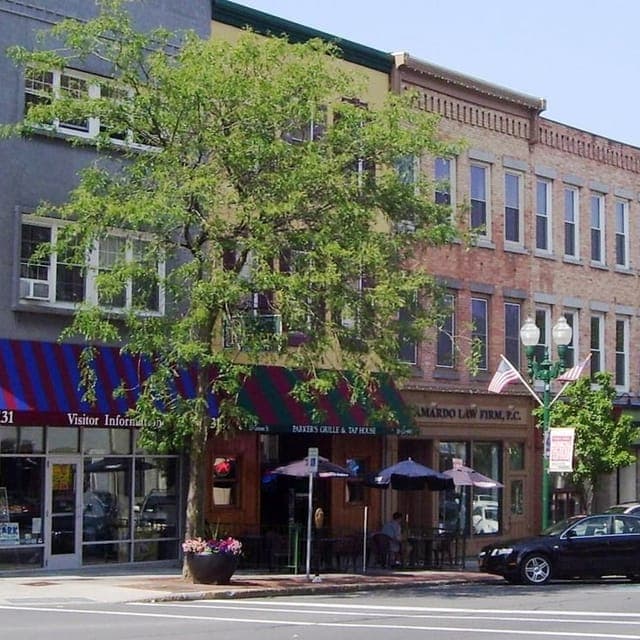
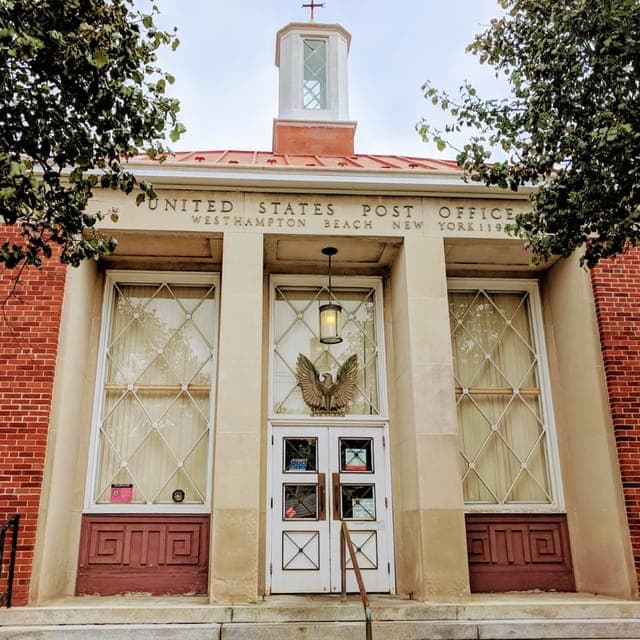
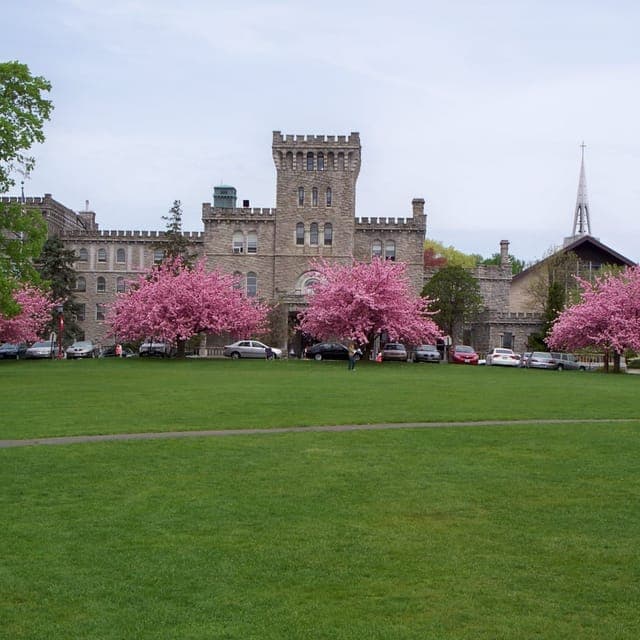
Top Cities for Quality of Life in New York
* Values derived from national, state, county, city and local statistics and may differ in a specific area. Last updated: 2026-09-17T10:28:37.000Z
Narrative content on this page is AI-generated and may contain mistakes. Verify any details that matter before acting on them.
ReloMaps may earn a commission from affiliate links at no extra cost to you.

